Miyoshi by Fat Cow: Ramen Adventures and a Taste of Omakase on Sentosa

July 24, 2026
Dot Icon

Stepping off the train at Imbiah Station, I was immediately struck by the juxtaposition of calm Sentosa pathways and the lively buzz inside Mess Hall at Sentosa. The bright signage of Miyoshi by Fat Cow drew me in, and I could already smell the faint hint of yuzu butter madai and binchotan-charred seafood. For a ramen enthusiast, it is the kind of invitation that awakens curiosity—a promise of depth, texture, and flavor beyond the typical bowl.


Inside, the lively atmosphere was palpable. Chefs moved with practiced precision, slicing Hokkaido scallops, laying out wagyu kinome yaki, and drizzling white truffle sauce over delicate teppan kaiseki plates. The energy was playful yet controlled, perfectly matching the anticipation I felt for the ramen ahead.

Miyoshi by Fat Cow: Modern Japanese Cuisine

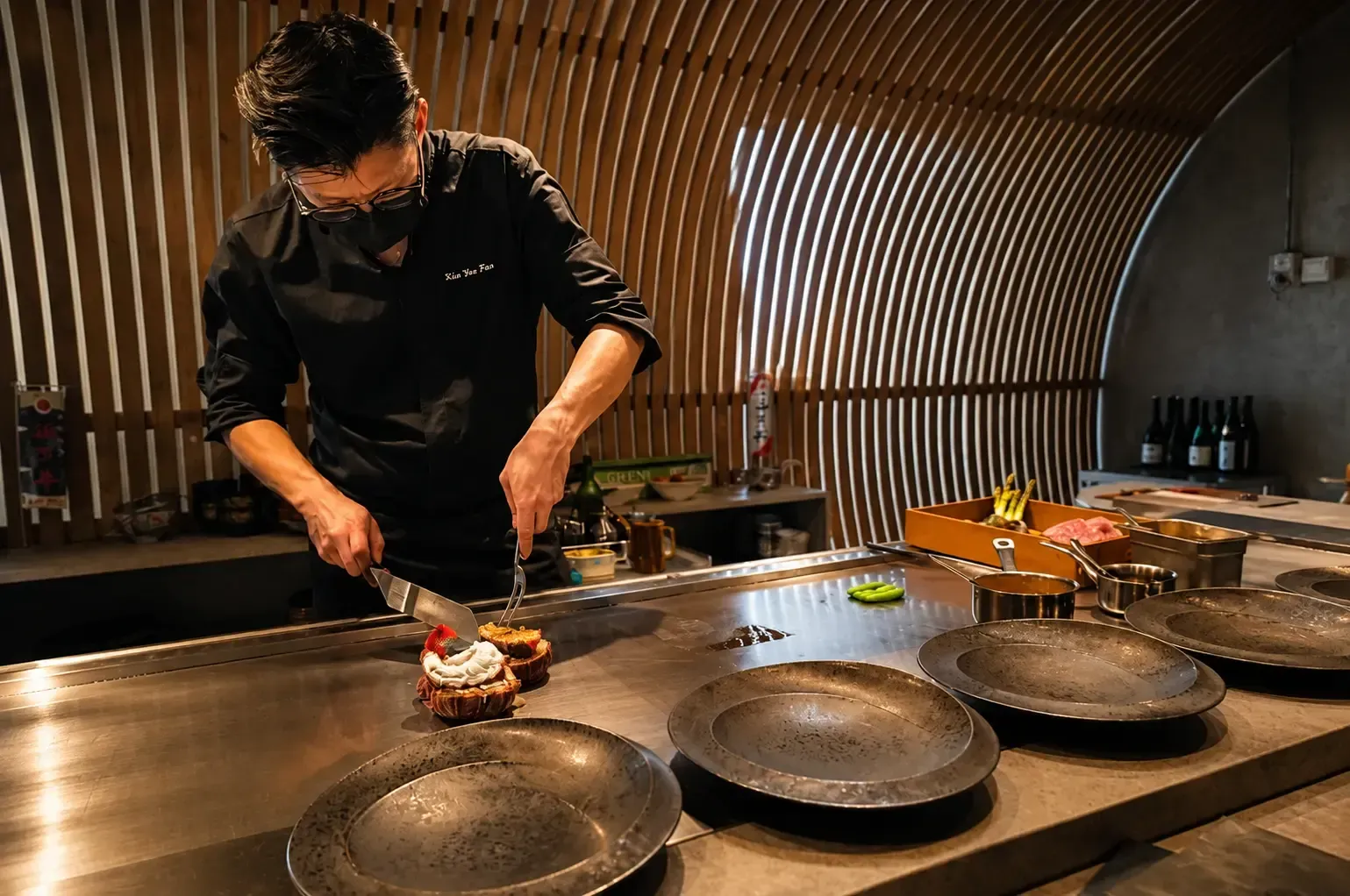
A masked chef plated dishes over a sleek stainless steel teppanyaki flat-top grill.

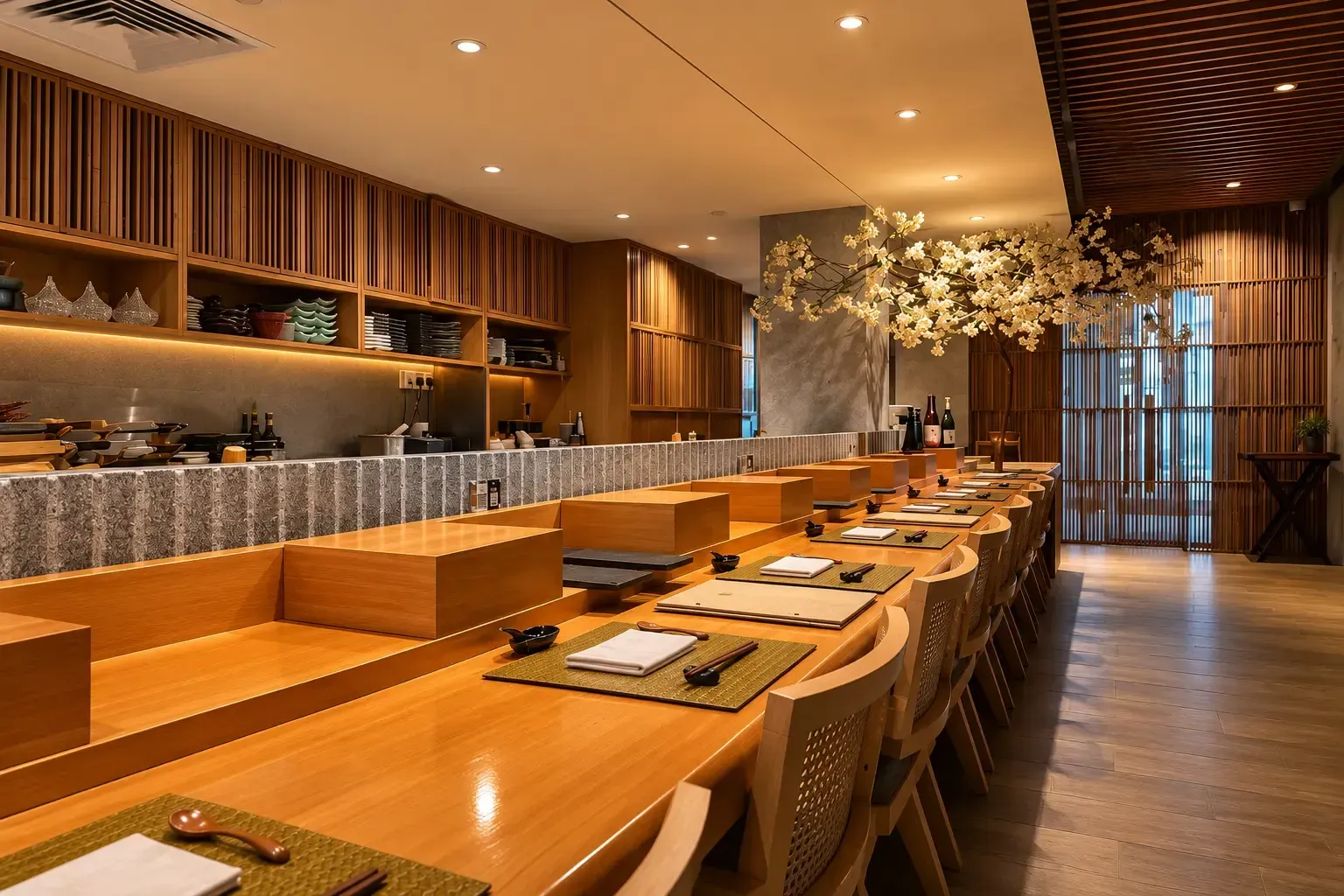
The interior of Miyoshi by Fat Cow blends contemporary design with nods to Japanese tradition. Warm wooden counters, subtle lighting, and the open kitchen give diners a view of every culinary decision. The mess hall concept at Sentosa allows the restaurant to maintain an approachable vibe while still delivering premium Japanese cuisine featuring ingredients such as black sesame tofu and dishes enhanced with black sesame paste.


Every bowl reflects the latest modern Japanese restaurant trends without losing the fundamentals: noodles with resistance, broths layered with umami dashi and bonito soup, and toppings that surprise with yuzu butter madai or straw smoked Hokkaido scallops. The use of vegetable oil in stir fried preparations adds richness and balance. For me, each bite became an exploration in texture and flavor, and it’s easy to see why Miyoshi by Fat Cow reviews consistently highlight the playful contrasts and bold culinary choices, including the delicate shredded vegetables that accompany many dishes.

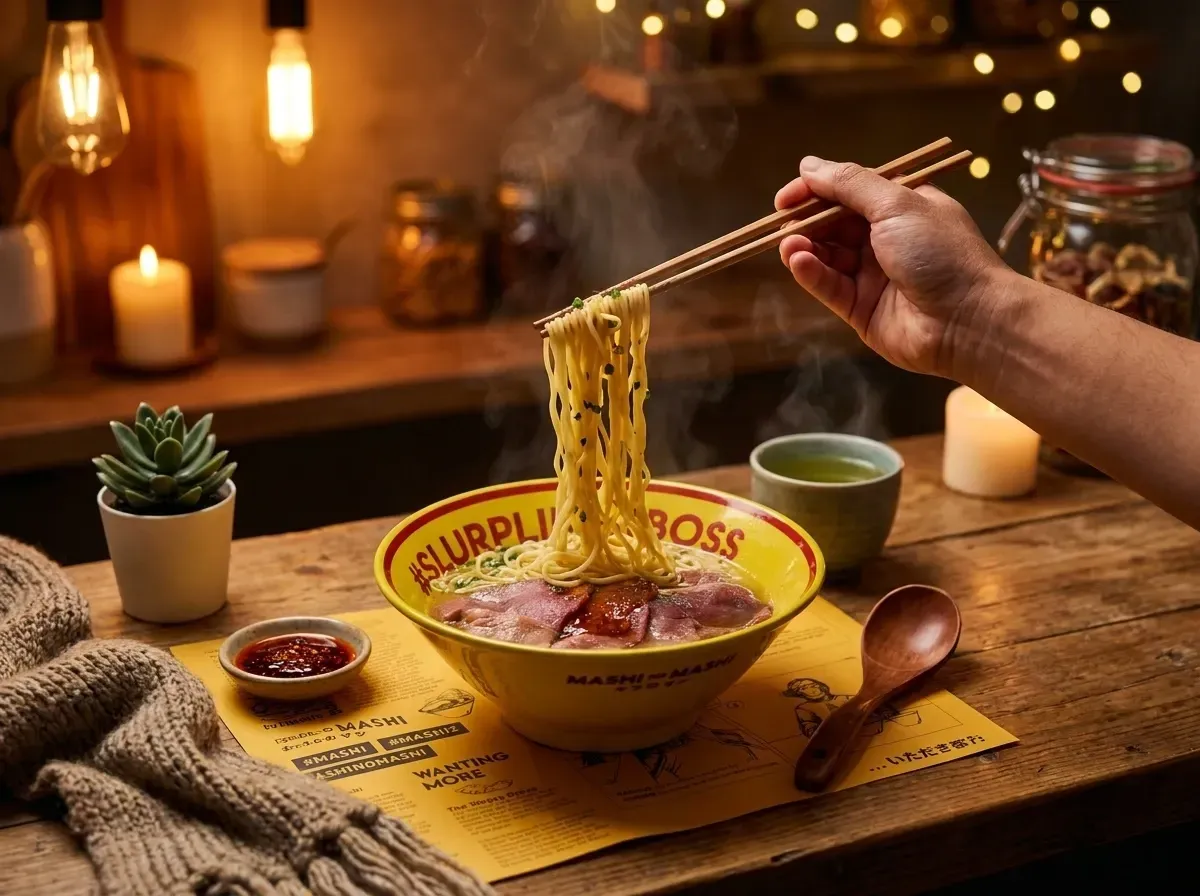
A hand lifts steaming noodles with chopsticks from a yellow wagyu beef ramen bowl on a rustic wooden table, surrounded by warm candle lighting and a cozy dining atmosphere.

Signature Ramen and Teppan Highlights

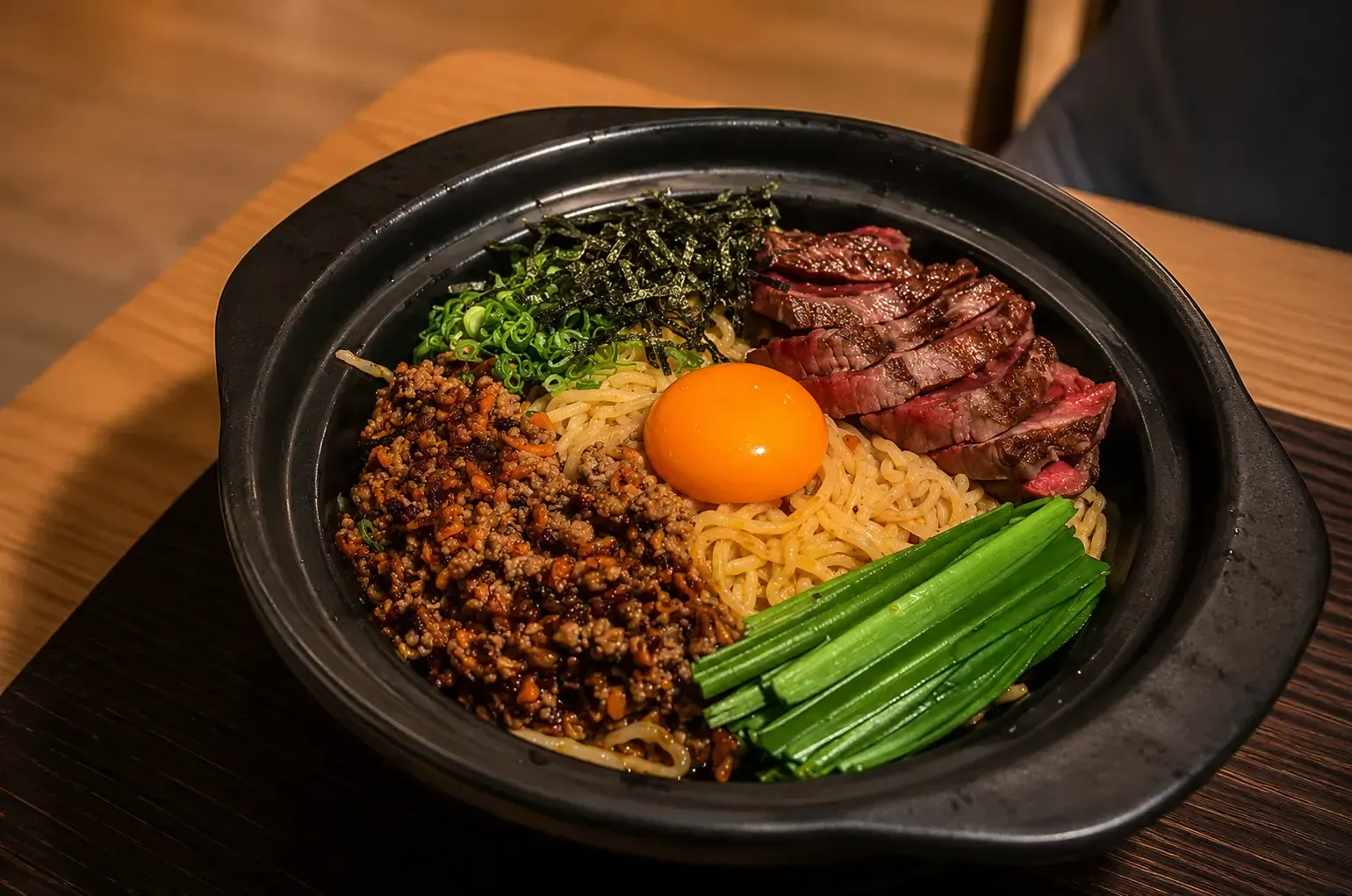
Hot pot ramen topped with sliced grilled wagyu beef, minced meat, chives, and a raw egg yolk.

The wagyu shoyu ramen arrived first, steaming with layers of aroma. The broth was savory and complex, a delicate balance that complemented the wagyu tartare and finely shredded green asparagus. The noodles held a springy texture, perfectly resisting each bite. Next came the uni soba, where the creamy richness of uni paired with lightly dressed noodles in soba sauce was both indulgent and balanced.


On the teppan side, dishes like teppan-style sukiyaki and minced wagyu ankake sauce were executed with precision. Each element, from garlic chives to yuzu-infused sauces, contributed to a cohesive palate experience. The inclusion of ingredients such as shishito pepper and a touch of black pepper elevated the flavor profile. Chloe-style observations immediately popped into my mind: the contrast of flavors, the way crispy textures met tender proteins, and how even small accompaniments like Japanese pickles enhanced the overall experience. 

Lunch and Dinner Dynamics at the Japanese Restaurant Miyoshi

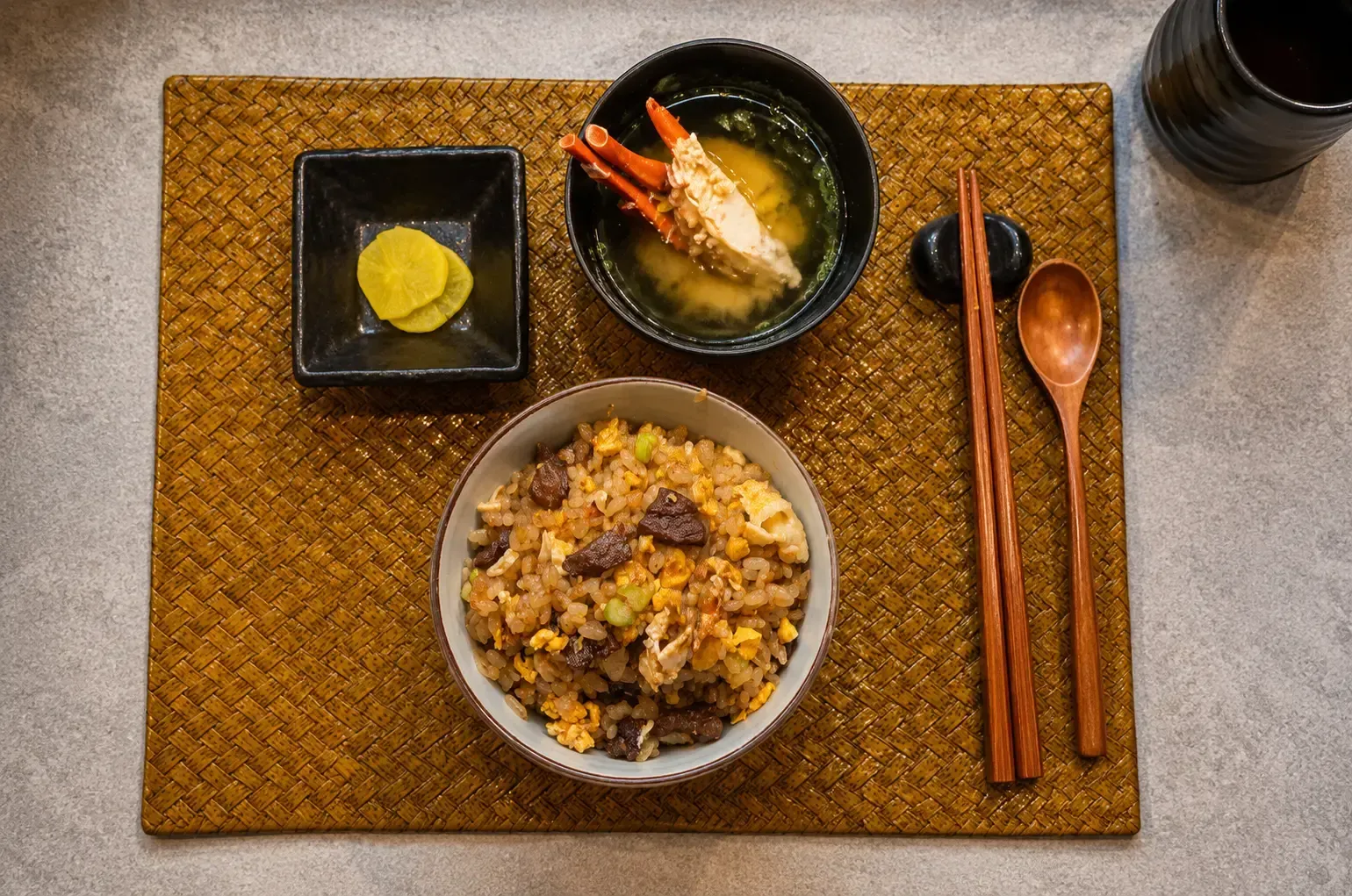
Overhead view of a fried rice bowl served with pickled radish and crab leg soup on a woven placemat.

Whether for a casual lunch or a more deliberate dinner, Miyoshi by Fat Cow offers flexibility. During lunch, the signature garlic rice and lighter bowls like mega chicken karaage don allow for a satisfying yet quick meal. Dinner introduces full teppan kaiseki courses and omakase-inspired dishes, giving diners a chance to savor complexity in a relaxed setting.


Watching head chef Shingo Iijima orchestrate the counter during dinner was a lesson in rhythm: ingredients flowed from prep to plating with precision, and diners moved along naturally, pausing to savor each flavor. The menu often features seasonal fruits and premium items like steamed abalone and korean abalone, reflecting a commitment to quality and variety. It’s this balance that makes the restaurant both approachable and elevated—a rare combination on Sentosa Island.

A Taste of Omakase

Long wooden counter seating in a modern Japanese dining room adorned with a cherry blossom tree.

While the ramen forms the heart of the menu, Miyoshi by Fat Cow also offers a concise omakase experience. The premium seafood selections, including hokkaido scallops and yuzu butter madai, are paired with carefully curated sake and seasonal ingredients. The pace encourages diners to appreciate each course while also providing a gentle introduction to the artistry behind Japanese omakase. The seafood, often imported directly from Toyosu Market, includes delicacies like bonito soup and black truffle sauce served dishes that highlight the bedrock origin of Japanese culinary traditions.


For those exploring omakase Singapore places, this section of the menu is a perfect starting point. It bridges the casual familiarity of ramen with the mindful approach of chef-curated courses, giving a taste of both worlds. The experience is enhanced by Commonwealth Concepts integrating traditional and contemporary techniques, and the celebrated Three Graces philosophy of balance, harmony, and refinement. You can click here to explore more omakase options in Singapore.

Observations on Flavor and Technique

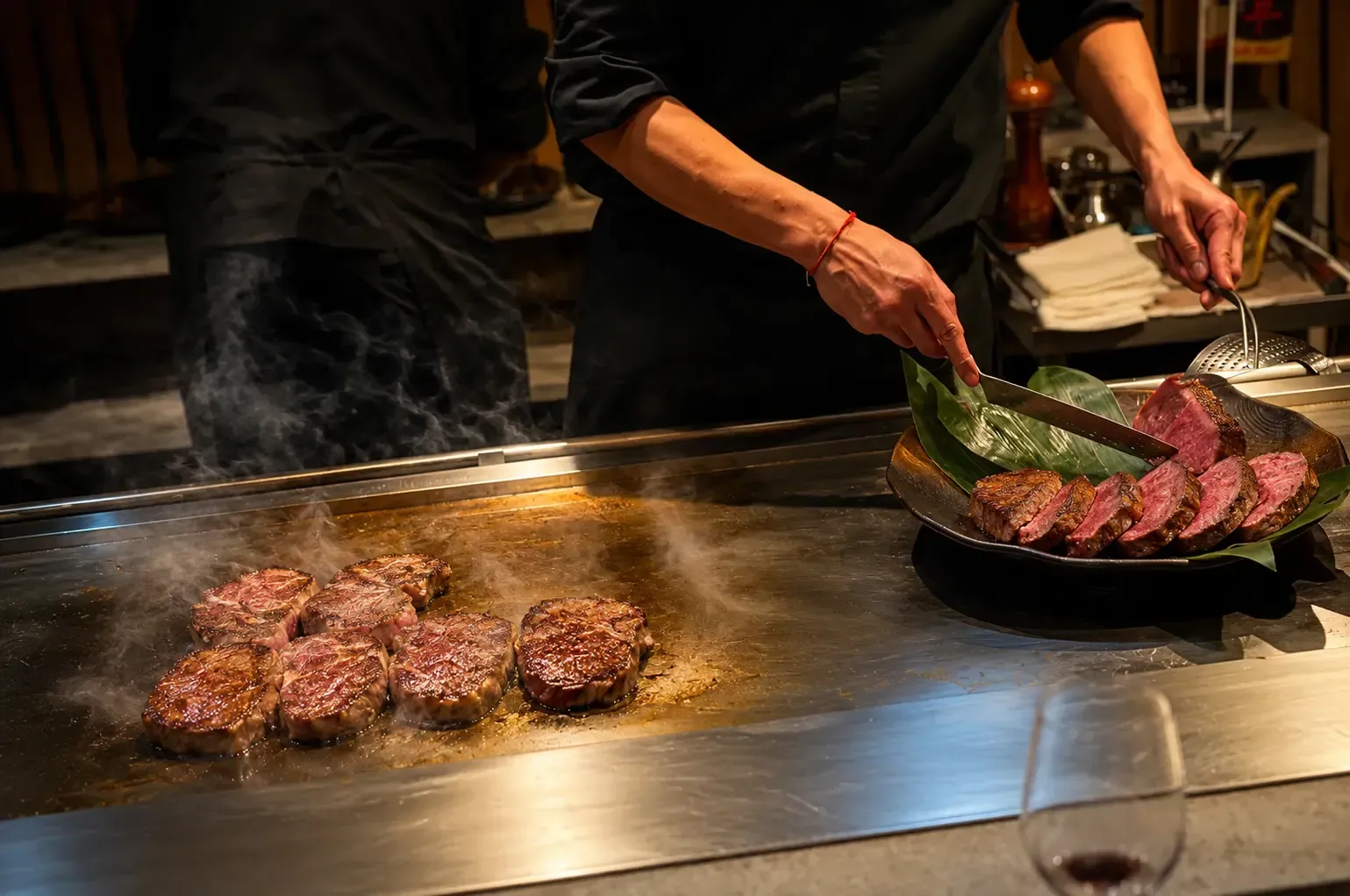
Chef searing thick-cut wagyu beef steaks on a smoking flat-top grill next to sliced cooked steak.

Every dish highlighted the forward palate approach that Chloe admires. From the straw smoked Hokkaido scallops to the wagyu kinome yaki, textures and temperatures were considered with purpose. Even minor details—the gloss on grilled maitake mushrooms, the gentle salt on sea bream, or the drizzle of white truffle sauce served—made a tangible difference in experience.


The open kitchen allowed me to watch sous chef Nigel Loh manage each plate, demonstrating how precision and timing shape flavor perception. The use of black sesame paste and the subtle heat from shishito pepper added layers of complexity. It’s a reminder that great ramen or teppan cuisine isn’t just about ingredients; it’s about orchestrating a sequence of sensory experiences that celebrate the best of Japanese culinary artistry and premium beef offerings.

Location and Ambiance:

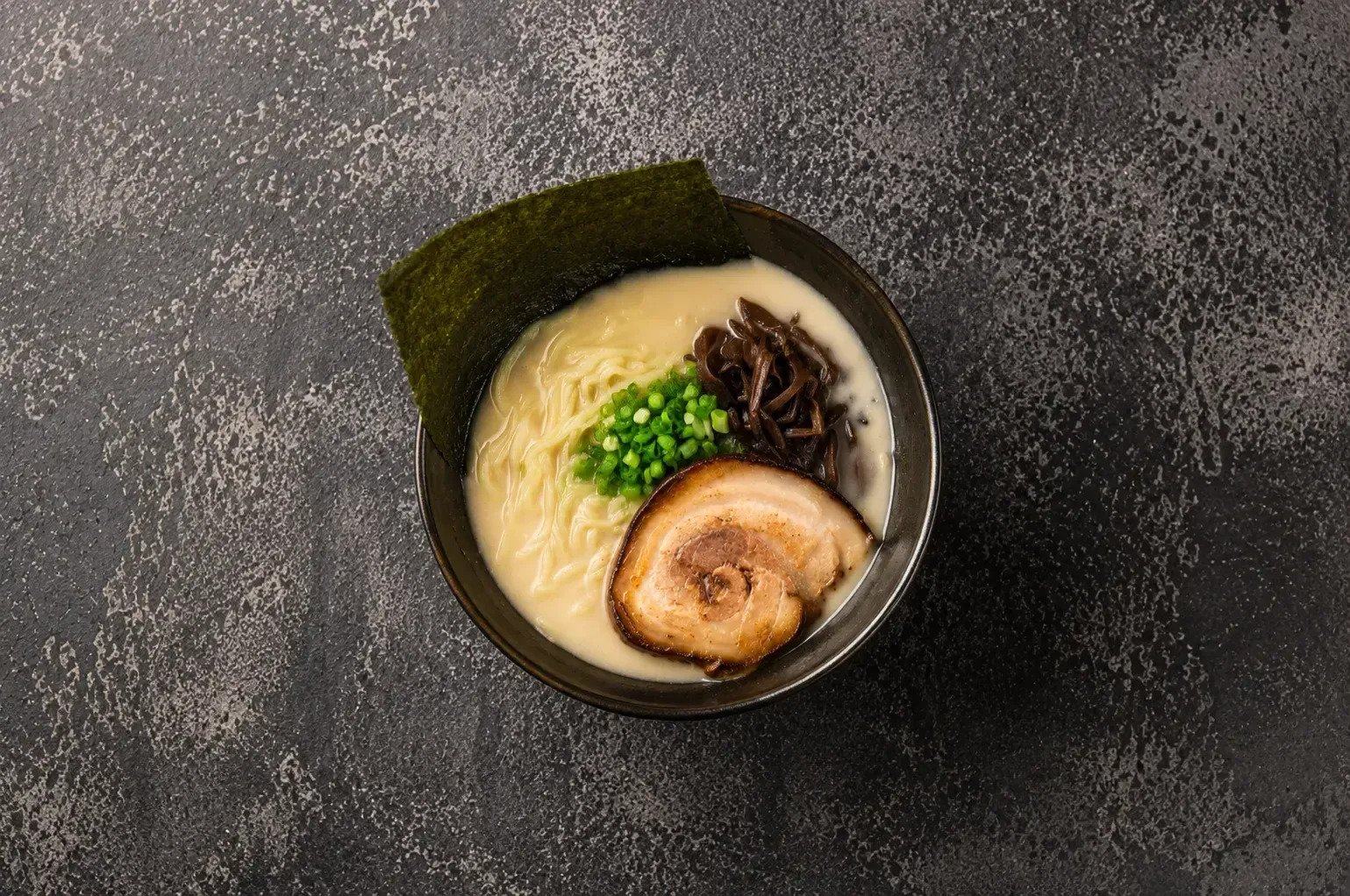
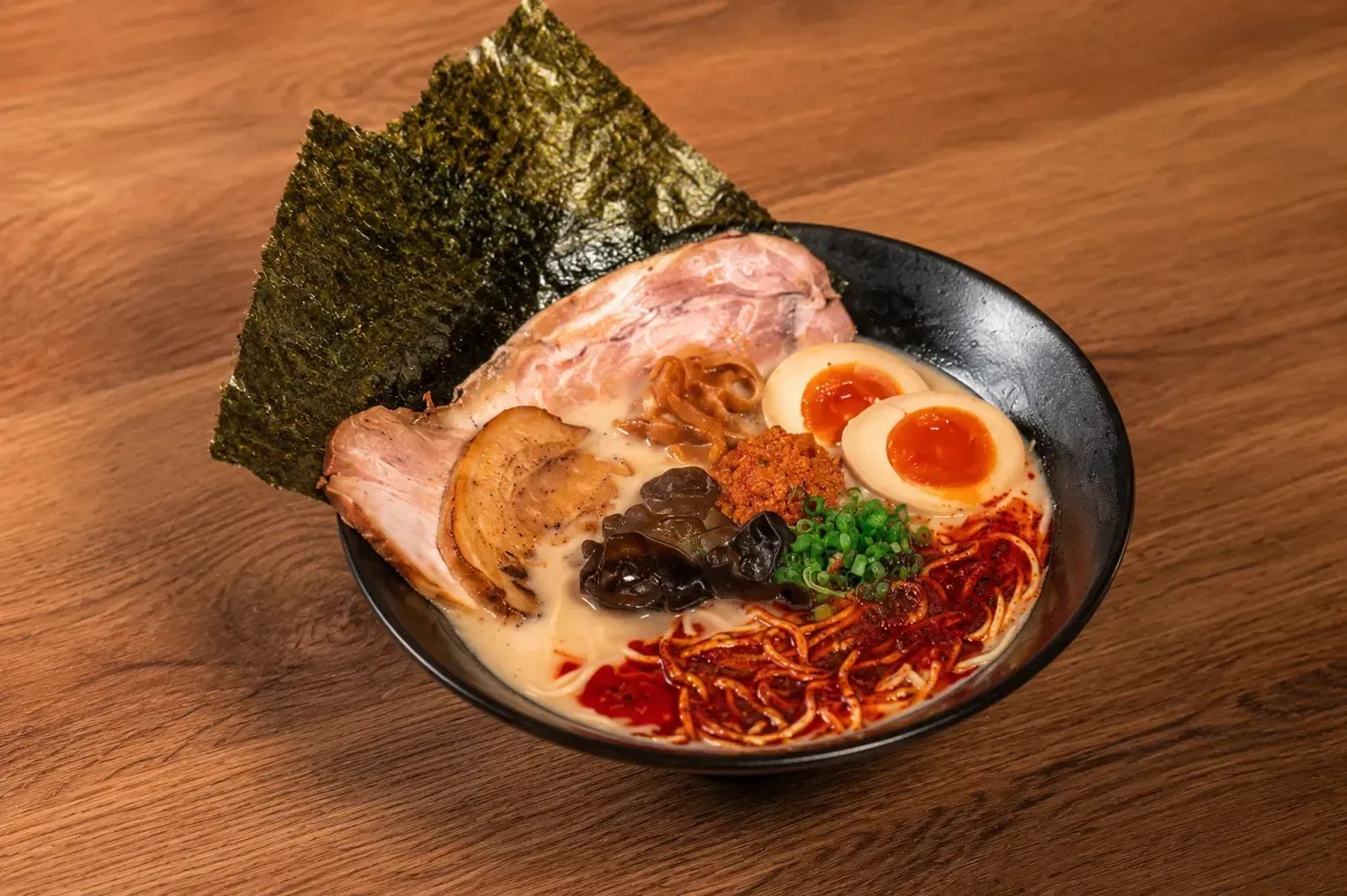
A bowl of spicy ramen in a dark bowl, topped with double chashu pork slices, soft-boiled egg halves, wood ear mushrooms, green onions, and a sheet of nori seaweed over a rich, reddish chili oil broth.

Situated at 2 Gunner Lane 01 04 05 06 Mess Hall in Sentosa, Singapore 099567, Miyoshi by Fat Cow offers a tranquil oasis dining experience away from the bustling city. The colonial-style setting of the mess hall provides a spacious yet intimate atmosphere, perfect for those seeking an elevated experience in Japanese cuisine. Its prime location on Gunner Lane 01 04 05 06 makes it easily accessible for both locals and tourists, especially during public holidays when the area buzzes with visitors.


The restaurant’s design incorporates natural elements and subtle lighting to reflect the peaceful Sentosa environment, enhancing the overall dining journey. Whether you’re indulging in teppanyaki, savoring the wagyu sawani wan, or enjoying the last savoury course, the serene ambiance complements the exquisite flavors.


For reservations or inquiries, visitors can reach out directly at the 05 06 Mess Hall location.

Practical Takeaways for Diners

  • Timing matters: Visit during off-peak hours for a more relaxed counter experience.
  • Explore the menu: Don’t skip signature bowls like wagyu shoyu ramen or uni soba.
  • Savor small dishes: Appetizers like fresh spring rolls or steamed egg custard prepare the palate for heavier courses.
  • Check for omakase: Even a short omakase section enriches the dining experience.
  • Reservations: Recommended, especially for dinner teppan kaiseki sessions.
  • Observe the kitchen: Watching the team enhances appreciation of Japanese dining experiences.


For those interested in exploring more Japanese dining styles, you can also discover the unique fusion of ramen and izakaya culture in Singapore by visiting this detailed guide on Japanese izakaya dining experiences.

Recent Posts

A hot bowl of ramen topped with chashu pork slices, broth, and chopsticks at a wooden dining counter
By Best Ramen Team July 24, 2026
A first-person reflection on richness in ramen, and when a heavy bowl stops comforting and starts to overwhelm.
Cozy Japanese dining counter lined with photos of menu items, decorative fans, and hanging fishing.
By Chloe C.L July 23, 2026
Japanese ramen restaurants in Singapore worth sitting down for, from rich tonkotsu to lighter chicken broths, with prices and honest notes.
A bowl of Japanese ramen with soft-boiled egg and green onions, with chopsticks lifting a slice.
By Best Ramen Team July 22, 2026
A first-person reflection on what makes great chashu, from fat-to-meat balance to how the pork talks to the broth and noodles.
Front exterior view of a warmly lit Japanese restaurant named
By Jillian Garzia July 20, 2026
A first-person Ramen Hitoyoshi review, from rich tonkotsu broth to springy handmade noodles, with honest notes and practical tips.
A steaming bowl of ramen on a wooden counter inside a warmly lit, cozy Japanese noodle bar on a rain
By Best Ramen Team July 17, 2026
Should ramen taste like Japan, or feel right where it's served? A reflection on authenticity, tradition, and what truly makes a good bowl.
Exterior view of a Ramen Nagi restaurant entrance inside a mall, featuring a large lit wall menu.
By Chloe C.L July 16, 2026
A first-person review of Ramen Nagi ION Orchard, from its rich tonkotsu broth and firm noodles to the joy of customising your bowl.