Seoul Ramen Tour: A Weekend Getaway in Seoul's Noodle Districts
Forget everything you think you know about instant noodles in a paper bowl. We’re going to Seoul, a city where the noodle game is on a whole other level. While Japan often gets the global spotlight for ramen, South Korea has cultivated its own dynamic and fiercely competitive ramen culture. Here, tradition and innovation collide in steaming bowls of comfort.
For a noodle lover, a Seoul ramen tour is a pilgrimage. It’s about more than just food—it’s a journey through buzzing neighborhoods, a taste of local life, and an exploration of how a Japanese classic has been adopted and transformed by Korean culinary passion. I’ve spent countless hours slurping my way through the city, and the discoveries are endless.
So, pack your loosest pants, a
T-Money cardfor public transport, and an adventurous appetite. Seoul’s efficient and extensive public transportation system makes getting around the city easy for ramen seekers, no matter where you stay. This is your 48-hour, action-packed itinerary for a ramen-fueled getaway through Seoul’s most delicious noodle districts.
Introduction: Seoul’s Noodle Obsession
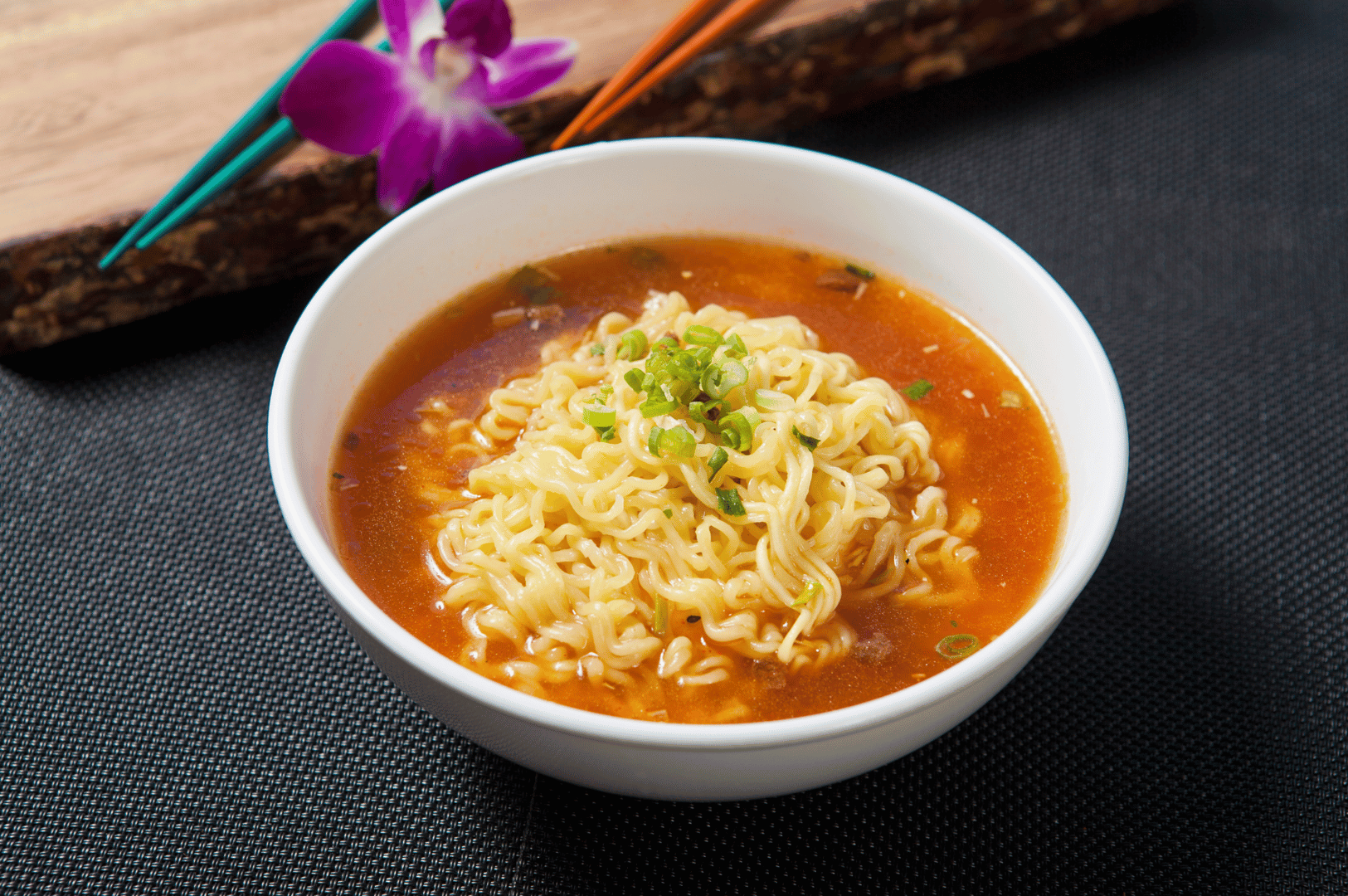
Step into Seoul, and you’ll quickly realize this city is absolutely obsessed with noodles—especially Korean instant noodles. From the neon-lit streets to the cozy corners of most convenience stores, the savory aroma of
ramyeon is everywhere. In South Korea, instant noodles aren’t just a quick meal; they’re a beloved part of daily life, celebrated for their bold flavors, creative toppings, and comforting warmth. Whether you’re craving the fiery kick of Shin Ramyun or the creamy richness of cheese powder melting over springy noodles, there’s a bowl for every mood and moment. Seoul’s restaurants, convenience stores, and even quirky destinations like the
Ramyun Library offer endless ways to enjoy this iconic Korean food. In this guide, we’ll take you deep into the heart of Korea’s noodle culture—exploring the history, the must-try dishes, and the best spots in Seoul to savor every slurp.
Noodle Culture and History
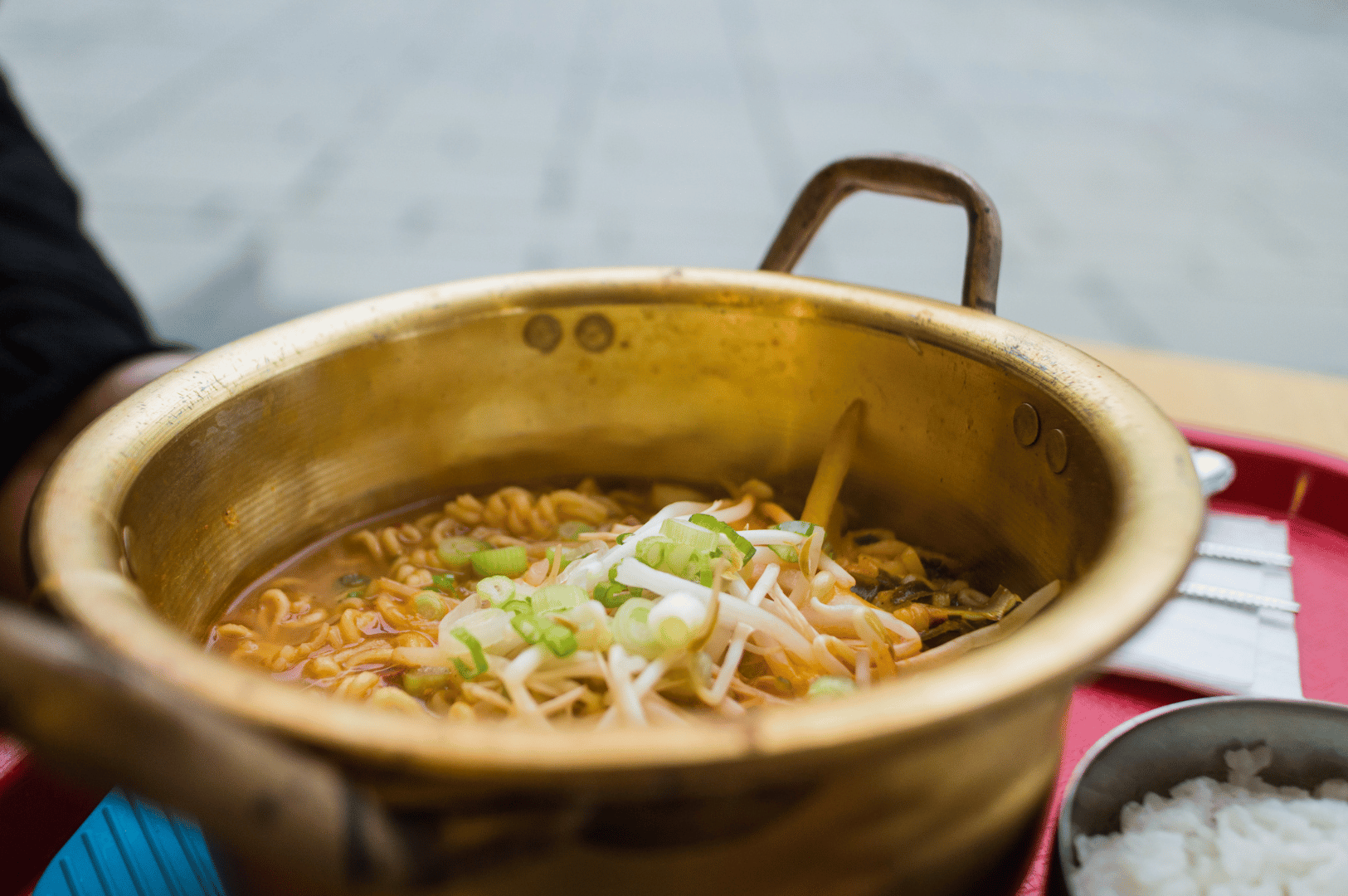
The story of Korean instant noodles begins in the 1960s, when the first ramyeon packets hit the shelves and quickly became a staple in Korean kitchens. Over the decades, these noodles have evolved far beyond their humble beginnings, now boasting a dazzling array of flavors and ingredients that reflect Korea’s adventurous palate. Today, instant noodles are more than just a quick bite—they’re a social experience. It’s common in Korea to gather with friends or family, cook up a pot of noodles, and share side dishes like kimchi or crispy fried chicken. This communal spirit is at the heart of Korean food culture, turning a simple meal into a shared celebration. For those eager to explore, the
Ramyun Library is a must-visit. Conveniently located near hotspots like
Hongdae and
Jamsil Hangang Park, this unique venue lets you browse, cook, and taste a world of instant noodles all in one place. Whether you’re a seasoned noodle fan or a curious traveler,
Seoul’s noodle culture invites you to eat, explore, and discover just how much
joy a bowl of ramyeon can bring.
Seoul Ramen Tour: A 48-Hour Itinerary
Day 1 focuses on Hongdae and Gangnam—where tradition meets trendsetting. Day 2 takes you to Hyehwa and Konkuk University, hubs of artistry and innovation. These neighborhoods are not only famous for ramen but also offer a range of hotels for every budget, making it easy to find suitable accommodations during your stay. Along the way, you’ll also experience Korea’s own noodle traditions and quirky ramen culture.
Your journey through these
buzzing neighborhoods isn’t just about food—between ramen stops, you can explore vibrant
shopping districts that showcase
Seoul’s modern retail scene and unique
local markets.
Day 1: Tradition and Trendsetting
Morning in Hongdae
Hongik University and the surrounding streets are the heart of youth culture. By day, quirky cafés and indie fashion fill the alleys; by night, the nightlife pulses. Ramen shops thrive here because the competition is intense—only the best survive. Many top ramen shops are within walking distance of each other, making it easy to sample several in one visit.
Getting There: Take Seoul Subway Line 2 to Hongik University Station. Hongdae is located in Mapo-gu, a trendy district known for its youthful energy and vibrant food scene. It’s conveniently linked to the Airport Railroad from Incheon International Airport, making it a perfect first stop after you land.
First Stop: Butanchu Ramen
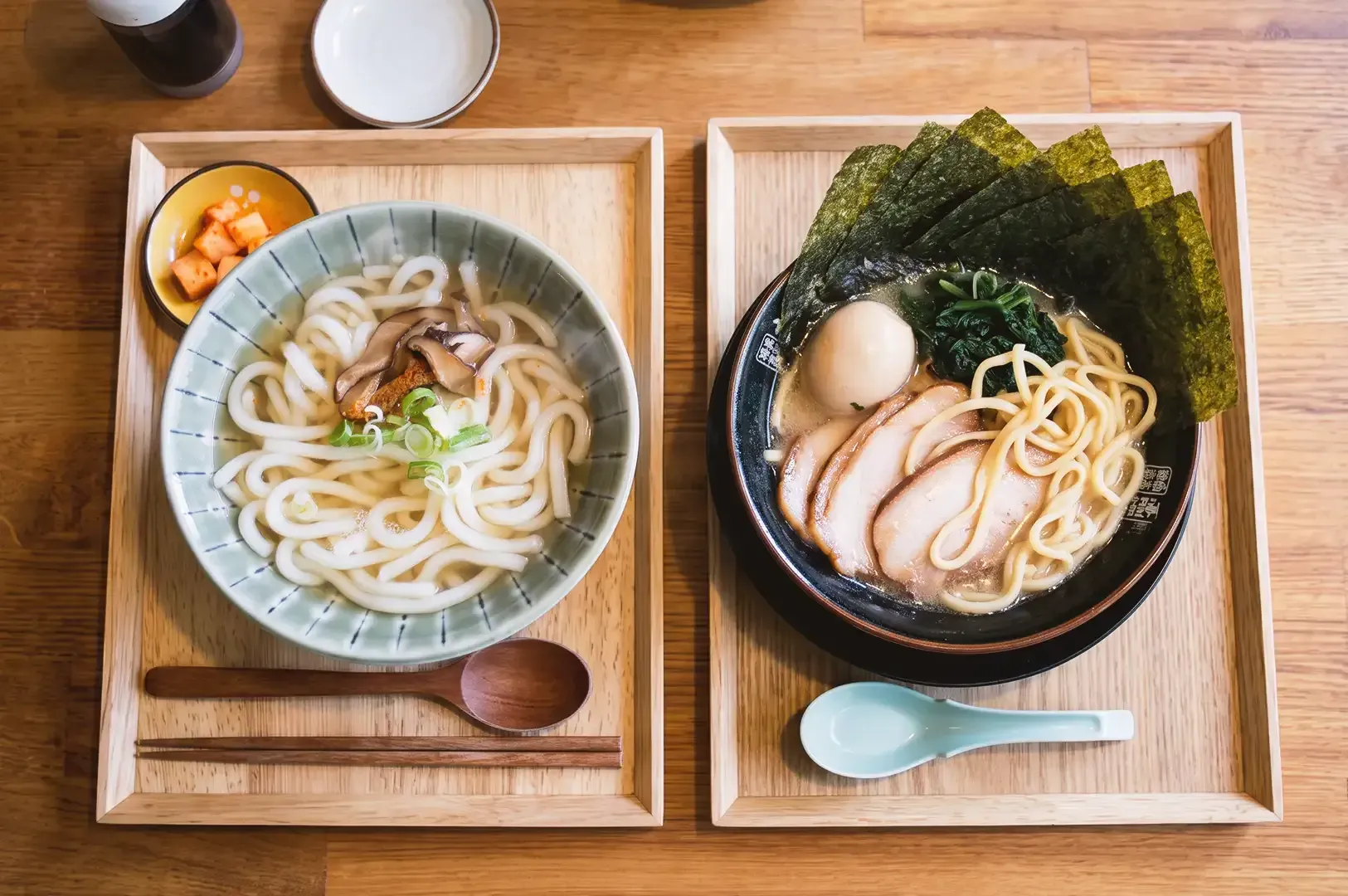
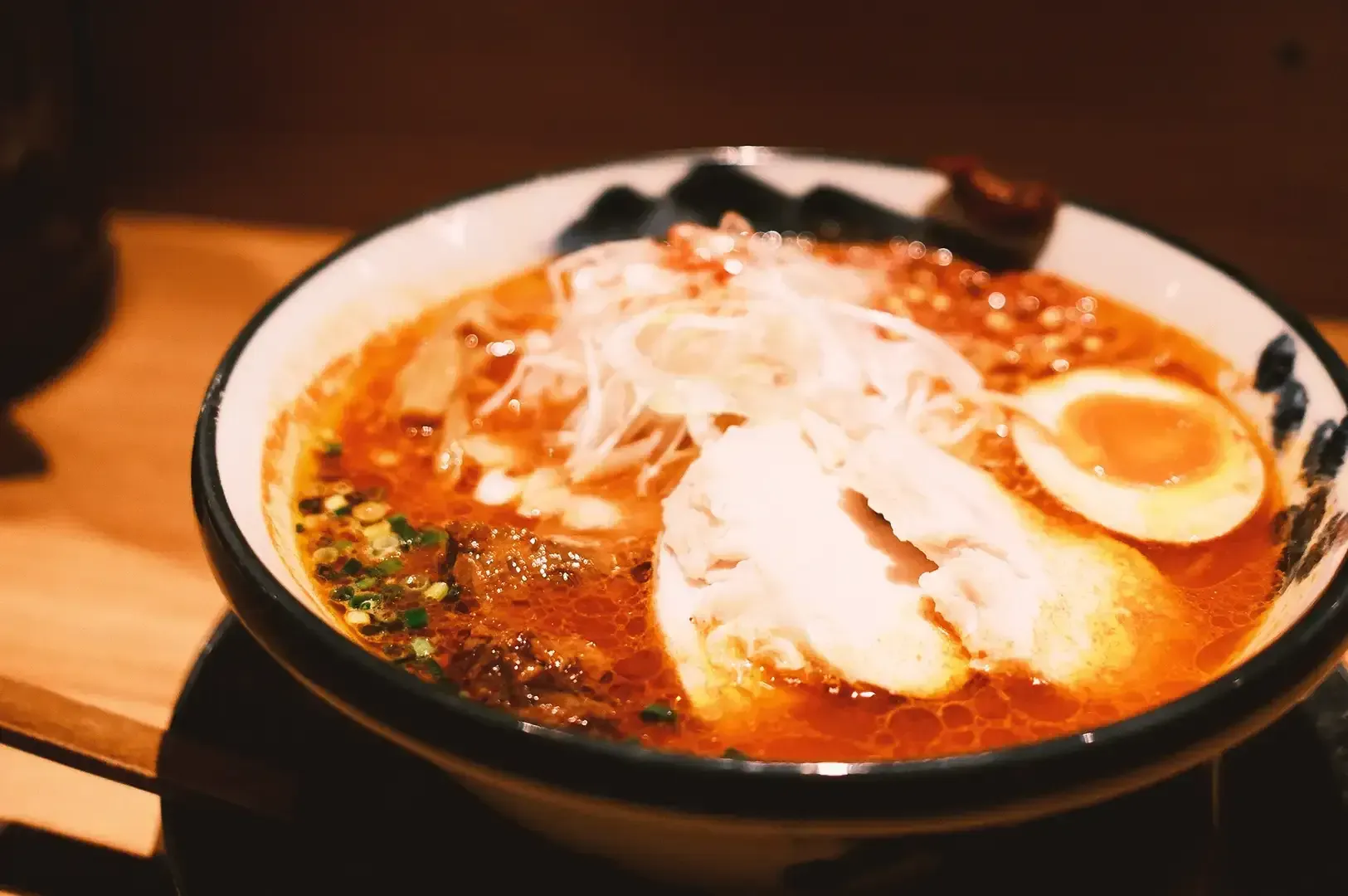
This Kyoto import is a local legend for its rich tonkotsu broth. Step inside and you’re hit with the savory taste of long-simmered pork bones.
What to Order: Tokusei Tonkotsu Ramen with firm noodles and rich broth. Add an egg or green onion for a small extra cost.
Personal Experience: The first time I ate here, I joined a line that stretched around the block. When I finally sat down, the pork chashu practically melted in my mouth, while the side dishes like kimchi reminded me I was still in Korea.
Price Range: ₩9,000–₩12,000.
Afternoon & Evening in Gangnam
Cross the Han River to Gangnam, a district known for sleek shops, vibrant nightlife, and refined food.
Afternoon Snack: Aori Ramen
Aori Ramen, founded by a K-pop star, is known for its solo dining booths and quick service. Ordering happens at a kiosk near the cash register—fast and efficient.
What to Order: Aori Ramen Lite, a cleaner tonkotsu perfect for the afternoon. Pair it with a drink selection of Korean soda or iced tea.
Dinner: Mendo Mukau (멘도무카우)
Mendo Mukau in the Hongdae–Hapjeong area offers a sleek take on ramen dining.
What to Order: Go for the Shio Ramen, light yet deeply flavorful, or try their Tsukemen for a richer experience.
Insider Tip: Ordering happens via a kiosk near the entrance, and they primarily take card payments. It’s efficient, and you’ll have your bowl steaming hot within minutes.
Morning in Hyehwa (Daehangno)
The theater district of Daehangno, near Hyehwa Station, offers quieter charm.
Brunch at
Menya Sandaime
A beloved Japanese ramen shop in Hyehwa known for rich broths and generous portions.
What to Order: Tonkotsu Ramen or try their Tsukemen. Add chashu and green onions for fuller flavor.
Dining Etiquette: Arrive early if you can, as it gets busy. Eat politely and make room for others once you’re done.
Afternoon Exploration: Korean Instant Noodles
No trip to Seoul is complete without diving into the world of Korean instant noodles. These aren’t just a snack—they’re a cultural icon.
- Shin Ramyun: Perhaps the most famous, known worldwide for its spicy kick and rich, spicy sauce that coats the noodles.
- Buldak Ramen: Fiery hot chicken flavor with a cult following, featuring a signature spicy sauce that delivers intense heat.
- Sesame Ramen: A milder option, flavored with sesame oil and nutty seasoning, often complemented by a savory sauce for extra depth.
You’ll find them at every convenience store—GS25, 7-Eleven, or CU convenience store—often with hot water machines and add-on toppings like cheese, egg, or extra sauce. Eating ramen at a convenience store counter is an essential Seoul experience, especially after late-night exploring. For a true local touch, add rice to the leftover broth at the end—it's a popular way to finish the meal.
Subway stations are also convenient places to reload your T-money card before heading to the next ramen stop.
A Stop at the Ramyun Library
For a quirky cultural detour, head to the Ramyun Library, where racks of noodles showcase the evolution of Korean instant noodle culture. You can learn the history, explore different recipes, and even try regional variations. It’s ramen meets museum—perfect for food travelers.
Evening in Hwayang-dong (Konkuk University)
End your trip in Hwayang-dong, where experimental ramen thrives. At spots like Wo-gen Tsukemen, you can customize your bowl with various toppings, and some dipping sauces or broths offer a subtle sweet note that balances the heat, enhancing the overall flavor.
Farewell Dinner: Wo-gen
Wo-gen specializes in tsukemen (dipping noodles). Cold noodles are served with hot, intensely flavored broth—often spiced with Korean chili.
What to Order: Wo-gen Tsukemen with customizable toppings like cheese, bean sprouts, and sesame oil. The spice level can be adjusted, but go bold for the full Korean kick.
Best Time to Go: Around 5:30 PM, before the student rush.
Convenience Store Hacks
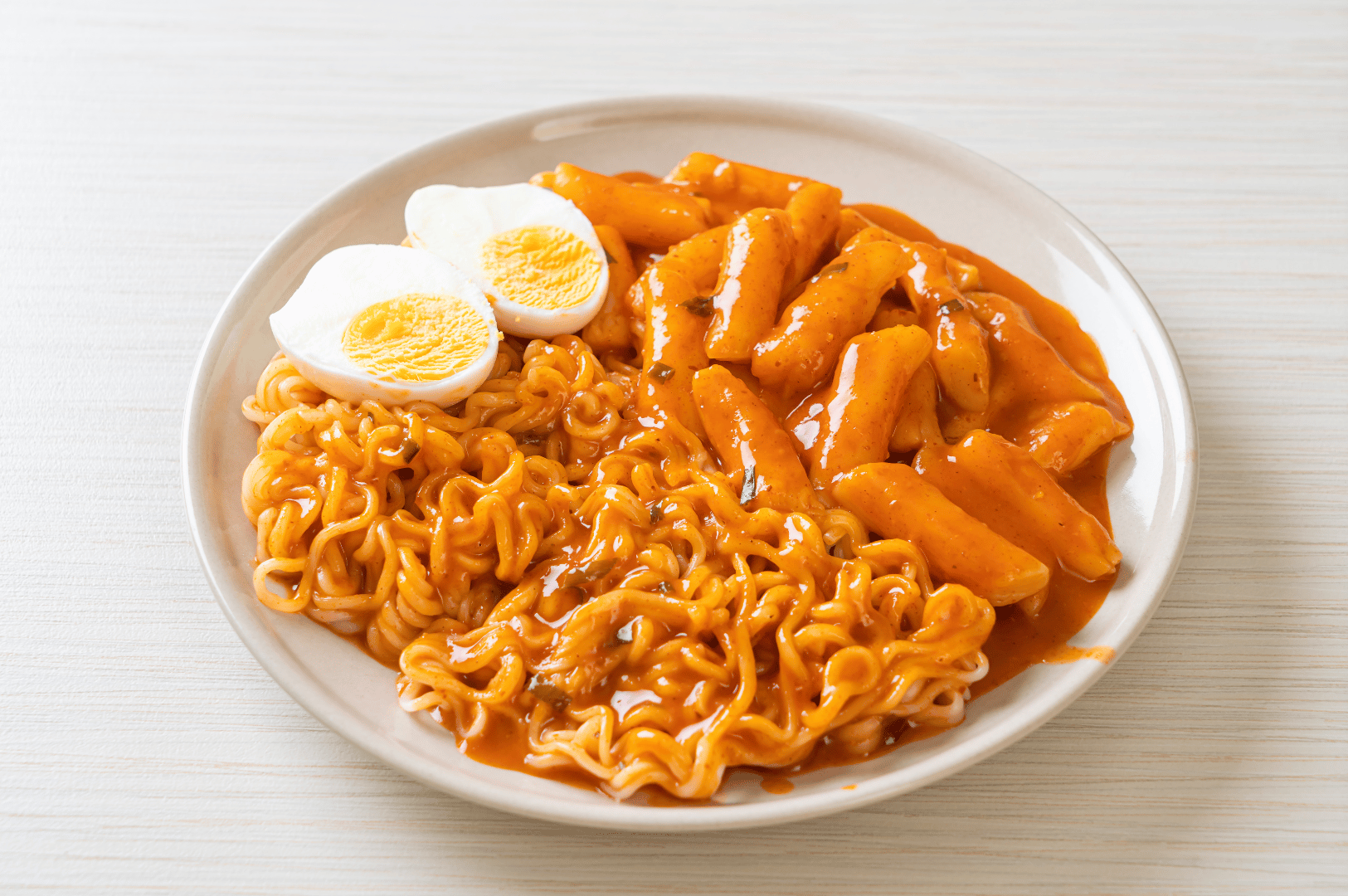
One of the most fun ways to eat in Seoul is at a convenience store. Most convenience stores are open 24/7 and double as casual eateries. Buy your instant noodles, cook them with the provided hot water, and enjoy at the counter with pickled side dishes, soda, or beer. You’ll find options from classic Shin Ramyun to extra-spicy Buldak Ramen. Add cheese or an egg for a creamy twist.
Personal Experience: Why Seoul Ramen Wins
As someone who’s eaten ramen across Japan and Korea, Seoul stands out because it blends tradition with creativity. Where else can you eat a refined bowl of chicken paitan one hour, and then share spicy buldak ramen out of a convenience store pot the next? It’s the mix of polish and playfulness that makes this city so exciting for noodle lovers.
Side Dishes & Pairings
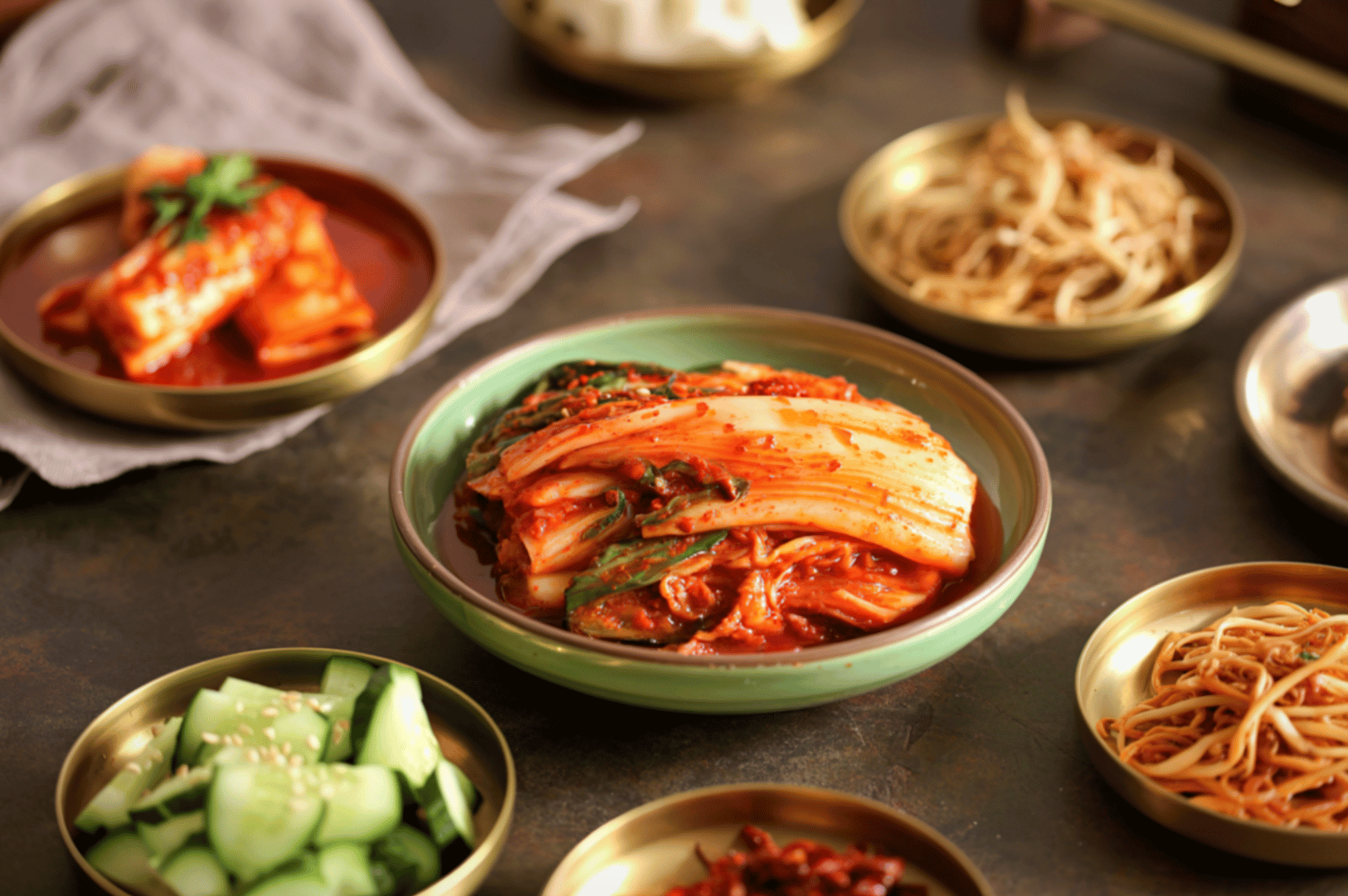
Korean dining is never complete without side dishes. Even ramen shops sometimes offer small plates of kimchi, pickled radish, or seasoned vegetables. If you’re eating instant ramen at a convenience store, pair it with triangle kimbap, dumplings, or even a pack of Korean fried chicken. These small touches turn a simple bowl of noodles into a full meal.
Drink Selection
Ramen can be salty and rich, so pairing it with the right drink makes a difference. At restaurants, opt for barley tea or
Korean craft beer. At convenience stores, try Korean sodas, yogurt drinks, or even soju if you’re winding down your evening. Many ramen shops also offer non-alcoholic options like green tea or sparkling water to balance the broth.
Final Thoughts
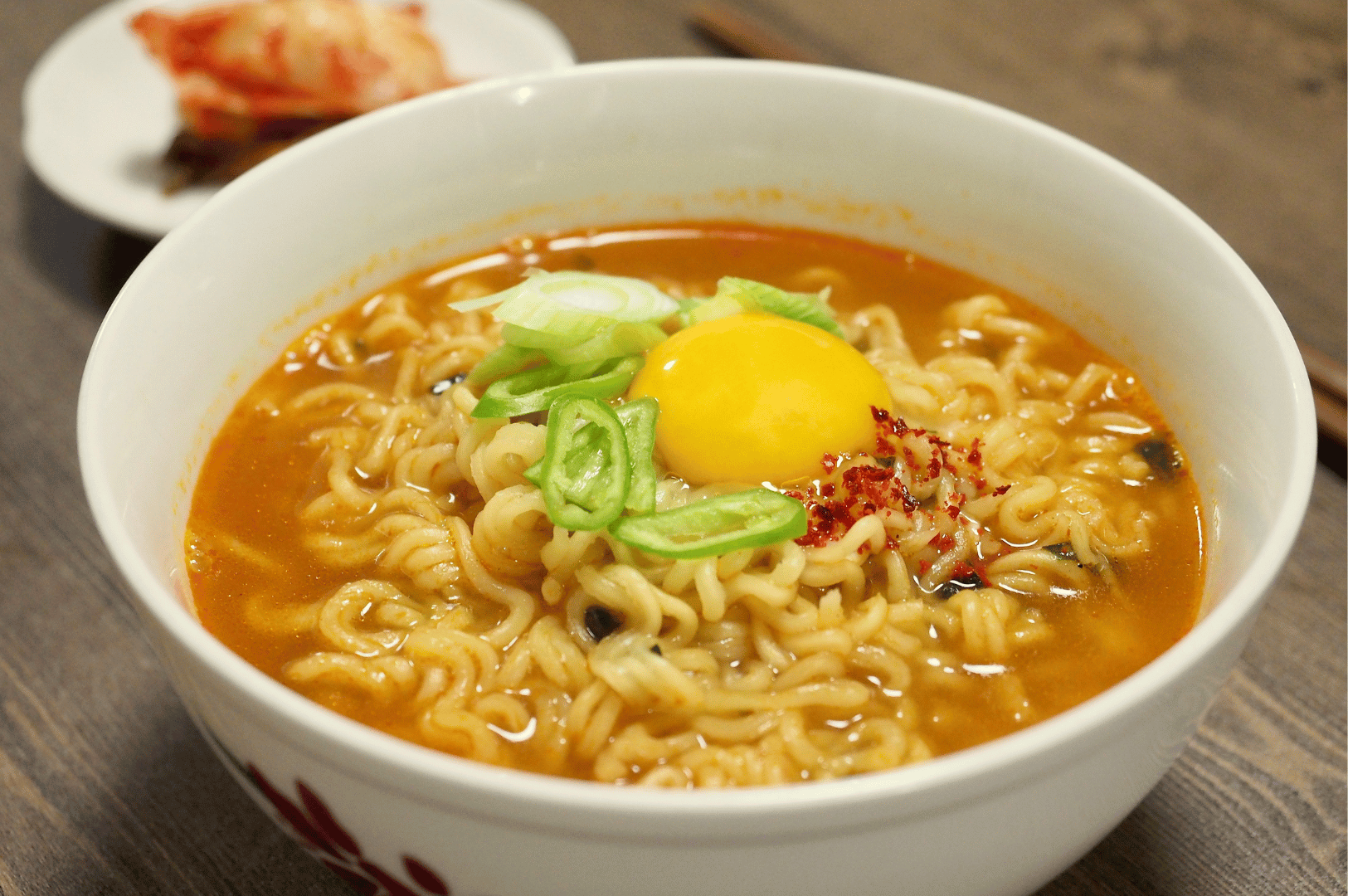
After 48 hours in Seoul, you’ll leave with a deeper appreciation for ramen’s place in Korean food culture. From long-simmered tonkotsu in Hongdae to fiery instant noodles in a CU, and from refined broths in Gangnam to creative tsukemen near Konkuk University, Seoul’s ramen identity is uniquely its own.
This itinerary is just a starting point. The real joy is wandering alleys, exploring convenience stores, and discovering your own favorite bowl. Whether it’s a late-night Shin Ramyun slurped on the spot or a carefully cooked paitan broth enjoyed with friends, Seoul proves again and again that ramen is more than a dish—it’s a cultural experience.
So book your flight, pass through
Incheon International Airport, and prepare to slurp your way across one of Asia’s most exciting food cities. For those eager to explore ramen beyond Korea, check out the
Global Ramen Expedition for a worldwide noodle adventure. Your next great bowl is waiting.
Recent Posts