Fermented Ramen Toppings: How They Balance Rich Broths
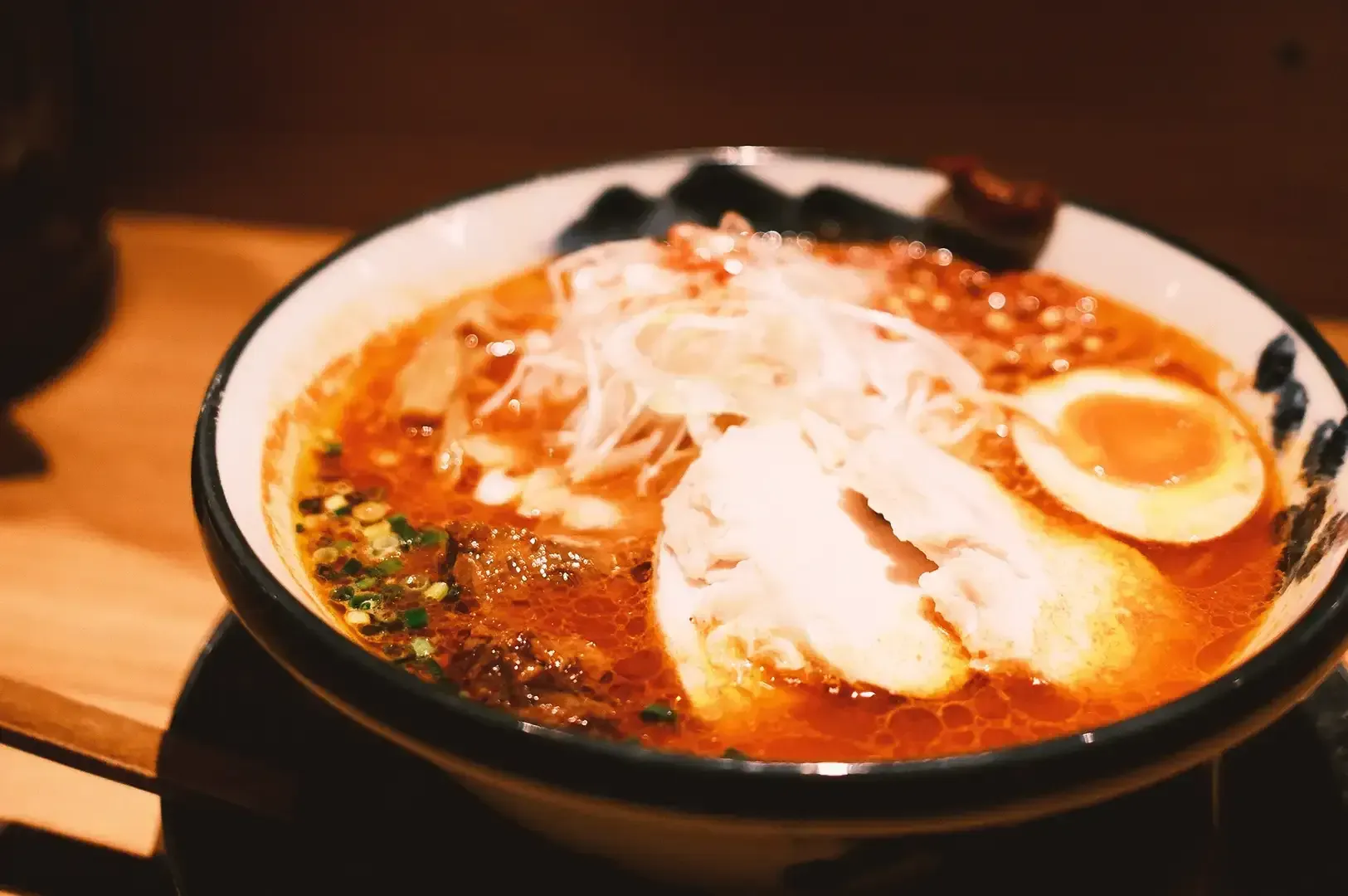
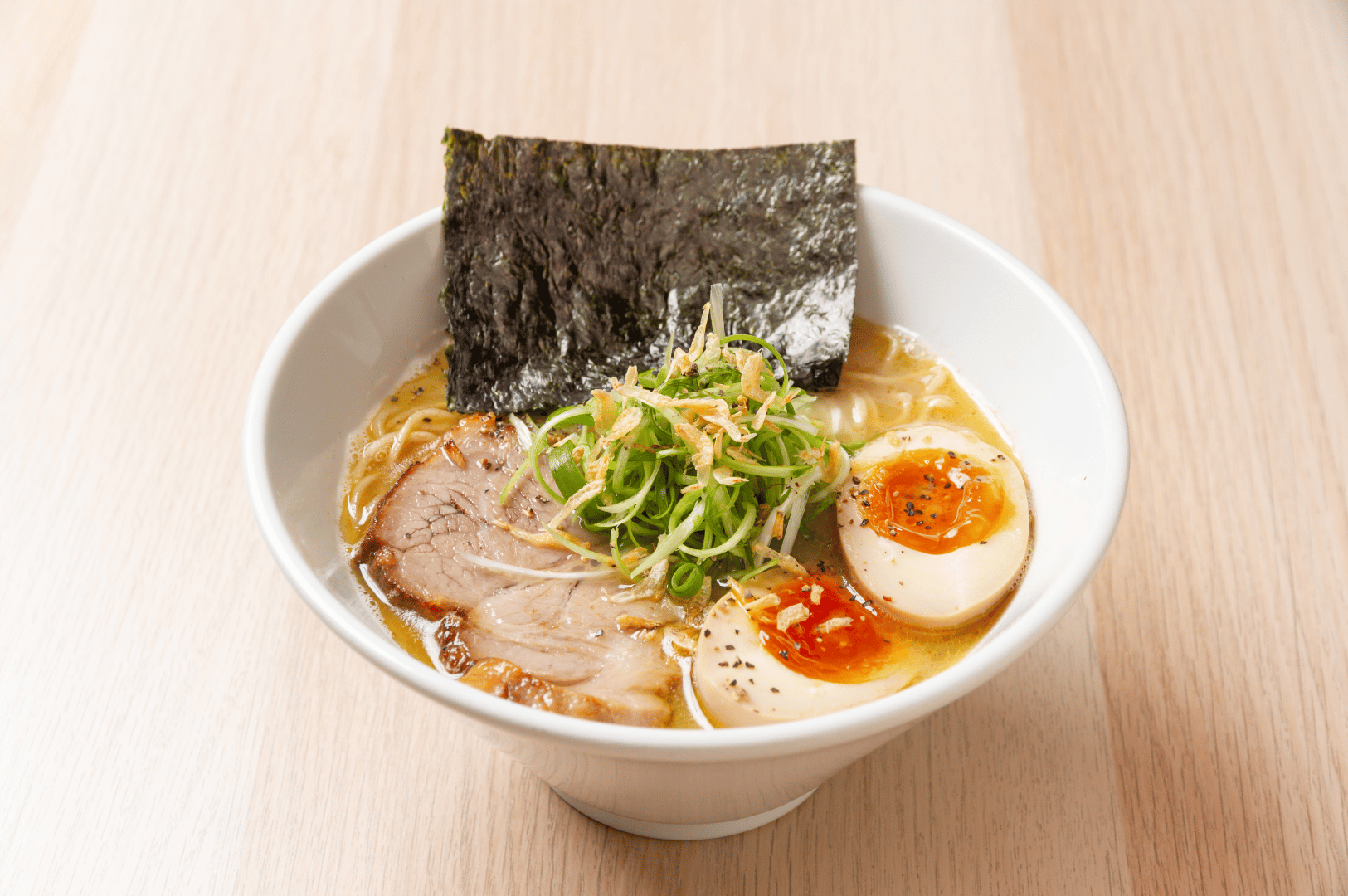
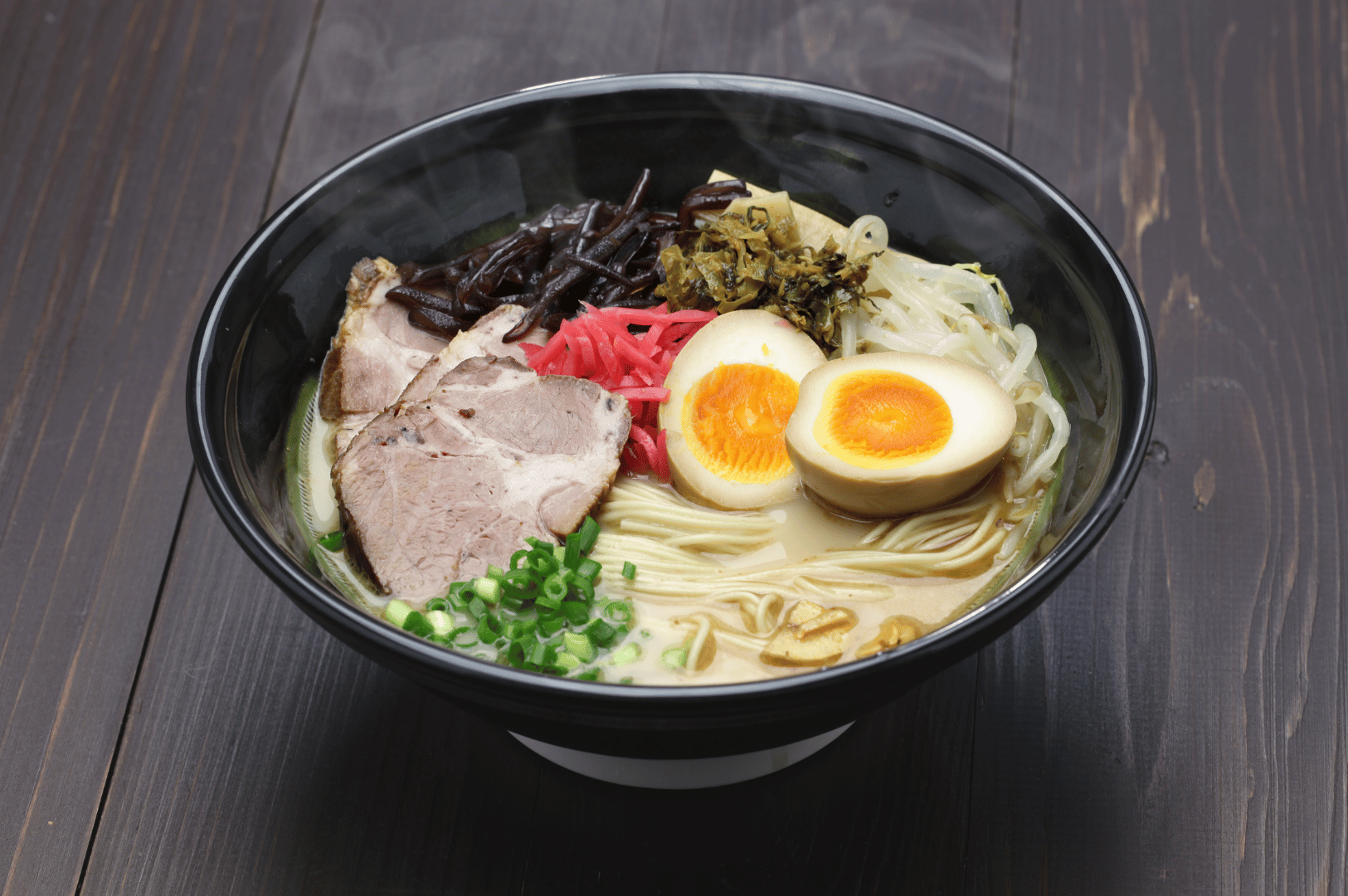
Imagine a deep, steaming bowl of tonkotsu ramen. The ramen broth is opaque, rich, and coats your spoon—a testament to hours of simmering pork bones and chicken bones. It’s a masterpiece of umami and fat, delivering a deep, savory umami flavor that forms the backbone of the dish. You take a sip, and it’s glorious. Then, you take a bite with a sliver of pickled ginger or a chewy strip of fermented bamboo shoots. Suddenly, a bright, acidic spark cuts through the richness, cleansing your taste buds and making the next sip of broth taste just as incredible as the first.
This isn’t an accident. It’s the genius of Japanese ramen, where small details transform a bowl from satisfying to unforgettable. These pickled or fermented ramen toppings are the unsung heroes—the acidic, crunchy, and sometimes spicy counterpoints that balance a heavy noodle soup.
Introduction to Ramen

Ramen stands as one of the most beloved dishes in Japanese cuisine, celebrated for its comforting warmth and endless adaptability. At its core, ramen is a delicious noodle soup that brings together a savory, aromatic broth, springy noodles, and a medley of vibrant toppings. The magic of ramen lies in its flavor profile—each bowl is a harmonious blend of umami-rich soup, chewy noodles, and carefully chosen garnishes. Essential ingredients like soy sauce infuse the broth with depth and complexity, while a drizzle of toasted sesame oil adds a nutty aroma that lingers with every bite. Fresh green onions provide a crisp, refreshing contrast, brightening up the entire bowl.
Whether you’re slurping noodles at a bustling
ramen restaurant, crafting your own
homemade ramen, or simply enjoying a quick bowl of
instant ramen, there’s a ramen experience for everyone. The world of
ramen recipes is vast, with new twists and regional specialties emerging all the time. From classic noodle soup to inventive flavor combinations, ramen continues to evolve—inviting both seasoned cooks and curious beginners to enjoy cooking and savoring this iconic dish.
Fermented Ramen Toppings

Fermentation is one of the oldest methods of preservation and flavor creation in traditional Japanese cuisine. When it comes to ramen, pickled and fermented ingredients serve both as a garnish and as a palate cleanser.
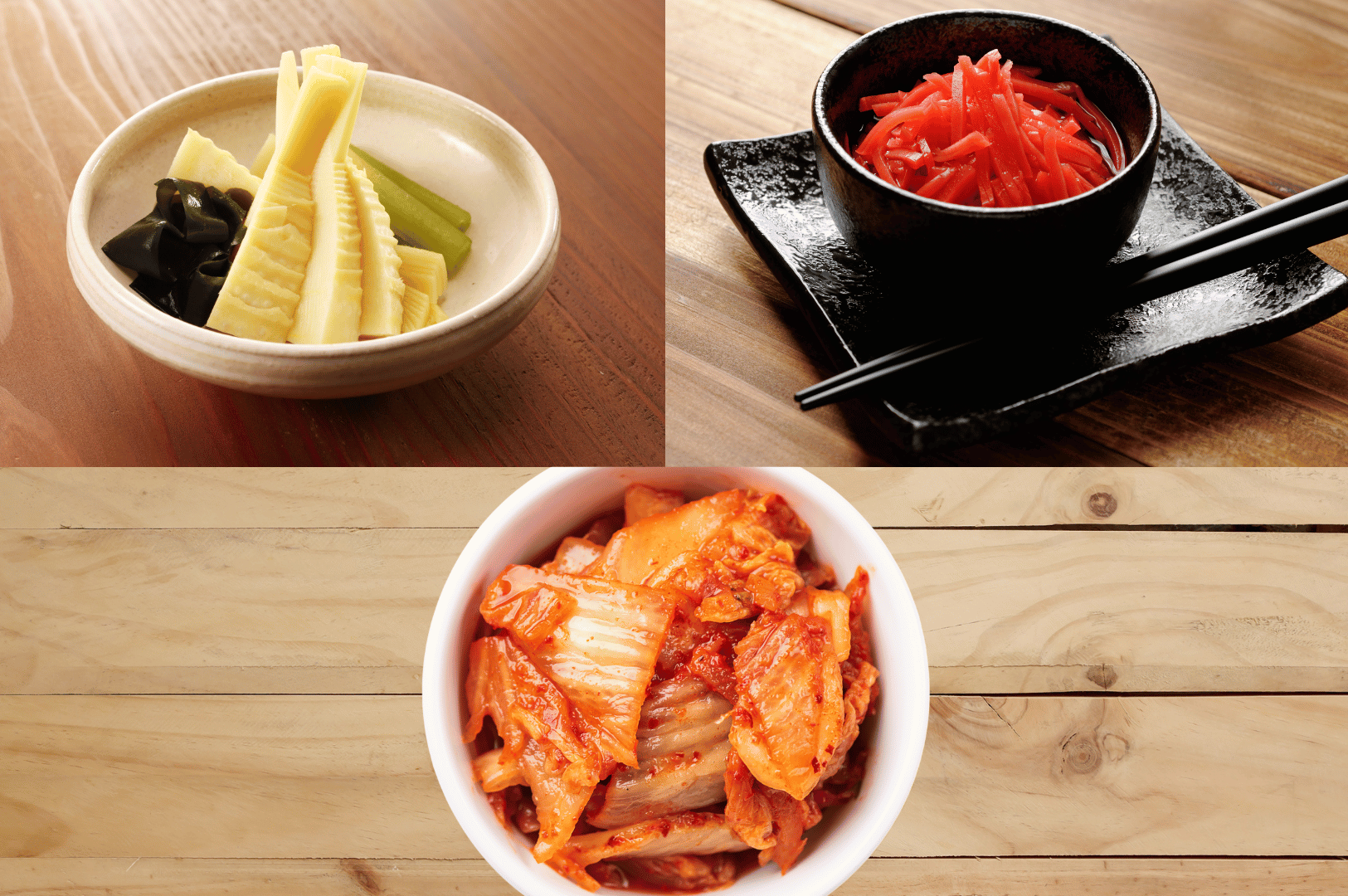
- Menma (fermented bamboo shoots): Chewy, savory, and slightly sweet, menma adds depth to any ramen bowl.
- Beni shoga: Thinly sliced ginger pickled in plum vinegar, offering a sharp, refreshing taste.
- Kimchi: Though Korean in origin, it has become a popular topping at ramen shops worldwide for its spicy and sour bite.
Each of these provides not just acidity but also complexity, turning a simple soup into a
delicious noodle soup layered with
unique flavors.
Japanese Ramen: Balance in a Bowl
The philosophy of Japanese ramen mirrors the principles of washoku—balance and harmony. Rich broths like tonkotsu or miso can overwhelm the palate without contrast. That’s why ramen chefs often reach for pickles: acidity cuts through the fat, resetting your taste buds so you can keep enjoying every spoonful.
Whether you’re eating at a bustling ramen restaurant or experimenting with
homemade ramen, pickles remind us that ramen is more than just broth and ramen noodles. It’s about achieving equilibrium in flavor, texture, and aroma, with ramen noodles working in harmony with the broth and toppings.
Ramen Toppings That Shine
Every ramen bowl is a canvas. Classic ramen toppings include:
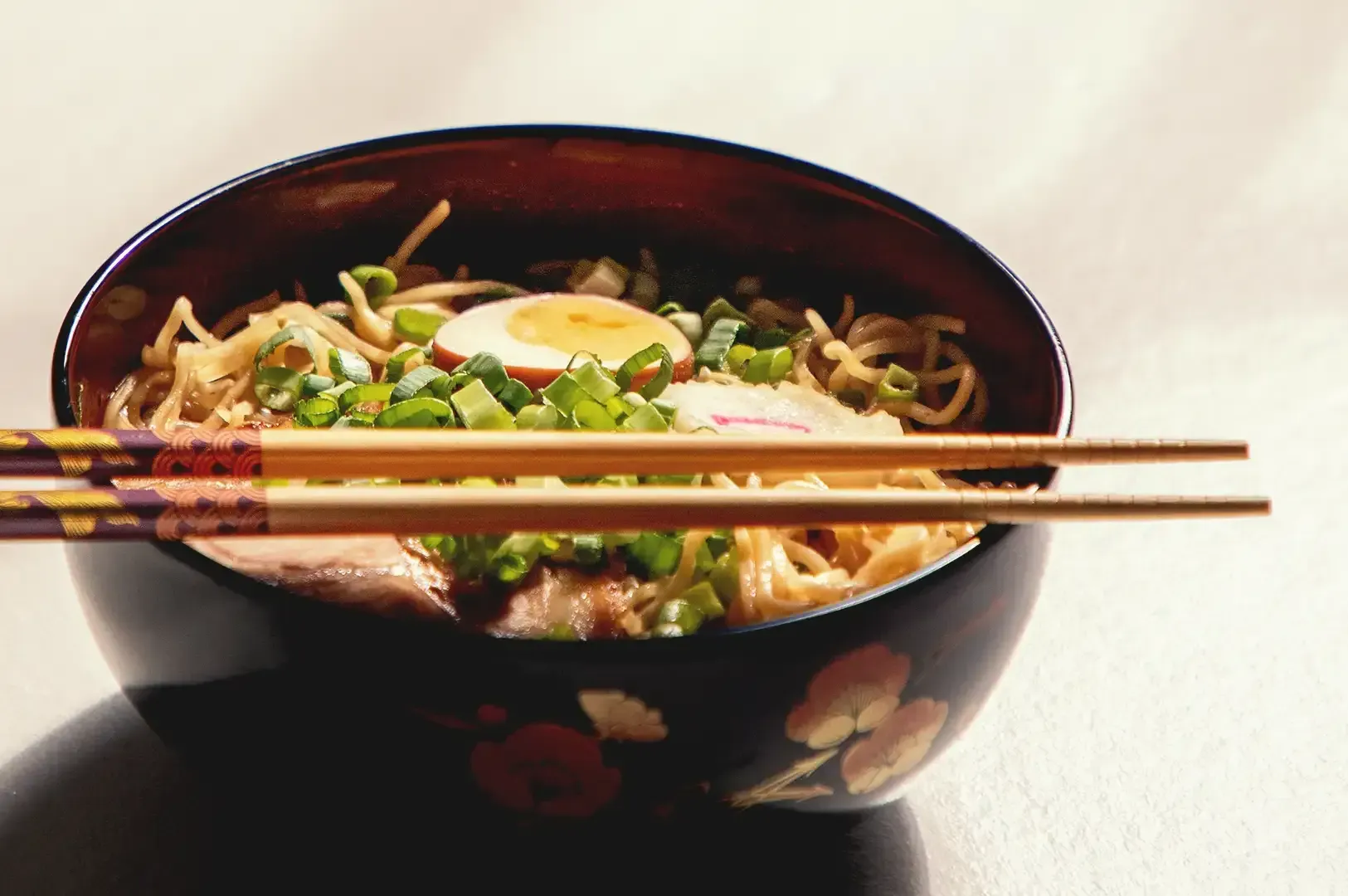
- Ramen egg (ajitsuke tamago): Soft-boiled, marinated in soy sauce and mirin, bringing richness and a creamy center.
- Chicken chashu: A lighter alternative to pork, simmered until tender in soy sauce and toasted sesame oil.
- Bok choy: Adds a fresh, green crunch and a refreshing taste that contrasts with fatty broths.
- Dried seaweed and green onion: Simple garnishes that bring both fragrance and visual appeal.
- Red pepper: Used as dried red pepper flakes, bell pepper slices, or red chili oil infusions, this spicy garnish or seasoning adds heat and vibrant color to ramen.
The interplay between these toppings and fermented condiments like beni shoga or kimchi creates a layered eating experience where no two bites are the same.
Homemade Ramen: Bringing Flavor to Your Kitchen
You don’t need a professional kitchen to make good ramen. Homemade ramen can start with a basic broth from pork bones, chicken bones, or even a vegetarian soup stock. Add your favorite noodles—pre-cooked noodles are a convenient option for quick homemade ramen—and experiment with toppings.
Want extra flavor? Try a drizzle of sesame oil, a spoonful of chili oil, or a sprinkle of sesame seeds. For a healthful twist, incorporate quick-pickled ginger or even kimchi purchased from Asian grocery stores.
Making ramen at home also lets you play with regional variations: a salty, clear soup like shio ramen, or a deep, nutty miso ramen topped with braised pork belly.
Ramen Egg: The Iconic Topping
No list of best ramen toppings would be complete without the ramen egg. Known as ajitsuke tamago, this marinated egg is soft-boiled so the yolk stays rich and jammy. The egg absorbs umami from soy sauce, mirin, and sake, making it both a topping and a flavor bomb.
When paired with fermented garnishes like menma, the egg’s richness balances beautifully against their tangy brightness.
Ramen Recipes with Pickled Balance

Pickled garnishes can elevate all kinds of ramen recipes:
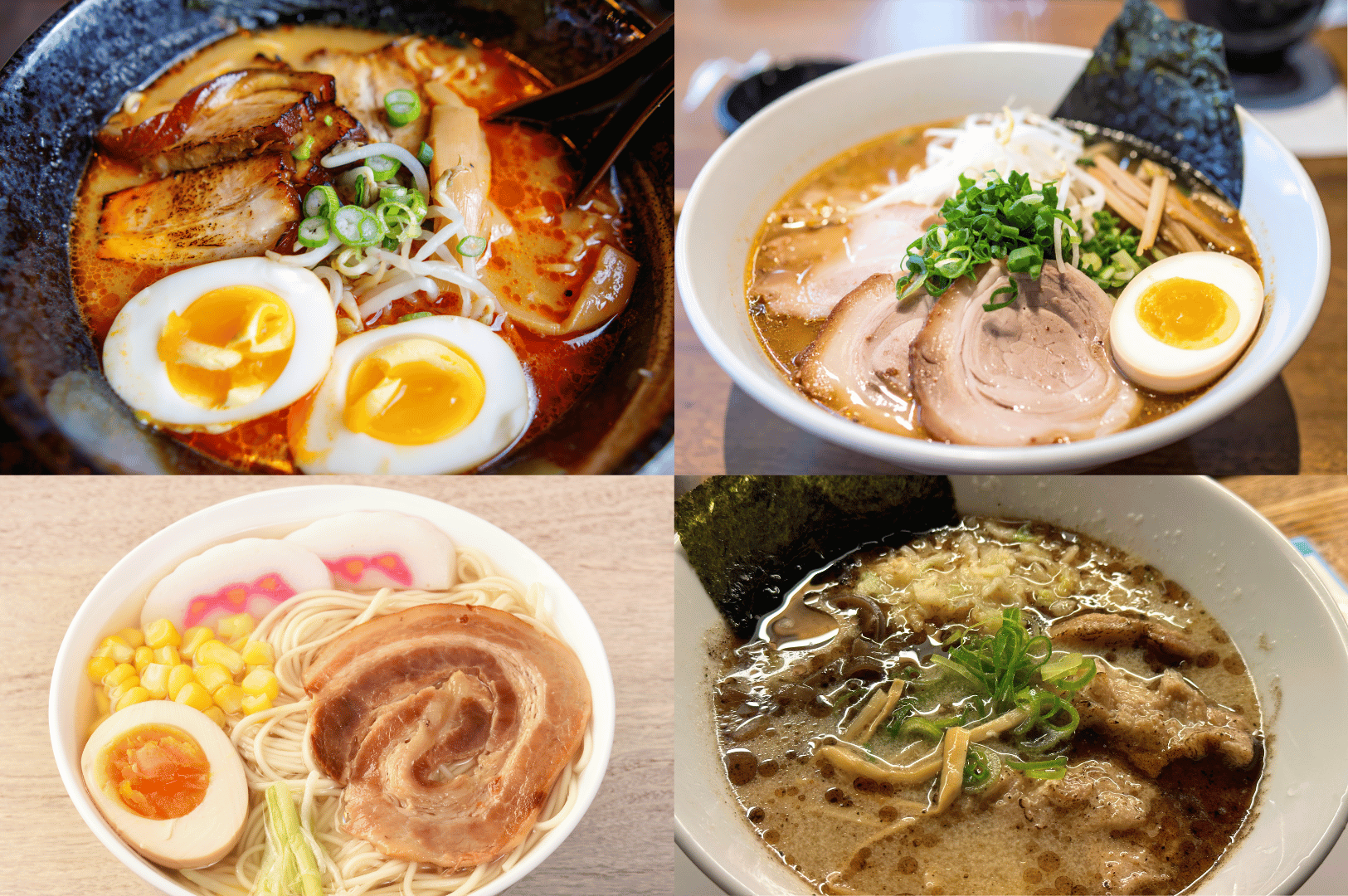
- Shoyu ramen: Soy sauce-based broth balanced with menma and green onion (also known as soy sauce ramen, a representative Tokyo-style ramen known for its variety in flavor).
- Miso ramen: Hearty and nutty, great with kimchi or bok choy.
- Salt ramen (shio): A lighter, clear soup that benefits from subtle pickled bamboo shoots.
- Tonkotsu ramen: Heavy and creamy, made from pork bones, ideally cut with beni shoga or karashi takana.
For
home cooks, these recipes don’t need to be intimidating. Even
instant ramen can benefit from simple upgrades like pickled ginger, a soft-boiled egg, or a handful of fresh vegetables.
Instant Ramen with a Gourmet Twist

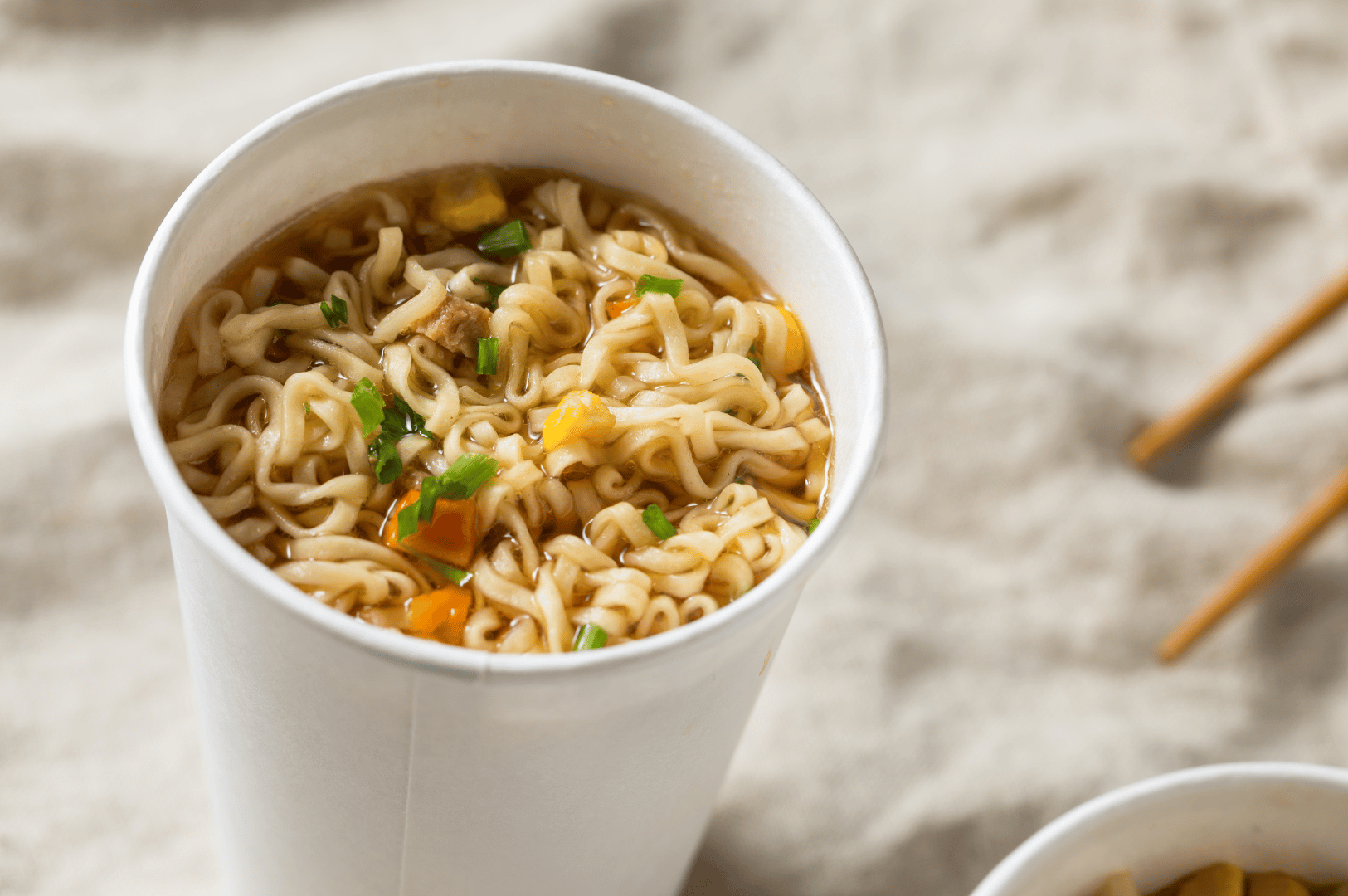
Instant ramen may not carry the depth of a restaurant broth, but it offers a blank canvas for creativity. Adding fermented or pickled toppings transforms it instantly.
A quick ramen hack: cook the noodles, add a soft
ramen egg, throw in some bok choy, and finish with a spoonful of kimchi or pickled ginger. For an extra kick, drizzle on some Japanese chili oil to add smoky heat. Suddenly, your instant noodles become a proper
ramen bowl with
extra flavor and sophistication.
Best Ramen Toppings: Classics and Experiments
So what truly are the best ramen toppings? It depends on the broth, but balance is key. A fatty tonkotsu broth pairs best with sharp beni shoga, while light shio ramen shines with menma and bok choy. Chicken chashu offers a delicate protein alternative, while ramen egg is universally beloved.
For adventurous eaters, fusion garnishes like kimchi or chili oil bring modern energy to
traditional ramen. The beauty of ramen lies in its adaptability—both in restaurants and at home.
Chicken Chashu: A Lighter Alternative
While pork belly is the classic chashu, chicken chashu has earned a place in many ramen shops. Simmered gently in soy sauce, sake, and sesame oil, chicken becomes tender and flavorful without being overly heavy.
It pairs especially well with clear soups like shio ramen or lighter broths where pork might overwhelm. Combined with pickles or fresh bok choy, chicken chashu keeps the bowl balanced.
Bok Choy: Refreshing Crunch
Vegetables like bok choy bring a fresh, slightly bitter note to ramen. Its crunchy texture is the perfect foil to soft noodles and rich broth. Many ramen chefs add it to miso ramen or vegetarian bowls for a dose of greenery.
Home cooks can easily blanch bok choy and add it to
homemade ramen or even
instant ramen for color, nutrition, and a
refreshing taste.
Bamboo Shoots: Menma Magic
Among all toppings, bamboo shoots—or menma—stand out as the most iconic fermented garnish. Their slightly sweet, savory, and funky taste comes from fermentation and seasoning with soy sauce and sesame oil.
The chewy, firm texture contrasts perfectly with soft noodles and silky broth, making them a staple in most ramen shops. For many, menma defines what
fermented ramen toppings should be: flavorful, functional, and unforgettable.
Extra Flavor: Elevating the Ramen Game
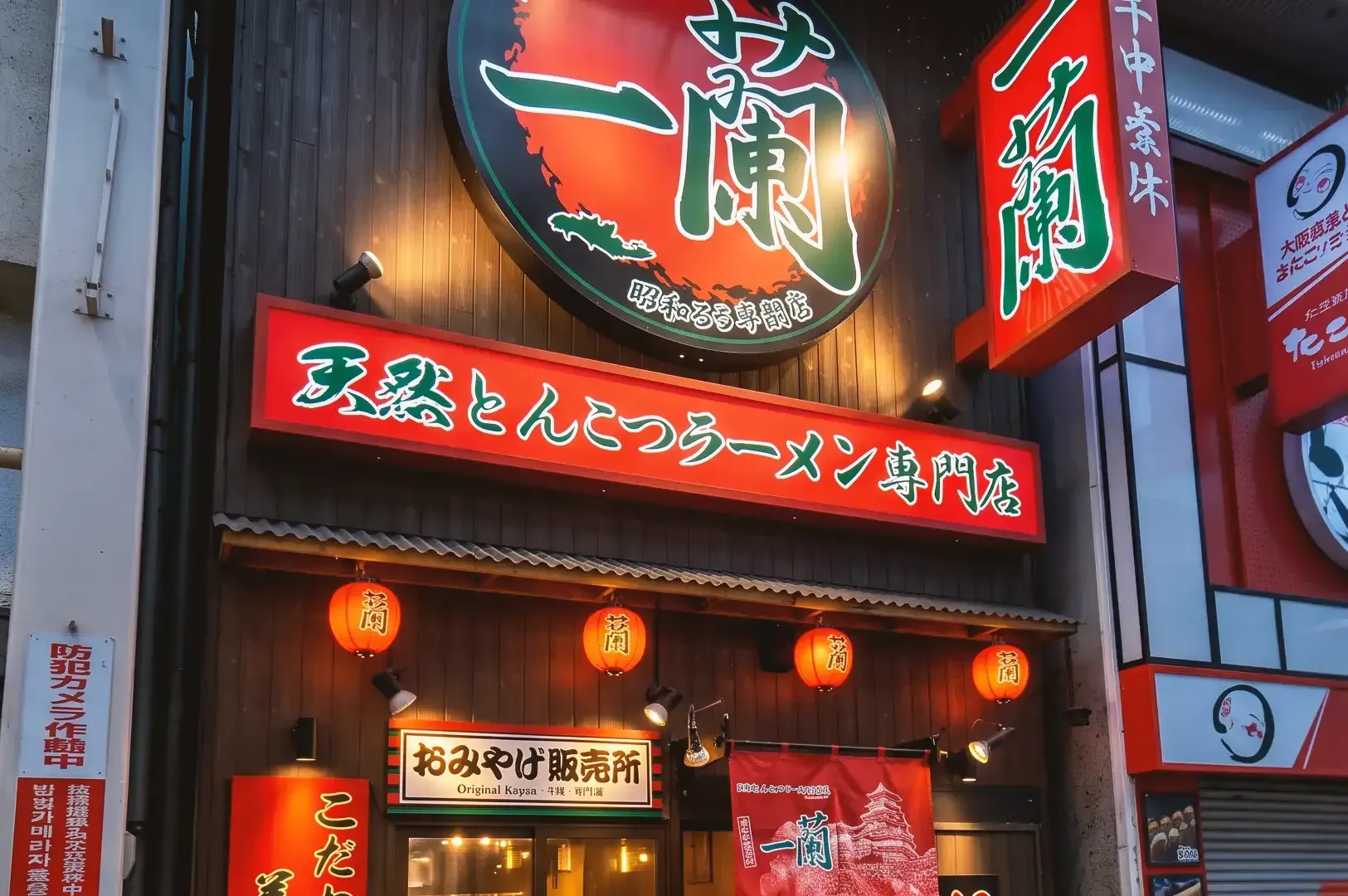
Whether in a bustling Tokyo ramen restaurant or your own kitchen, toppings are where the ramen game is won. Adding pickled or fermented garnishes provides extra flavor, keeps your taste buds refreshed, and highlights the harmony that defines Japanese ramen.
So the next time you sit down with a bowl—be it restaurant ramen, homemade ramen, or even instant ramen—don’t overlook the smallest garnishes. They are the reset button, the contrast, the highlight that makes every bite of broth and noodles sing.
To further elevate your ramen experience, consider pairing your meal with traditional side dishes like fried rice or rice bowls, which add richness and variety. Enjoying green tea alongside ramen is a classic choice, offering a refreshing contrast and aiding digestion. Other dishes such as
gyoza and pickles are also popular accompaniments that enhance the overall dining experience. If you’re interested in learning more, explore the world of Japanese cooking to discover even more delicious combinations and culinary traditions.
Conclusion

In conclusion, ramen is a culinary treasure that offers an incredible spectrum of flavors, textures, and experiences. From the rich, creamy depths of tonkotsu ramen to the light, clear notes of shio ramen and the hearty, nutty taste of miso ramen, each bowl presents a unique flavor profile that excites the taste buds. The artistry of ramen lies in its toppings—whether it’s the savory bite of braised pork belly, the creamy perfection of a ramen egg, or the tangy crunch of fermented bamboo shoots and green onions, every ingredient plays a role in creating a truly delicious noodle soup.
Ramen’s appeal is universal, inviting both
home cooks and
restaurant-goers to explore its endless possibilities. Sprinkling
sesame seeds, adding
bamboo shoots, or experim