San Francisco Ramen: Artisanal Farm-to-Table Philosophy in Japanese Cuisine
San Francisco is a city defined by its fog-laced bridges, iconic cable cars, and a revolutionary food culture. Decades ago, Alice Waters of Chez Panisse ignited a movement here with a simple but profound idea: food should be seasonal, local, and sustainable. This farm-to-table ethos has since permeated every corner of the city’s dining scene, from Michelin-starred restaurants to humble food stalls. It was only a matter of time before this philosophy found its way into one of Japan’s most beloved dishes: ramen.
Ramen itself is a testament to the fusion of culinary traditions from Asia and the West, reflecting its international roots and the blending of Eastern and Western flavors.
This article explores the exciting intersection where
Japanese cooking techniques meet California’s farm-to-table philosophy. We’ll dive into how
San Francisco ramen artisans are redefining the dish, championing sustainable practices, and creating some of the most innovative bowls of soup you’ll ever taste.
San Francisco Ramen: A New Chapter in Dining
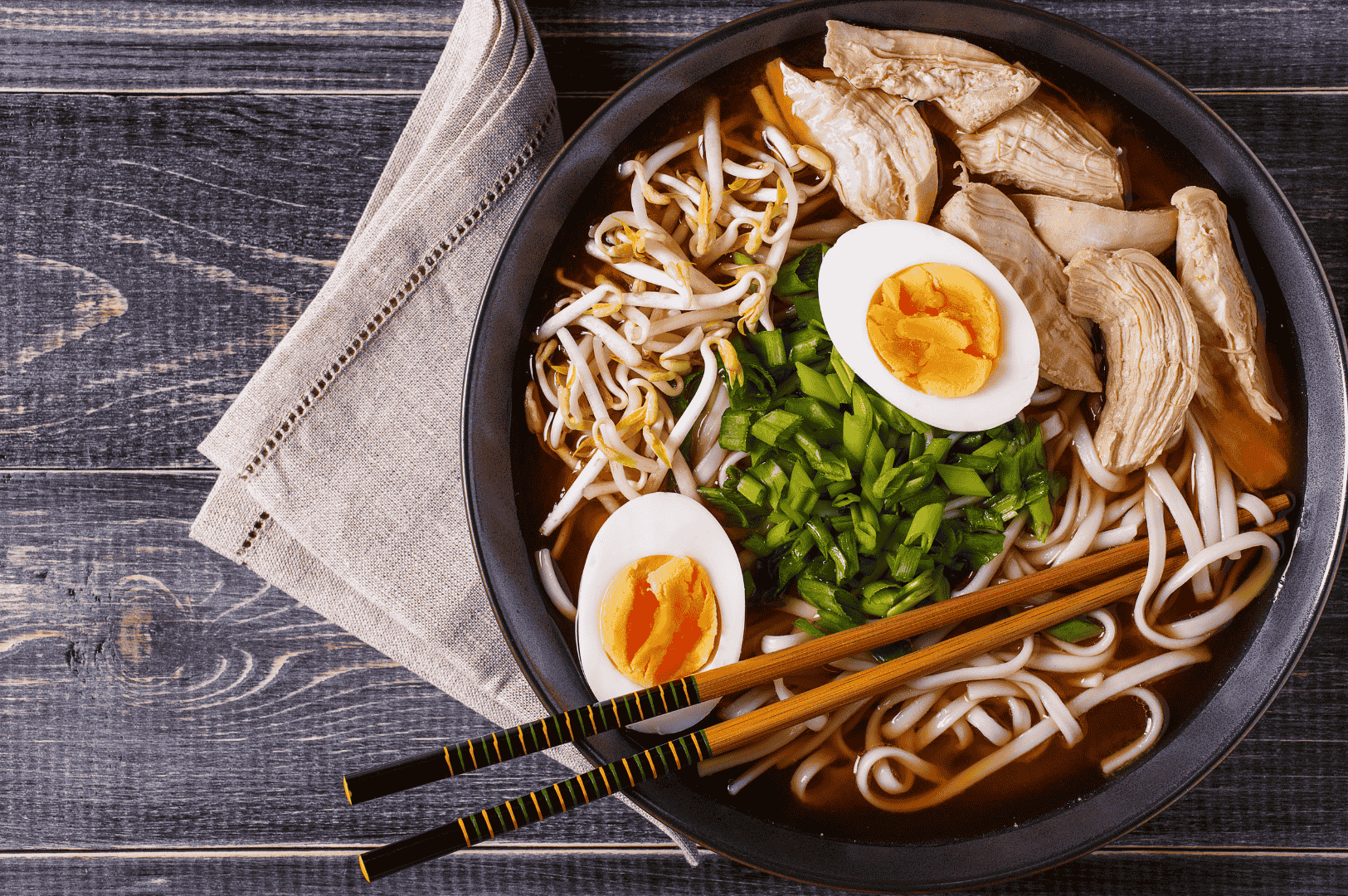
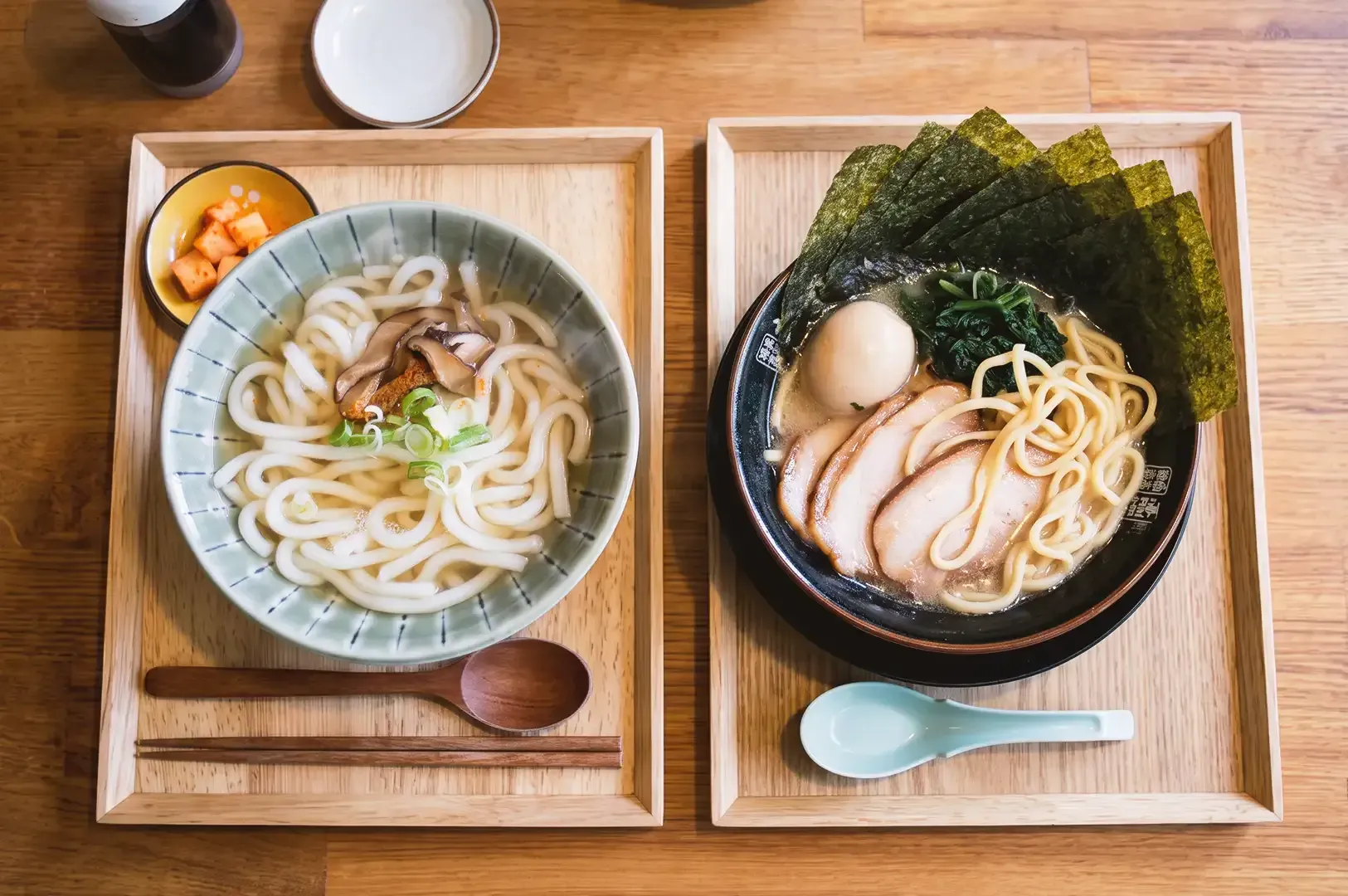
Ramen has long been part of San Francisco’s Japanese food culture, with Japantown serving as a historic hub for authentic Japanese dishes. Japan, as a country with a rich culinary heritage and remarkable regional food variety, has inspired many of these offerings. For years, the scene was dominated by traditional shops serving tonkotsu (pork bone broth), shio (salt-based), and shoyu (soy sauce-based) ramen, faithfully recreating the flavors of Tokyo, Osaka, or Kyoto.
As the city’s broader food culture evolved, so did its ramen. A new generation of chefs, many with training in both
Japanese cuisine and Californian fine dining, began to experiment with seasonal ingredients. Japanese ramen and other dishes have often been shaped by culinary exchanges with countries like India—for example, Japanese curry rice (karē raisu) was introduced by the British from India and has become a beloved dish reflecting these international influences.
Japanese Cuisine and the Spirit of Kodawari
At its core, Japanese cuisine is defined by kodawari—a relentless dedication to detail and balance. Whether in sushi, tempura, or ramen, the focus has always been on extracting the purest, most natural flavors from each ingredient.
San Francisco chefs embrace this same philosophy but expand its scope. Where a Kyoto chef might import kombu or bonito flakes, San Francisco ramen masters turn to Dungeness crab, Brentwood corn, or organic mushrooms. Chefs also experiment with other ingredients to create unique flavor profiles, blending authenticity with innovation to craft ramen that reflects both
Japanese culture and California’s agricultural abundance.
Traditional Japanese Cuisine Versus San Francisco Innovation
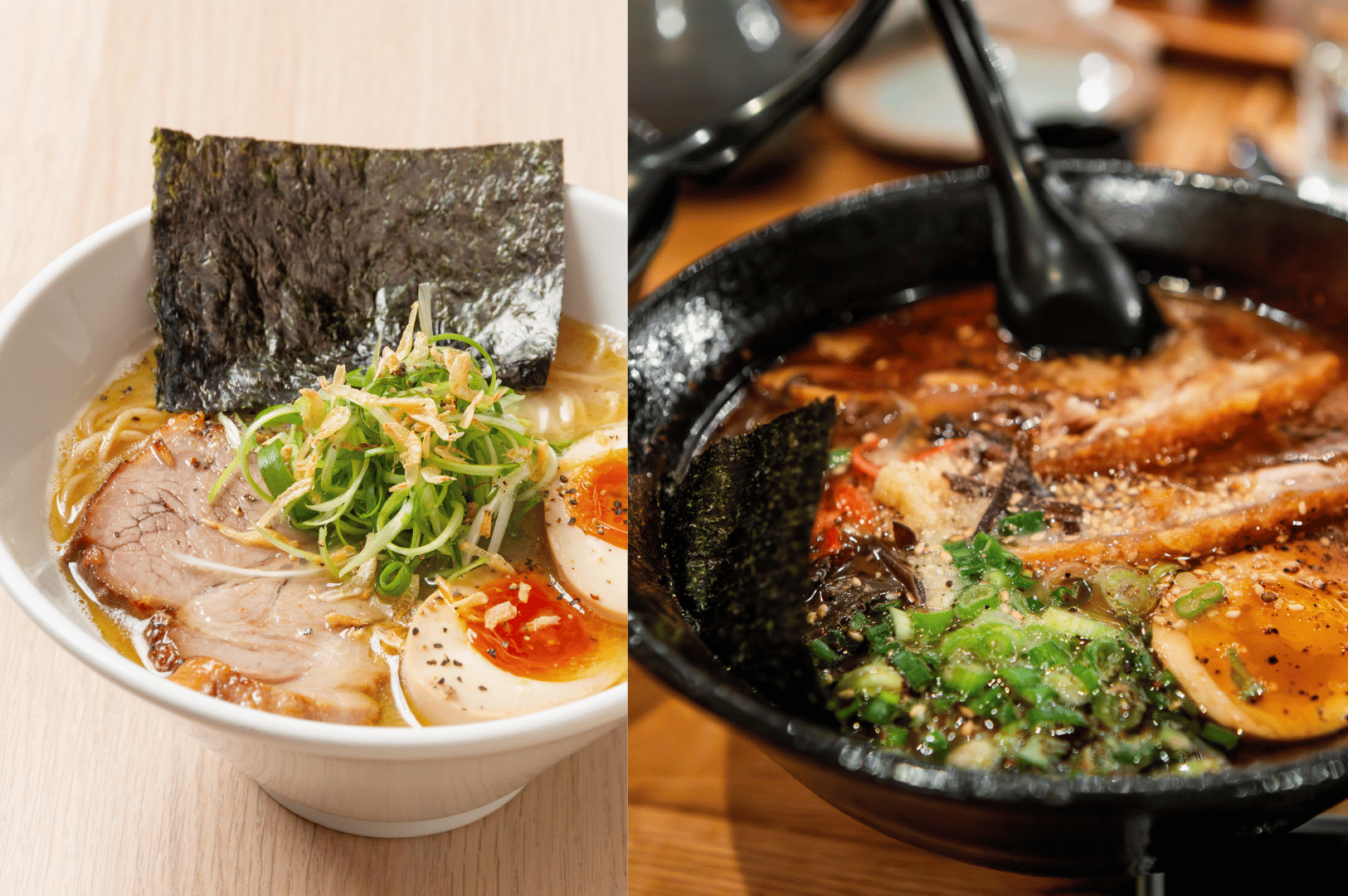
| Aspect | Traditional Japanese Cuisine Ramen | San Francisco Artisanal Ramen |
|---|---|---|
| Broth | Tonkotsu, shio, shoyu, miso soup, or dashi. | Double soups blending pork or chicken with seasonal vegetables and natural flavors. |
| Noodles | Consistent thickness and texture, typically served in established forms. | House-made with local flour, sometimes infused with seasonal notes. |
| Toppings | Chashu pork, menma, nori, boiled egg, or pickled plum. | Seasonal ingredients: roasted squash, sautéed mushrooms, grilled asparagus, or kimchi. |
| Sourcing | Authentic ingredients imported from Japan. | Hyper-local sourcing, with farms and markets highlighted on the menu. |
This balance of respect for
traditional Japanese cuisine with a California twist makes San Francisco ramen unlike any other in the world. Both traditional and San Francisco ramen shops serve their dishes with careful attention to presentation and authenticity, ensuring a memorable dining experience.
The History of Ramen: From Japan to the Bay Area
Ramen’s story is as rich and layered as its broth. While the dish traces its roots to China, it was in Japan that ramen truly found its soul, evolving into a beloved staple of Japanese cuisine. As Japanese food culture spread across the globe, ramen made its way to the Bay Area, where it was embraced by a new generation of chefs and food lovers. Here, the dish’s history is honored, but its flavors are reimagined—reflecting both the traditions of Japan and the innovative spirit of San Francisco. Today, ramen is more than just a dish; it’s a culinary bridge connecting the history of Japanese cuisine with the vibrant, ever-evolving food scene of the Bay Area.
Japanese Food Meets California’s Farm-to-Table Ethos
Chefs across San Francisco are reimagining Japanese food staples through a sustainable lens. In place of uniform menus, diners encounter seasonal creativity. A broth enriched with garlic and oil in winter might be lightened with fresh basil in summer. A savory soy sauce tare could be paired with asparagus in spring or potatoes in autumn.
This respect for the seasons echoes Japanese history, where regional
Japanese dishes like sushi in Tokyo or shabu shabu in Osaka reflect their local environments, with rice serving as a staple ingredient in these and many other dishes. San Francisco ramen joins this tradition by rooting itself in California’s terroir.
Japanese Dishes Reimagined in Ramen Bowls
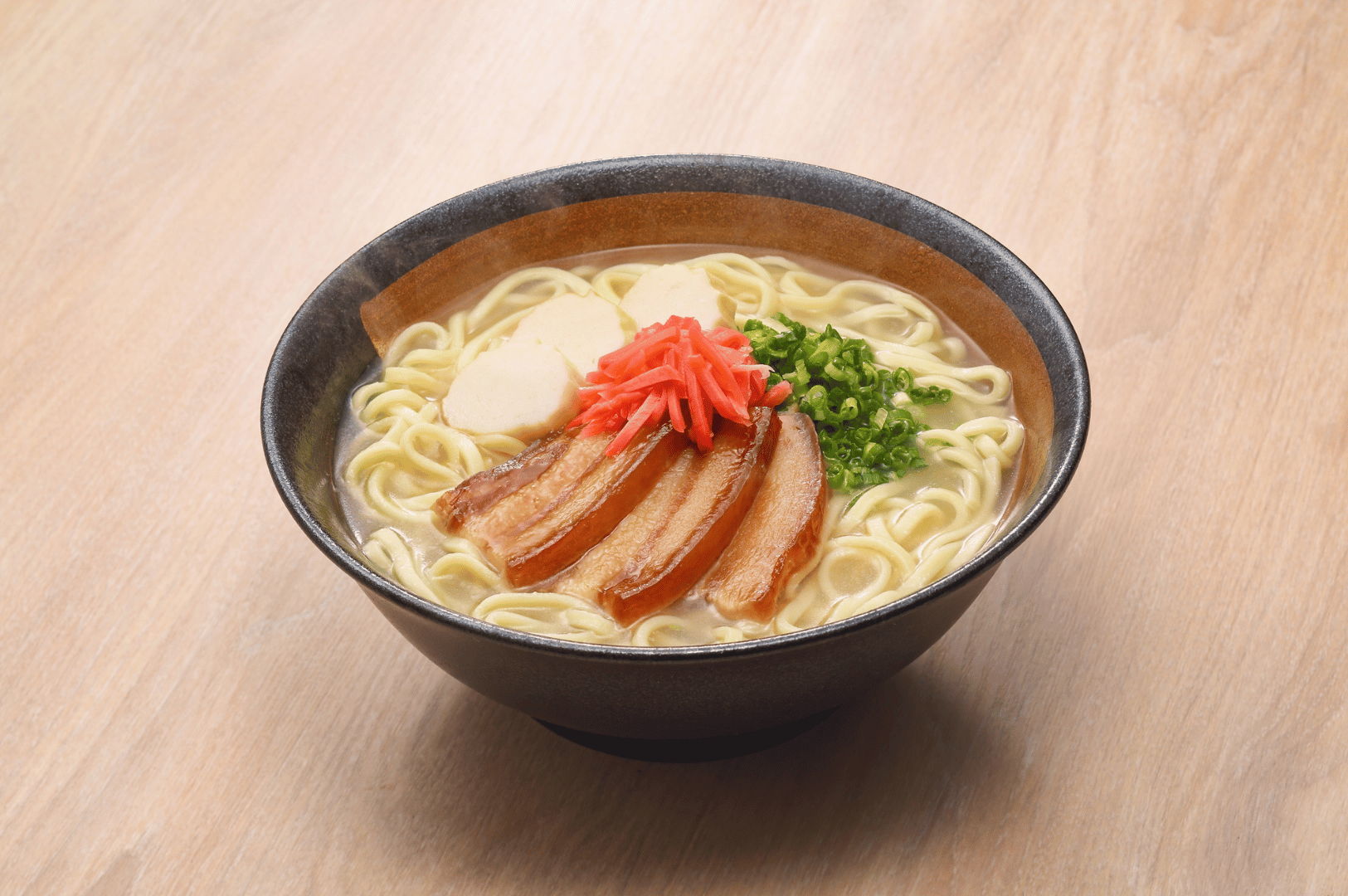
San Francisco ramen artisans are not just replicating; they are reinterpreting. Their menus often read like a dialogue between Japanese dishes and California farms:
- A tonkotsu broth enriched with roasted delicata squash.
- A shio ramen topped with cherry tomatoes and fresh basil oil.
- A miso soup–inspired broth filled with mushrooms, tofu, and seasonal greens.
- Chicken paitan ramen that rivals the richness of shabu shabu broth, yet remains lighter and vegetable-forward.
Just as traditional Japanese foods like onigiri and taiyaki are defined by their creative fillings, San Francisco ramen bowls showcase inventive fillings and toppings that add flavor and variety to each dish.
Japanese Cooking Techniques with Seasonal Ingredients
Japanese cooking is known for precision, whether it’s the exact slice of sushi, the timing of tempura frying, or the simmering of broth for ramen. Fried dishes, such as tempura, kushikatsu, and korokke, play a significant role in Japanese cuisine, and many San Francisco ramen shops incorporate fried elements as toppings or side dishes, adding texture and flavor to their offerings. In San Francisco, these techniques remain intact but gain new dimension through seasonal ingredients.
- Spring: Shio ramen brightened with English peas and pea shoots.
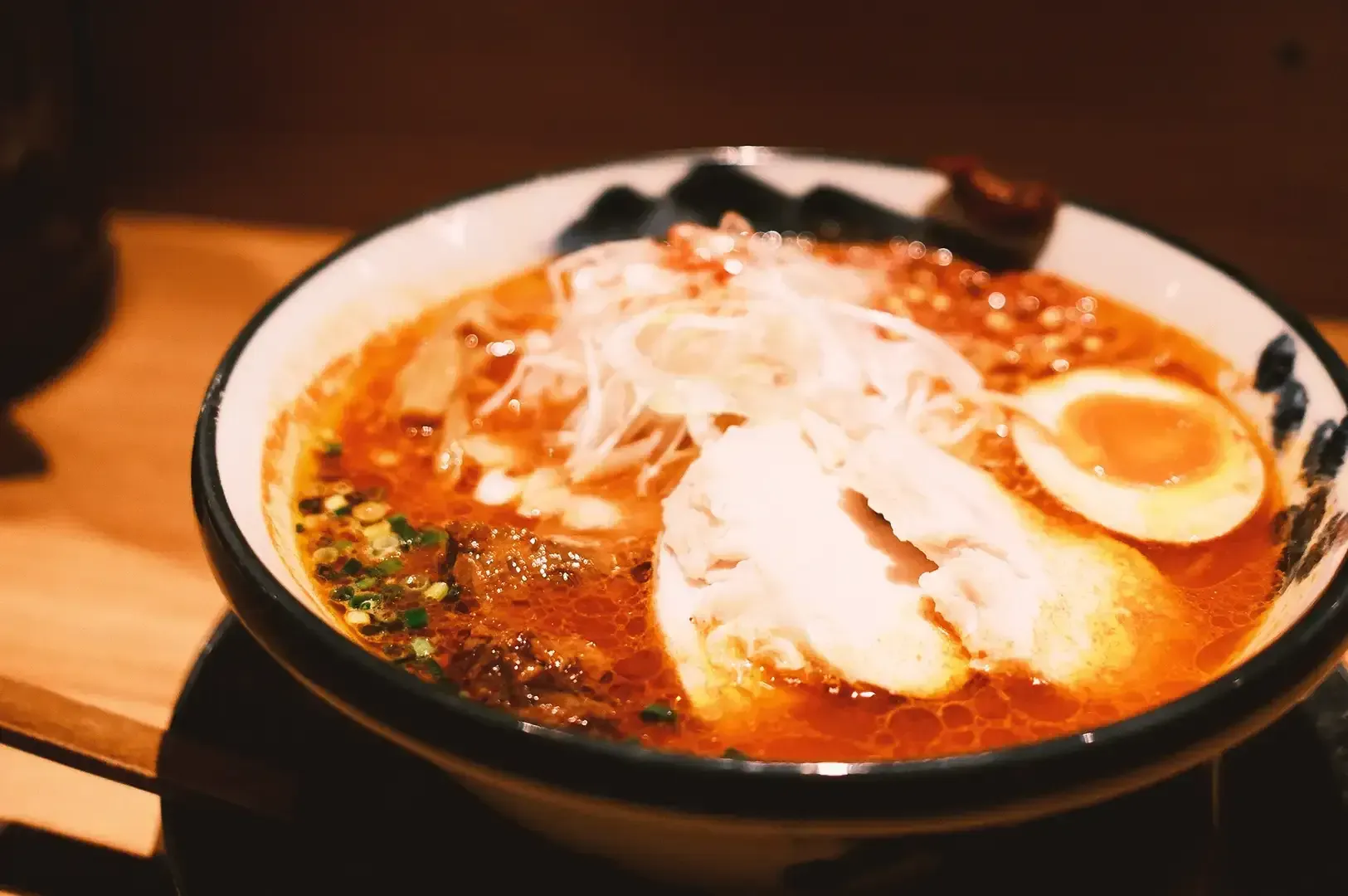
- Summer: Spicy miso soup topped with corn and cherry tomatoes.
- Fall: Rich tonkotsu paired with wild mushrooms and kale.
- Winter: Broths fortified with root vegetables like parsnips and carrots.
This seasonal approach ensures that every meal feels alive, connecting diners not only to Japanese culture but also to California’s land and farmers.
Miso Soup and Its Influence on San Francisco Ramen
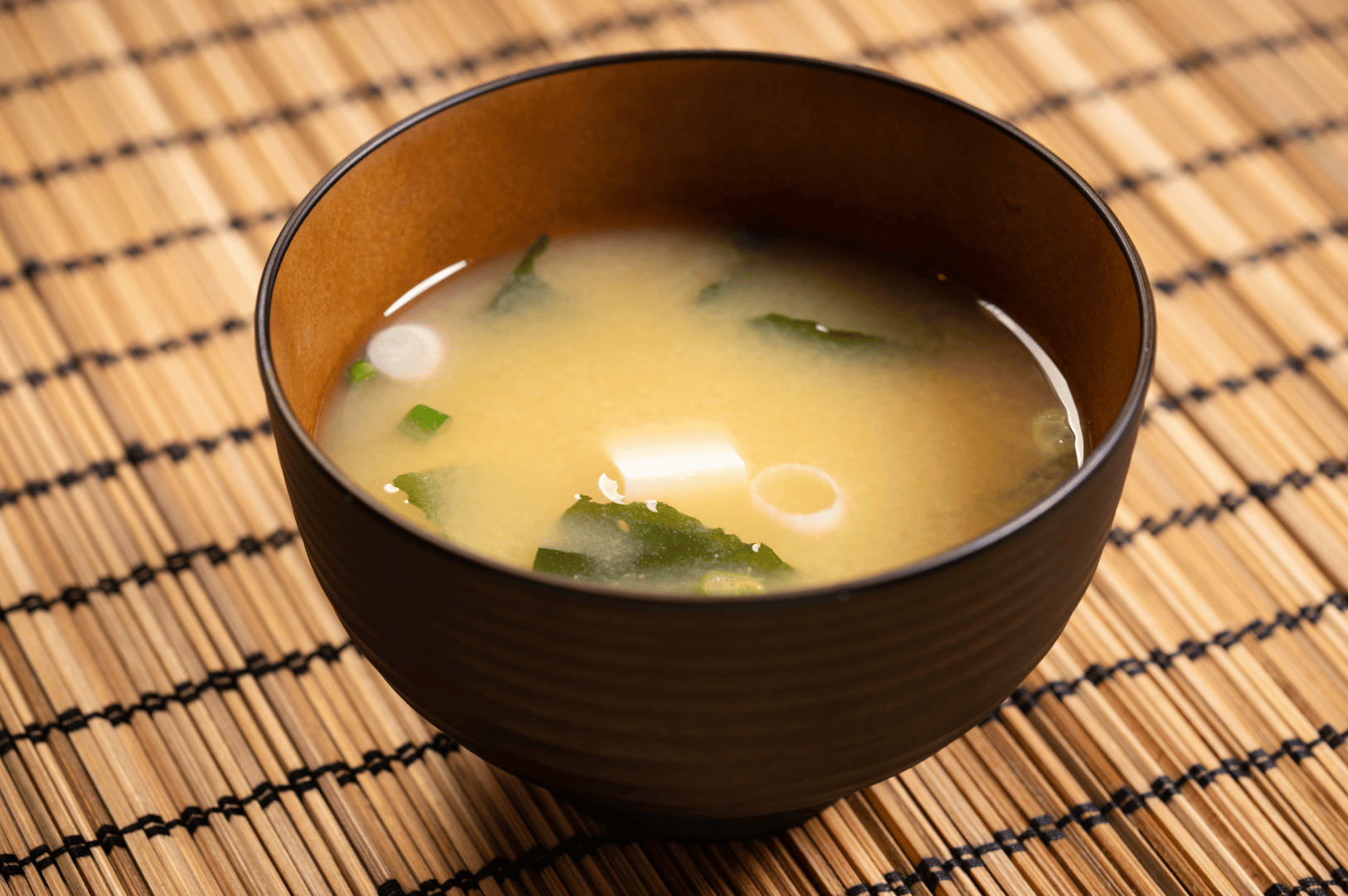
No discussion of ramen is complete without miso soup, one of the most iconic Japanese dishes. Traditionally made from fermented soybean paste, dashi, and tofu, miso soup embodies umami and balance.
In San Francisco ramen, miso provides both a base and inspiration. Chefs create spicy miso ramen bowls filled with chicken, mushrooms, and seasonal vegetables. Sake is often enjoyed alongside these miso-based ramen bowls, enhancing the overall dining experience and reflecting its
cultural significance in Japanese cuisine. They experiment with variations that feature garlic, sesame oil, and even local seafood, proving that miso’s versatility transcends borders.
Shabu Shabu Inspiration in Broths and Service
Another influence on San Francisco ramen is shabu shabu, the Japanese hot pot dish where thin slices of meat and vegetables are swirled in simmering broth. While ramen is typically served as a finished bowl, the philosophy of shabu shabu—highlighting quality meats, seasonal vegetables, and broth as the centerpiece—resonates deeply with local ramen chefs.
Some ramen shops even offer small portions of side dishes inspired by shabu shabu, such as thinly sliced beef, chicken, or tofu simmered in broth before being added to ramen bowls. To accommodate guests who want to enjoy these shabu shabu–inspired side dishes together, certain restaurants provide private dining options or group seating, making it easy for parties of various sizes to share the experience. This adds
a sense of interaction and variety to the dining experience.
Ramen Toppings and Garnishes: Local Flair Meets Tradition
No two bowls of ramen are ever quite the same, thanks in large part to the vibrant array of toppings and garnishes that crown each serving.
From the umami depth of miso soup and the savory punch of soy sauce to the tangy brightness of pickled plum and the refreshing crunch of daikon radish, each topping adds its own layer of flavor and texture. Whether it’s a bowl brimming with mushrooms, seasonal greens, or delicately sliced meats, the toppings transform ramen into a dynamic, ever-changing dish.
This fusion of tradition and innovation ensures that every bowl is a unique expression of both Japanese cuisine and the creative spirit of San Francisco.
San Francisco Ramen Shops: Where to Experience the Revolution
San Francisco’s ramen revolution is on full display in the city’s diverse array of restaurants and eateries. From the time-honored establishments in Japantown, where you can savor classic Japanese dining and traditional ramen dishes, to the trendsetting spots in the Mission District and Hayes Valley, the city offers a bowl for every palate. Whether you crave the deep, savory richness of tonkotsu broth, the delicate flavors of shio ramen, or inventive vegan and gluten-free options, San Francisco’s ramen shops deliver an unforgettable taste experience.
Each restaurant brings its own twist to the table, serving up noodles with perfectly balanced broths and an array of creative toppings. For locals and international visitors alike, exploring San Francisco’s
ramen scene is a delicious journey through the world of
Japanese cuisine, where every bowl tells a story of tradition, innovation, and the city’s love for bold, savory flavors.
The Cultural Significance of San Francisco Ramen
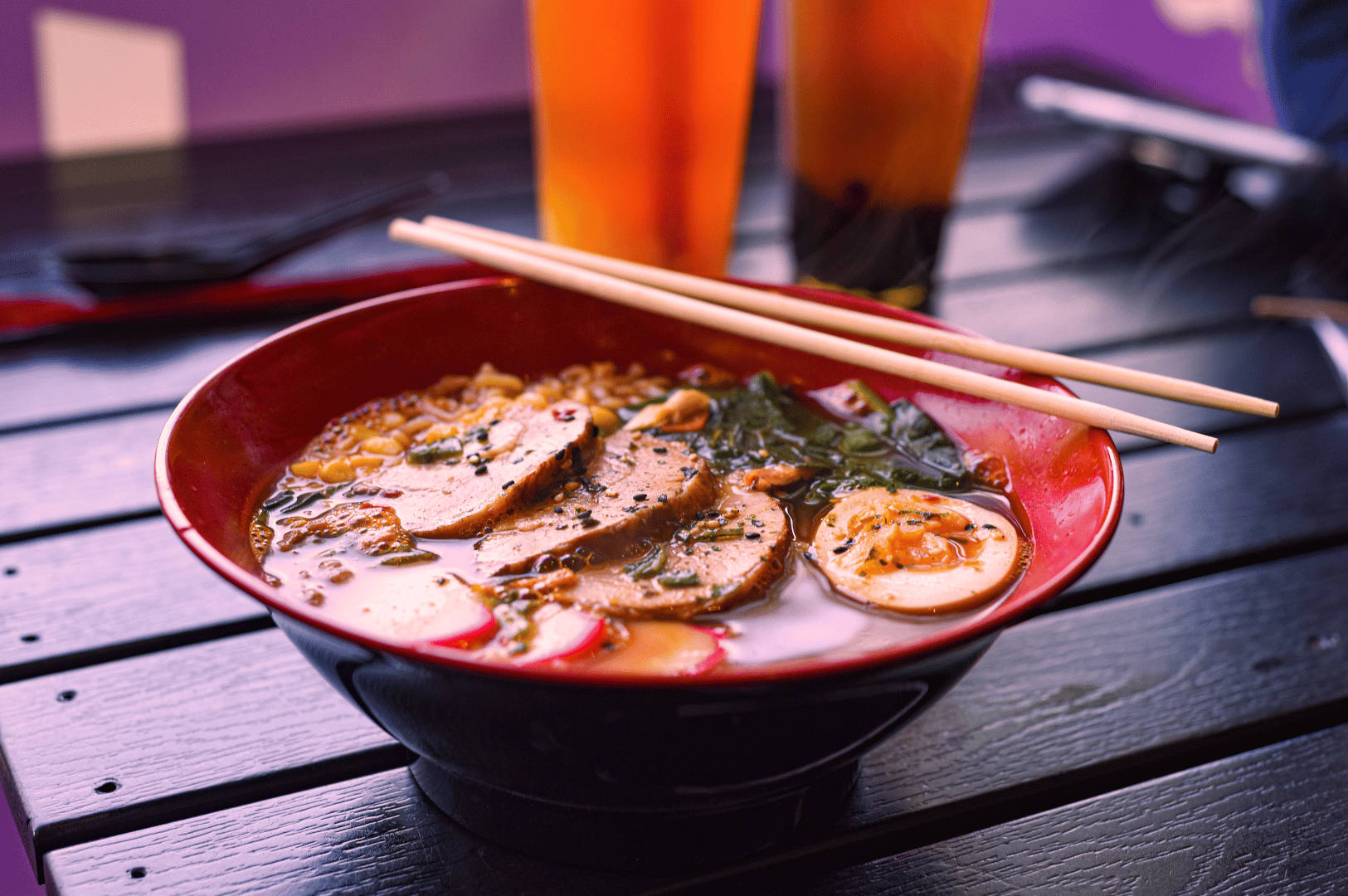
The rise of San Francisco ramen is more than a culinary trend; it’s a cultural bridge. It reflects how Japanese culture, with its respect for seasonality and balance, can merge seamlessly with California’s sustainability ethos.
Just as sushi expresses Tokyo’s refinement and tempura reflects Osaka’s flair, San Francisco ramen expresses a theme of innovation rooted in tradition. The word 'ramen' itself has come to represent not just a dish, but a cultural phenomenon that bridges tradition and innovation, encapsulating the way food terminology in Japanese cuisine carries deep cultural and historical significance. It proves that
food can evolve without losing its soul.
Conclusion: A World of Flavor in Every Bowl
The next time you eat ramen in San Francisco, don’t just focus on the noodles and broth. Look at the menu, ask about the seasonal ingredients, and savor how Japanese cooking and California farming come together in one comforting, innovative bowl. And while you’re there, be sure to try some traditional Japanese sweets, such as mochi or red bean paste confections, to experience the full diversity of Japanese culinary offerings in the city.
In the end,
San Francisco ramen is more than just food—it’s a cultural statement, a seasonal journey, and a delicious harmony between Japan and California. For those interested in exploring ramen beyond San Francisco, the
Global Ramen Expedition offers a fascinating look at ramen styles and innovations from around the world.
Recent Posts