Naruto Fish Cake: The Story Behind Ramen’s Iconic Pink Swirl
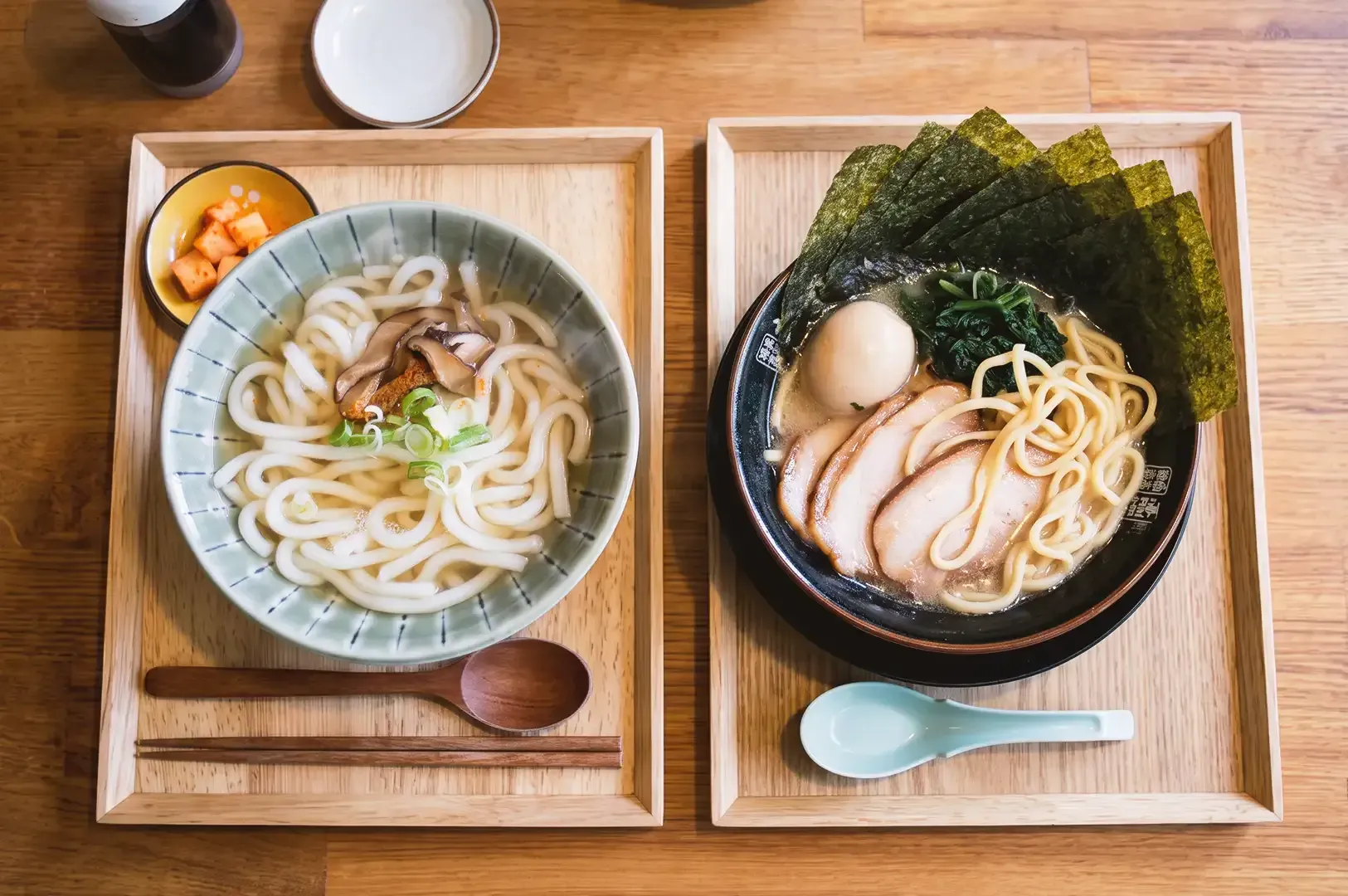
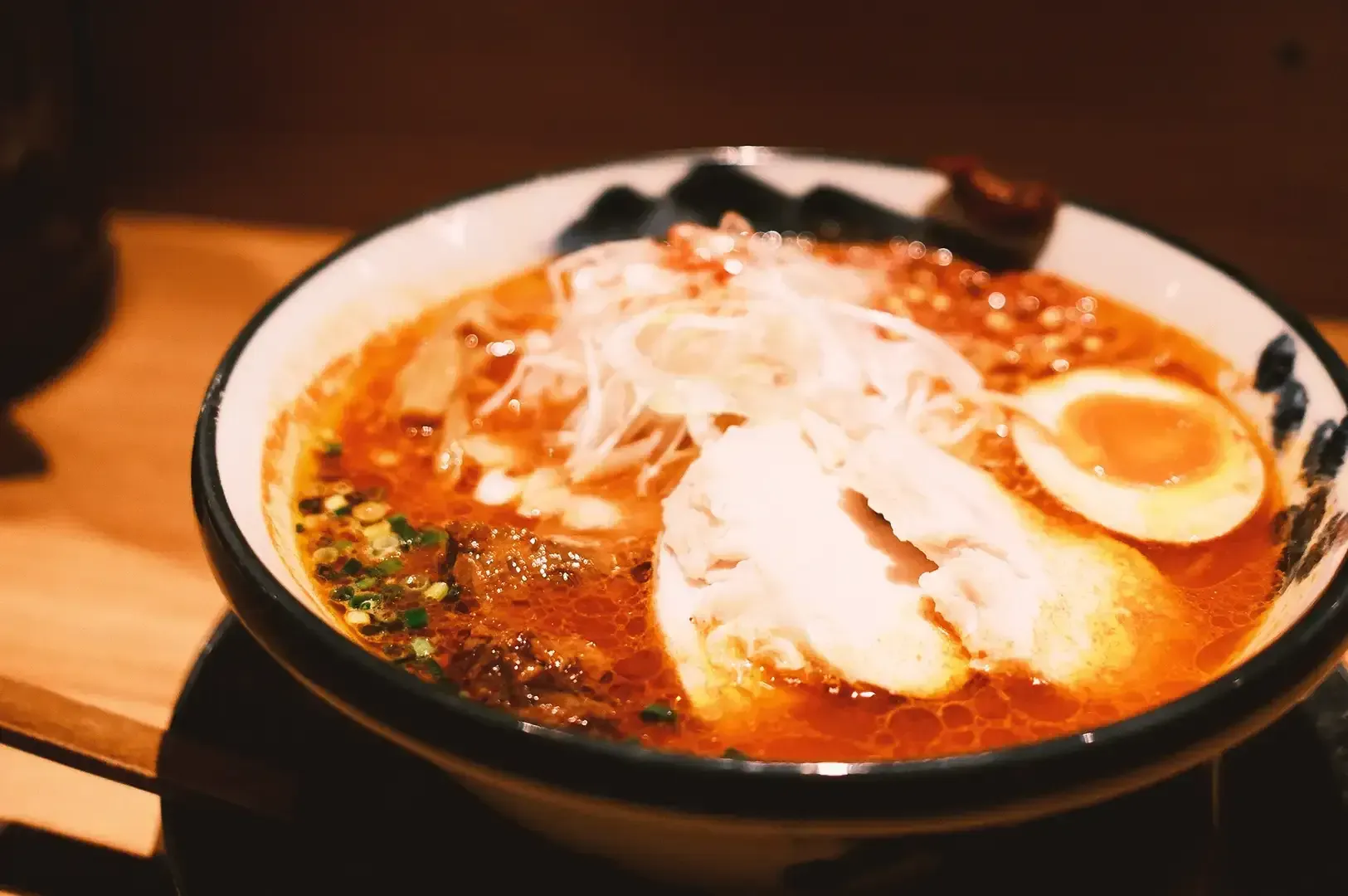
Picture a steaming bowl of Japanese ramen. You can almost smell the rich, savory ramen broth, see the perfectly springy noodles, slices of tender chashu pork, a jammy ajitsuke tamago, maybe some nori and green onion, and right on top—a small white disc with a pink spiral. That, my friends, is narutomaki, or naruto fish cake.
It’s more than just a
delicious topping. This humble slice of
steamed fish cake
carries centuries of
history in Japanese cookingwhile also standing as a pop culture icon, thanks to both ramen shops and anime.
Naruto Fish Cake: A Culinary Icon
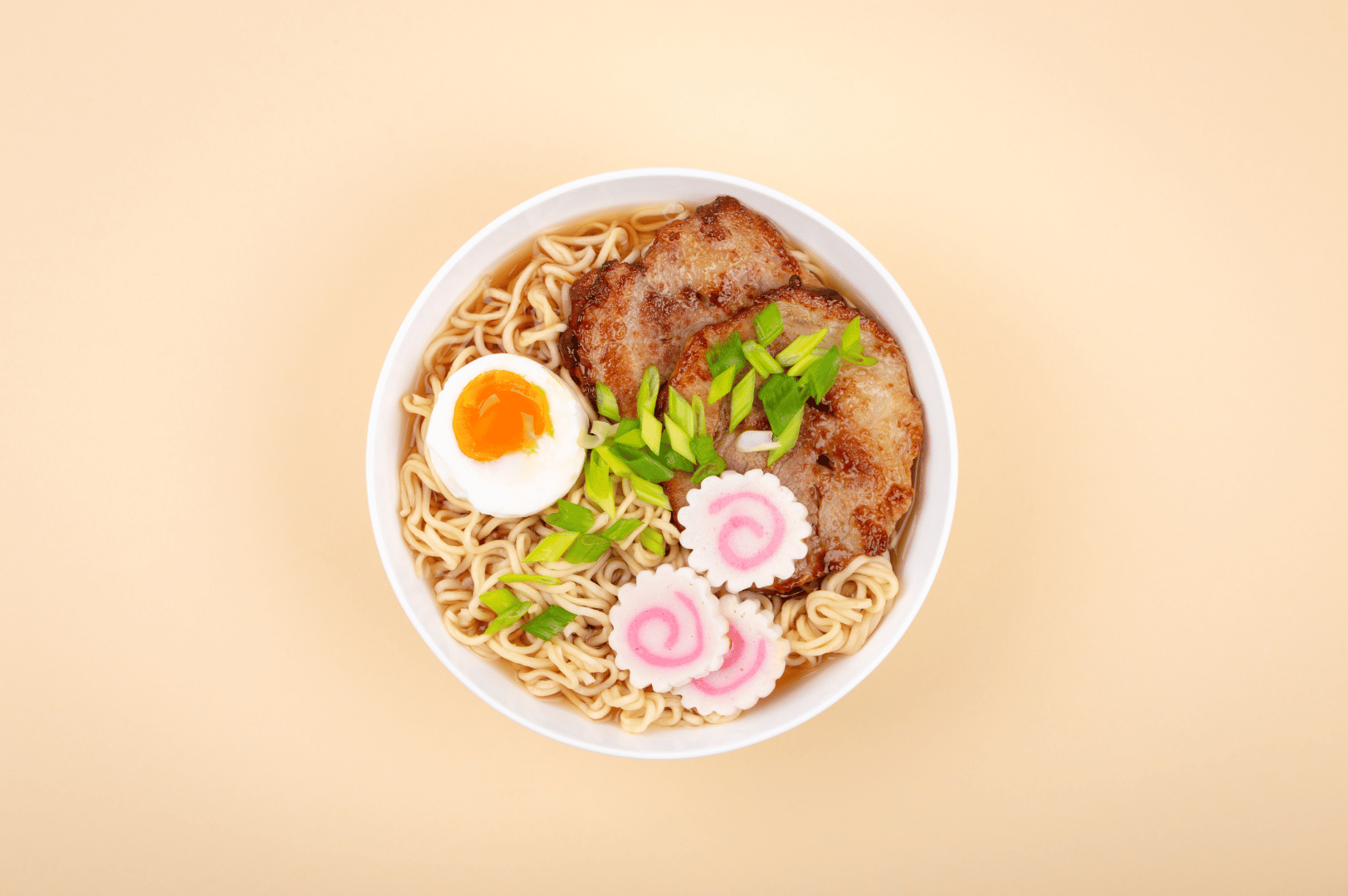
What sets narutomaki apart from other ramen toppings is its carefully crafted blend of ingredients and its unmistakable appearance. At its core, narutomaki is a steamed fish cake made from surimi—a finely minced white fish paste. This paste is mixed with egg white and a blend of seasonings to create a smooth, dough-like texture. The addition of egg white is key, lending narutomaki its signature chewy texture and helping the cake hold its shape.
Once the mixture is ready, it’s rolled into a log and a layer of pink-tinted fish paste is added, which is then swirled to form the iconic pink spiral. After steaming, the log is sliced into thin rounds, each revealing the beautiful spiral pattern that makes narutomaki instantly recognizable in any bowl of ramen.
The result is a savory and subtly sweet flavor that complements the rich broths and other toppings found in Japanese ramen. With its high protein content, minimal fat, and satisfying bite, narutomaki is not just a visual treat but a delicious and wholesome topping that brings both tradition and taste to your ramen experience.
Ingredients and Composition: What Makes Naruto Unique
The naruto fish cake belongs to the broader category of kamaboko. This style of fish cake dates back to the Heian period (794–1185), when cooks created surimi—a ground fish paste made by processing raw fish mixed with seasonings like salt, sugar, mirin, and egg white. To achieve the final firm, bouncy cakes with a distinctive chewy texture, cooks would cook the paste by steaming or grilling it.
Naruto’s famous swirl pays homage to the natural whirlpools in Japan’s Naruto Strait. With its bright
pink spiral, it became one of the most recognizable symbols in the world of ramen.
What sets narutomaki apart from other ramen toppings is its carefully crafted blend of ingredients and its unmistakable appearance. At its core, narutomaki is a
steamed fish cake made from surimi—a finely minced white fish paste. This paste is mixed with
egg white and a blend of
seasonings to create a smooth, dough-like texture. The addition of egg white is key, lending narutomaki its signature
chewy texture and helping the cake hold its shape.
Once the mixture is ready, it’s rolled into a log and a layer of pink-tinted fish paste is added, which is then swirled to form the iconic pink spiral. After steaming, the log is sliced into thin rounds, each revealing the beautiful spiral pattern that makes narutomaki instantly recognizable in any bowl of ramen.
The result is a
savory and subtly sweet
flavor that complements the rich broths and other toppings found in
Japanese ramen. With its high protein content, minimal fat, and satisfying bite, narutomaki is not just a visual treat but a delicious and wholesome
topping that brings both tradition and taste to your ramen experience.
Ramen Broth: The Foundation of Flavor
A great ramen experience begins with the broth. Whether you’re slurping down shio ramen (light and salty), soy sauce-based shoyu ramen, hearty miso ramen, or creamy tonkotsu ramen simmered from pork bones, the broth sets the stage.
The mild, slightly sweet
flavor of naruto adds a
nice balance to these rich bases. Floating alongside garlic,
seasonings, and sometimes
spice from
Japanese chili
oil or
toasted sesame oil, naruto doesn’t overwhelm the broth—it complements it.
Ramen Toppings: A Symphony of Taste and Texture
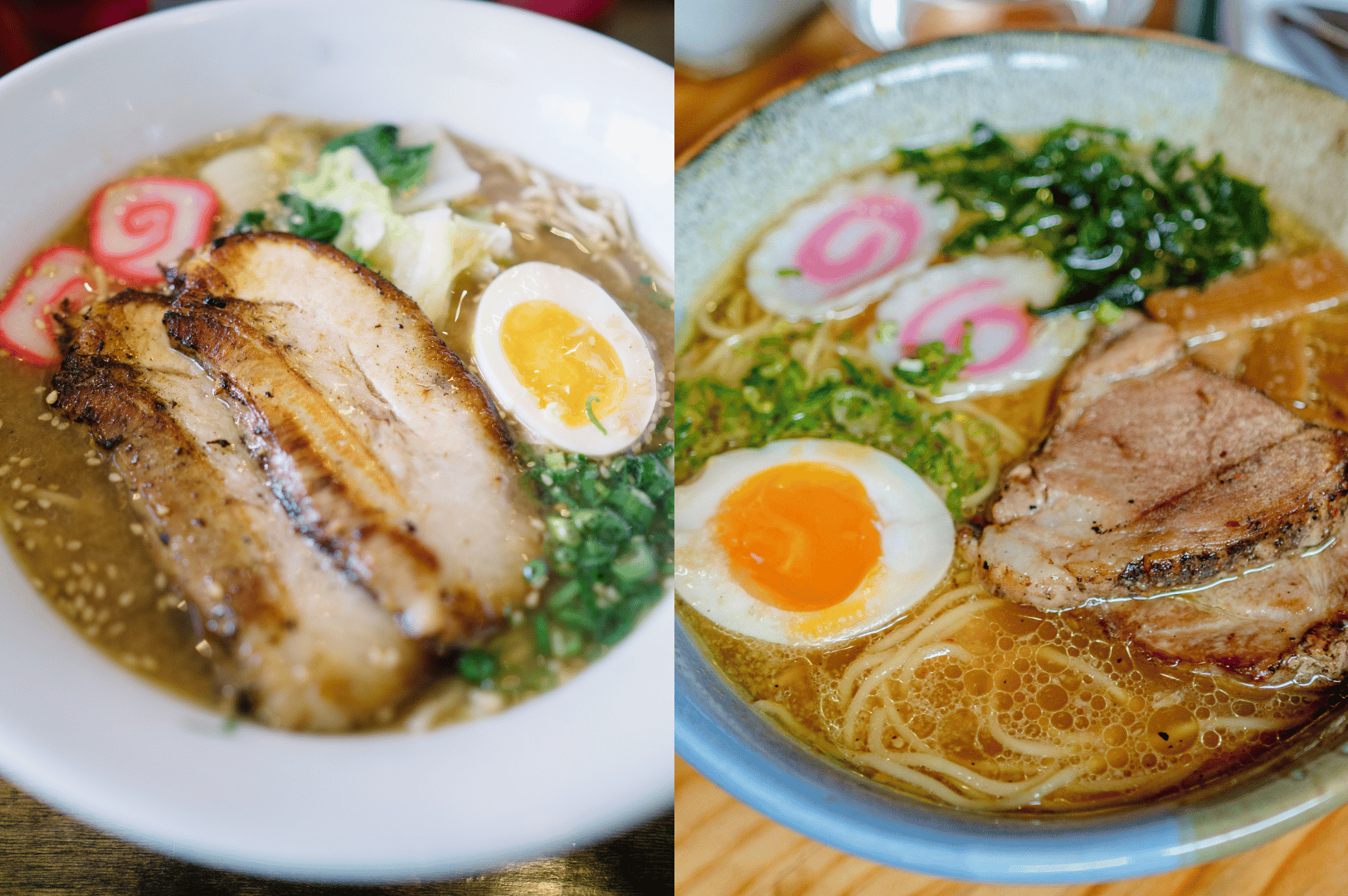
Part of what makes ramen so exciting is the variety of ramen toppings. From silky ajitsuke tamago and smoky chashu pork, to fresh chopped green onion, bok choy, or crunchy cabbage, every addition creates new layers of flavor and texture.
Naruto fits right in. Its
savory subtlety lets stronger elements like
chili oil,
garlic, or marinated
vegetables shine while adding its own understated charm. In fact,
narutomaki adds tradition and visual appeal that no other
fish cake can replace.
Japanese Ramen and Its Evolution
Modern Japanese ramen is the result of centuries of cultural exchange and local innovation. Originating from Chinese noodles, ramen became uniquely Japanese by adapting broths, seasonings, and toppings to regional preferences.
- Sapporo is famous for spicy miso ramen, often topped with butter, corn, and fermented bamboo shoots.
- Fukuoka offers rich tonkotsu ramen with its creamy pork-bone base.
- Tokyo shoyu ramen popularized naruto, giving it a starring role among best ramen toppings
Every bowl tells a story, but the presence of naruto ties it back to Japan’s landscapes, traditions, and yes—even anime.
Best Ramen Toppings: What Belongs in the Bowl?
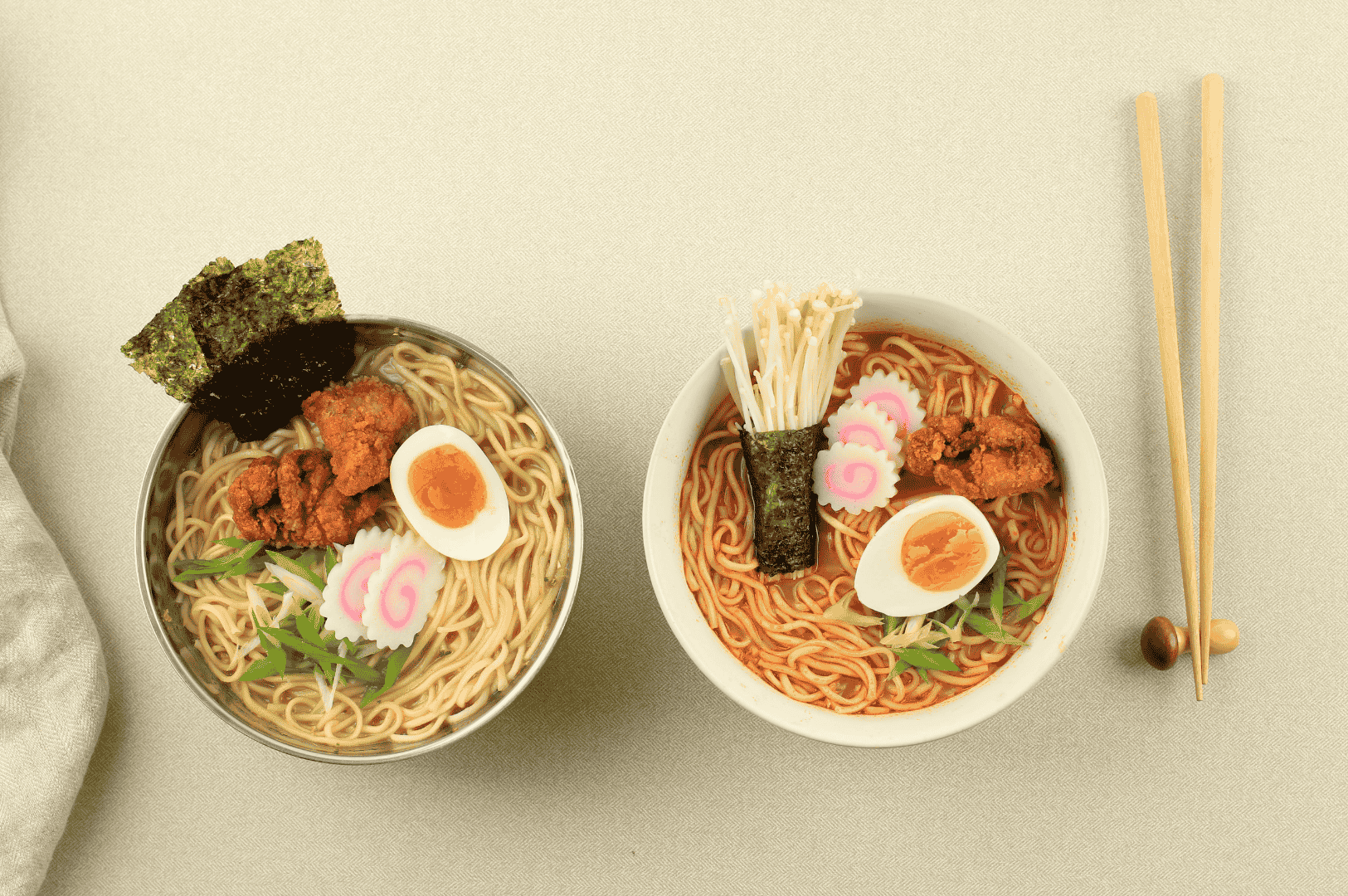
Ask ten ramen lovers to name the best ramen toppings, and you’ll hear everything from marinated eggs to spicy condiments. Some go heavy on meat like beef, chicken, or pork; others prefer lighter elements such as tofu, fresh vegetables, or seaweed.
Still, naruto is timeless. It offers:
- Flavor – a subtle savory sweetness that works with any broth.
- Texture – springy and bouncy, providing a satisfying bite.
- Visuals – the pink spiral makes every bowl more inviting.
Naruto is typically eaten as a topping in ramen, but it can also be eaten on its own as a snack or added to other dishes, showing its versatility and appeal.
That’s why even in adventurous shops experimenting with
sushi-inspired bowls or
spice-forward
recipes, naruto remains a
delicious topping that makes sense.
Preparation and Serving: Crafting the Perfect Swirl
The art of preparing narutomaki lies in its careful steaming and precise slicing. After the fish cake is cooked to perfection, it’s allowed to cool before being cut into thin, even rounds. These slices are then ready to take their place atop a steaming bowl of ramen, where they soak up the flavors of the ramen broth—whether it’s the clear, salty notes of shio ramen, the creamy richness of tonkotsu ramen, or the deep umami of miso ramen.
To showcase the pink spiral, narutomaki is often placed right on top of the noodles, surrounded by other classic toppings like green onions, nori seaweed, and a drizzle of japanese chili oil or toasted sesame oil for extra depth. The thin slices allow the fish cake to absorb the broth, enhancing its flavor and making every bite a little more special.
Whether you’re enjoying a simple homemade bowl or a chef’s signature
ramen dish, narutomaki is always
served as a finishing touch—adding color, texture, and a hint of tradition to every spoonful. Pair it with a splash of
soy sauce or a touch of
chili oil for a truly
delicious and well-balanced ramen experience.
Regional Variations: Naruto Across Japan
Travel across Japan and you’ll discover that narutomaki is a beloved staple in ramen shops from Hokkaido to Kyushu, but each region puts its own spin on this classic topping. In the north, Hokkaido’s ramen bowls often feature narutomaki nestled in a hearty tonkotsu ramen broth, where its mild flavor balances the richness of the pork-based soup. Down in Kyushu, you might find narutomaki paired with a spicy miso ramen, adding a gentle contrast to the bold, fiery seasonings.
In Tokyo, the home of shio ramen, narutomaki is a familiar sight, served alongside green onions, nori seaweed, and other traditional toppings. Each region’s approach reflects local tastes and ingredients, but the presence of narutomaki ties them all together, celebrating the diversity of Japanese ramen while honoring a shared culinary heritage.
No matter where you are in Japan, the
pink spiral of narutomaki is a sign that you’re about to enjoy a bowl of ramen that’s as much about tradition as it is about
flavor.
Fish Cake Beyond Ramen
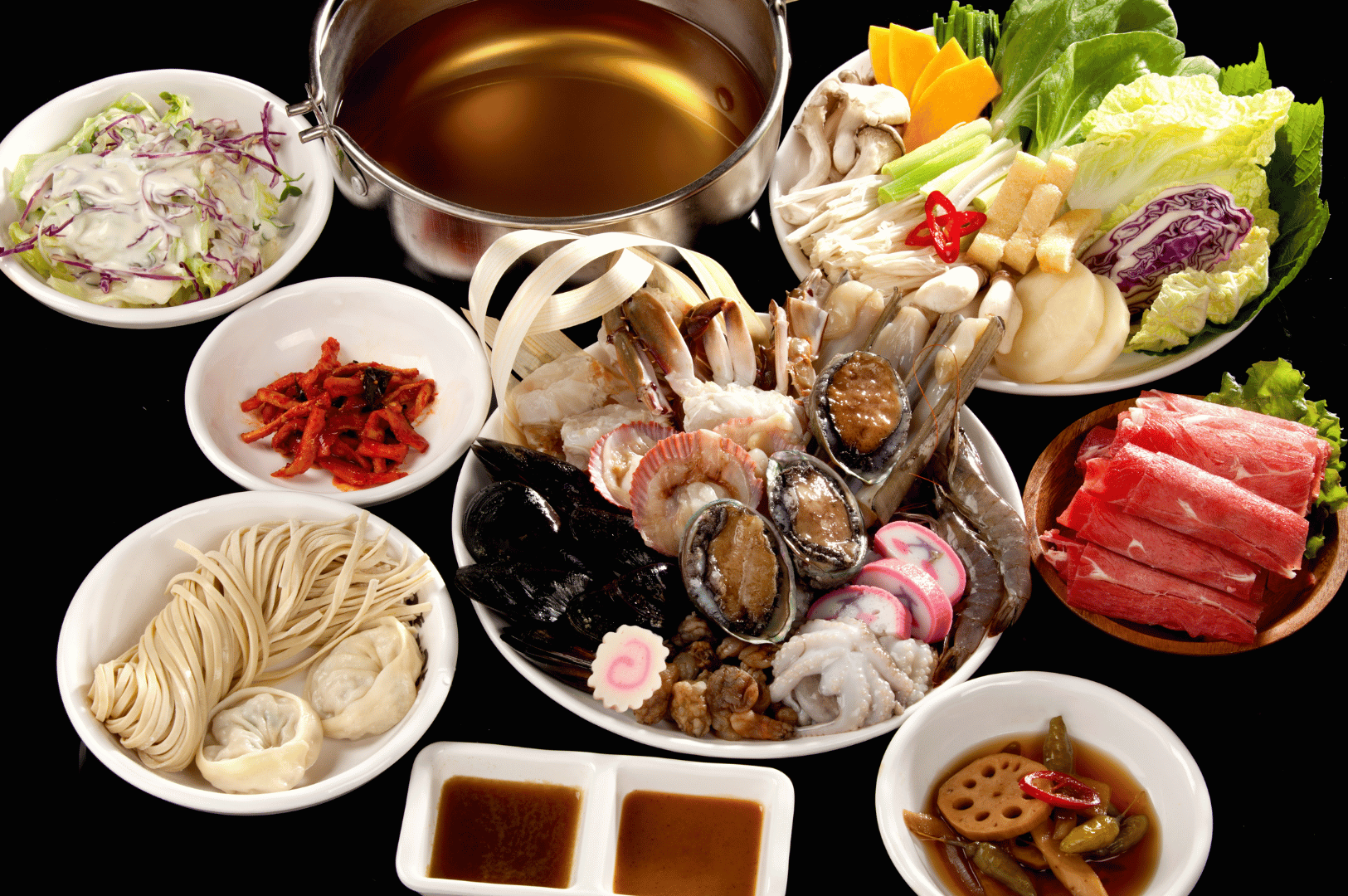
Though often linked with ramen, fish cake has long been used in other Japanese dishes. You’ll find it in hot pots like shabu shabu, soups with tofu and cabbage, or even alongside alcoholic beverages such as sake, where its umami pairs beautifully.
Other varieties, like red-and-white ita kamaboko or fried satsuma-age, show the diversity of
Japanese cooking. Yet the naruto variety remains uniquely tied to the
ramen game, thanks to its swirl and cultural symbolism.
Bok Choy and Other Fresh Contrasts
Among vegetables, bok choy has become a favorite addition to ramen outside Japan. Its mild crunch and slightly nutty taste contrast beautifully with fatty pork, tender shrimp, or silky eggs. Combined with naruto, green onion, and garlic, it rounds out the mix of flavors and textures in a bowl.
The combination of fresh vegetables with traditional
fish cake shows how ramen continues to evolve while honoring its roots.
Nutrition and Health Benefits: More Than Just a Pretty Swirl
Beyond its eye-catching appearance, narutomaki brings a host of nutritional benefits to your bowl of delicious ramen. As a steamed fish cake, it’s naturally low in calories and fat, making it a smart choice for those seeking a lighter topping. The surimi base provides a solid source of lean protein, essential for muscle repair and overall health.
Thanks to the inclusion of egg white, narutomaki offers an extra protein boost, along with important nutrients like vitamin B12, selenium, and omega-3 fatty acids—key components for energy and well-being. Its simple, wholesome ingredients make it a nutritious addition to any ramen dish, delivering both flavor and health benefits in every bite.
So the next time you spot that
pink spiral floating in your bowl, remember: narutomaki is more than just a pretty face. It’s a
delicious, nourishing
topping that brings both tradition and nutrition to the world of
ramen.
Naruto in Pop Culture

Of course, for millions worldwide, the word “Naruto” first conjures the image of a spiky-haired ninja rather than a fish cake. Masashi Kishimoto, creator of the manga Naruto, famously named his hero while eating a bowl of ramen. The name Uzumaki, meaning “spiral” or “whirlpool,” directly referenced naruto’s design.
From anime merchandise to ramen shop logos, naruto is more than food, it’s a symbol of Japan itself. For a deeper dive into how ramen intertwines with anime and manga culture, check out this insightful article on Best Ramen’s Ramen Anime Manga Pop Culture Obsession.
Throughout the series, the protagonist devours bowl after bowl of ramen topped with naruto, cementing its place in global pop culture. From anime merchandise to ramen shop logos, naruto is more than food—it’s a symbol of Japan itself.
Experience the Real Deal
The next time you’re served a bowl of delicious ramen, take a closer look at what’s inside. Notice the creamy broth, the marinated eggs, the layers of seasonings, the crunch of bok choy, the chew of noodles, and the swirl of naruto.
Every detail has a purpose. The naruto fish cake might seem small, but it connects centuries of culinary craftsmanship, Japan’s natural wonders, and even modern storytelling.
So don’t just eat it—appreciate it. Because in the end, naruto isn’t just a garnish. It’s a story of
umami, artistry, and joy, all served in a single bowl.
Recent Posts