The best
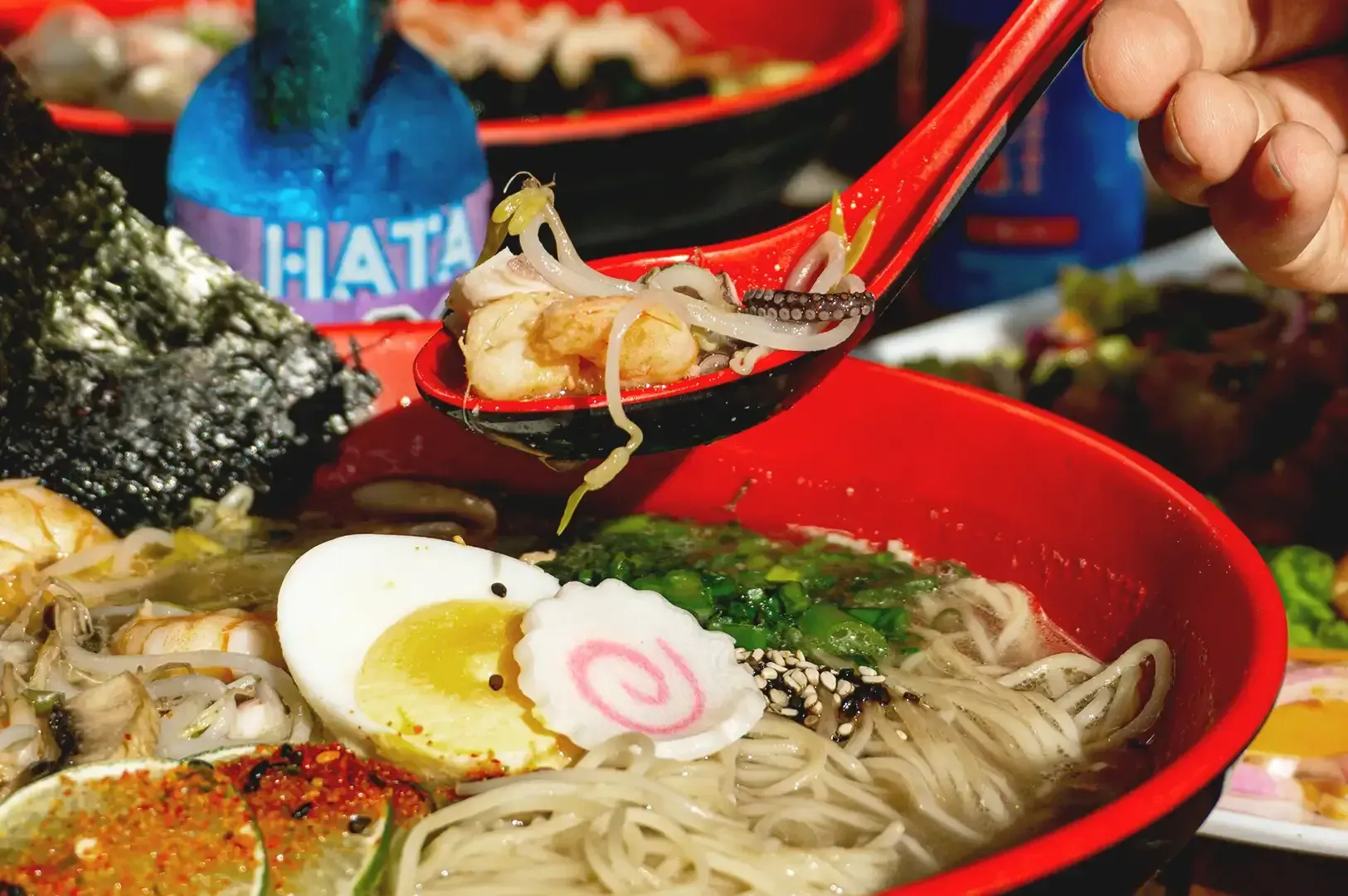
bowl of ramen I've ever had was not the richest. It was a quiet shoyu bowl on a rainy afternoon, and I remember pausing halfway through because everything just fit. The broth, the noodles, the little pool of aroma oil on top: nothing fought for attention. That was the moment I stopped chasing heavy soup and started chasing harmony.
I think we've been sold a myth. Somewhere along the way, "rich" became shorthand for "good," and thick, creamy, punch-you-in-the-mouth broth became the flex everyone talks about. I get the appeal. A bold tonkotsu that coats your lips is genuinely thrilling, and I've happily slurped my share.
But here's what I've noticed after countless bowls: richness alone gets boring fast. When a broth is all intensity and no structure, the second half of the bowl becomes a slog. Your palate goes numb. You stop tasting and start pushing through.
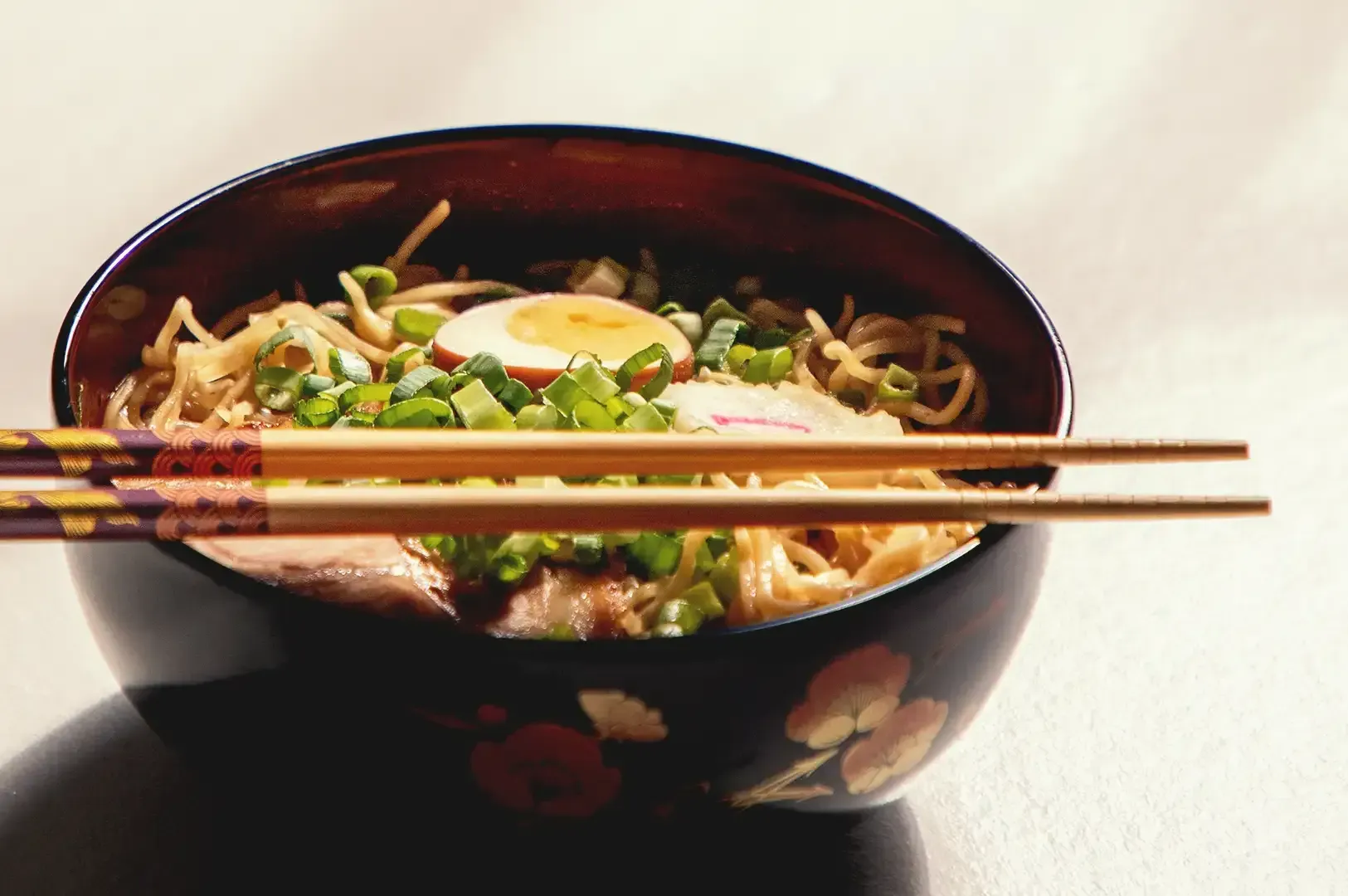
Balance is the real skill. A great bowl is a conversation between parts. The tare brings the seasoning and backbone. The aroma oil lifts the fragrance so you smell it before you sip. The noodles carry the broth without drowning in it, holding their chew from the first bite to the last. Even temperature matters, since a soup that stays hot keeps the whole thing alive.
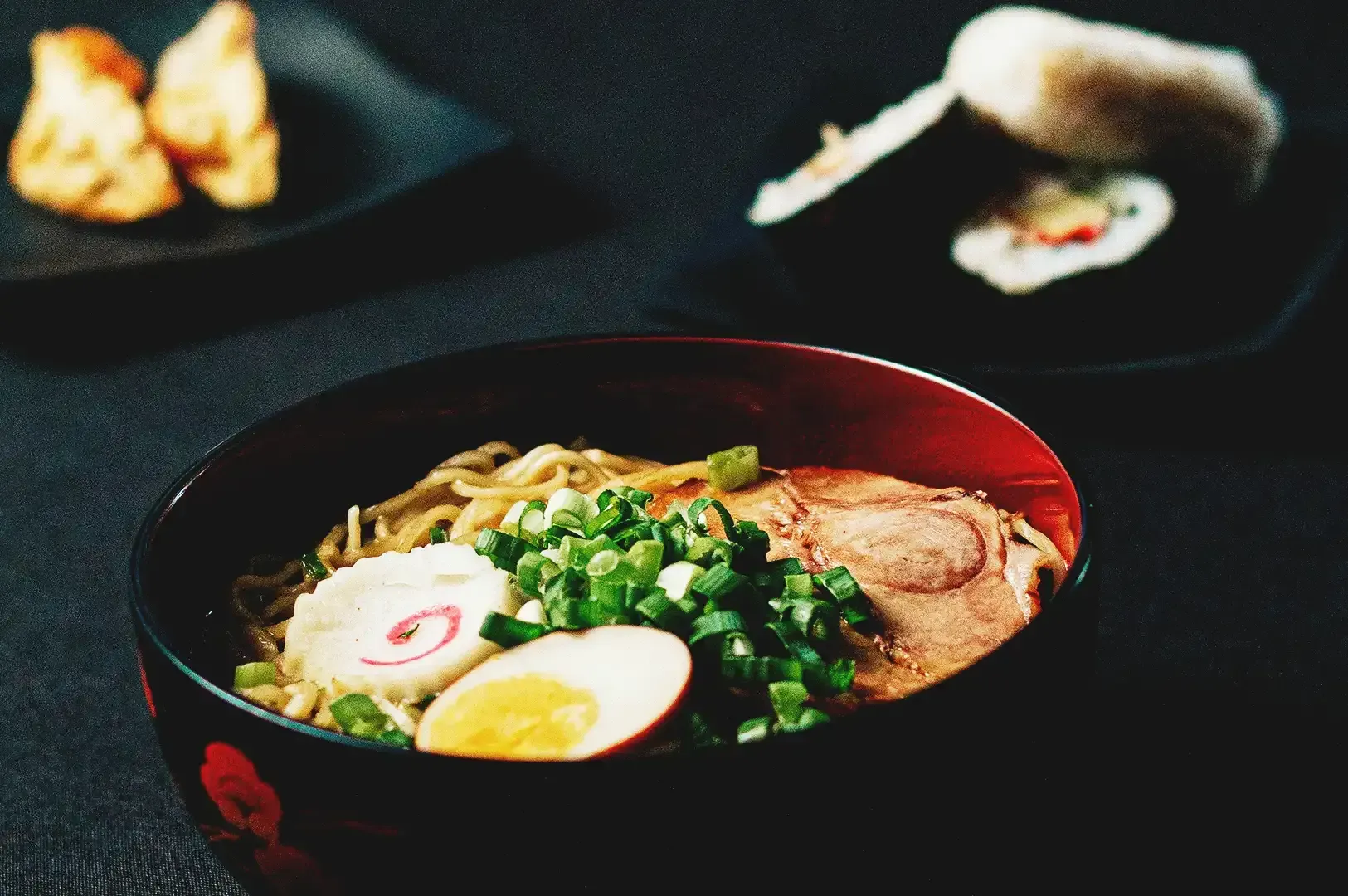
I find the toppings tell you a lot too. A good chashu shouldn't overpower the soup; it should melt into it. A soft egg adds richness in measured doses, not a flood. When every element knows its role, the bowl feels effortless, even though it took enormous care to build.
Pacing is the part most people miss. A balanced bowl invites you forward. You take a sip, then noodles, then a bite of topping, and somehow you want the next mouthful more than the last. That rhythm is the true mark of a kitchen that understands what it's doing.
None of this means bold bowls are bad. Sometimes you want a deep, comforting hug of a soup, and that has its place. I just don't think weight should be the whole measuring stick.
So next time you sit down with a bowl, notice how it feels from first sip to last. Does it tire you out, or does it keep pulling you back? For me, that answer says everything. The real flex was never how heavy the broth could go. It was how beautifully all the pieces could hold hands.