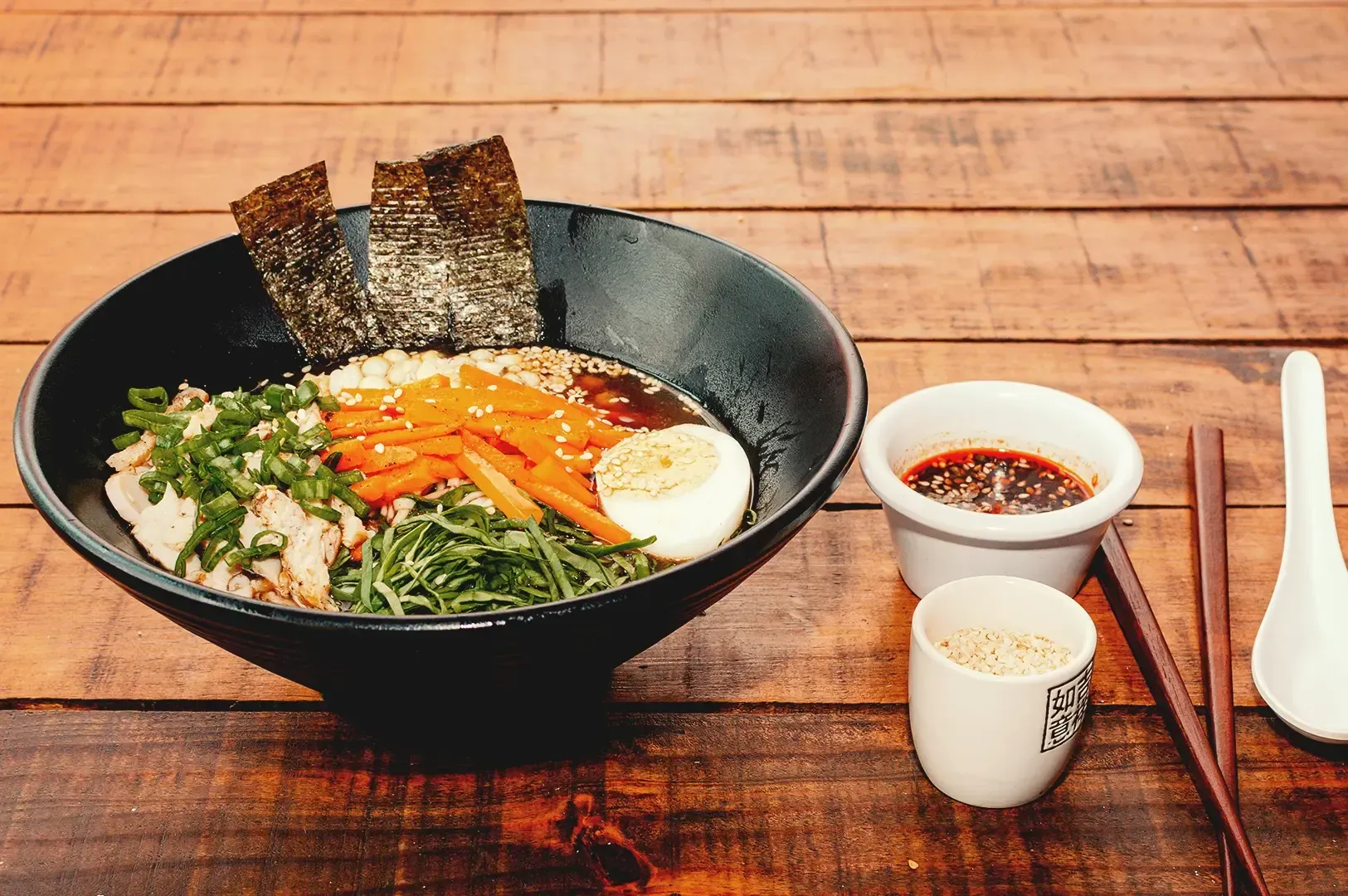
"Light Ramen" Is Code for "We Were Afraid to Season It"
I've eaten enough ramen to know when a bowl is holding back. And I've noticed a quiet trend on menus lately: the word "light." Light ramen. Light broth. Delicate, they say. Clean.
Sometimes that's true. But sometimes, if I'm honest, "light" is just a softer way of admitting the kitchen got nervous with the salt.
Here's the thing. A truly light ramen still has a point of view. A good shio or a gentle chicken paitan can be pale and quiet on the surface, yet still hum with umami underneath. You sip it, and there's warmth, a whisper of the sea, a savoury depth that lingers after the bowl is empty.
That's delicacy by design. Someone built that broth with patience, layering dashi and bones and time until it whispered instead of shouted.
Under-seasoned ramen is different, and I think most of us feel it before we can name it. The aroma is faint. The first sip is warm water with ideas. There's no salt to lift the flavour, no oil to carry it, no aftertaste to remember. The noodles could be springy and perfect, and it wouldn't matter, because the broth forgot to show up.

I understand why some people prefer lighter bowls. Not everyone wants a thick, salty tonkotsu that sits in your stomach for hours. Delicate Japanese ramen has real beauty when it's intentional, and I'd never dismiss someone for loving it.
But intention is everything. Subtlety takes confidence. It means seasoning right up to the edge of restraint and stopping there on purpose. Blandness is what happens when nobody made that choice at all.
I've tasted both, sometimes in the same week, and the gap is enormous. One leaves me thinking about it on the train home. The other leaves me reaching for the pepper.
So when I read "light ramen" now, I ask a quiet question. Light because someone was brave enough to trust a delicate broth? Or light because they were afraid to commit?
Good ramen seasoning isn't about being loud. It's about caring enough to make the flavour land, however soft the volume. Next time a bowl arrives looking pale and gentle, taste it slowly. If it lingers, that's craft. If it disappears, well, now you know the code.