Halal Ramen In Singapore: How Muslim Diners Are Claiming A Seat At The Ramen Counter
A Steaming Bowl In A City Of Many Faiths
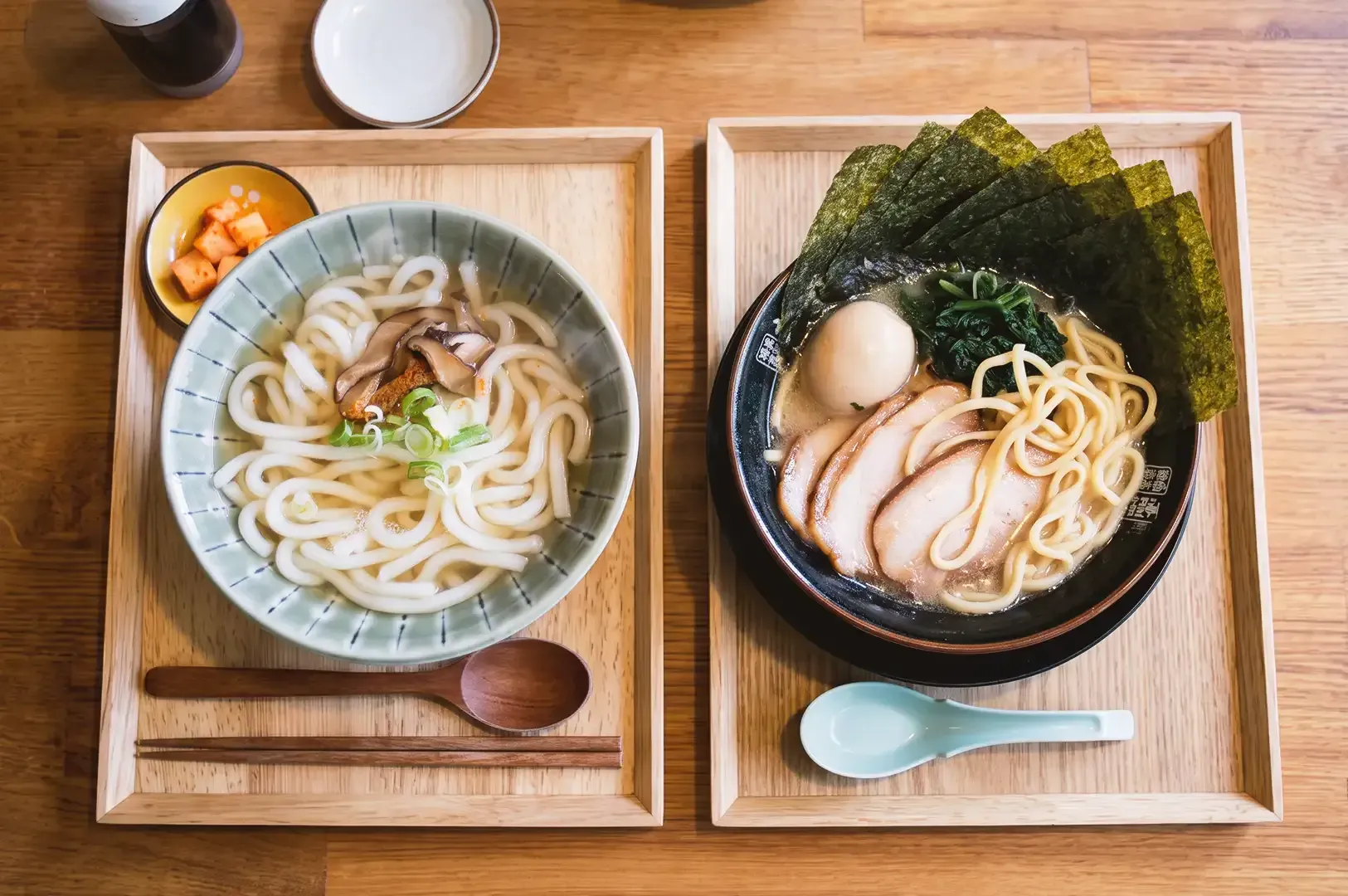
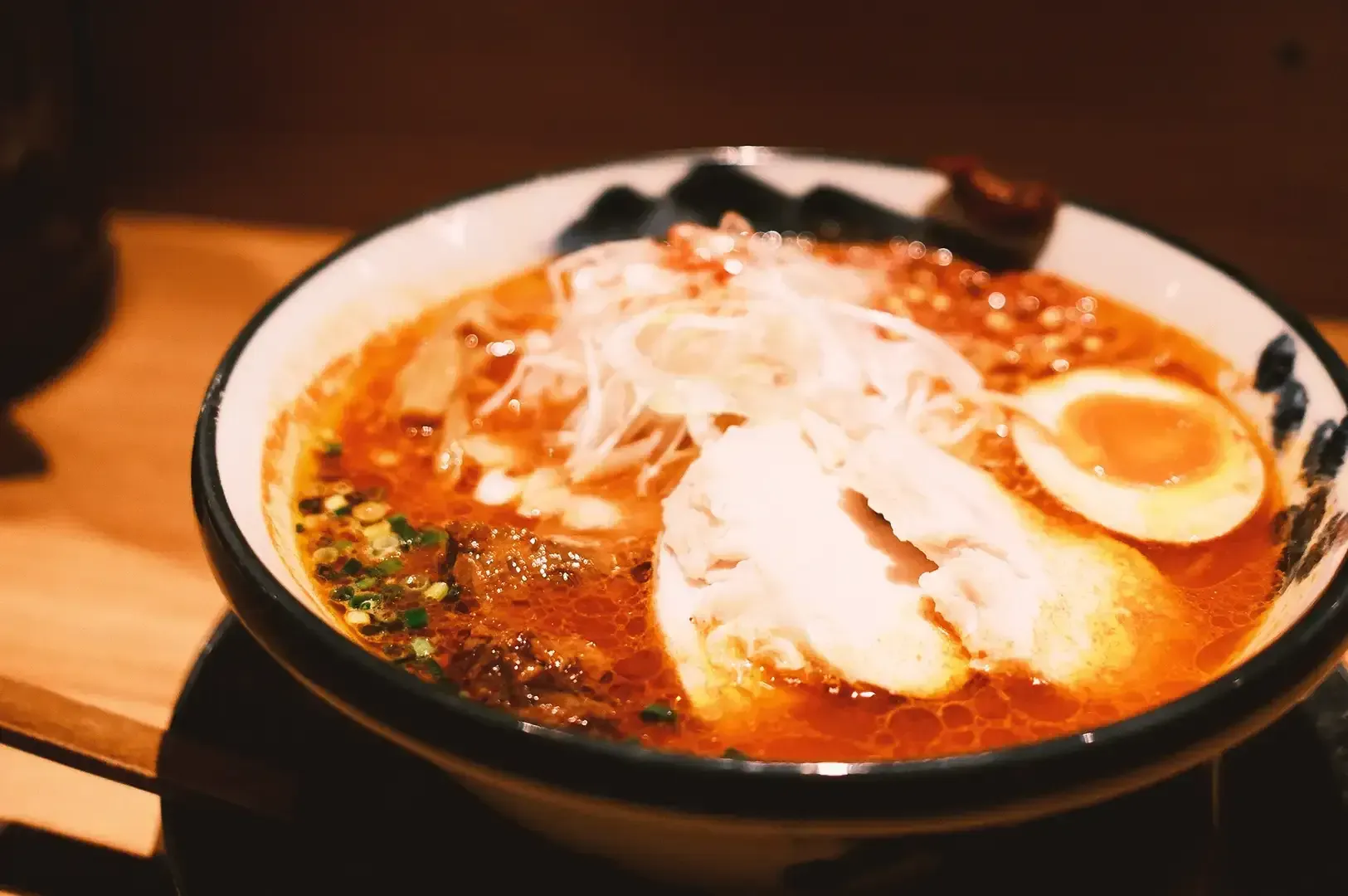
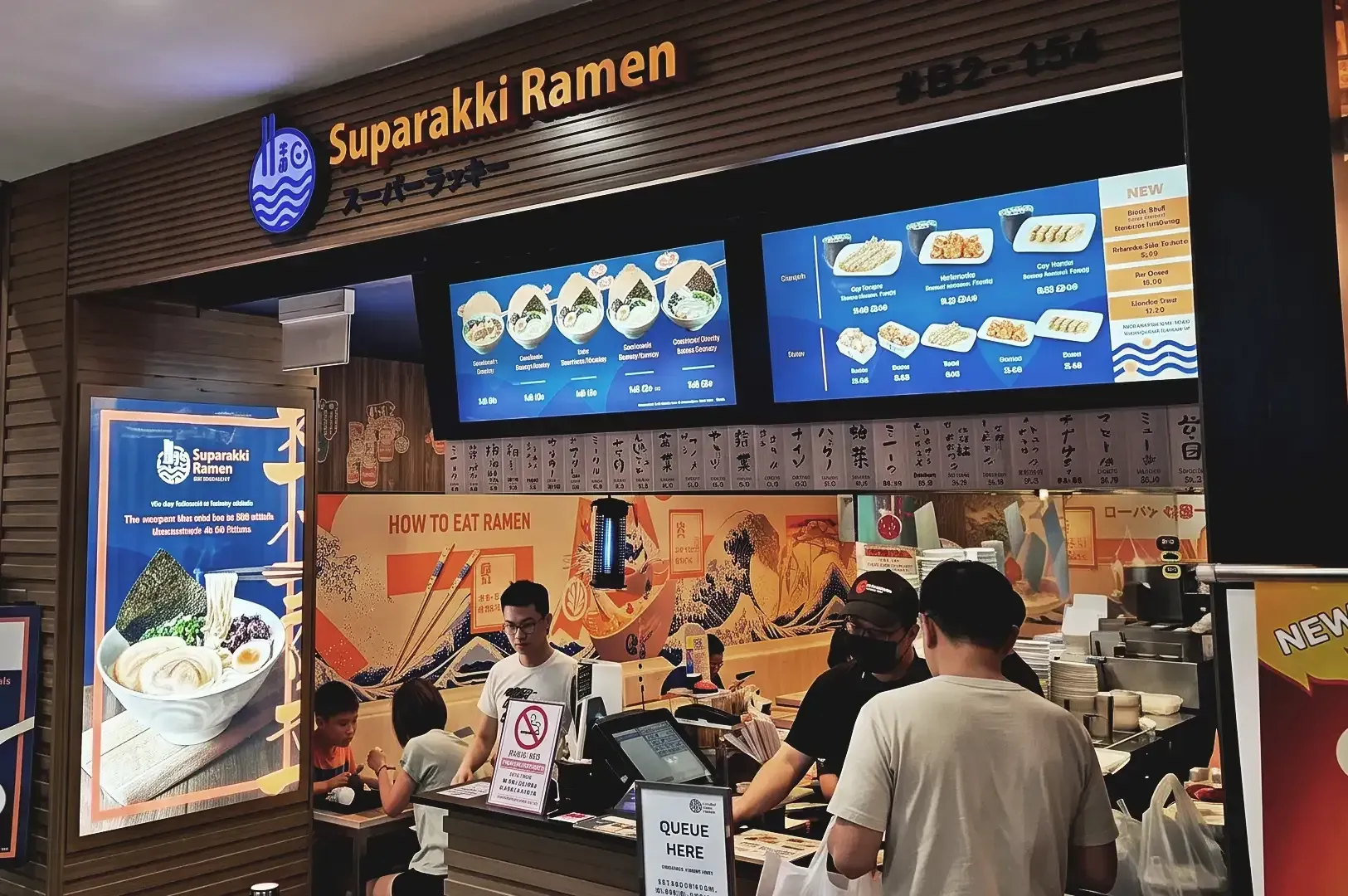
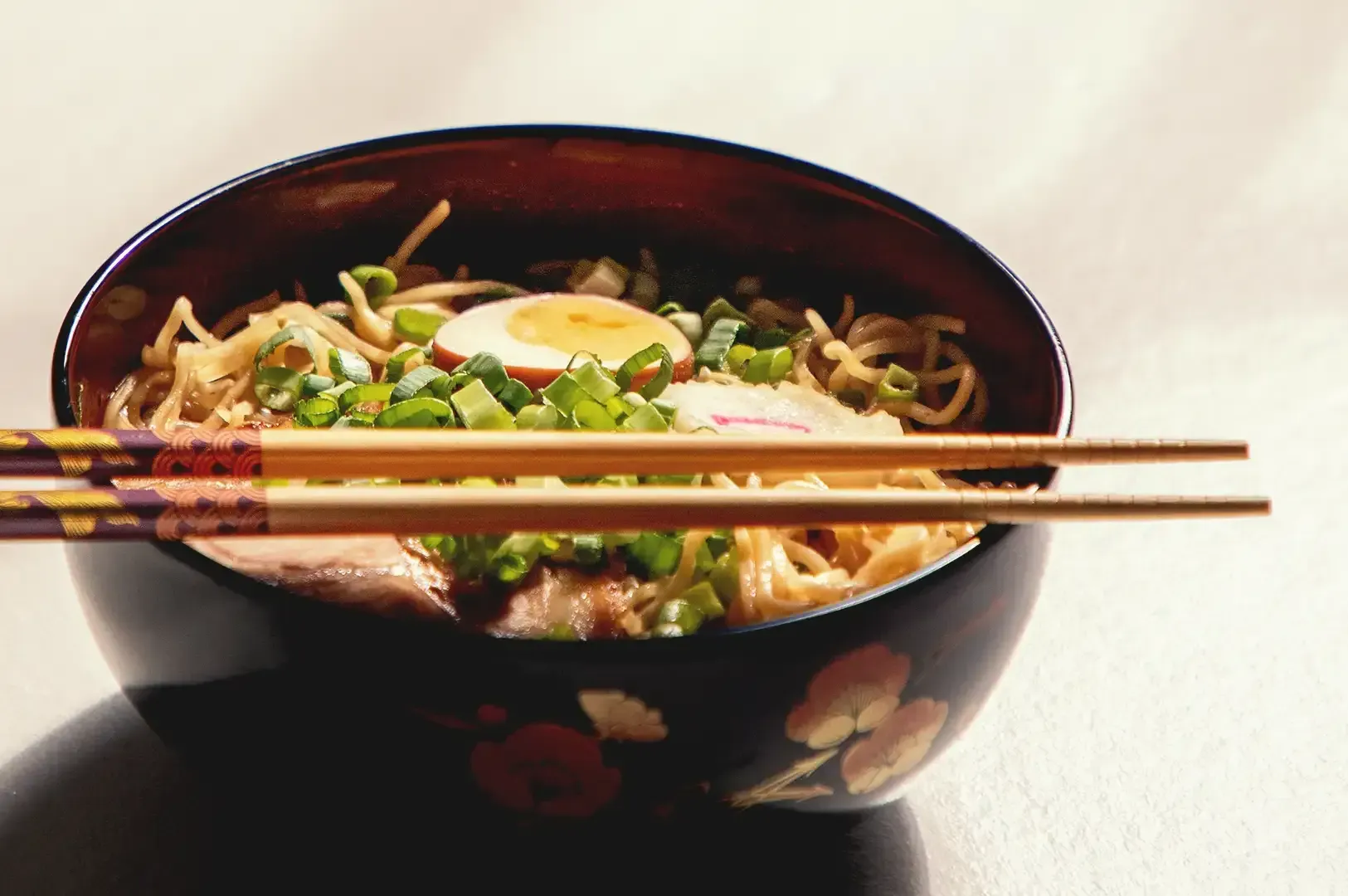
The lunch crowd at Suntec City moves fast, but the queue at Ichikokudo Hokkaido Ramen holds steady. A young woman in a hijab takes her seat at the counter, ticket in hand, and watches the chef ladle a cloudy, pale-gold broth into a waiting bowl. Curls of steam rise. The noodles go in, then chicken chashu, a jammy ajitama egg split clean down the middle, sheets of nori seaweed, and a generous pat of butter already beginning to melt into the soup. She picks up her chopsticks, slurps, and grins.
Many diners love the experience of finally enjoying authentic halal ramen in a welcoming environment, where they can savor the rich flavors and atmosphere without worry. Halal ramen is a variation of traditional Japanese noodle soup prepared according to Islamic dietary laws, ensuring every ingredient and process complies with halal standards. For a more in depth discussion on Mindfulness and Food Appreciation Across Cultures, click here.
Singapore’s Ramen Boom And The Late Arrival Of Halal Options
The ramen wave hit Singapore hard in the 2010s. Japanese chains like Ippudo and Ramen Keisuke opened flagship outlets in high-traffic malls, and suddenly everyone was talking about broth thickness, noodle firmness, and the proper way to slurp. Lines snaked out of shopfronts at 313@somerset and Bugis Junction. Food bloggers compared tonkotsu richness like wine critics swirling Burgundy.
But for Muslim diners, about 15% of Singapore’s population, or roughly 900,000 people—the boom felt distant. Traditional ramen relies on pork at almost every level: the broth simmers with pork bones for 12 to 18 hours, the chashu is braised pork belly, and the tare often contains mirin, a sweet rice wine. Even the frying oil for gyoza might be shared with pork products. The lack of halal ramen options was a bit of a challenge, and watching friends and colleagues slurp bowls of steaming noodles while ordering fried rice next door became a familiar routine.
Singapore’s multicultural society places real weight on halal certification. The Malay-Muslim community expects MUIS certification for peace of mind, and the city also welcomes 1.8 million Muslim tourists annually from Malaysia, Indonesia, and the Middle East. Demand for inclusive food options was always there—it just took the ramen industry a while to catch up.
The first noticeable wave of halal ramen concepts emerged in the late 2010s. Ichikokudo Hokkaido Ramen launched in 2018, positioning itself as a Hokkaido-style chicken ramen specialist with full MUIS certification. Tokyo Shokudo followed, offering chicken, beef, and seafood broths across heartland and city-centre outlets. The early scene was scattered—often just one shop tucked into a far-flung mall—but by 2022-2023, halal ramen had moved into mainstream shopping centres like Changi Airport Terminal 3, Hillion Mall, and Tampines.
Popular halal ramen options abroad include Gyumon and Ayam-Ya in Japan, as well as halal instant ramen brands like Samyang, which have gained popularity for their spicy ramen varieties.
“Finally being able to sit at a ramen bar,” one diner told me, “felt like joining a party I’d been watching through the window for years.”
What Makes Ramen Halal? Certification, Muslim-Owned, And Pork-Free Explained
Understanding what makes ramen halal requires looking beyond the obvious. Islamic dietary law prohibits pork and non-halal slaughtered meat, but it also restricts alcohol—which means mirin and sake, staples in traditional tare, are out. Cross-contamination matters too: shared ladles, frying oil, and even storage containers can compromise an otherwise halal menu.
In Singapore, three categories shape the halal ramen landscape:
| Category | Definition | Examples |
|---|---|---|
| Halal-Certified | Full MUIS certification with ingredient audits, supplier verification, kitchen segregation, and periodic checks | Ichikokudo Hokkaido Ramen, Tokyo Shokudo, some Omoomo outlets |
| Muslim-Owned | Owned by Muslims but may lack formal certification; many diners still feel comfortable | Various independent concepts |
| Pork-Free / No Pork No Lard | No pork served, but may use non-halal meat or alcohol-based seasonings | Certain Yoshinoya branches, fusion brands |
Consider a scenario: you’re choosing between a pork-free ramen at a generic Japanese eatery in Orchard and a fully halal-certified bowl at Ichikokudo. The former might skip pork but still use alcohol-based seasonings or share fryers with non-halal items. The latter offers end-to-end assurance. For many Muslim diners, that clarity is worth the trip.
Halal-certified ≠ just pork-free. The distinction matters.
Behind The Broth: How Chefs Rebuild Ramen Without Pork
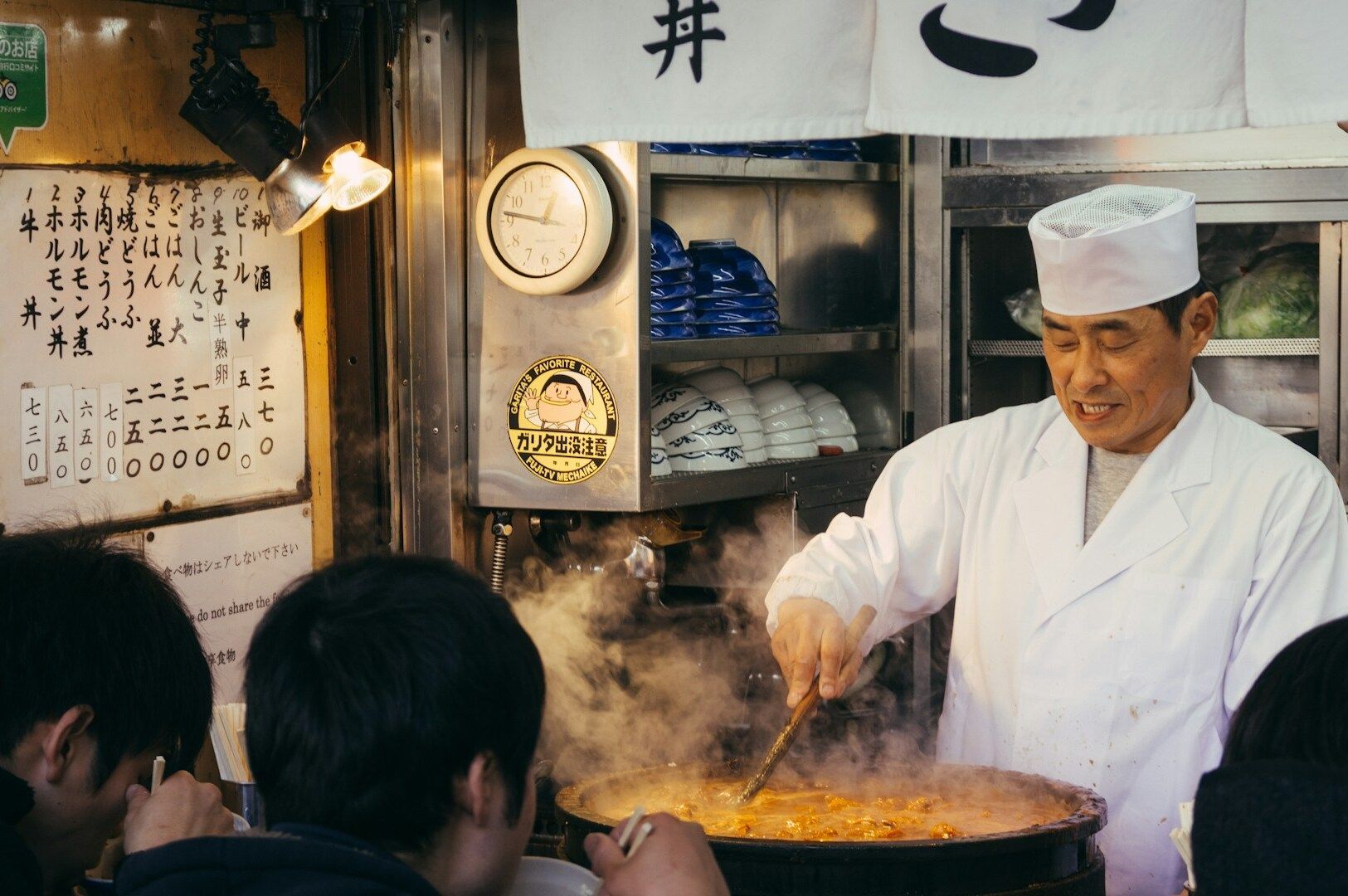
The heart of any ramen bowl is the broth. Classic tonkotsu achieves its creamy, milky body through 12 to 18 hours of simmering pork bones, extracting collagen and fat until the liquid turns opaque. Halal ramen chefs face a core culinary challenge: making a rich, satisfying broth using chicken, beef, or seafood without the original building blocks.
Chicken-based broths have become the workhorse of halal ramen in Singapore. Ichikokudo Hokkaido Ramen builds its signature soup from chicken frames, vegetables, and Hokkaido kelp, simmering until the broth turns cloudy and collagen-rich. The technique mirrors tori paitan, a Japanese method where boneless chicken legs, skin, onions, cabbage, and garlic cook for hours until proteins break down into a milky emulsion. Halal Tori Paitan uses a creamy broth made entirely from chicken bones as an alternative to pork-based tonkotsu, delivering a similar richness and mouthfeel. Some recipes call for blending the strained liquid for extra smoothness.
Supuramen, a halal ramen concept that operated at Our Tampines Hub from 2019 before its eventual closure, offered a chicken broth described as rich yet clean-tasting, slightly thicker than typical clear soups. The shop proved that halal ramen could compete on depth and body, not just convenience.
Beef and seafood alternatives expand the palette further:
- Beef marrow and bone broths imitate tonkotsu’s weight, offering a bold, meaty profile suited to spicy or miso-based bowls.
- Seafood-based shio or miso broths rely on dried anchovies, kombu, and shiitake mushrooms to achieve umami without pork or questionable bonito processing.
Technical workarounds abound. Mirin and sake get swapped for halal-certified mirin-style seasonings, or chefs adjust the salt-sugar-acid balance in the tare using rice vinegar, apple juice, or honey. Chicken oil (chiyu) and beef fat replace pork back fat, providing the aroma and mouthfeel that makes a bowl feel complete.
Picture a central kitchen in Singapore, late 2023: a halal ramen chef skims a 10-hour chicken stock, steam fogging his glasses. He taste-tests a shoyu tare prepared with halal-certified soy sauce, dried shiitake, and a touch of sweetness. The broth is pale gold, glossy with chicken fat. It’s not pork. It’s something new—and it works.
From Chashu To Ajitama: Reimagining Toppings And Textures
Toppings define a ramen bowl as much as the broth beneath them. Traditional options like pork chashu, gelatinous back fat, and menma all require rethinking or verification for halal compliance. The good news? Adaptation has sparked creativity.
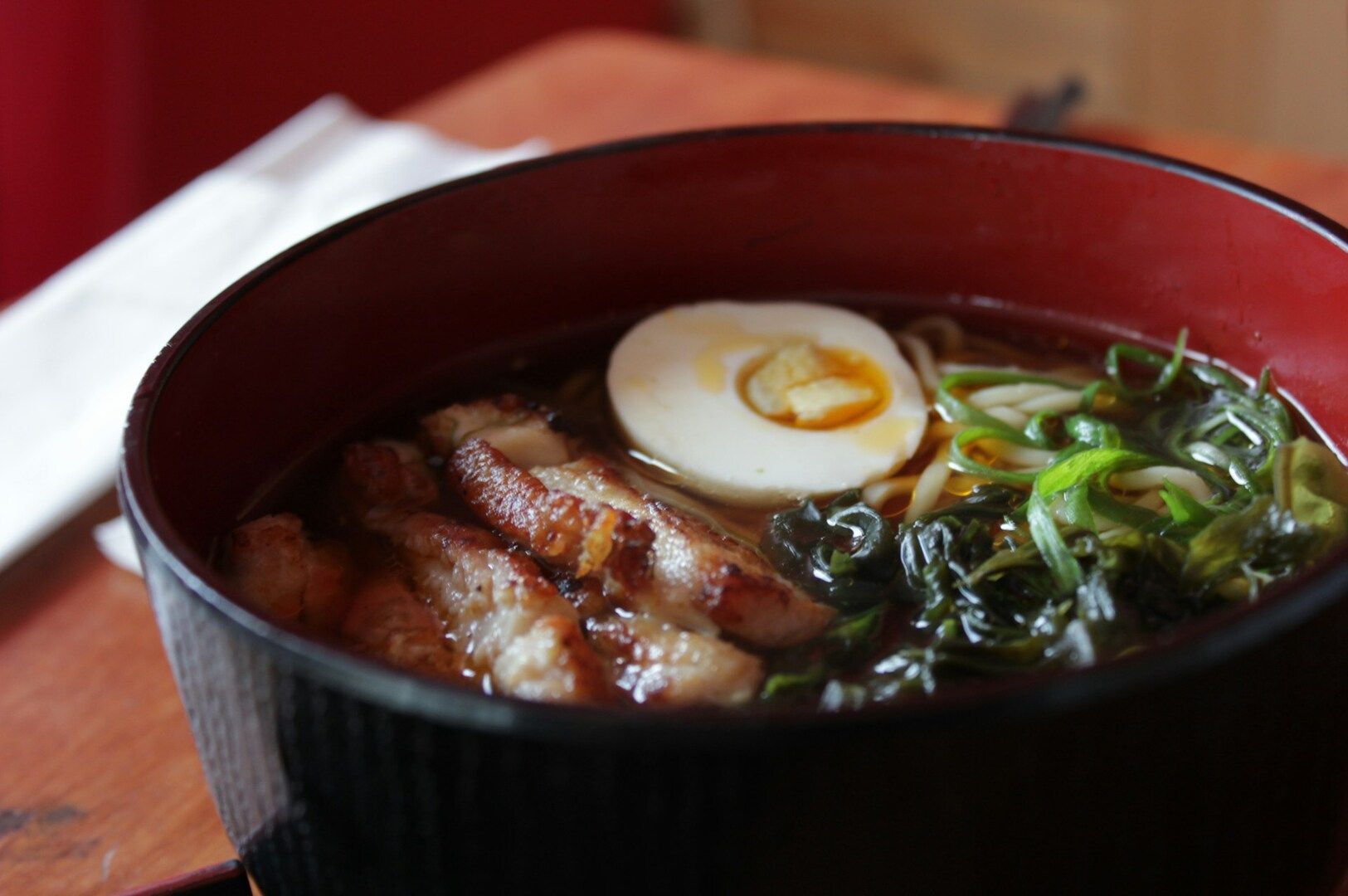
Chicken chashu has become the halal standard. Rolled, marinated, and slow-braised chicken thigh delivers a similar richness to pork belly, with a slightly leaner bite. Ichikokudo and the former Supuramen both featured chicken chashu as a centrepiece, and it holds its own against the original.
Beef slices and yakiniku-style beef appear in spicier bowls, offering a bolder, meatier contrast. This mirrors trends from halal-friendly ramen shops in Japan, where establishments like Honolu in Tokyo cater to Southeast Asian Muslims with rich, spicy yakiniku ramen. Local chefs have taken note.
Textural play matters. Handmade or custom noodles—wavy Hokkaido-style versus straight Hakata-style, affect slurpability and how the soup clings to each strand. Some halal shops opt for thinner somen-like noodles for lighter chicken broths, as Supuramen once did with its original bowl.
Side dishes round out the meal. Chicken gyoza, karaage, and prawn tempura appear at places like Tokyo Shokudo, but the frying oil must be segregated from non-halal ingredients. Staff training and kitchen discipline keep everything on track.
Fried shallots and bamboo shoots add essential crunch and umami notes, while ajitama eggs provide a creamy, rich texture with their soft, jammy yolks. Seaweed sheets bring a subtle briny flavor that complements the broth perfectly.
Profiles: Halal Ramen Brands Shaping Singapore’s Noodle Story
Instead of ranking the “best” halal ramen spots, let’s look at a few representative brands that show how different concepts approach halal ramen in Singapore. Each brings something unique to the table.
Ichikokudo Hokkaido Ramen
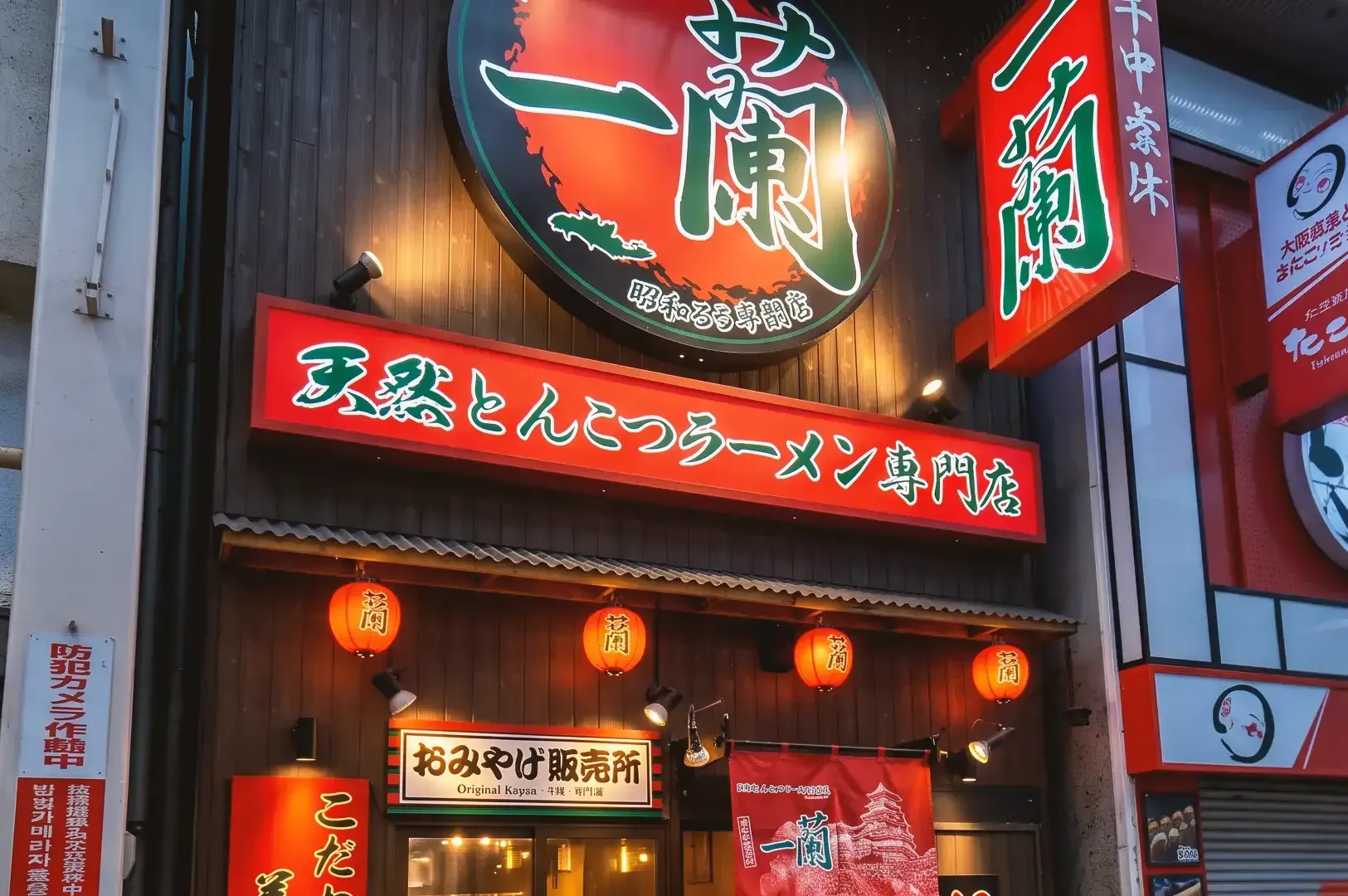
With outlets at 313@somerset, Changi Airport Terminal 3, Hillion Mall, and Suntec City, Ichikokudo has become synonymous with halal ramen in Singapore. The brand positions itself as a gateway to Hokkaido’s culinary culture—think butter, seafood, dairy, and the island’s famous produce.
The signature bowls lean into Hokkaido miso traditions: chicken-based broth topped with grilled chicken chashu, sweet corn, melting butter, and crisp nori. The décor evokes a cosy Hokkaido streetscape, with warm wood tones and soft lighting. It’s a place to bring friends, linger, and enjoy a rich bowl without rushing.
Unlike many halal spots that feel like afterthoughts, Ichikokudo was built for this purpose from the start. The menu reflects it: plenty of options across shoyu, miso, and spicy ramen categories, plus sides like chicken katsu and seafood tempura.
Tokyo Shokudo
Tokyo Shokudo takes a broader approach, combining ramen with tempura don and other Japanese comfort food staples. Outlets in city centres and heartland malls (like City Square Mall and Bugis) make it accessible to office crowds and families alike.
The ramen lineup includes light chicken broth for shio and shoyu, with beef and seafood variations for those craving something bolder. Spicy-level options suit local palates—add chilli paste, request extra heat, and customise to taste. The vibe is functional rather than fancy, but the food delivers.
Supuramen: A Stepping Stone
Supuramen opened at Our Tampines Hub (#B1-53A) in February 2019 with a clear mission: affordable, halal-certified ramen for the heartlands. Sub-$11 price points, a cosy ambience, and a menu designed for after-work crowds made it a hit.
The Original Supuramen featured thin somen noodles with chicken chashu in a rich chicken broth. The Supuspicy bowl pushed heat with vegetarian belacan substitute and a thick, spicy soup. Free-flow condiments—fried shallots, bean sprouts, chilli oil—encouraged customisation.
Supuramen eventually closed permanently, but its legacy matters. It proved that demand for affordable halal ramen exists in the heartlands, paving the way for future concepts. For more stories on Singapore’s evolving ramen scene, platforms like BestRamen.com.sg track openings, closures, and menu evolutions across the island.
Other Players
Fusion brands like Omoomo blend Korean and Japanese flavours in customisable, halal-certified bowls. Mainstream chains like Yoshinoya offer beef bowls and ramen in some halal-certified outlets, showing that Japanese comfort food can cross into the halal mainstream without losing its identity.
The Sensory Experience: How Halal Ramen Still Feels Authentically Japanese
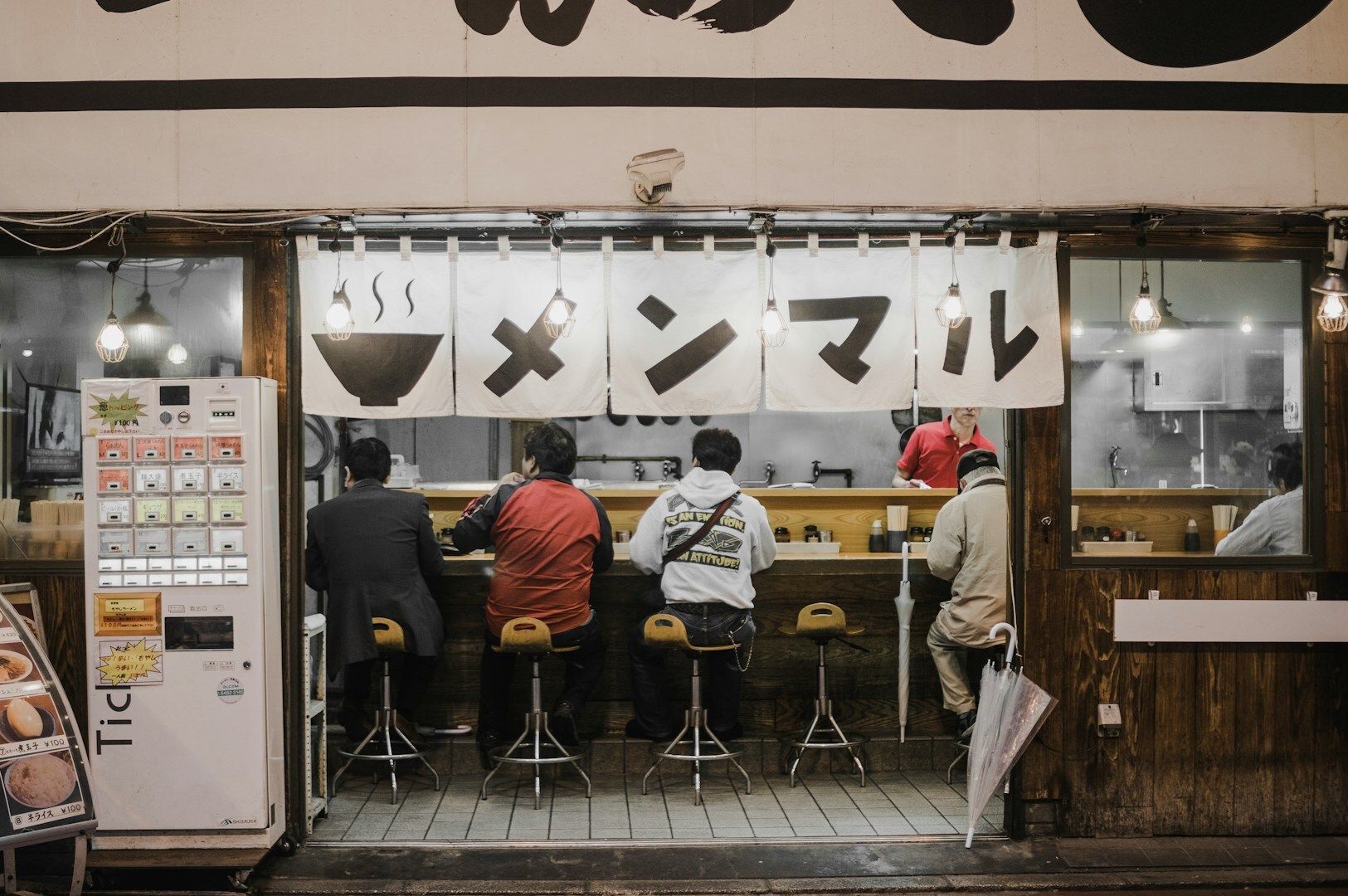
Sit at a halal ramen counter in 2024. The clatter of ladles, the hiss of noodles hitting hot broth, the fog of steam rising past your face. The bowl arrives heavy and warm between your palms. You breathe in chicken fat, soy, a whisper of garlic.
Despite the absence of pork, the fundamental ramen experience remains. The broth-first sip ritual. The slurp, loud, unapologetic, encouraged. The customisation: chilli oil drizzled in, fried shallots scattered, marinated bean sprouts piled high.
Texture Contrasts
Springy noodles meet tender chicken chashu. Bean sprouts crunch against silky, oozing egg yolks. Bamboo shoots add an earthy snap. These textures mirror classic Japanese ramen intent, even when the ingredients differ.
Some outlets incorporate subtle Japanese design touches, noren curtains at the entrance, wood counter seats, ticket machines inspired by Tokyo ramen-ya. For Muslim diners in Singapore, these details matter. They signal that this isn’t a compromise. It’s an invitation.
Halal Ramen Within Singapore’s Multicultural Food Landscape
Singapore has always been a city of culinary crossovers. Indian-Muslim mee rebus, Chinese-style Malay mee siam, Malay-influenced Hainanese dishes, fusion is baked into the national palate. Halal ramen extends this tradition by bringing Japanese techniques into conversation with Islamic dietary law and Malay-Muslim eating culture.
From a business angle, landlords and F&B groups increasingly recognise halal-certified ramen as a viable segment, not just a niche. Singapore’s halal food market is valued at SGD 1.5 billion and growing. Post-2020, despite pandemic setbacks, new halal ramen concepts continue to emerge. The numbers don’t lie.
Challenges, Misconceptions, And The Road Ahead
Practical Challenges
Operating a halal ramen shop isn’t easy. Halal-certified chicken costs 20-30% more than conventional options. Imported Japanese seasonings with halal status require careful sourcing. Kitchen segregation and staff training add complexity and slow operations compared to conventional ramen shops. MUIS certification itself costs SGD 5,000 or more annually.
Culinary Misconceptions
The assumption that halal ramen must be bland persists—but it’s wrong. Rich chicken broths at Ichikokudo and the thick, spicy bowls once served at Supuramen prove otherwise. Another misconception: “halal” means only Malay flavours. Most halal ramen shops stick closely to Japanese flavour profiles, occasionally offering local-inspired specials like tom yam ramen or curry ramen.
Sustainability and Consistency
Supuramen’s closure, despite its popularity, shows that good food alone doesn’t guarantee survival. Rental costs, manpower shortages, and shifting post-pandemic dining patterns all play a role. Building loyal communities of Muslim and non-Muslim patrons keeps halal ramen concepts viable.
Resources For Ramen Lovers And How To Choose Where To Slurp
For Muslim and halal-conscious diners, a few practical habits help:
- Check MUIS listings or in-store certificates for up-to-date halal status before you pay
- Ask staff about broths, seasonings, and frying oil if dining at a pork-free restaurant—clarity is better than assumption
- Verify before you visit: certification status can change, so don’t rely on outdated info
For comprehensive reviews and guides across Singapore’s diverse ramen scene—including halal options,
BestRamen.com.sg
serves as an authoritative platform. You can compare broth styles, noodle textures, and ambience descriptions before planning your next outing, and find photos and reviews from other diners who’ve already done the legwork. You can also find detailed reviews of halal ramen restaurants to help guide your choice. At some ramen shops, you purchase your ramen selection using a vending machine before handing the ticket to staff, making the purchase process quick and convenient.
Closing: A Bowl That Bridges Worlds
Return to that lunch counter at Suntec City. The Muslim diner finishes the last spoonful of broth, tilting the bowl to catch every drop. Around her, colleagues of different faiths enjoy similar bowls—some with extra butter, some with fried shallots piled high, some with spicy ramen that makes them reach for water.
Halal ramen in Singapore is more than clever substitution. It’s the convergence of Japanese craftsmanship with Singapore’s commitment to inclusive, multicultural dining. Each halal-certified bowl represents hours of adaptation—changing broths, sourcing ingredients, training staff—so that Muslim diners don’t have to choose between faith and flavour.
As new ramen shops open and older ones refine their menu, future generations of Muslim Singaporeans may grow up thinking of ramen not as something they “can’t eat,” but as one of their own comfort foods. The steam rising from that bowl carries more than aroma. It carries belonging.
Recent Posts