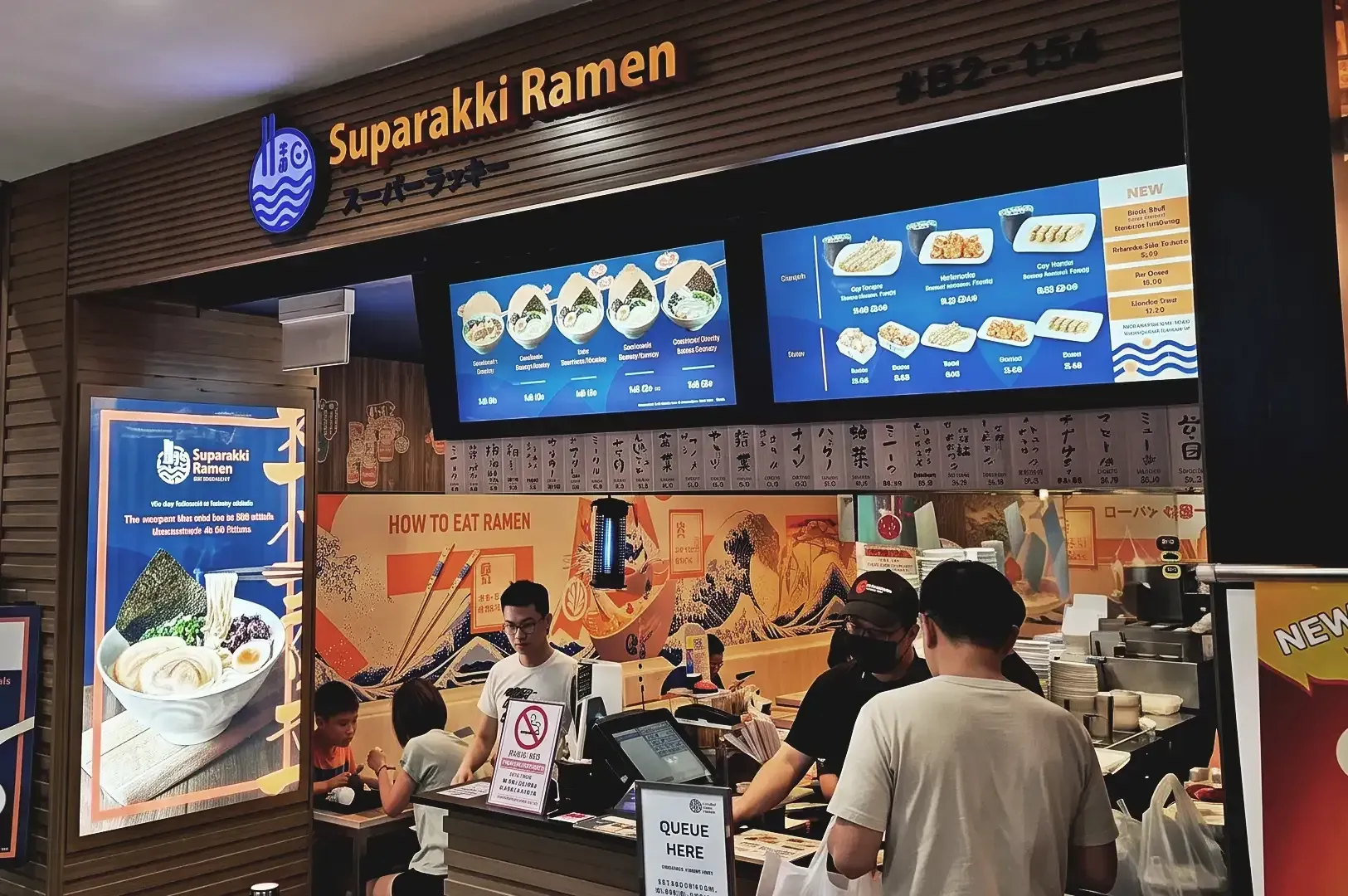
The first bowl I remember clearly wasn't in Japan. It was in a cramped basement counter in Tokyo, yes, but what stayed with me was the silence. Everyone hunched over their bowls, heads down, slurping fast. Nobody spoke.
The
broth was thick and salty, built to be finished before the noodles softened. You ate, you left, you made room for the next tired soul.
That's a Tokyo bowl to me now. Quick, dense, practical. A city that moves fast makes ramen you can love in a hurry.
But I've eaten the same dish somewhere slower, and it becomes a different creature entirely.
In a quieter town, the bowl arrives with less urgency. The broth might be lighter, clearer, letting you taste the sea or the chicken instead of drowning in fat. People linger. The steam rises and nobody rushes it. The noodles have room to breathe, and so do you.
I used to think there was one correct way to make ramen. The older I get, the more that idea feels silly.
Weather bends it. A cold city wants richness that sticks to your ribs. A humid one leans toward something you can finish without sweating through your shirt. Local hands reach for local ingredients, so the same word means a hundred different bowls depending on what the market sold that morning.
Even the people at the counter shape it. What diners expect, a place learns to serve. Ramen listens.
I've had bowls that tasted experimental, almost showing off, in cities that pride themselves on reinvention. And I've had humble ones, unchanged for decades, in neighborhoods that hold their traditions close. Both felt honest.
What surprises me is that
ramen never loses itself in the traveling. It doesn't get diluted. It absorbs the mood of wherever it lands: the pace, the weather, the quiet or the noise of the room.
Maybe that's the whole point. A bowl of ramen isn't just food. It's a small mirror of the place that made it.
So the next time you sit down somewhere new, don't just taste the broth. Notice the room. Notice how fast people eat, how they hold their spoons, whether the door stays open to the street.
The bowl is telling you where you are. You only have to listen.