The menu said twelve hours.
I remember reading that number before the bowl even arrived, and I remember how it changed the way I sat. Straighter, somehow. More expectant. As if the time on the page had already seasoned the soup in my head.
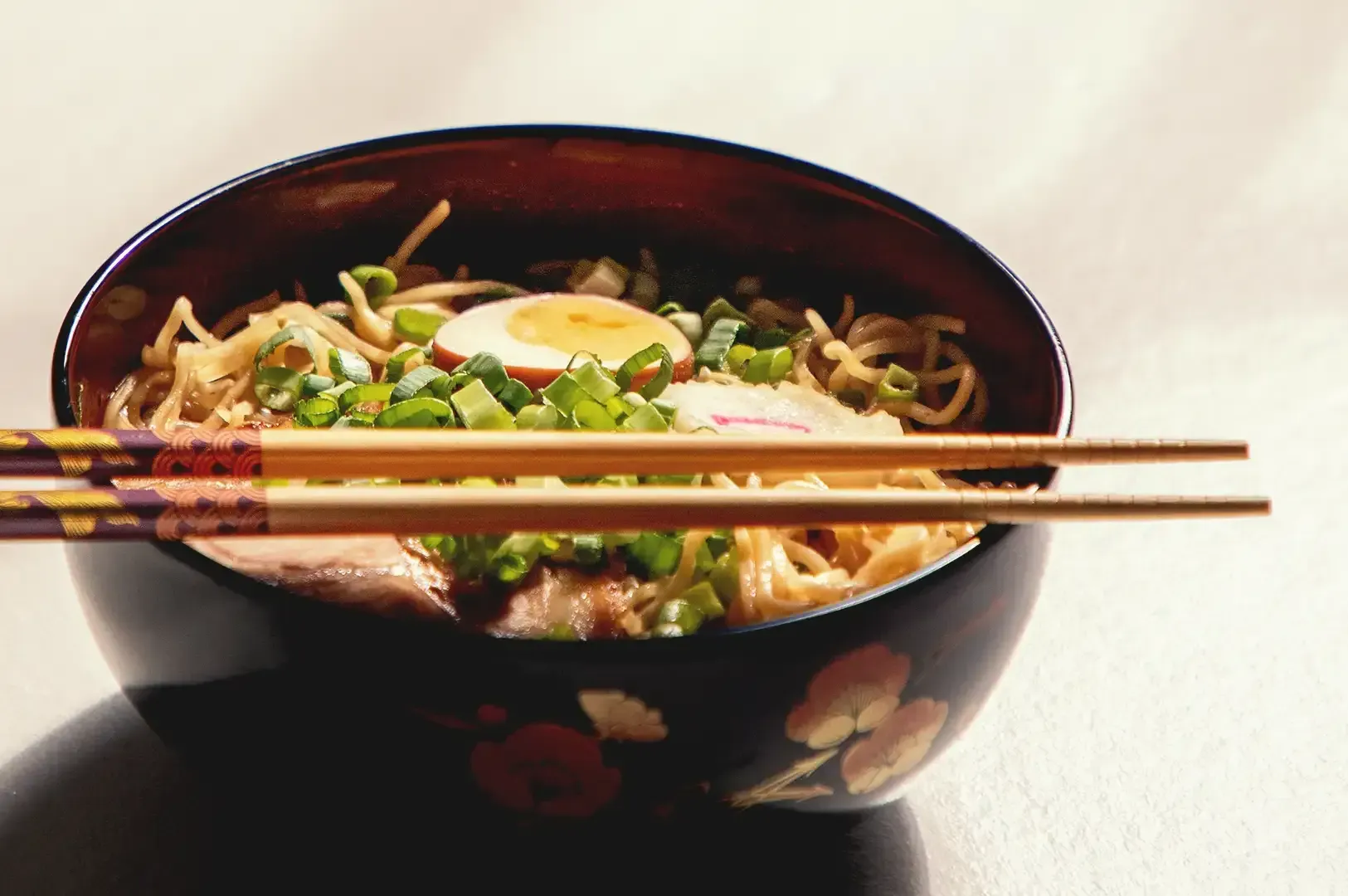
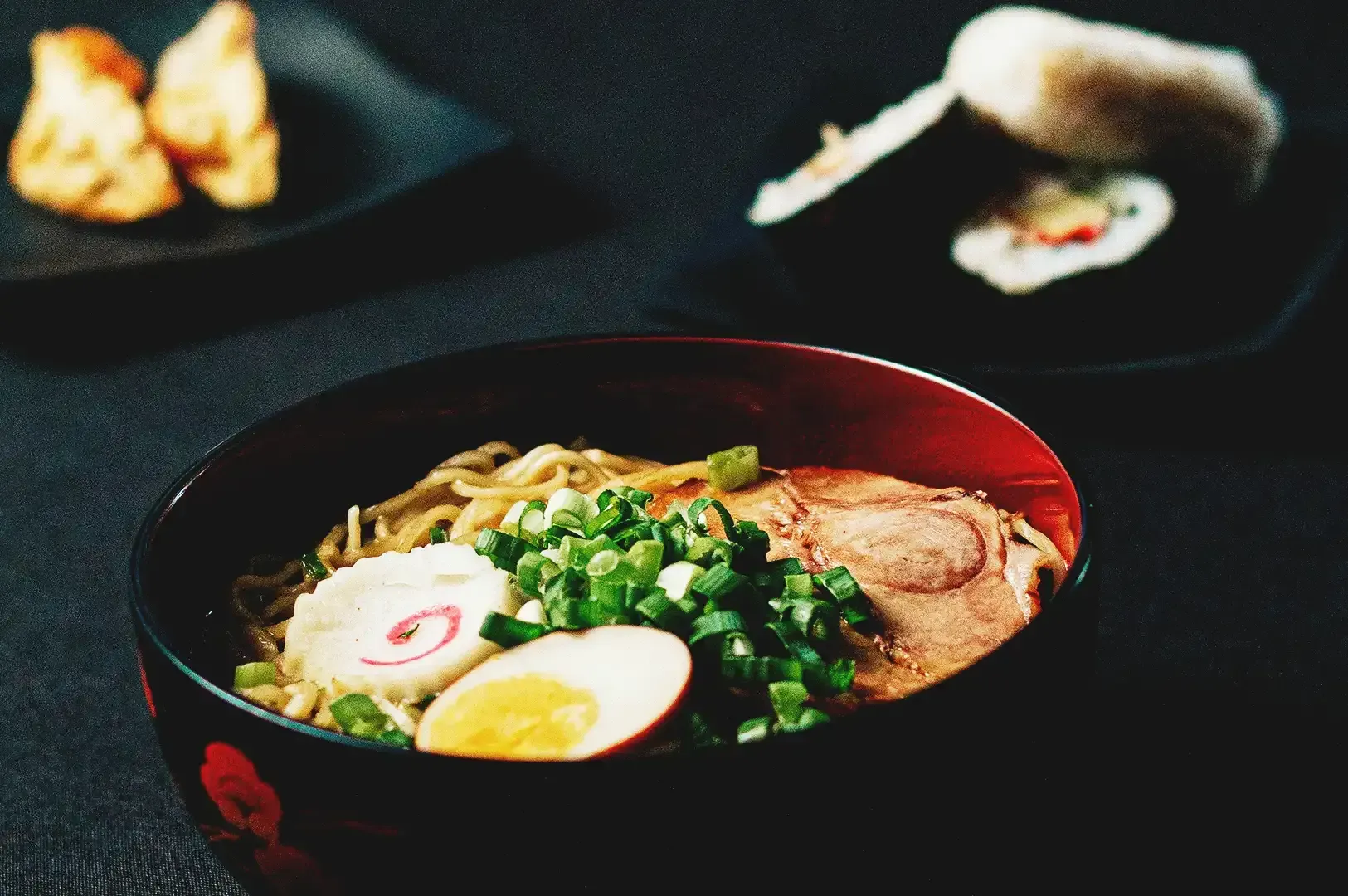
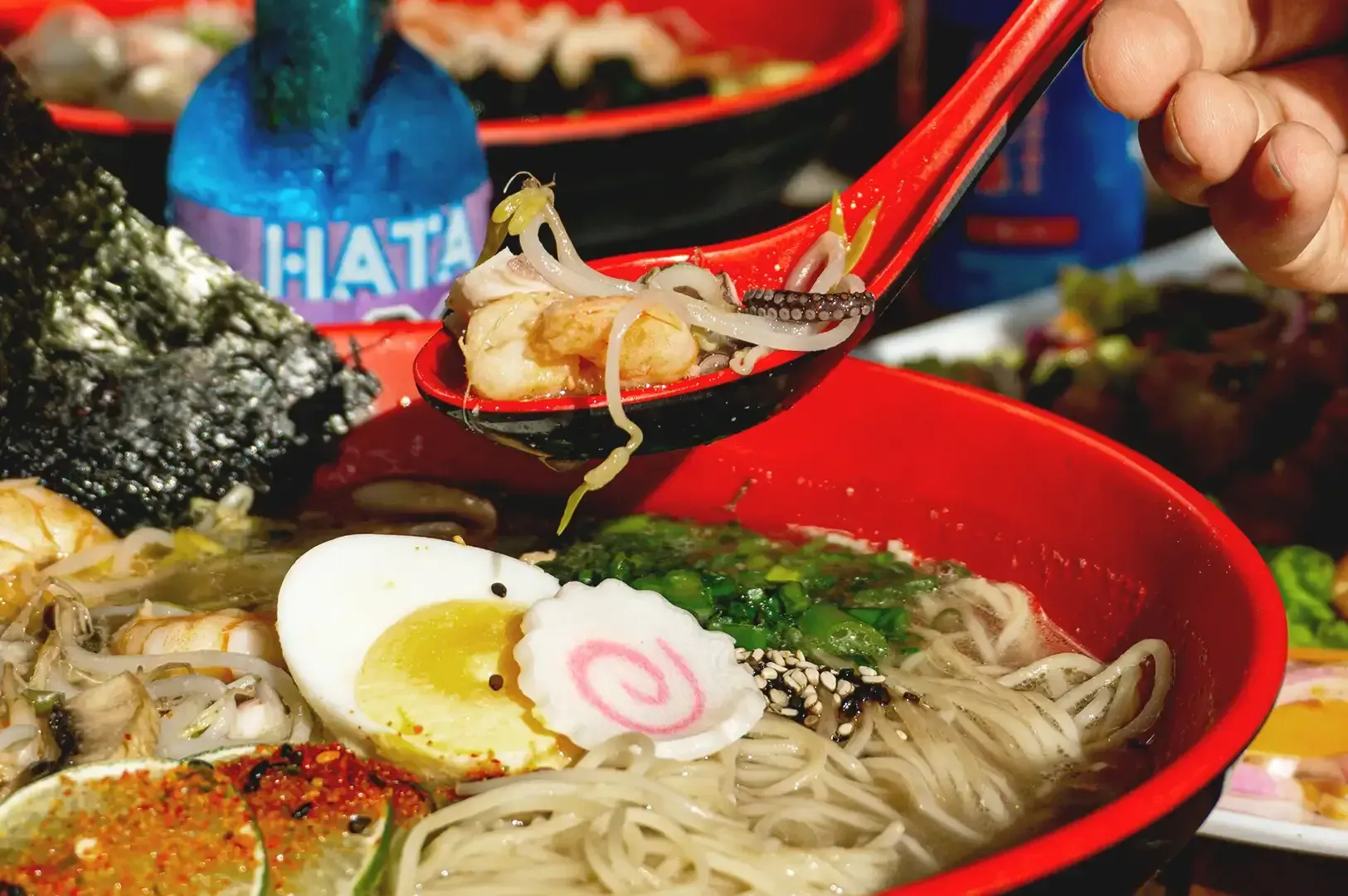
Then it came. Steam curling up, a warm pork aroma settling over the table. The broth was silky, a little heavy on the lips, with an oiliness that clung and lingered. It was good. Really good.
But here is the honest question I keep turning over.
I've eaten enough ramen to trust my tongue. And I do believe long simmering does something real. Bones broken down slowly release collagen, and that gives a broth its body, that rounded, gelatin-soft mouthfeel that shorter stocks rarely reach. The depth builds in layers. The aftertaste stays longer, warmer.
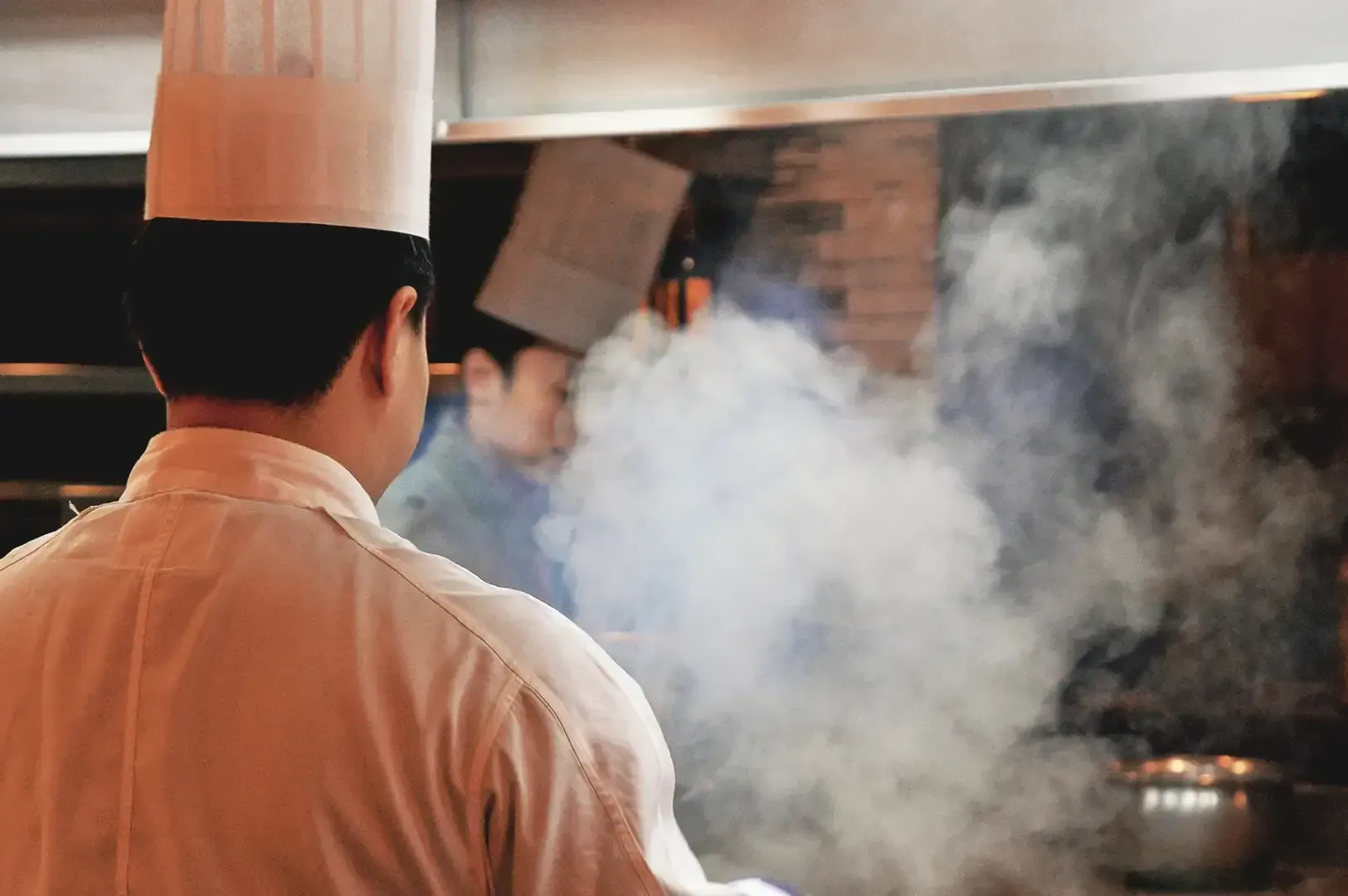
That part isn't marketing. It's chemistry, and patience, and a cook standing over a pot while the rest of us sleep.
Still.
I've also had shorter broths, seasoned with real care, that satisfied me just as deeply. A confident tare can carry a soup. Good salt, good fat, a clean dashi base. Sometimes those bowls sang without ever claiming a single hour on the menu.
I think we underestimate how much expectation seasons a meal.
When someone tells me a broth simmered overnight, I lean in. I look for depth. I find it, partly because I'm searching. Would I notice the same richness in a blind bowl, with no number, no story, no uncle nodding proudly behind the counter?
Honestly, I'm not sure I would. And I say that as someone who loves this food.
That doesn't make the twelve hours a lie. It just means flavor lives in more places than the pot. It lives in the telling, the waiting, the small ceremony of caring where our food comes from.
Maybe the real difference isn't twelve hours versus six.
Maybe it's whether someone cooked with attention, and whether we ate with it too.
So the next time a menu boasts about its broth, taste it slowly before you decide. Let the warmth settle. Notice the body, the salt, the finish. Then ask yourself, gently, honest to honest: is it the soup moving me, or the story I was handed with it?
Both can be true. And both are worth savoring.