The first time someone asked me if a bowl of ramen "tasted like Japan," I didn't know how to answer.
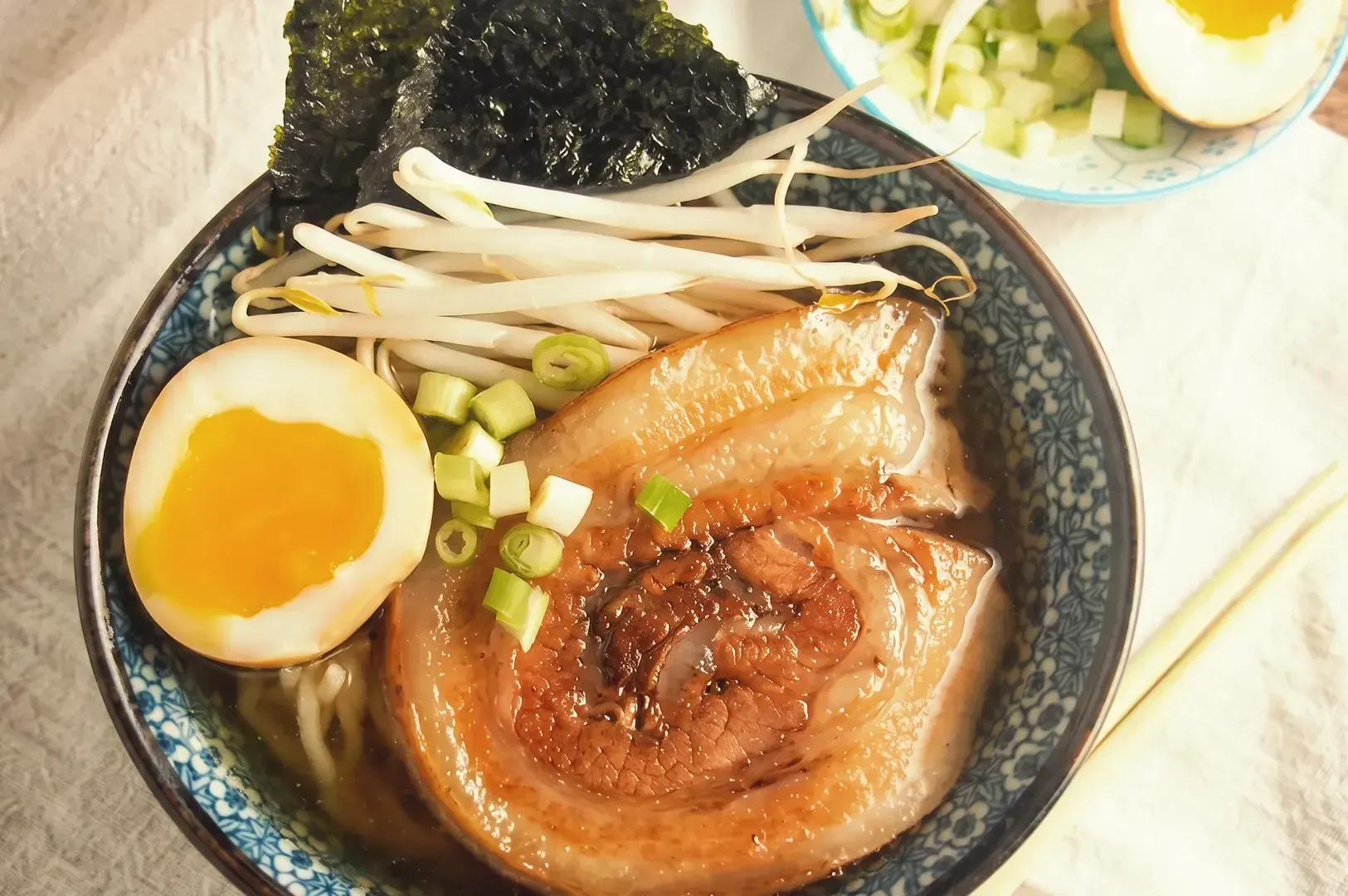
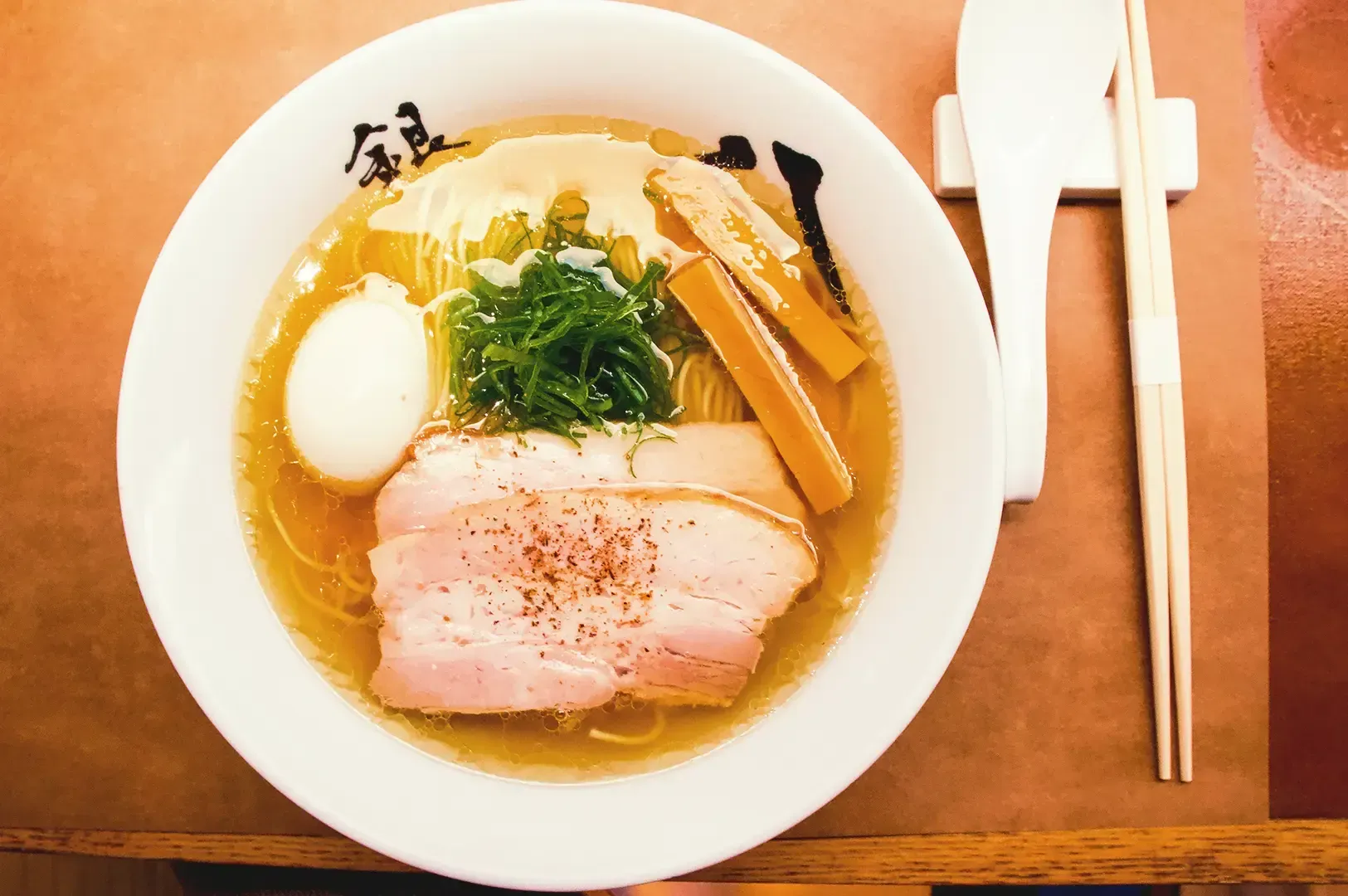
I was sitting at a small counter, steam curling up from a bowl of shoyu ramen. The broth smelled of soy and slow-simmered chicken, warm and clean. My friend leaned over, took a sip, and frowned. "It's good," she said, "but it doesn't taste like the ones I had in Tokyo."
I've wondered about that comment ever since.
What did she mean, really? That the noodles lacked a certain firmness? That the fat sat differently on the tongue? Or that a bowl eaten far from home can never carry the same weight as one eaten there, on a cold night, with the memory still fresh?
I used to think authenticity was simple. A bowl either matched what I ate in Japan, or it didn't. I chased that feeling for years, comparing every soup to some ideal I kept locked in my memory.
But I've learned that memory is a slippery thing to cook against.
The truth is,
ramen has always changed. It changed when it crossed from China into Japan. It changed from region to region, shaped by what was local, what was cheap, what people craved. A cook in Hokkaido never made the same bowl as one in Fukuoka. So which one is the authentic one?
I find myself asking a different question now.
When a chef here uses local ingredients, adjusts the salt for the palate around them, or leans the broth lighter for the heat outside, is that a betrayal of tradition? Or is it the same instinct that built ramen in the first place, the instinct to feed the people in front of you?
I don't think there's one answer. Some diners want a bowl that carries them back to a street in Osaka. Others want one that simply feels right where they sit. Both are looking for something honest. Neither is wrong.
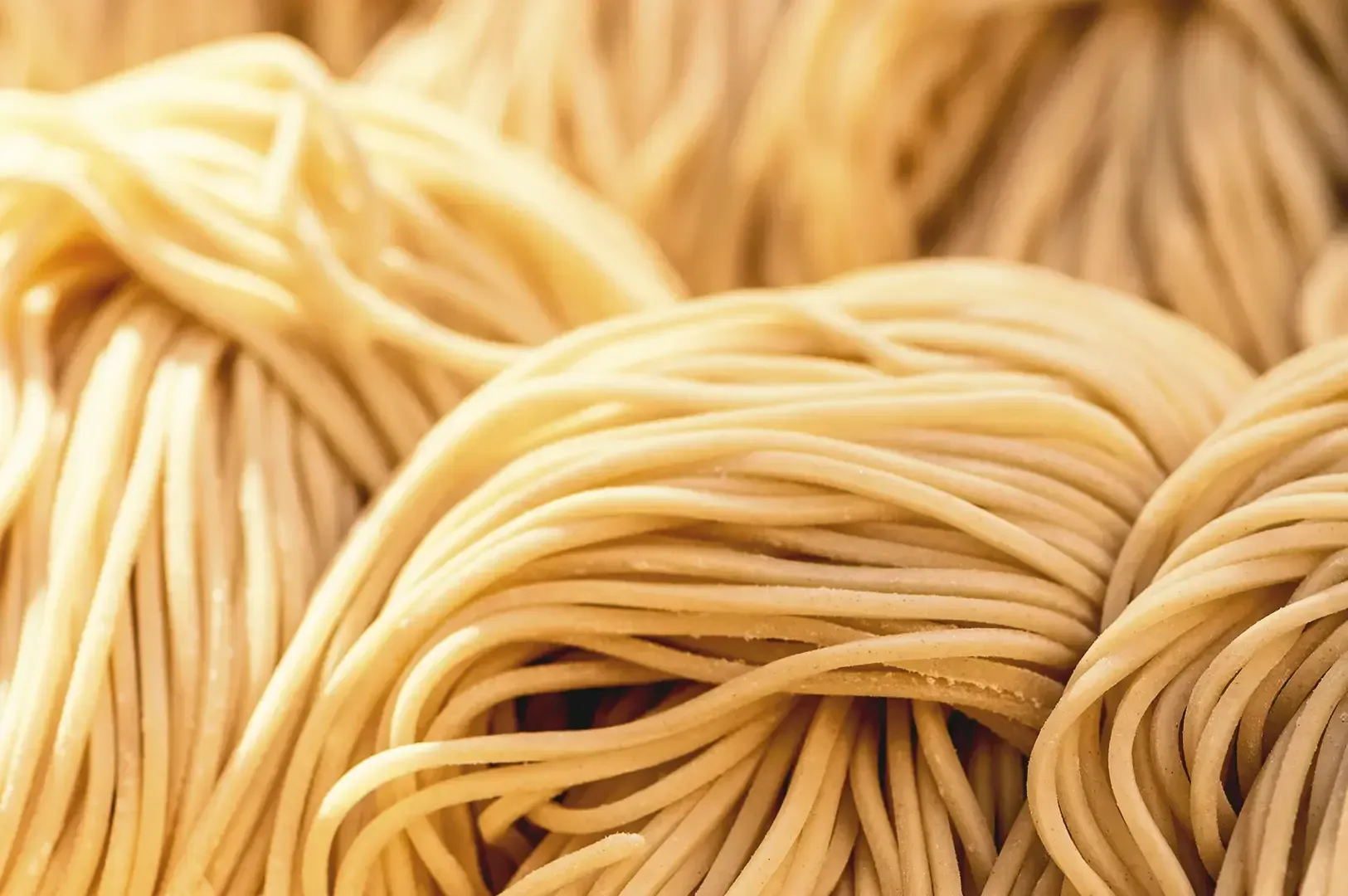
What matters to me is whether the bowl holds together. Whether the noodles have real bite. Whether the broth balances salt, fat, umami, and warmth without any one of them shouting over the rest. Whether it feels made with care, not copied out of fear.
Authenticity still means something. But it was never the only measure.
So the next time you lift a spoon and wonder whether it tastes like Japan, maybe try a gentler question instead.
Is it thoughtful? Is it balanced? Does it satisfy?
Sometimes that tells you far more than a label ever could.