
Discovering Sapporo Ramen Miharu & Singapore's Best Vegetarian Ramen Options
Singapore's food scene is a dynamic landscape where tradition and innovation collide, and nowhere is this more evident than in the world of ramen. Two powerful trends are currently captivating the palates of local foodies: the hearty, comforting flavors of Sapporo style ramen and the burgeoning demand for creative, plant-based alternatives. Sapporo ramen, with its signature rich miso broth, wavy Japanese noodles, and toppings like sweet corn and butter, offers a taste of Hokkaido's chilly climate. At the same time, a growing movement towards plant-based eating has challenged chefs at various Japanese restaurants in Singapore to craft delicious vegetarian ramen Singapore that delivers all the satisfaction of its meaty counterpart.
This article serves as your guide to navigating these two exciting worlds. We will explore the unique characteristics of Hokkaido-style ramen and celebrate the rise of plant-based noodle soups.Whether you are a fan of traditional miso ramen or searching for the best
vegetarian ramen Singapore has to offer, this guide will help you discover your next favorite bowl. We'll even touch on how a classic like
Sapporo Ramen Miharu, previously located at the
Gallery Hotel and now found at
Millenia Walk, fits into this evolving narrative.
Understanding the Sapporo Style Ramen

To appreciate the ramen scene in Singapore, one must first understand its regional diversity. While pork-bone tonkotsu from Kyushu often dominates the conversation, Sapporo ramen from the northern island of Hokkaido offers a completely different, yet equally compelling, experience. Born from the cold winters of Sapporo city, this style is designed to be a robust, soul-warming meal.
The Defining Characteristics of Hokkaido-Style Ramen
What sets Sapporo style ramen apart? It's a combination of several key elements working in perfect harmony.
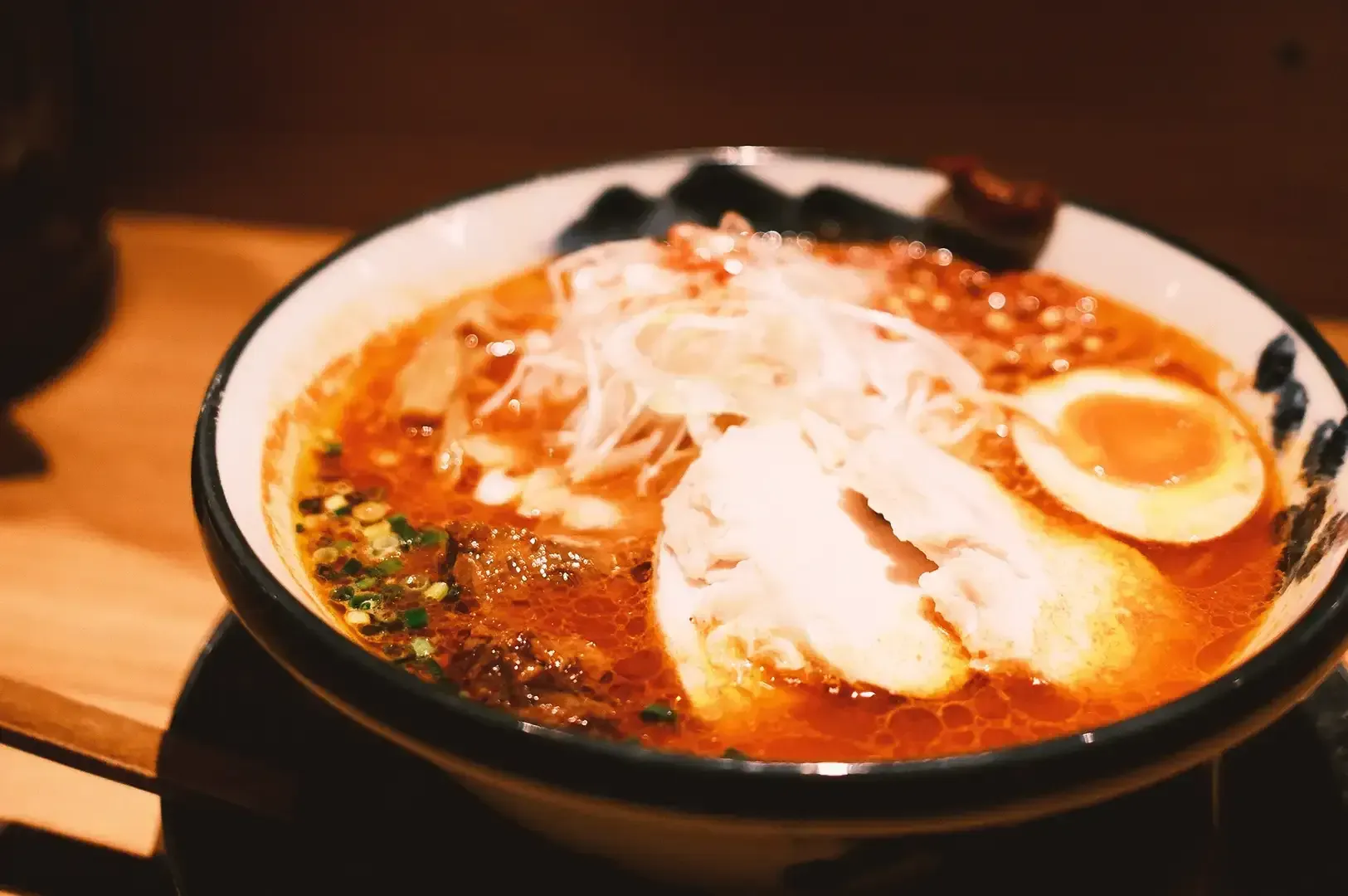
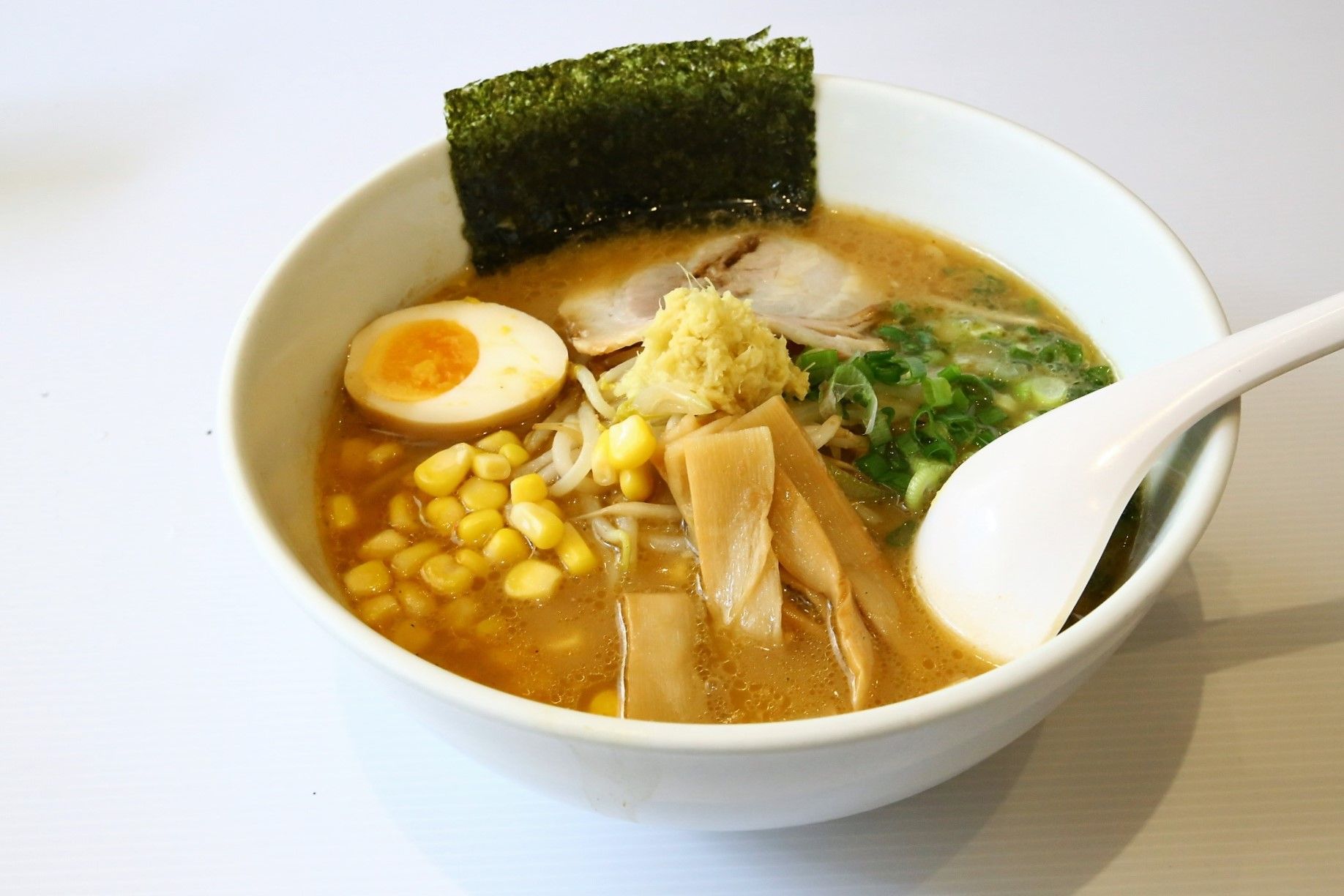
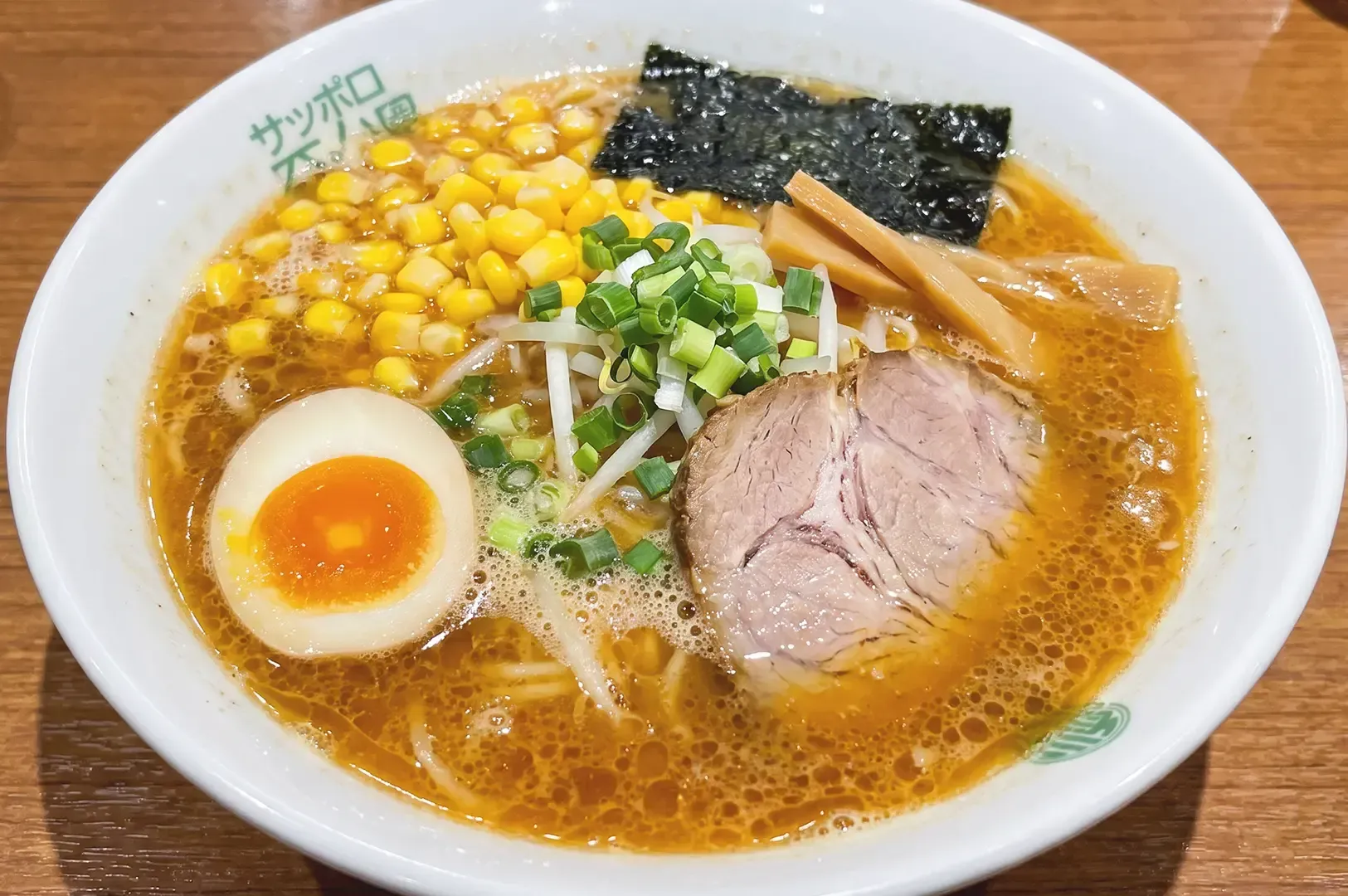
- Rich Miso Broth: This is the heart and soul of Sapporo ramen. The broth is seasoned with a powerful miso tare, often stir-fried with aromatics like garlic and ginger in a wok before the soup stock is added. This process creates a deep, complex, and incredibly savory flavor profile that is nutty, slightly sweet, and packed with umami.
- Thicker, Wavy Japanese Noodles: Sapporo ramen typically uses thicker, yellow, and very wavy noodles known as chijiremen. Their springy bite is engineered to stand up to the robust broth, and the waves are perfect for catching the rich soup with every slurp.
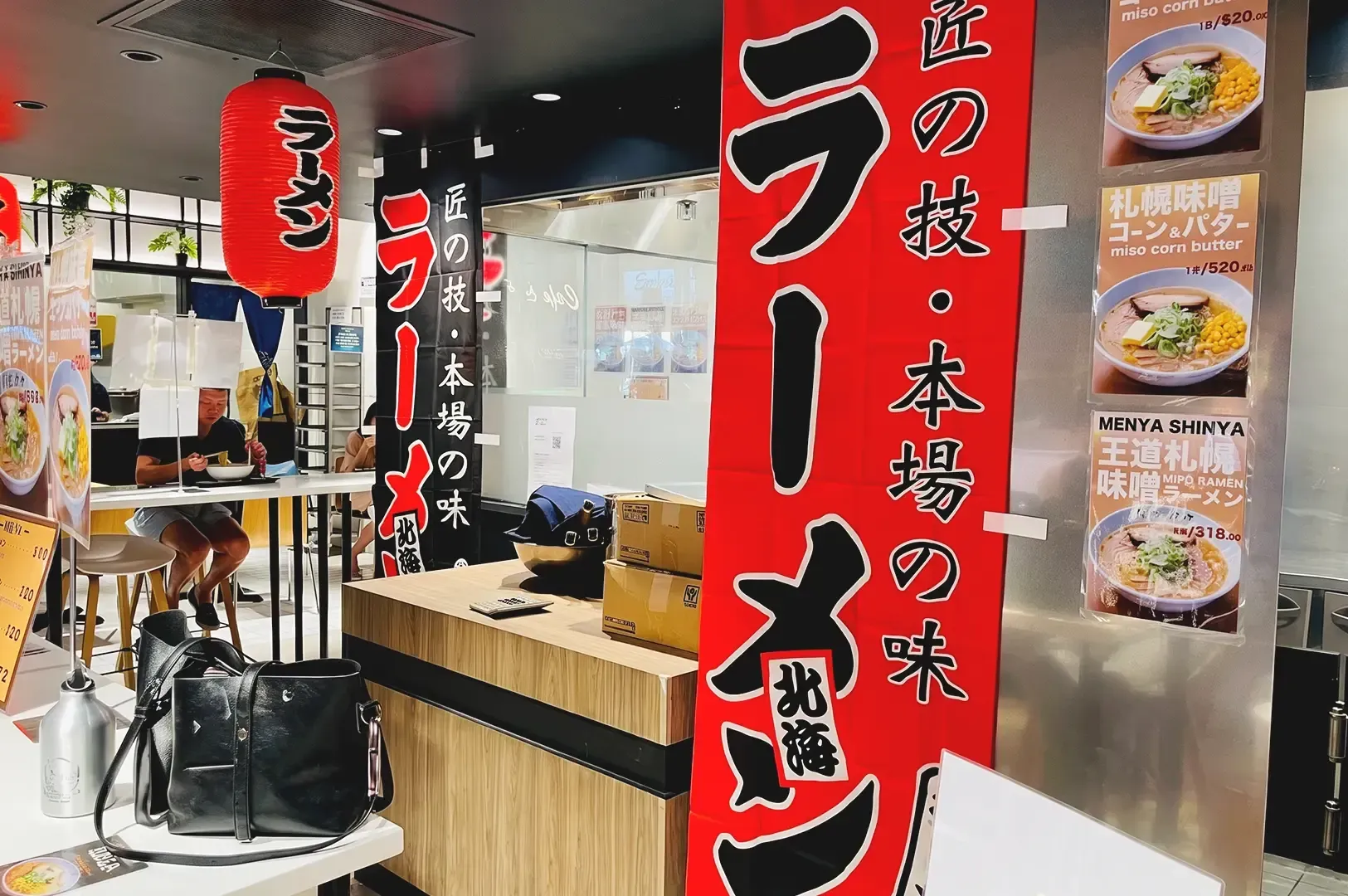
- Hearty Toppings: Traditional toppings reflect Hokkaido's agricultural bounty. Sweet corn, bean sprouts, and a pat of butter are classic additions, melting into the hot broth to add sweetness and creamy richness. Other common toppings include minced pork, slices of chashu, and seaweed.
This combination of a hearty miso base, substantial noodles, and unique toppings has made Hokkaido-style ramen a beloved comfort food. Its growing popularity in Singapore is a testament to its universally appealing, satisfying nature. While many associate authentic flavors with establishments like Miharu, known for its rather rustic setting and history as one of the first Japanese restaurants in Singapore, the style's influence is spreading.
Vegetarian Ramen Singapore: The Growing Trend

For years, finding a truly satisfying bowl of vegetarian ramen Singapore was a challenge. Traditional ramen is fundamentally tied to animal products, with broths built on pork or chicken bones and dashi made from fish flakes. However, as more Singaporeans embrace plant-based diets, local chefs have risen to the occasion, applying their craft to create innovative and delicious meat-free options.
The evolution of vegetarian ramen Singapore has been remarkable. Early attempts were often simple vegetable soups with noodles, lacking the depth and complexity that makes ramen so special. Today, the scene is entirely different.
Crafting a Flavorful Plant-Based Broth
Chefs are now using sophisticated techniques to build umami-rich broths without meat.
- Mushroom and Kombu Dashi: A combination of dried shiitake mushrooms and kombu (kelp) creates a powerful, savory dashi that serves as an excellent base for any vegetarian ramen Singapore.
- Soy Milk Broths: To replicate the creamy texture of a tonkotsu, many chefs use soy milk. When boiled with vegetable stock and aromatics, it creates a surprisingly rich and milky soup that is both light and satisfying.
- Roasted Vegetable Stock: Roasting vegetables like onions, carrots, and garlic before simmering them brings out their natural sweetness and creates a deeper, more complex flavor profile for the broth.
These innovative broths prove that
vegetarian ramen Singapore can be just as delicious and fulfilling as its traditional counterparts.
Shio Ramen and Other Varieties at Japanese Restaurants in Singapore

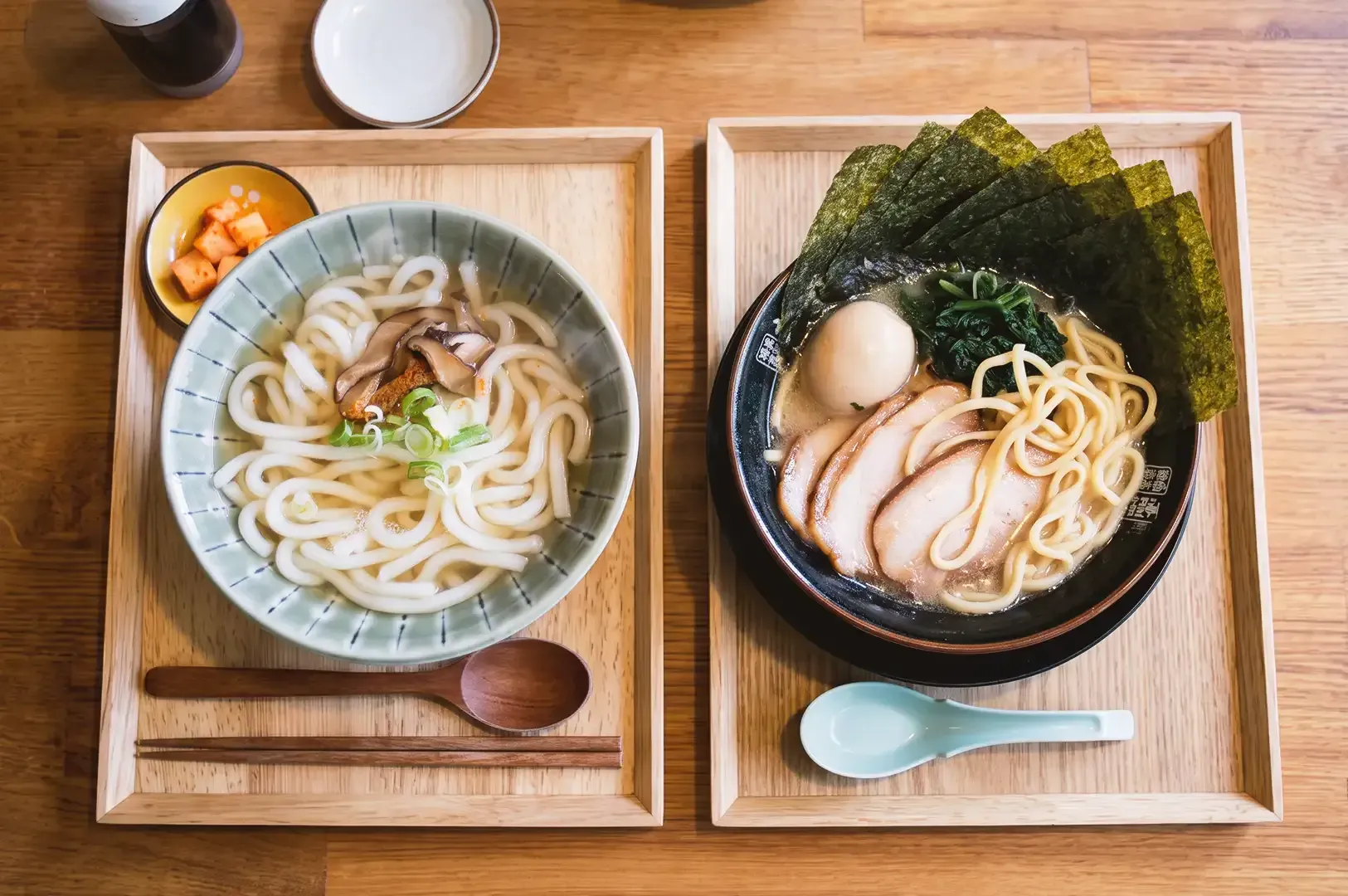
Beyond miso,shio ramen is another popular style that has found a place in Singapore's ramen scene. Known for its lighter, salt-based broth, shio ramen highlights the delicate balance of flavors and is often paired with a dipping sauce for added complexity.
Many Japanese restaurants offering vegetarian ramen Singapore now include shio ramen options made with vegetable stock and carefully selected ingredients to achieve a satisfying taste without meat. These lighter broths are suitable for those who prefer a less salty, more subtle flavor profile.
Where Sapporo Ramen Meets Vegetarian Options
Can the hearty, miso-forward style of Sapporo ramen be made vegetarian? Absolutely. In fact, miso is a fantastic base for creating a flavorful plant-based ramen. Since miso itself is a fermented soybean product, it is naturally vegan and packed with umami. This makes it an ideal ingredient for building a robust vegetarian broth that doesn't feel like a compromise.
To adapt a classic Hokkaido-style ramen, chefs simply need to swap the pork-based stock for a rich vegetable or mushroom dashi. The stir-frying technique used in Sapporo ramen works beautifully with plant-based ingredients, infusing the broth with layers of flavor. While a traditional spot like Sapporo Ramen Miharu, with its menu featuring authentic miso ramen and thick noodles, focuses on authenticity, other restaurants are creating fantastic vegetarian miso ramen that captures the spirit of the original.
Top Vegetarian Ramen Spots in Singapore Including Millenia Walk

The search for the best vegetarian ramen Singapore ends here. These restaurants are leading the charge, proving that meat-free ramen can be a showstopper.
1. Ippudo: While famous for its tonkotsu, Ippudo offers an excellent Akamaru Shinaji vegetarian ramen. The broth is a flavorful vegetable base, and it's served with plant-based "pork," mushrooms, and their signature fragrant garlic oil.
- Price Range: $15 - $20
- Location: Multiple outlets including Mandarin Gallery and Marina Bay Sands.
2. Menbaka Fire Ramen: Known for its theatrical fire show, Menbaka also serves a fantastic vegetarian ramen. Their broth is a rich vegetable and soy-based soup that gets a smoky infusion from the flaming negi oil.
- Price Range: $18 - $22
- Location: Cineleisure Orchard.
3. Hakata Ikkousha: Another tonkotsu specialist that has embraced the plant-based ramen trend. Their vegetarian ramen features a creamy broth and is topped with a variety of fresh and cooked vegetables.
- Price Range: $14 - $18
- Location: Chijmes and Tanjong Pagar.
4. Kajiken: As Singapore's first dedicated mazesoba (soupless ramen) shop, Kajiken offers a wonderful vegetarian version of their signature dish. The thick noodles are tossed in a savory sauce and topped with seasoned vegetables.
- Price Range: $13 - $16
- Location: Multiple outlets including Bugis+ and Paya Lebar Quarter.
5. Veganic: This fully vegan eatery offers a Japanese-inspired menu, including a Shoyu Ramen with a light yet flavorful broth, mock chashu, and plenty of vegetables. A great option for those seeking a completely vegan ramen Singapore.
- Price Range: $12 - $15
- Location: Foch Road.
6. Herbivore Japanese Vegetarian Restaurant: A pioneer in Japanese vegetarian dining, Herbivore serves several ramen options, including a Miso Ramen that beautifully showcases how well this Sapporo style ramen base works in a vegetarian context.
- Price Range: $18 - $25
- Location: Fortune Centre.
Making the Connection to Miharu at Millenia Walk

This guide highlights the incredible variety available for those seeking vegetarian ramen Singapore and the influence of regional styles like Sapporo miso ramen. While we've explored how miso ramen can be adapted for plant-based diets, it's important to also appreciate the traditional, authentic experience. For ramen purists interested in a classic, meat-based Hokkaido-style bowl, a visit to a specialist is a must.
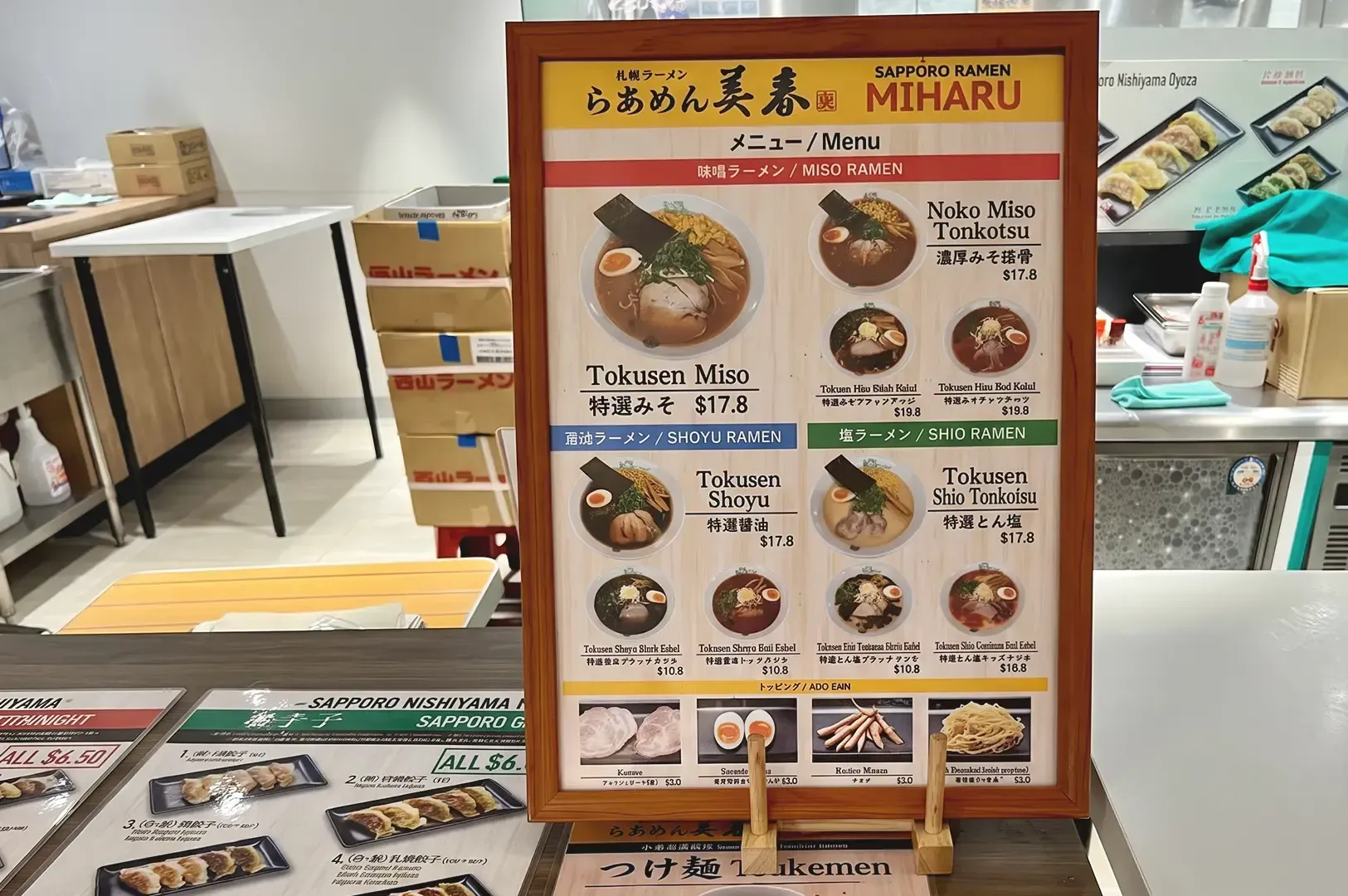
Miharu, one of the first Japanese restaurants in Singapore to serve authentic Sapporo ramen, was previously located at the Gallery Hotel in a rather rustic setting and is now found at Millenia Walk. Known for its thick, chewy noodles that are frozen in Japan and carefully thawed over several days to achieve the perfect springy bite, Miharu uses water sourced from wells to prepare its broth. Their menu features the famous Tokusen Miso Ramen, which boasts a rich, slightly salty and hearty broth that reflects the flavors of Hokkaido.
The
opening hours at Miharu are convenient for both lunch and dinner, making it a suitable option for many
customers seeking authentic Sapporo-style ramen in Singapore. While the
taste remains true to its roots, some note that the broth can be on the saltier side, which is typical of the style and suitable for colder climates like Hokkaido.
Practical Tips for Ordering Vegetarian Ramen in Singapore
Navigating menus can sometimes be tricky. Here are some tips to ensure you get a truly delicious and vegetarian-friendly bowl.
- Ask About the Broth: Always confirm that the broth is 100% vegetarian. Some "vegetable" ramen may use a dashi that contains fish flakes (bonito). Use phrases like, "Does the broth contain any meat or fish?"
- Check the Tare and Oil: The seasoning tare and aromatic oil can sometimes contain animal products. A quick question about their ingredients can provide peace of mind.
- Customize Your Toppings: Don't be afraid to ask for substitutions. If a vegetarian ramen comes with an egg and you are vegan, ask if you can swap it for extra corn, mushrooms, or bamboo shoots.
- Look for Dedicated Menus: Many restaurants now have a separate vegetarian or vegan menu, which makes ordering much easier.
By asking the right questions, you can confidently explore the diverse world of
vegetarian ramen Singapore.
Conclusion

The ramen landscape in Singapore is more exciting than ever. The rich, comforting flavors of Hokkaido-style ramen continue to win over fans, with specialists like Sapporo Ramen Miharu preserving tradition. At the same time, the incredible innovation in the vegetarian ramen Singapore scene ensures that everyone, regardless of dietary preference, can enjoy a top-quality bowl of noodles.
Whether you're craving a classic miso broth or an inventive plant-based creation, the options are plentiful. We encourage you to explore both sides of the ramen coin—the authentic regional classics and the modern meat-free marvels. For more in-depth reviews and guides to the best ramen in the city, be sure to visit BestRamen.sg. Happy slurping!
http://bestramen.com.sg/