The Science of Vegan Tonkotsu: A Plant-Based Broth
I still remember the first time I lifted a spoon of tonkotsu broth to my lips. It was years ago, in a tiny shop tucked away in Fukuoka, Japan. The liquid was opaque, almost milky, and it clung to the spoon with a viscosity that promised something profound. One sip, and my mouth was coated in a rich, sticky layer of umami.
That sensation, the specific mouthfeel of gelatinized pork collagen, an animal collagen protein crucial for collagen production and synthesis, is what defines tonkotsu. It is the holy grail of ramen broths, often simmered for over twelve hours to extract every ounce of richness from marrow and bone, providing potential health benefits beyond flavor.
What I discovered was a world of culinary wizardry that changed my perception of what is possible in a bowl of noodles, even for those following
vegan diets or
vegetarian diets focused on
minimally processed foods and
plant protein.
The elusive mouthfeel: mimicking collagen production with plant based collagen
The biggest challenge in replicating tonkotsu is not flavor. We have soy sauce, miso, and mushrooms for that savory punch. The real hurdle is texture. Traditional tonkotsu relies on collagen, a protein found in connective tissue that breaks down into gelatin when cooked. This gelatin is what gives the soup its body, that lip-smacking stickiness that ramen lovers crave.
Plants do not contain collagen or animal ingredients like gelatin. When you boil a carrot or an onion, the cell walls break down, but they release water and sugars, resulting in a thin, consumable soup. To mimic the heavy, creamy texture of pork bone broth, chefs have had to look for vegan alternatives such as plant based collagen sources and plant based protein emulsifiers and thickeners that behave similarly to animal fats and gelatin.
In my exploration, I found that the secret often lies in distinct combinations of ingredients, including building blocks for collagen production found in plant foods:
- Soy Milk and Nut Milks: High-fat liquids like unsweetened soy milk or cashew milk provide a creamy white base that visually mimics the "paitan" (white soup) style of tonkotsu, contributing to the mouthfeel without animal origin ingredients.
- Vegetable Oils: Carefully emulsified oils, such as olive oil or sesame oil, are whipped into the broth to create microscopic droplets suspended in the liquid, simulating the richness of rendered pork fat while being environmentally friendly.
- Starchy Vegetables: Pureed potatoes, cauliflower, or Japanese mountain yam (nagaimo) are sometimes used to add physical density and viscosity without altering the flavor profile too drastically.
- Konjac Jelly: A plant-based gelatin substitute often used in Asian desserts, konjac jelly thickens the broth to replicate collagen synthesis effects usually attributed to animal collagen.
The umami puzzle: plant based foods and nutrients for collagen production

Texture is one half of the equation; the other is the depth of flavor. A pork bone broth has a specific, funky, savory quality that is hard to pin down. It is primal. Vegetables, by nature, are cleaner and lighter. To bridge this gap, I learned that chefs are turning to fermentation and dehydration, incorporating plant sources rich in nutrients that support collagen production.
I spoke with a local ramen enthusiast who has been experimenting with vegan broths in his home kitchen. He explained that the key is layering umami sources. You cannot just rely on one ingredient. It is about the synergy between kombu (kelp), dried shiitake mushrooms, and fermented bean pastes.
But the real game changer I discovered was the use of
yeast extracts and
caramelized aromatics.
Nutritional yeast, rich in B vitamins and
plant based protein, adds a cheesy umami note that enhances the broth’s depth.
Marine Collagen: An Alternative Animal-Based Source
Marine collagen comes from the skin, bones, and scales of fish and other sea creatures. It's pretty popular because the body can absorb it easily, making it great for boosting collagen production and synthesis. People often take marine collagen supplements to help with skin aging, bone health, and joint support.
Compared to other animal sources like beef or pork collagen, marine collagen has smaller peptide molecules, which might make it even easier for your body to use. It's packed with important amino acids like glycine, proline, and hydroxyproline, all key players in building human collagen.
Now, plant-based collagen supplements don’t actually contain collagen themselves. Instead, they offer the amino acids and nutrients, like vitamin C, that your body needs to make more collagen naturally. These vegan alternatives skip the animal ingredients and the allergy risks that come with marine or bovine collagen, making them a great choice for anyone embracing a plant-based lifestyle.
Plant based collagen supplements and dietary supplements: health benefits beyond flavor
Though vegan tonkotsu does not contain animal collagen or marine collagen, it can include ingredients that support collagen production and synthesis in the body. Dietary supplements and collagen supplements derived from plant sources, combined with vitamin C-rich foods, can stimulate human collagen formation, supporting skin aging prevention, bone health, and weight control.
Randomized controlled trials have shown that oral supplementation with plant based collagen building blocks and vitamin C can improve collagen synthesis, reduce prostate cancer risk, and promote overall wellness.
Vegan alternatives to
animal collagen reduce the risk of
allergic reactions associated with
animal origin supplements and are more environmentally friendly, reducing land use and the carbon footprint of food production.
A taste test in the heart of the city: plant based diet meets culinary innovation

Armed with this newfound knowledge, I ventured out to taste the evidence for myself. I visited a popular ramen joint in the central business district known for its plant based diet options. I ordered their signature vegan tonkotsu, keeping my expectations in check.
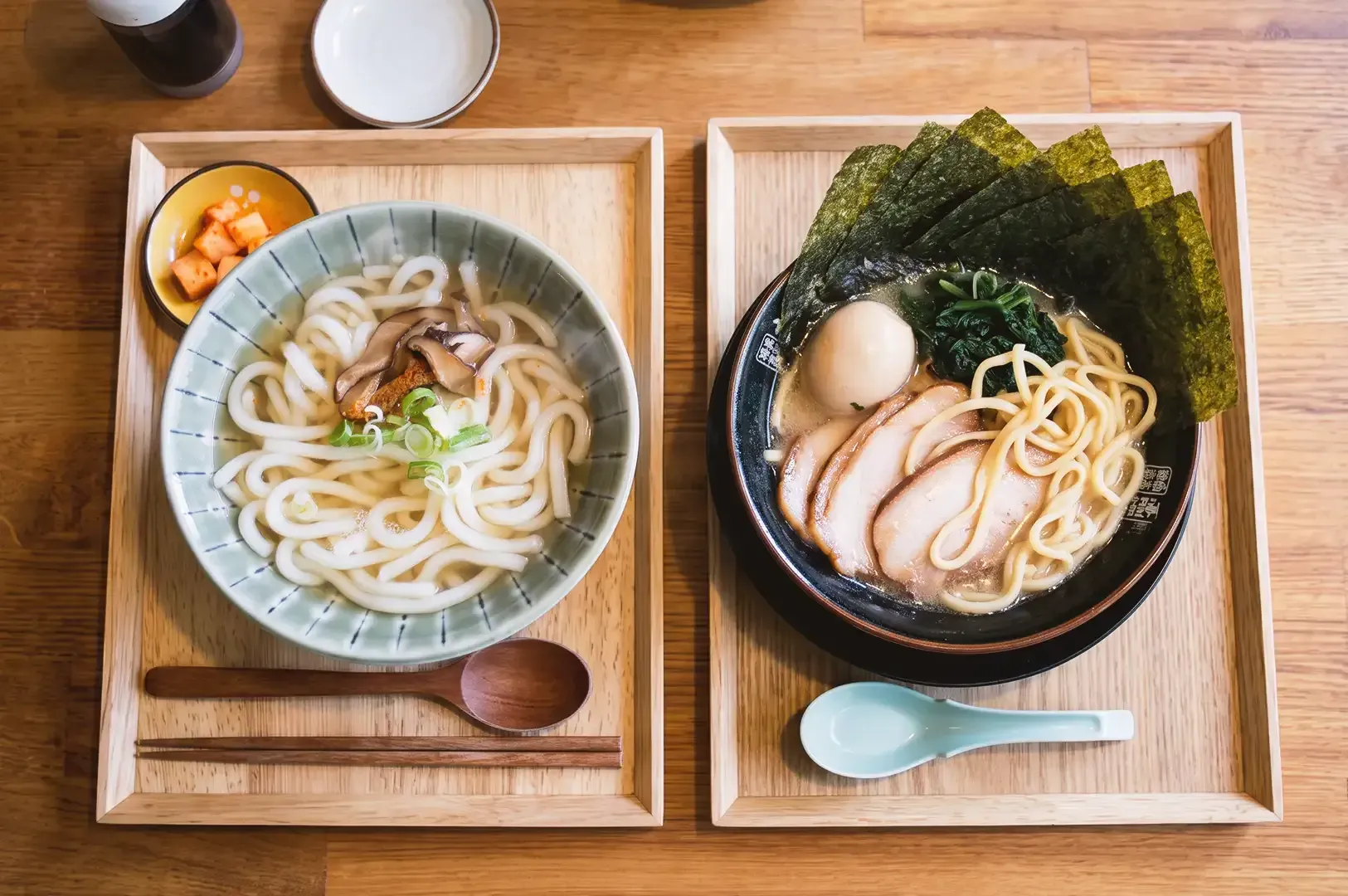
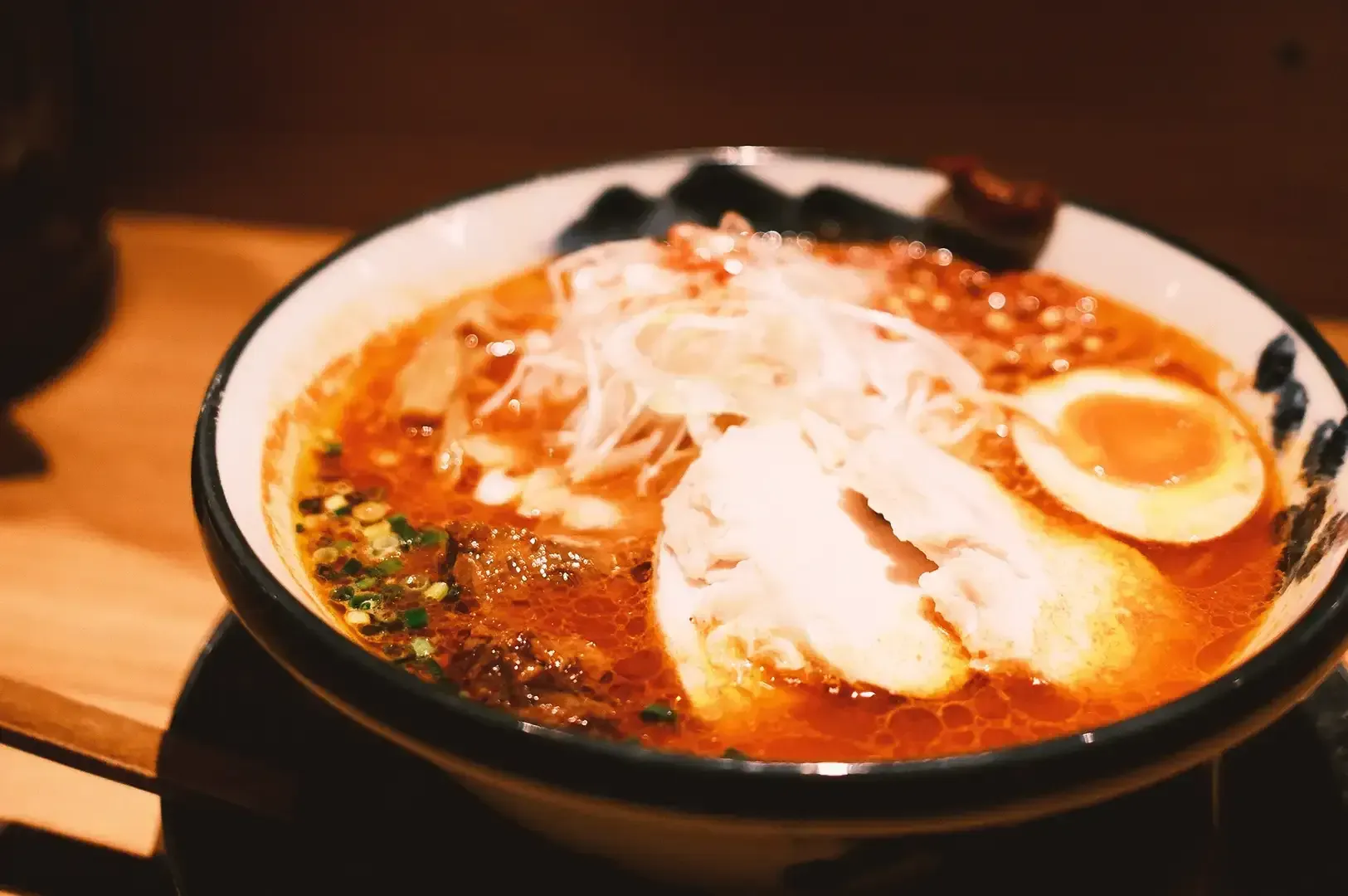
The bowl arrived, looking indistinguishable from its meat-based counterpart. The broth was a creamy beige, topped with black garlic oil, wood ear mushrooms, and spring onions. I took a deep breath, inhaling the scent of roasted garlic and sesame. Then, I took a sip.
It was shocking.
The liquid had weight. It didn't just slide down my throat; it lingered. There was a creaminess that coated my tongue, very similar to the gelatinous sensation I remembered from Fukuoka. It wasn't identical, of course. It lacked that specific "porky" funk, replacing it with a nutty, earthy richness that was delicious in its own right. But structurally? It was a triumph.
I learned later that this particular shop uses a blend of
oat milk,
rolled oats, and a secret vegetable reduction simmered for hours, thickened with
konjac jelly. Konjac! It made perfect sense. Konjac is a
plant based collagen substitute often used in Asian desserts. Using it in a savory context to replicate collagen was a stroke of genius.
The sustainability angle: plant based lifestyle and environmental impact
Beyond the technical fascination, I found myself reflecting on the implications of this shift. Traditional tonkotsu is resource-intensive. It requires massive amounts of pork bones and energy to keep pots boiling for days on end. Vegan tonkotsu, by comparison, often requires less cooking time and leaves a significantly smaller carbon footprint.
It is exciting to see how this culinary innovation aligns with a growing desire for sustainable eating and a healthy plant based diet in Singapore. We are a nation obsessed with food, but we are also becoming more conscious of our impact on the planet.
This evolution is not just about catering to vegans or vegetarians. It is about expanding the culinary vocabulary of ramen itself. It challenges the notion that meat or animal foods are the only path to richness.
It proves that plants, when treated with respect and scientific understanding, can yield results that are just as satisfying and complex, supporting weight loss, weight control, and decreased risk of chronic diseases such as heart disease and certain cancers.
The verdict on the imitation game: plant based collagen and animal collagen compared
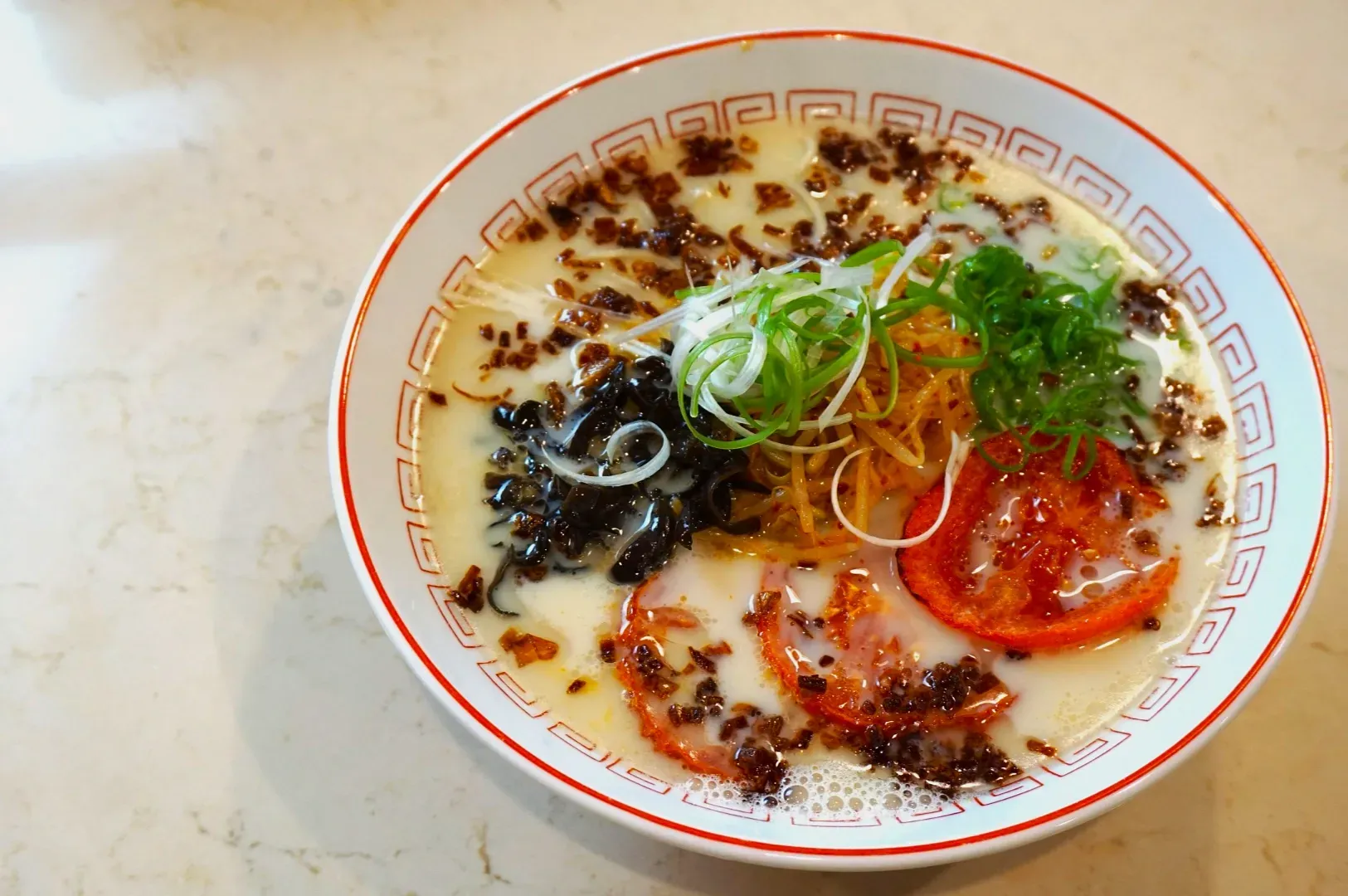
So, can plant based broth really mimic collagen richness? My answer is a resounding yes, with a caveat. It is not a clone. If you go in expecting the exact taste of pork or marine collagen, you might find the nutty undertones of soy or oat milk distracting. But if you judge it on the metrics of mouthfeel, viscosity, and satisfaction, vegan tonkotsu is a formidable contender.
I have found that the best versions don't try to hide their plant origins. They celebrate them. They use the natural creaminess of nuts and grains, including pumpkin seeds, chia seeds, black beans, nut butters, and whole grains like brown rice and whole grain crackers, to create a lush texture that stands on its own merits. They use the power of fermentation and nutritional yeast to build deep, savory worlds of flavor.
The science behind it is fascinating, relying on emulsions, starches, and hydrocolloids to reconstruct the physical properties of meat broth. But the result is pure art. It is a testament to human creativity and our endless pursuit of deliciousness.
Why you should try it: embrace plant based foods and a plant based lifestyle
If you are a die-hard tonkotsu fan who swears by the hog, I challenge you to step out of your comfort zone. Don't think of it as a substitute. Think of it as a new genre of ramen. You might be surprised by how light you feel after eating it, devoid of the heavy "food coma" that often follows a traditional pork broth meal.
The world of food is changing, and our bowls are evolving with it. Whether for health benefits, the planet, or simple curiosity, exploring these new flavors is a journey worth taking. Go out there, slurp loudly, and discover the rich, creamy potential of plants and plant based collagen.
Looking for more plant based ramen content? be sure to visit Plant-Based Bowls, Real Ramen Soul: How Vegan Ramen Is Redefining Singapore’s Noodle Culture
Recent Posts