Mashi no Mashi Singapore Reviews: When Wagyu Meets Ramen Perfection
I walked in on a weekday evening, right around 7:15 PM, half hungry and half curious. The idea of wagyu in ramen had been living rent-free in my head for weeks. I'd heard the whispers, the kind that make you cancel other dinner plans.
So I finally went to see if the hype around Mashi no Mashi Singapore reviews was real at this first outpost in Southeast Asia, located in Guoco Midtown, Bugis.
The first thing that hit me wasn't the look of the place. It was the smell. A deep, beefy warmth drifting out from the kitchen, rich but not heavy, clean but somehow indulgent. I knew right then I'd made the right call.
Why wagyu ramen actually matters
Let's be honest: this is a personal food review of Mashi no Mashi Singapore, and the Japan connection is part of why I walked in curious. The word wagyu gets thrown around so much it can feel like a marketing trick. But in a bowl of ramen, especially the Ultra Wagyu Ramen here, it actually changes everything. It's not just about being fancy.
Wagyu beef carries a soft, marbled fat that melts at a low temperature. When it meets a hot bowl of broth made from wagyu bone broth, that fat doesn't sit there greasy and stubborn. It dissolves, almost like silk, spreading sweetness and umami across the whole bowl.
That's the real difference. A rich broth made with wagyu has this rounded, lingering depth that ordinary stock just can't fake. You can compare it with tonkotsu, but the effect here feels softer and more layered. You taste it on the back of your tongue, long after you've swallowed. It's the kind of thing that makes you slow down and pay attention.
So when a place builds an entire concept around wagyu ramen, the stakes are high. The beef has to earn its place. I came in wanting to be impressed, but also ready to be skeptical.
The wait, the seat, and first impressions
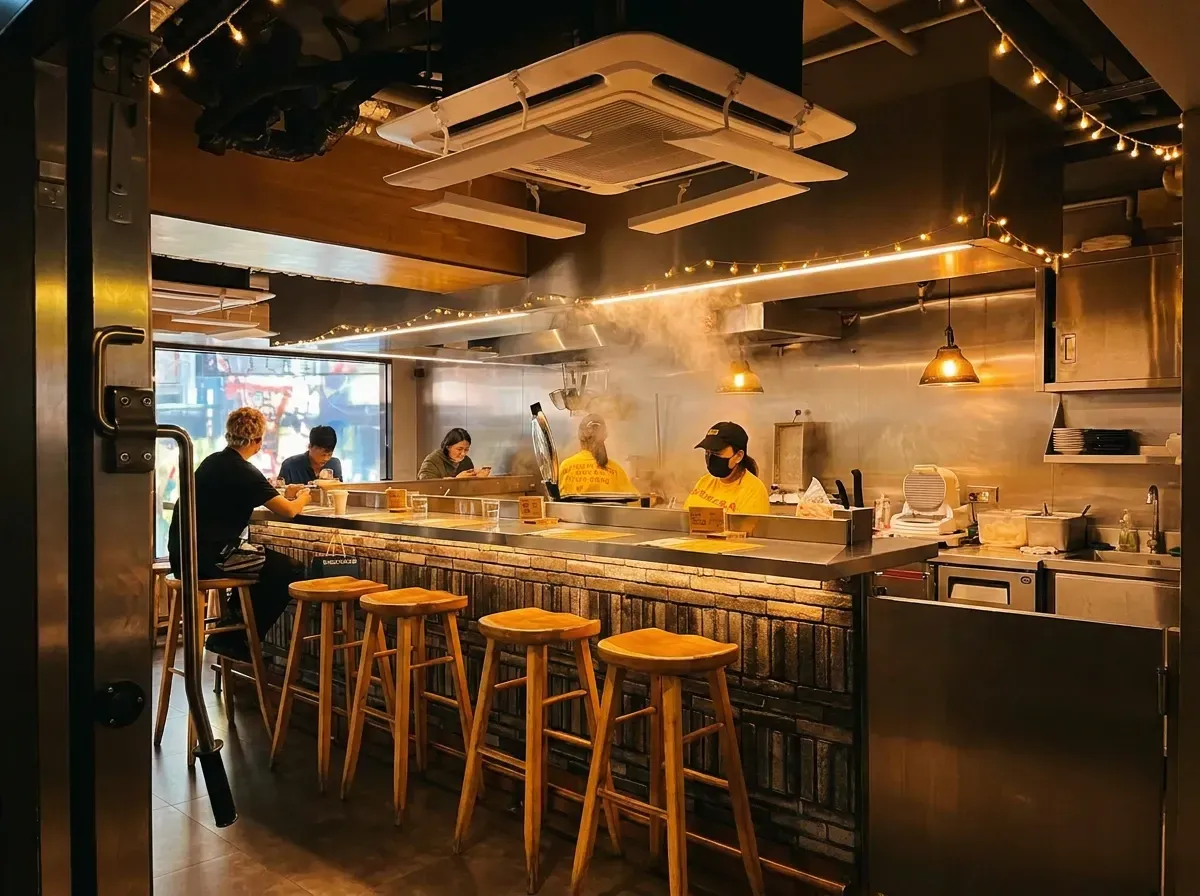
There was a short queue when I arrived, and I waited about 20 minutes before being seated. Not terrible for a buzzy restaurant at dinner, but worth knowing if you're hungry and impatient. I'd recommend going slightly earlier or later if you want to skip the crush, especially if a Mon visit fits your schedule.
The space felt lively but still conversation-friendly. I could chat without shouting, which I appreciate more and more these days. The lighting was warm, the mood relaxed, and the crowd seemed like a mix of curious foodies and a few solo diners just there for a good bowl. The whole concept is built around the world's first 100% Wagyu ramen.
One small note: the AC was strong. I was glad I'd brought a light jacket, because a cold room and a hot bowl is honestly a perfect pairing. Still, if you run cold, keep that in mind.
A small moment with the staff
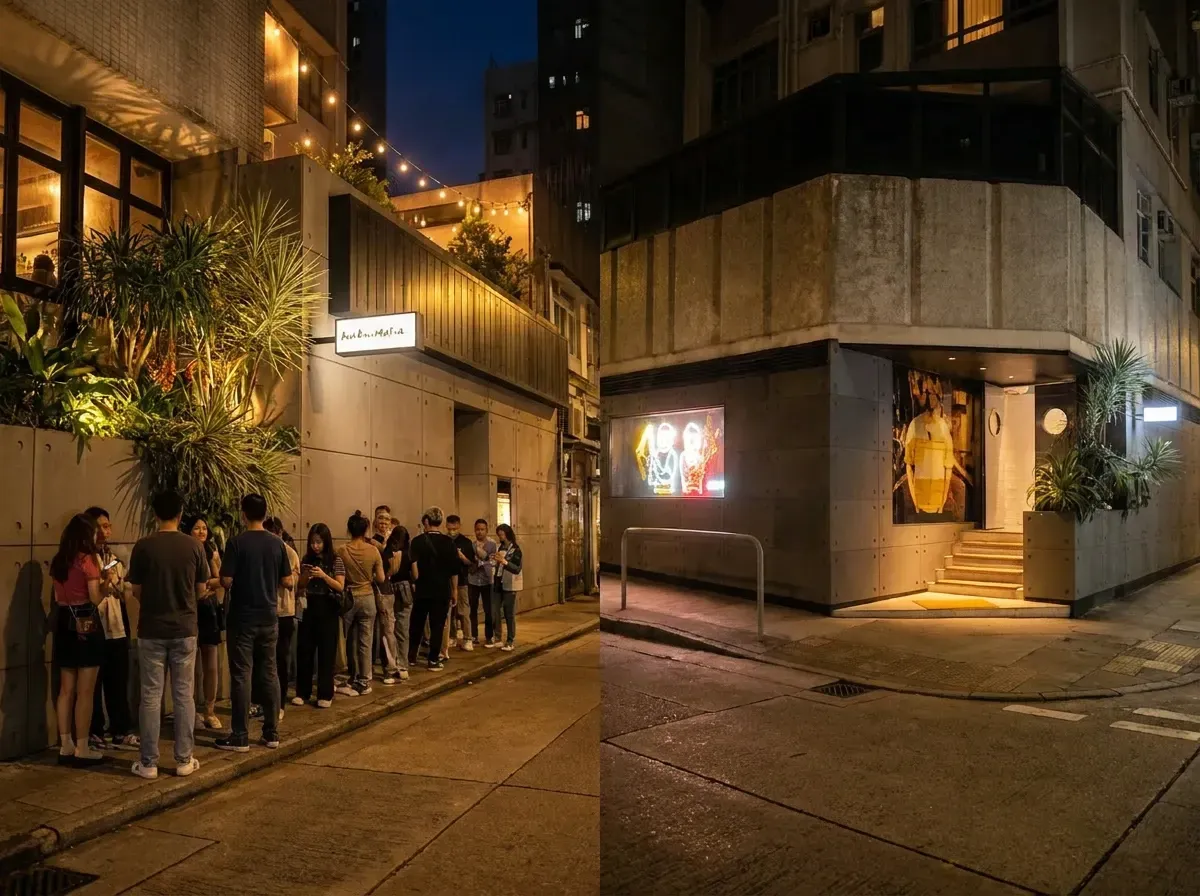
While I settled in at Mashi No Mashi on Nankin Row, about a five-minute walk from Bugis MRT Station, one of the staff members noticed me studying everything a little too intensely. He leaned over and gave me a gentle tip about how to approach the broth first, before deciding whether to add any toppings to suit my preference. He wanted me to taste it pure, the way it was meant to be.
That little exchange set the tone for the whole meal. From the bar counter’s over-the-counter experience to the vibrant, modern room in its bright yellow color scheme, the place felt warm and unpretentious, with multiple tables that also make it easy for group dining.
It felt like someone genuinely wanting me to enjoy the experience, not just turn over the table. Service moments like that stick with me more than any plating ever could.
My order and what surprised me
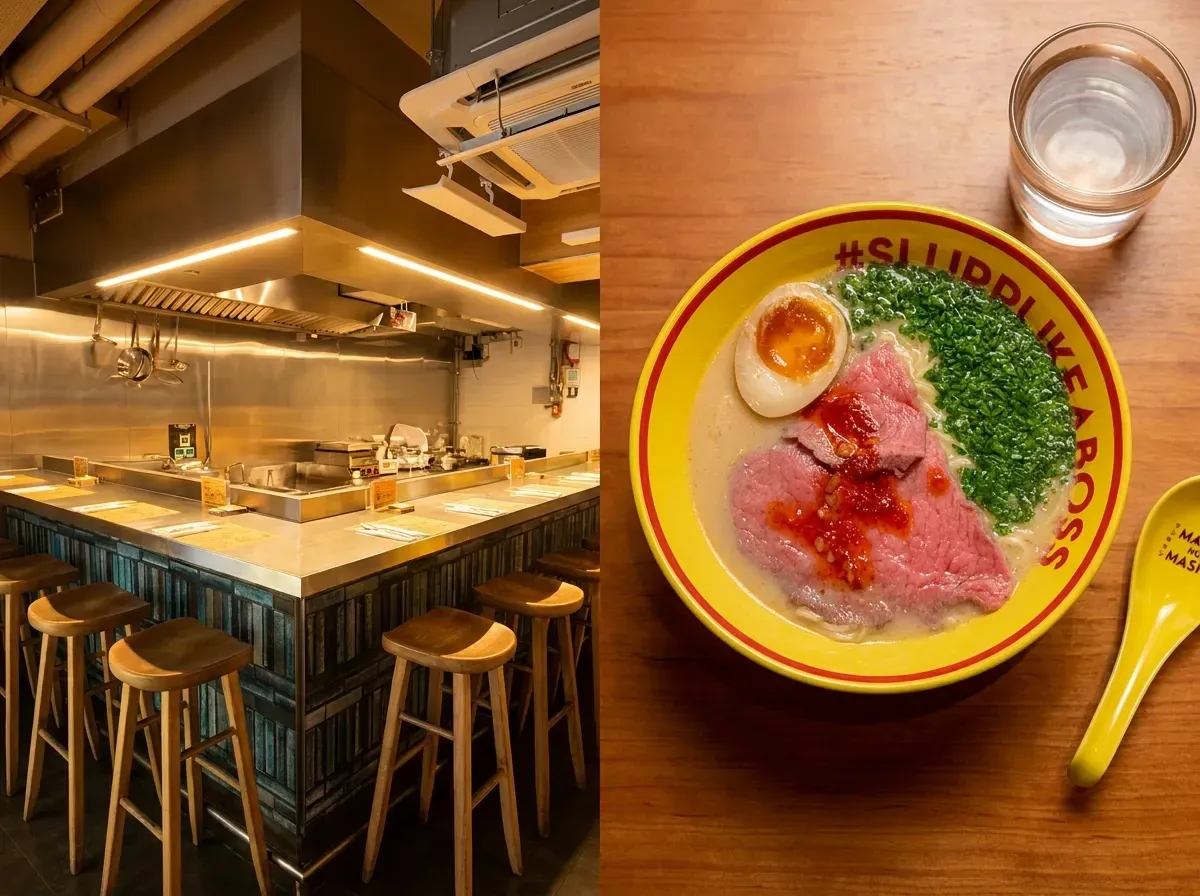
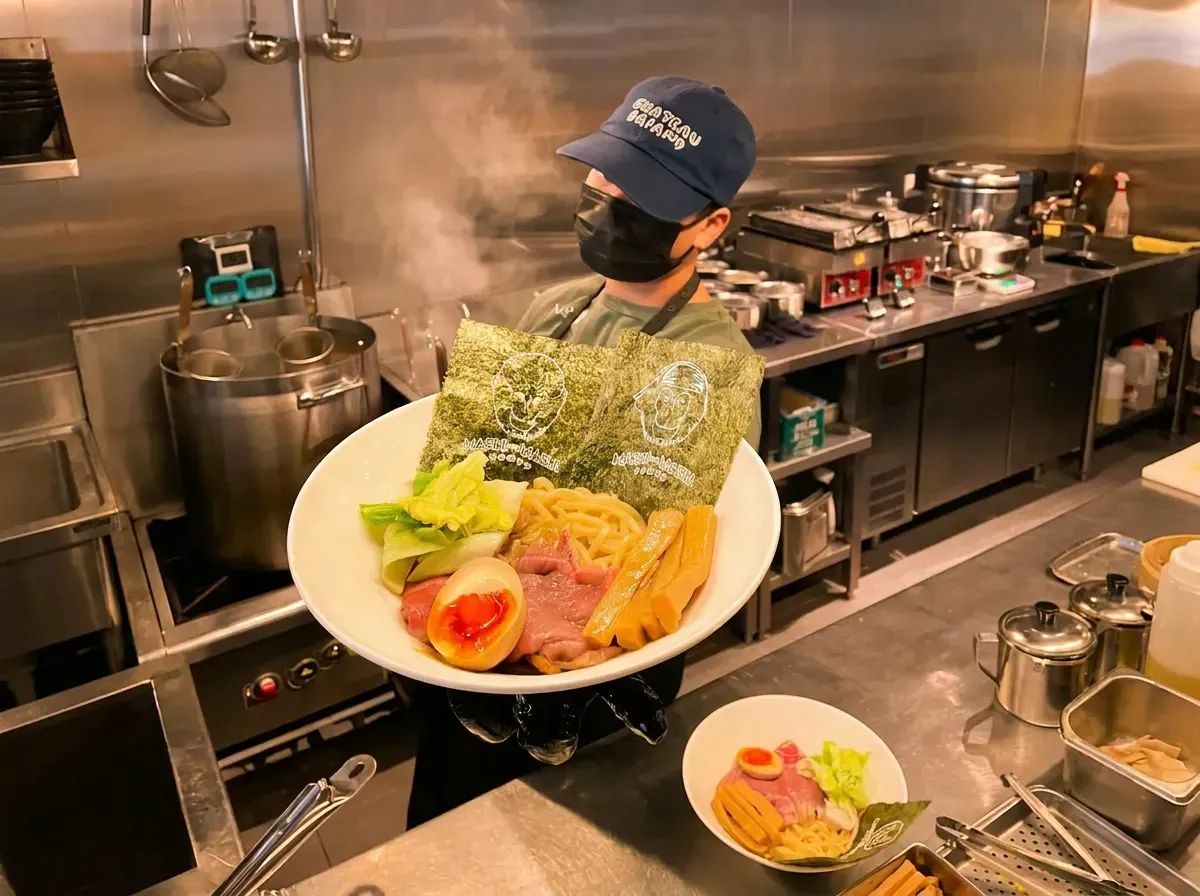
When the bowl arrived, I just sat with it for a second. The presentation was clean and considered, with thin noodles and thin folds of wagyu slices draped over the noodles, glistening slightly under the light. Steam curled up, carrying that beefy aroma straight to my face. The staff suggested tasting the broth first before you add any extra toppings.
I followed the advice I'd been given and went for the broth first. Smart move, and it lets diners adjust the bowl to their own preference.
The broth that changed my mind
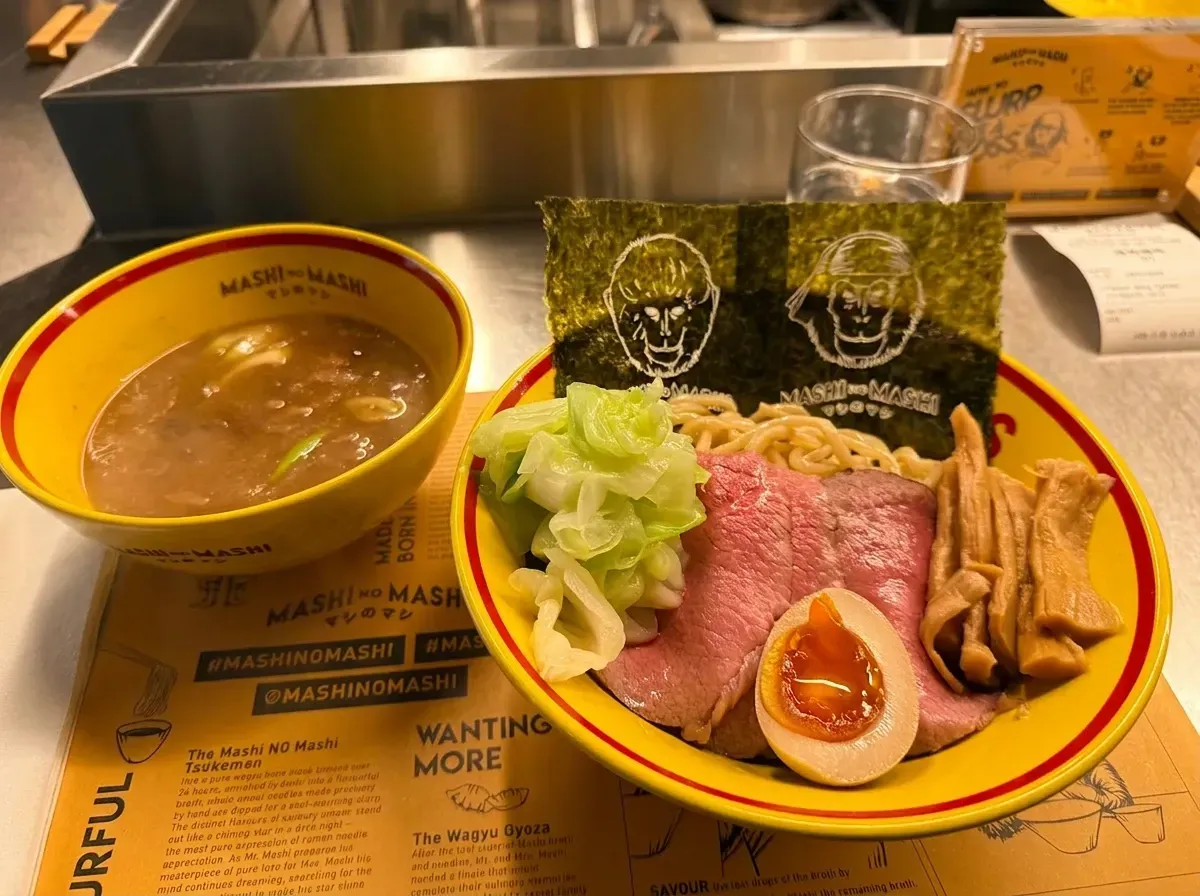
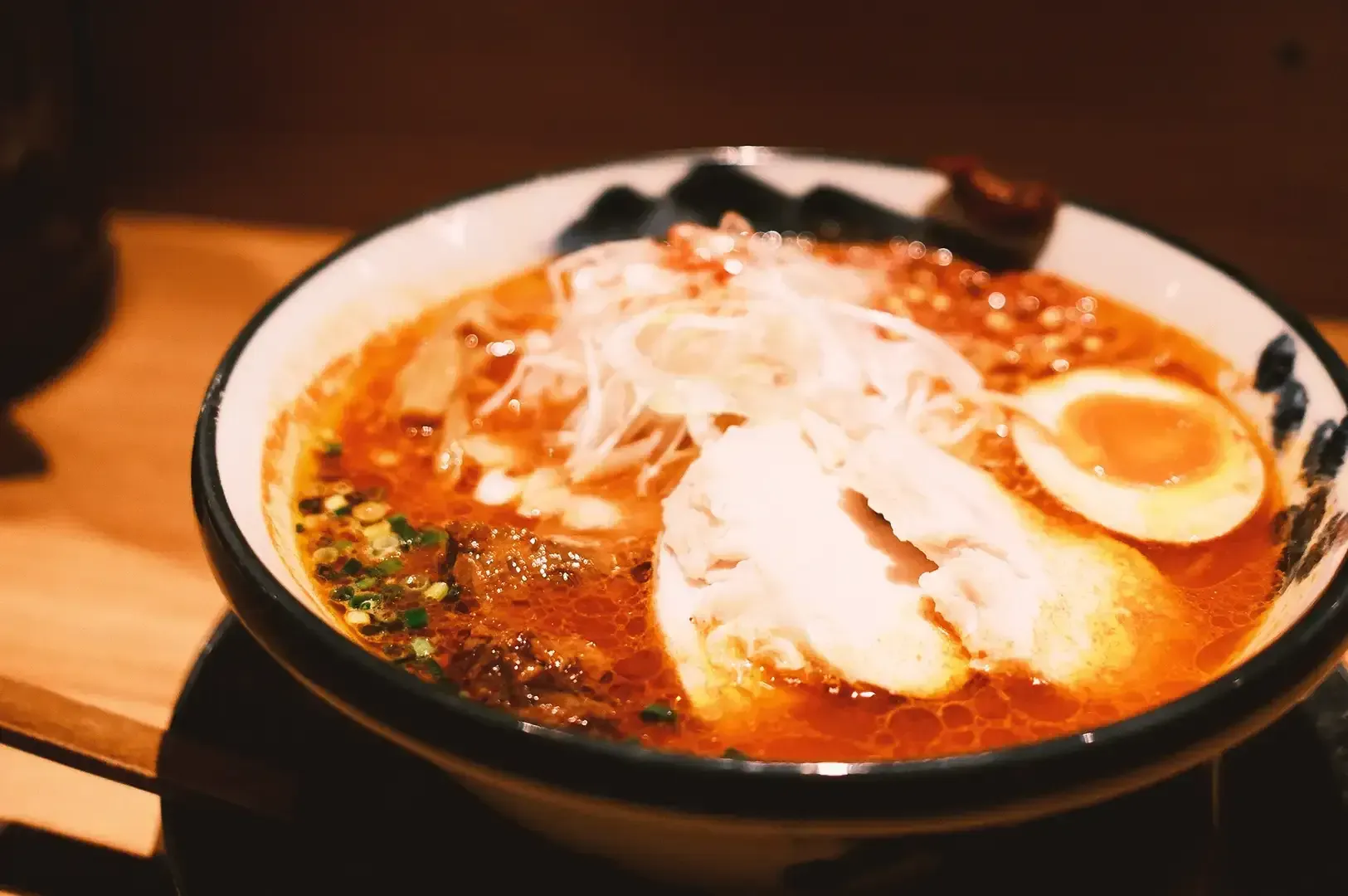
The Ultra Wagyu Ramen at $22++ hit my lips scorching hot, then settled into this buttery, beefy sweetness that coated my mouth. Ramen here generally ranges from about SGD 22 to SGD 30. It wasn't the thick, cloudy kind you might expect. It leaned clearer, lighter on the surface, yet somehow still deep and full underneath.
That balance surprised me. The broth is carefully cooked to create depth from the beef without turning overly heavy, and the wagyu slices visually shine in the bowl while the serving feels considered. I kept expecting it to feel heavy, but it never did. Each spoonful felt rich without being tiring, which is a hard line to walk in premium ramen Singapore spots.
I went back for another sip, then another. It had that addictive quality where you keep telling yourself just one more before the noodles.
The Japanese wagyu moment
Then came the wagyu beef slices. The wagyu was sliced thin, and the heat of the broth had softened it just enough. It practically dissolved the moment it touched my tongue.
The wagyu bones are carefully cooked to create a broth with layered umami, and compared with tonkotsu, this one has a cleaner surface instead of that heavier creaminess.
The fat melted into the soup like satin, adding this glossy, velvet texture to every bite that followed. It wasn't chewy or stubborn. It was tender in a way that almost felt delicate.
What struck me most was how the wagyu beef transformed the bowl as I ate. By the halfway point, the broth had grown even richer, soaking up all that melted fat. It evolved while I ate it, which is rare and kind of magical.
Broth and handmade noodles together
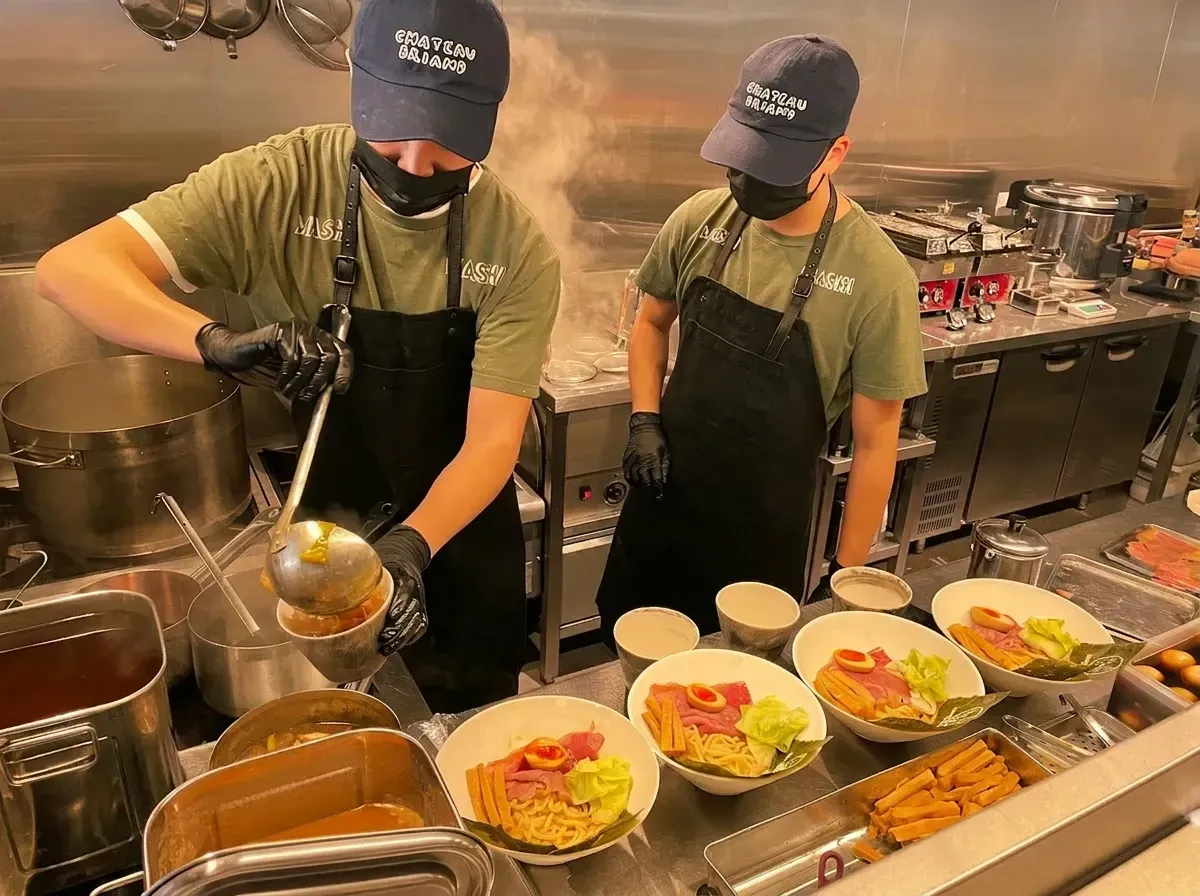
The noodles deserve their own moment of appreciation. The thin noodles were springy with a satisfying wheat chew, the kind that holds up instead of going limp in the hot broth. You could tell these were handmade noodles, made with care rather than rushed out, and the wagyu slices were lightly cooked by the heat of the broth.
They clung to the broth nicely, picking up all that beefy richness on the way to my mouth. The texture gave me something to actually bite into, a lovely contrast against the melting wagyu. Together, they felt like a proper partnership, not just toppings on noodles.
If you compare it with what diners might expect from wagyu steak, the slices really shine in ramen instead.
I slurped, paused, slurped again. That's usually my sign that a bowl is doing something right.
Exploring the menu beyond ramen
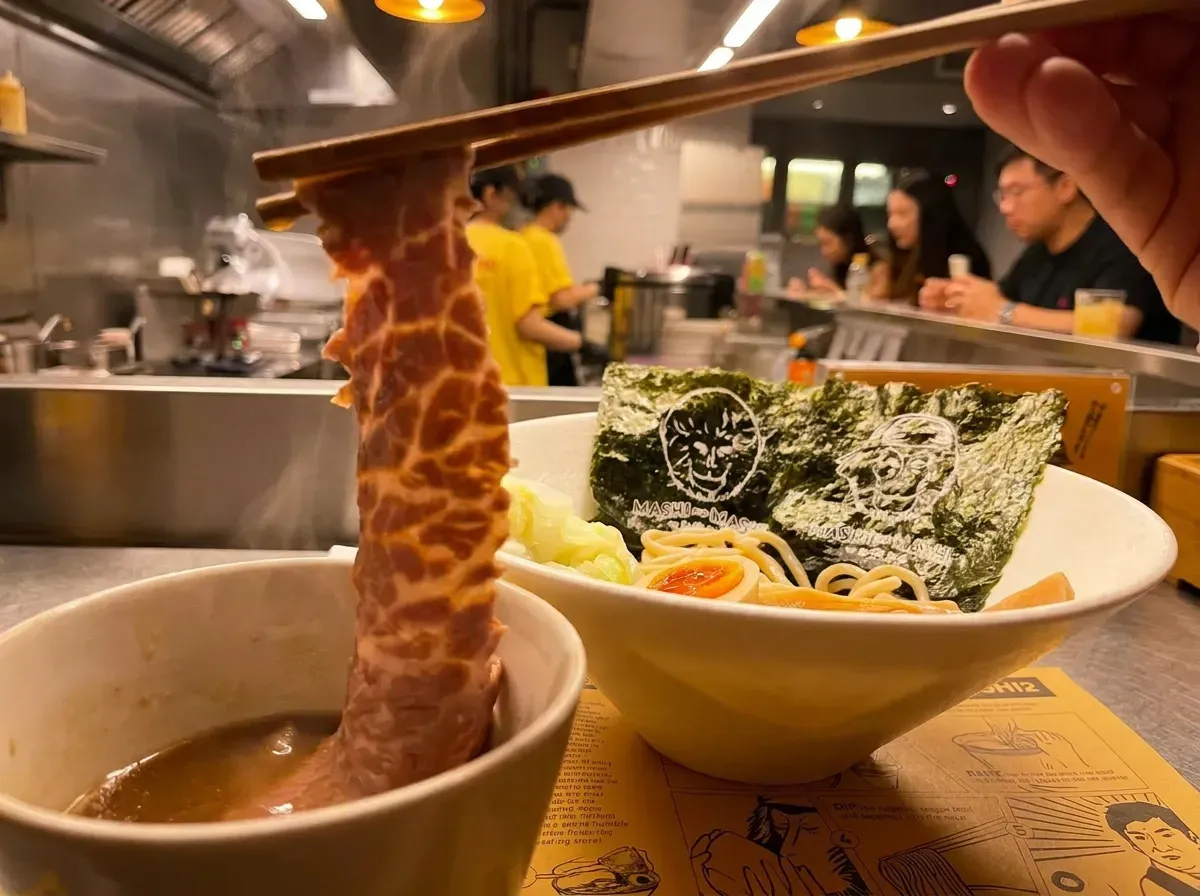
Mashi no Mashi’s menu also features other wagyu dishes worth noting. The Wagyu Tsukemen, served with thick noodles and a 24-hour stewed wagyu bone broth, offers a different texture and flavour profile. The thick noodles are perfect for a dip, soaking up the rich soup packed with umami and sweetness. Noodle texture is largely a matter of preference, especially if you compare the thin noodles here with thicker styles elsewhere in Japan.
For those who want to try something unique, the wagyu gyoza provides a juicy, tender bite with the signature marbling of Japanese wagyu beef. The Wagyu Bak Kut Teh is an intriguing fusion dish, combining traditional bak kut teh flavours with wagyu bone broth and tender wagyu slices, accompanied by cabbage and bamboo shoots as toppings. Though it’s a bit different from the pork-based original, it’s a rich and warming dish that adds variety to the food and gives diners another dish to add to the meal.
Soft boiled eggs are a common topping here, adding a creamy texture that complements the wagyu and broth perfectly. They’re served in a way that helps the noodles keep their bite, and the eggs can be cooked to suit personal preference. Seaweed and garlic also make appearances as flavour enhancers, creating a complete sensory experience.
If you want to explore more on the restaurant Mashi no Mashi, be sure to visit our article we written for you at Bestramen.com
The honest downsides
I want to be fair here, because no place is perfect. The price is the obvious one. This is a premium experience, and your wallet will feel it. If you're after a cheap, casual slurp, this isn't that, and Wagyu Bak Kut Teh at $30 reinforces that this is very much premium comfort food.
The portion also leans refined rather than enormous. While the generous portion of wagyu beef slices is impressive, the bowls focus on quality over sheer quantity. I left satisfied, but if you came in absolutely starving, you might want a side or a second something. If you order the tsukemen, it's the style where you dip the thick noodles into the broth.
And that 20-minute wait, while manageable, could test your patience on a busier night. There's a bit of reservation friction worth planning around, so don't show up famished and expect to be seated instantly.
Practical tips before you go to Guoco Midtown
If you're planning your own visit, here are a few things I'd keep in mind:
- Go a little before 7 PM or after 8 PM to dodge the worst of the dinner rush.
- Grab a counter seat if you can. It's more fun and you feel closer to the craft.
- Taste the broth on its own first, before adding anything.
- Bring a light jacket, since the AC runs strong.
- Come for the experience and the quality, not for a budget meal.
- If you're very hungry, consider ordering a little extra to round things out.
Who it's best for, and who should skip it
This place isn't for everyone, and that's okay. Knowing what you're walking into makes all the difference.
Perfect for:
- Curious foodies who love trying something a little special.
- Solo diners who enjoy a calm, counter-seat experience.
- Anyone who appreciates premium ingredients done thoughtfully.
Avoid if:
- You're on a tight budget and want a casual, cheap bowl.
- You need huge portions to feel full.
- You hate any kind of wait, even a short one.
My final thoughts: food review
Mashi no Mashi Singapore set out to do something bold, and from where I sat, it delivered. The wagyu didn't feel like a gimmick. It felt like the whole reason the bowl works, melting into that rich broth and lifting everything around it.
Was it perfect? No. The price stings a little, and the portion is more elegant than enormous. But the flavour, the texture, the small human touches from the staff, all of it added up to a meal I kept thinking about afterward.
Ramen is a diverse dish that everyone can eat and enjoy in any places, specially in the hearts of Singapore. Check this article for a more broad exploration of ramen: From Classic Tonkotsu to Modern Creations: Ramen Gems at Fortune Centre
Recent Posts