I noticed it the way you notice a habit you've had for years without naming it.
Before the
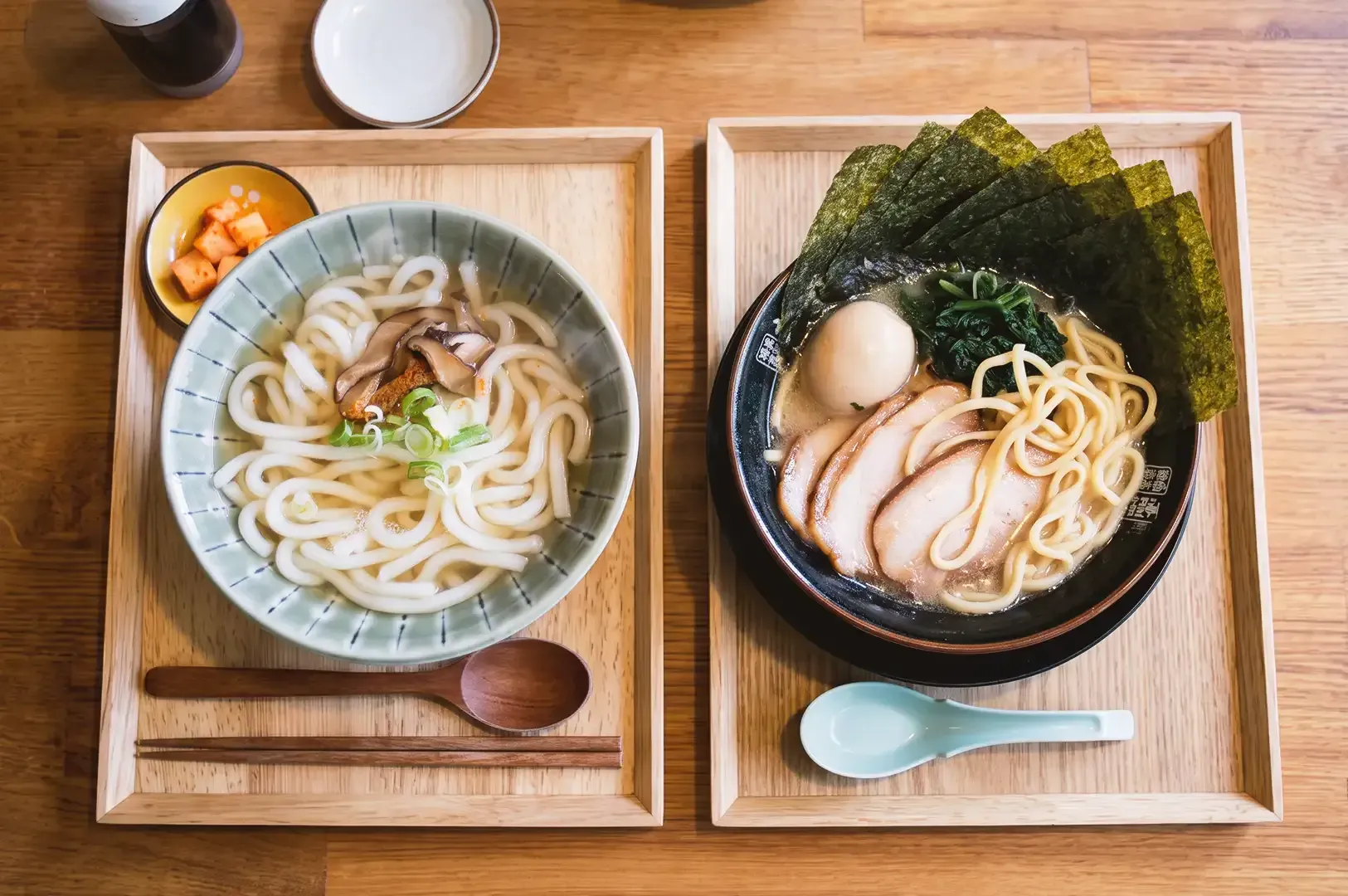
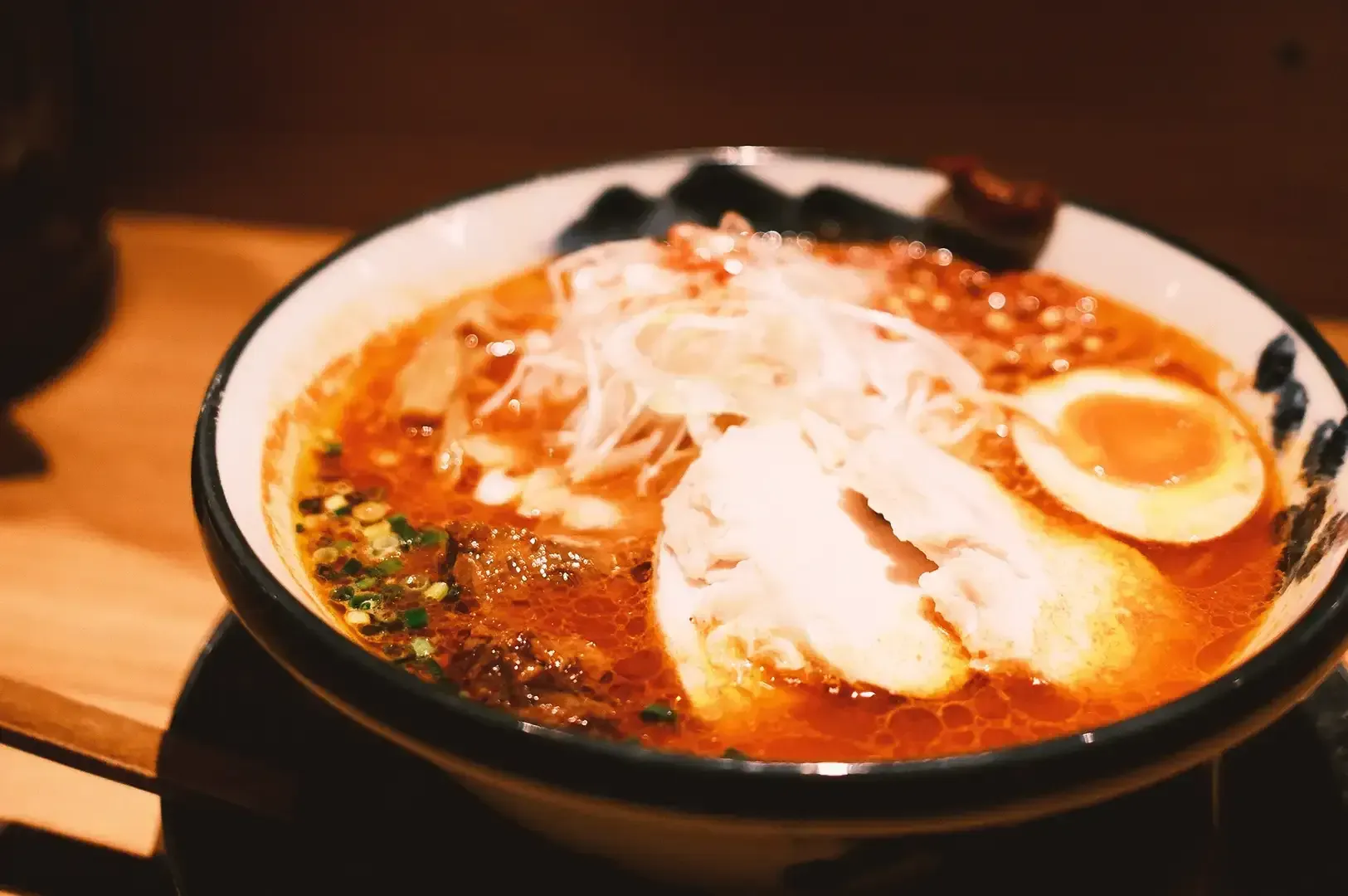
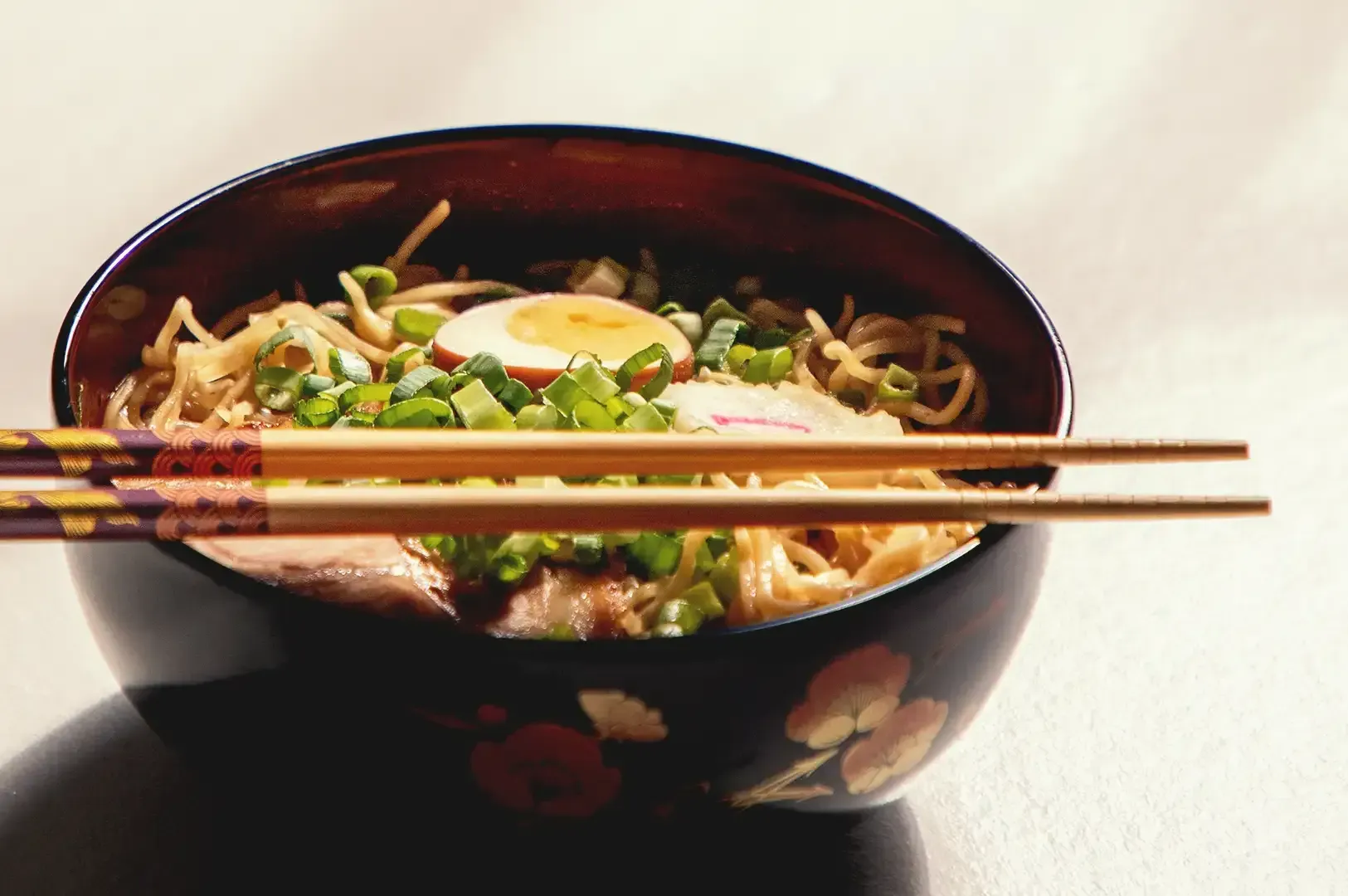
broth, before the noodles, before I even register the chashu, my eyes go straight to the egg. If it's there, halved and waiting, I already have a feeling about the place.
Somewhere along the way, the ajitama became my private yardstick. I call it the Egg Index, half as a joke, half as something I actually believe. A shop can get a lot wrong and still win me over if the egg is right.
The good ones stay with me. There was a small counter near an MRT exit, the kind you find by accident on a rainy evening. The egg came sliced clean, the yolk a deep, almost-orange jammy center that held its shape for a second before slowly giving way.
It smelled faintly of soy and mirin, sweet and salty in balance, warmed through by the broth instead of cold from the fridge.
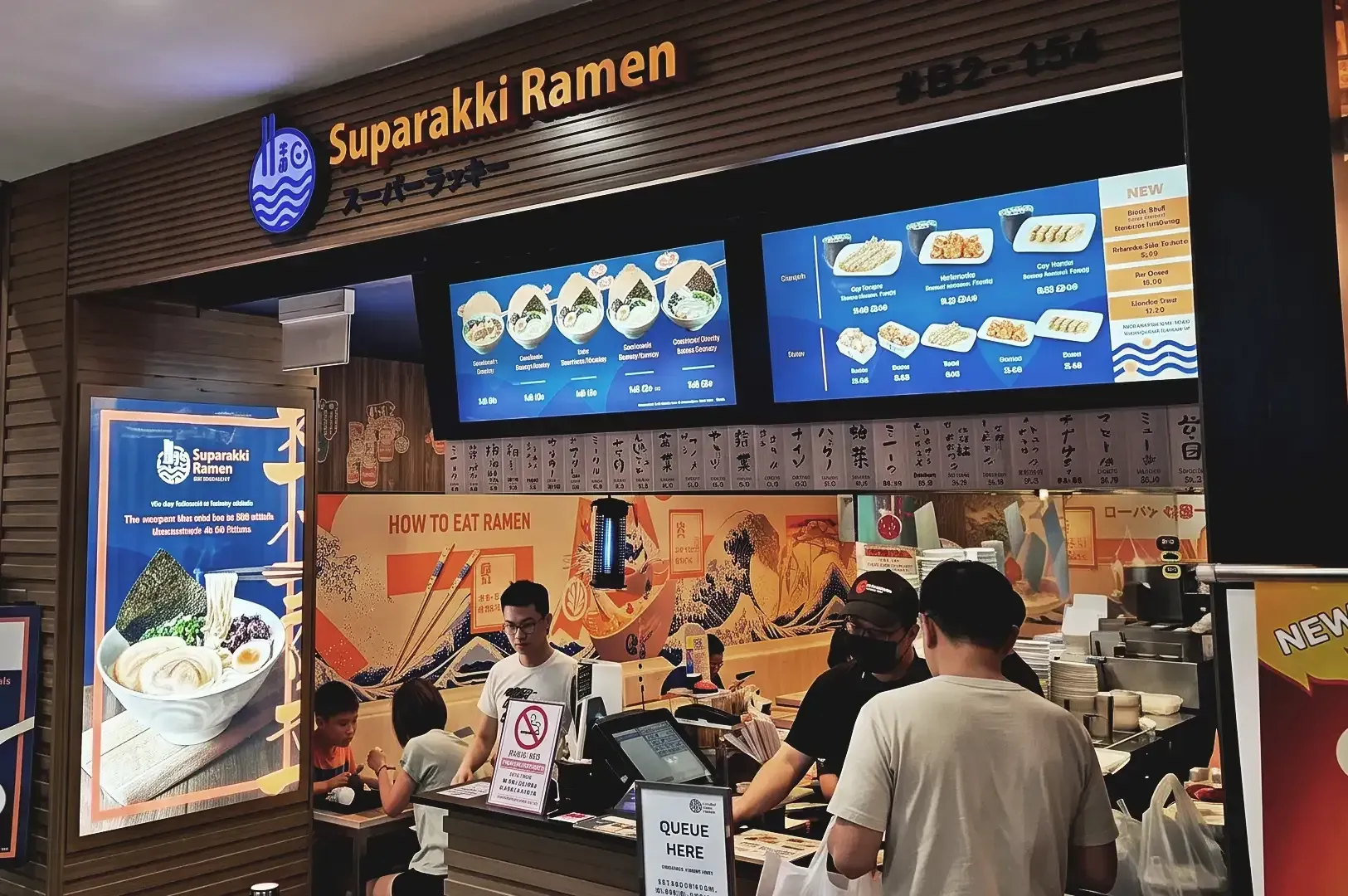
Then there are the mall counters. Bright, efficient, a queue that moves fast under the air-con. Their eggs often look perfect, but perfection isn't the same as care. Sometimes the yolk is set a touch too far, more firm than flowing, and the marinade soaks so deep it tastes more of soy than egg.
I've had the disappointing ones too. A late supper bowl after a long day, the egg straight from cold storage, chalky at the edges, the white rubbery instead of tender. It sat against the broth like it didn't want to be there. I finished the noodles. I left the egg.
If I'm honest, this is my rough rubric:
- Yolk that's jammy, not chalky, not raw
- Soy aroma present but not drowning the egg
- Served warm, never fridge-cold
- A clean slice that holds together
None of this is science. It's just the thing I've learned to look for, the small detail that tells me whether someone in that kitchen was paying attention.
Maybe you have your own version. The crispness of a wonton skin. The char on a piece of chashu. The way the soup spoon feels in your hand.