A Japanese Noodle Adventure That Goes Beyond Expectations: Tamoya Udon Singapore
There’s a particular kind of hunger that hits differently in Singapore. It usually arrives after walking through a mall a little too long, when the air outside is humid, the air inside is freezing, and your brain starts negotiating between “something quick” and “something that actually feels like a meal.” That was the mood I had in mind when I found myself thinking about Tamoya Udon Singapore.
Not ramen this time. Not a rich pork broth, not a garlicky oil slick, not the familiar drama of thin noodles disappearing into a cloudy soup.
This craving was quieter. I wanted udon, the kind of Japanese noodle that doesn’t shout for attention. Udon asks you to notice chew, warmth, steam, and the clean pull of udon soup. It’s comfort with broad shoulders. It’s simple until you realize simplicity is the hard part.
At Tamoya, the bowl arrives with that gentle confidence. The signature fresh udon topped with tender beef slices or floating in a clear signature bonito soup stock. The steam rises first. Then comes the aroma, savory, lightly marine, faintly sweet. When the bowl lands, it doesn’t feel like spectacle. It feels like relief.
And that, honestly, is where the adventure begins.
The Quiet Power of Good Udon: Best Udon Experience at Tamoya Udon Singapore
Udon is often misunderstood by people who approach it with ramen expectations. Ramen is layered in a very obvious way. There’s tare, broth, aroma oil, noodles, toppings, and often a kind of intensity built into the bowl. It wants you to lean in. It rewards obsession. That chew is the heart of the experience.
Sanuki udon, the style associated with Kagawa Prefecture, is especially known for its firm, elastic bite. When a shop positions itself around Sanuki udon, the expectation is clear. The noodles should not feel like an afterthought. They should feel alive, structured, and satisfying even before you start thinking about toppings.
The broth matters too, but in a different way from ramen.
Temperature is part of the pleasure. A hot bowl should warm the thick noodles fully, release the aroma of the stock, and gently soften toppings without making them soggy. A dry udon, on the other hand, depends even more on the noodle’s surface texture and how tempura sauce accompanied by sweet soy sauce clings to each strand.
That’s the quiet power of udon. It looks simple, but every detail is exposed.
Tamoya Udon Singapore and the Specialty Shop Feeling
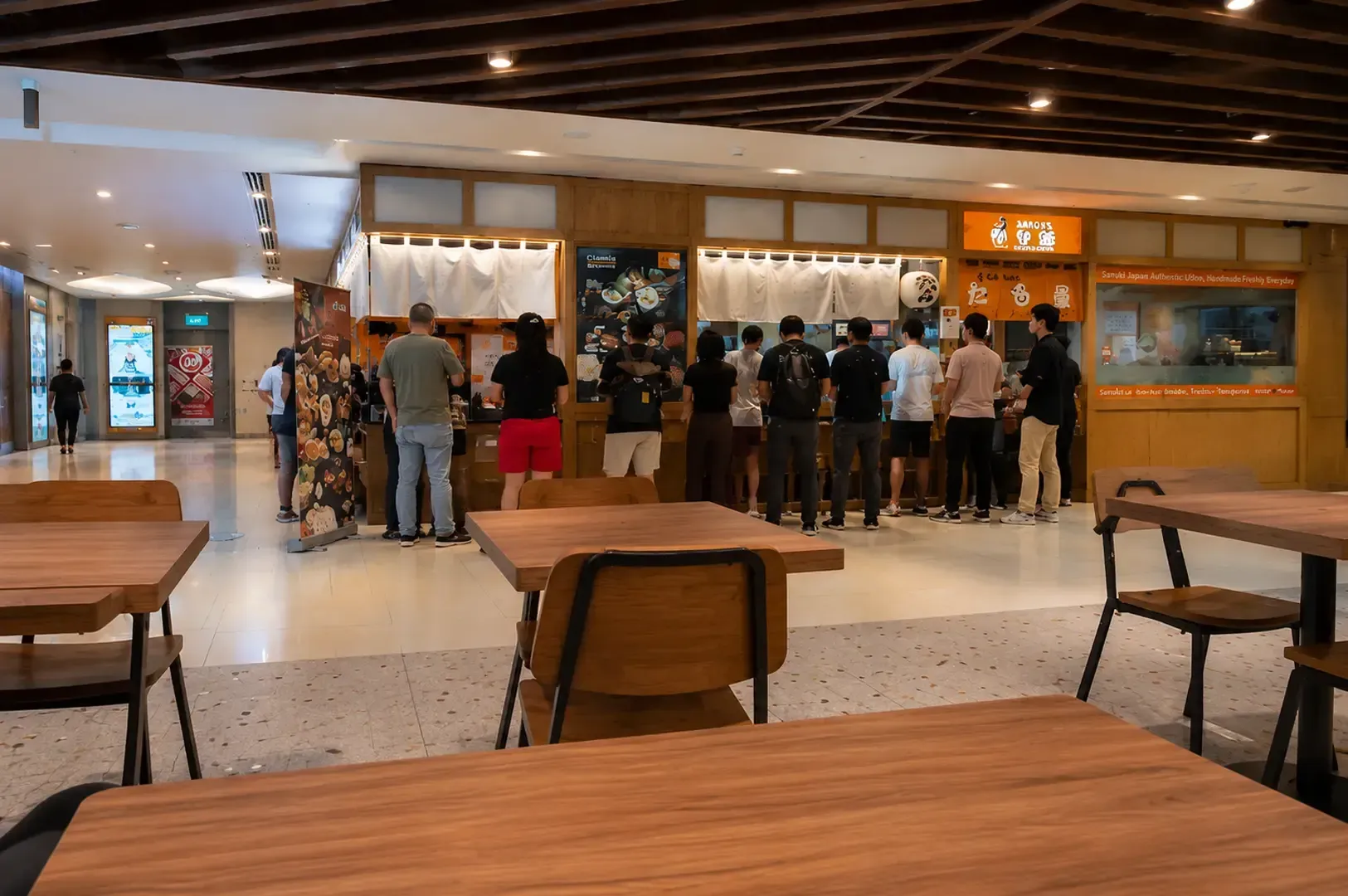
The brand presents itself around fresh authentic udon noodles, hand-pulled daily, with a Sanuki udon champion approach. That focus matters because an udon specialty shop experience feels different from a general Japanese restaurant.
There’s a sense of movement. You’re thinking about your bowl, your toppings, your add-ons, maybe a piece of vegetable tempura mushroom or crispy vegetable tempura mushroom on the side. The current menu structure reflects that wider casual dining rhythm, with categories such as udon dishes, tempura udon, yaki udon, ramen dishes like black garlic tonkotsu ramen and truffle tonkotsu ramen, don, bento, sides, and beverages. Still, the udon is clearly the center of gravity.
What may surprise first-timers is how approachable it feels.
If you’re used to ramen shops where the broth defines the whole personality of the meal, Tamoya’s appeal is a little more modular. You can keep things clean and classic with kake udon or spicy yakiniku tonkotsu udon. You can build in richness with beef udon featuring tender spicy beef yakiniku and smooth onsen egg topped bowls. You can add crunch through tempura flakes or tamoya udon tempura. You can make the meal bigger without making it chaotic.
The Bowl That Makes the Case: Beef Udon and Onsen Egg Delights
Sanuki Beef Onsen Egg Udon with Japanese Onsen Egg
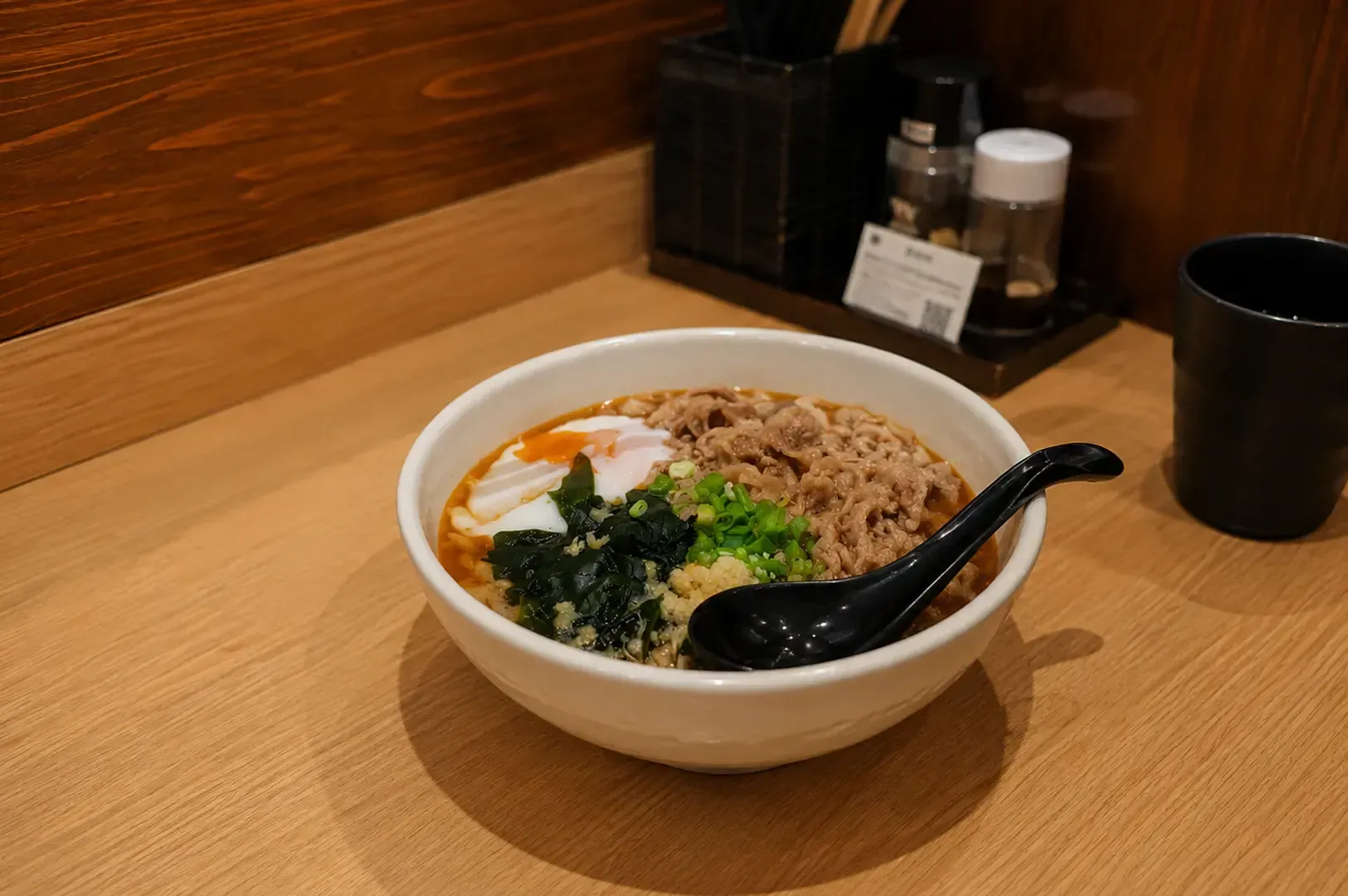
If there is one bowl that explains the appeal quickly, it’s the Sanuki Beef Onsen Egg Udon (SGD 13.20).
The description alone gives you the framework: signature freshly made udon noodles, succulent beef slices, a smooth onsen egg topped, and signature bonito soup stock. But the real pleasure is how these parts behave together.
The tender beef slices bring sweetness and depth. It adds a soft, savory richness that seeps gently into the broth. The onsen egg is the quiet luxury. Break it open and the yolk loosens into the soup, turning the clear stock slightly silkier. It doesn’t erase the bonito character. It rounds it.
Then the noodles do their job.
They hold their shape, picking up the broth without disappearing into it. Each bite has weight. Not heaviness, exactly, but presence. You feel the chew first, then the warmth of the soup, then the beef’s savory sweetness.
For someone new to Japanese udon, this bowl is a generous introduction. It gives comfort, protein, texture, and enough richness to feel satisfying without crossing into the intensity of ramen.
Beef Udon Features Tender Beef and Spring Onions
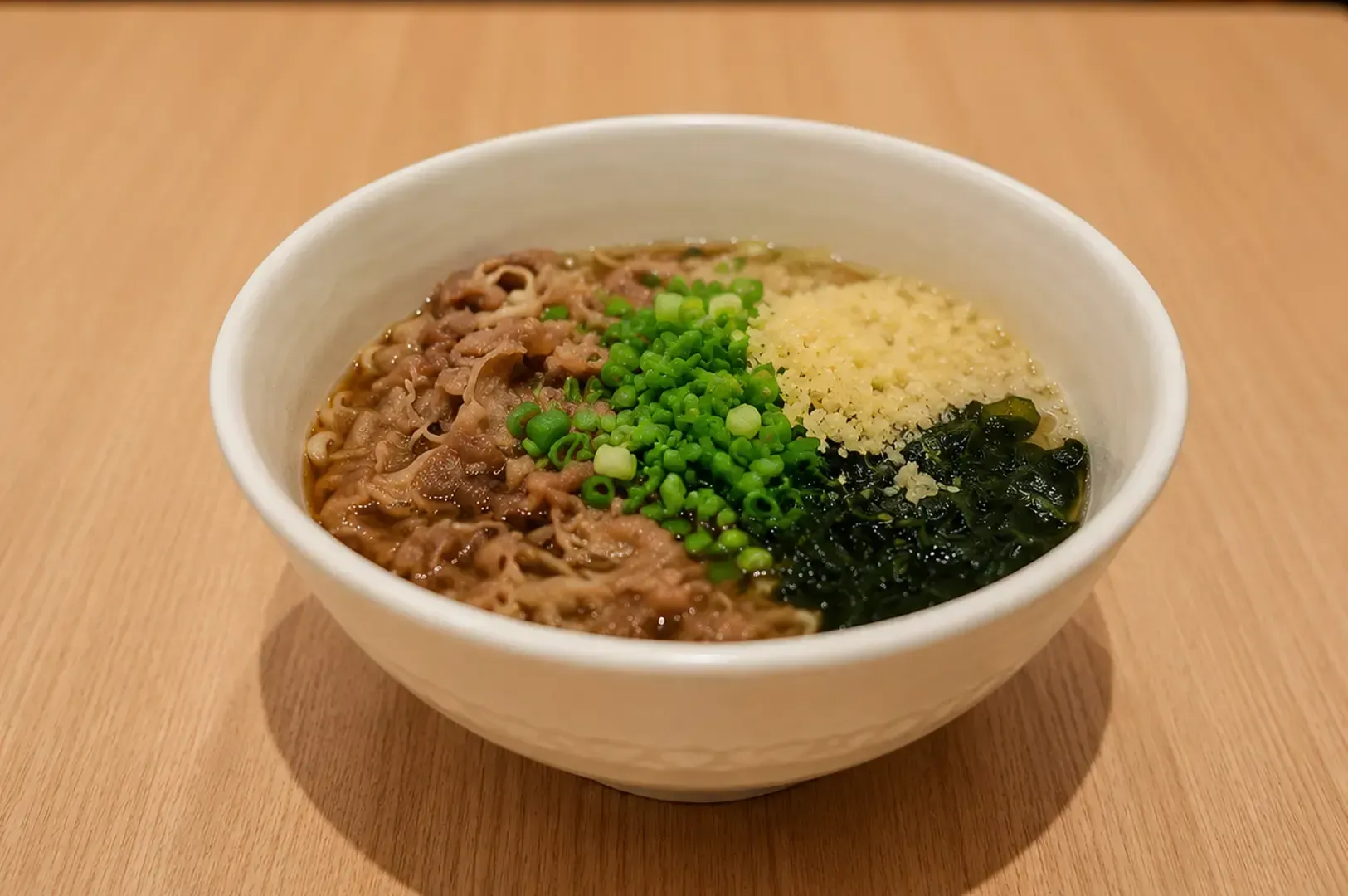
The Beef Udon (SGD 12.50) feels like the more direct cousin.
It features freshly made udon noodles with tender beef slices, wakame, green onions, and tempura flakes. On paper, it sounds straightforward. In practice, that’s the charm.
The wakame adds a soft oceanic note that works well with the broth. Green onions bring a clean, sharp lift. The tempura flakes are small but important, because they shift the texture of the bowl. At first, they’re crisp and light. As they sit, they soak up broth and become little pockets of savory softness.
This is the bowl I’d point toward if you like balance over richness. If the Sanuki Beef Onsen Egg Udon is rounder and silkier, the Beef Udon feels cleaner and more everyday. It still gives you beefy comfort, but the toppings keep the bowl lively.
It’s also a good option for price-sensitive diners who want a satisfying main without automatically adding several sides. At SGD 12.50 before any extras or drinks, it sits in that familiar Singapore mall dining range where value depends on whether the meal actually fills you up. Here, the noodle portion and beef make a strong case.
Kakiage and the Joy of Contrast
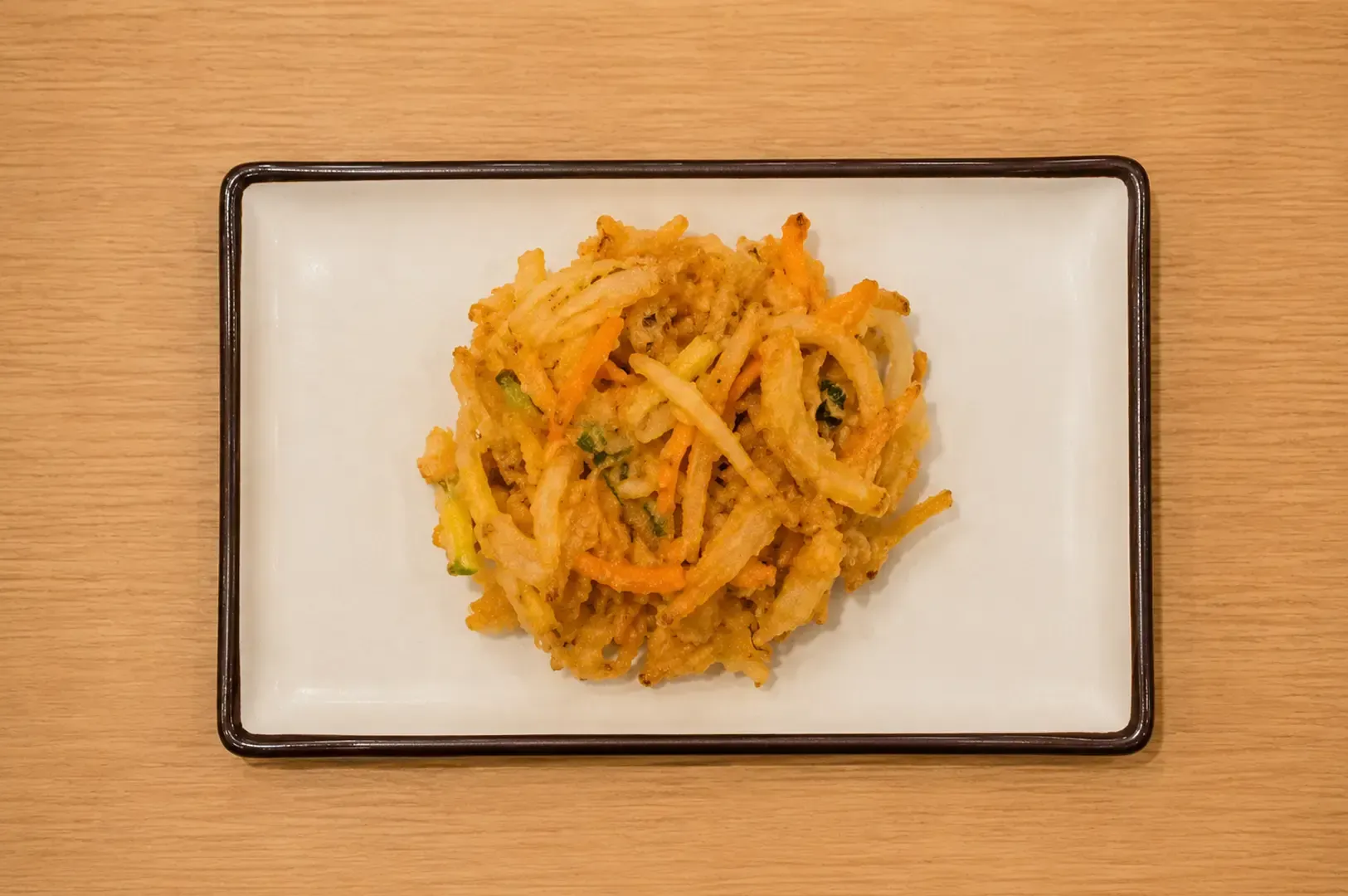
Kakiage (SGD 2.40) is the kind of add-on that reminds us why udon shops are fun.
A fried mixed vegetable fritter brings crunch, sweetness, and a little indulgence. Eaten on the side, it gives you contrast against the smooth chew of udon. Dipped lightly into udon soup, it starts to soften at the edges while keeping some crispness in the center.
That change in texture is deeply satisfying.
The best pairing logic is simple. If your bowl is clean and brothy, kakiage gives it a playful crunch. If your bowl is already rich, you may want to pace yourself, because fried add-ons like seasoned fried tofu or crispy vegetable tempura mushroom can make the meal feel heavier.
Still, for SGD 2.40, it’s an easy way to make a simple bowl feel more complete.
Fried Chicken as a Heartier Pairing
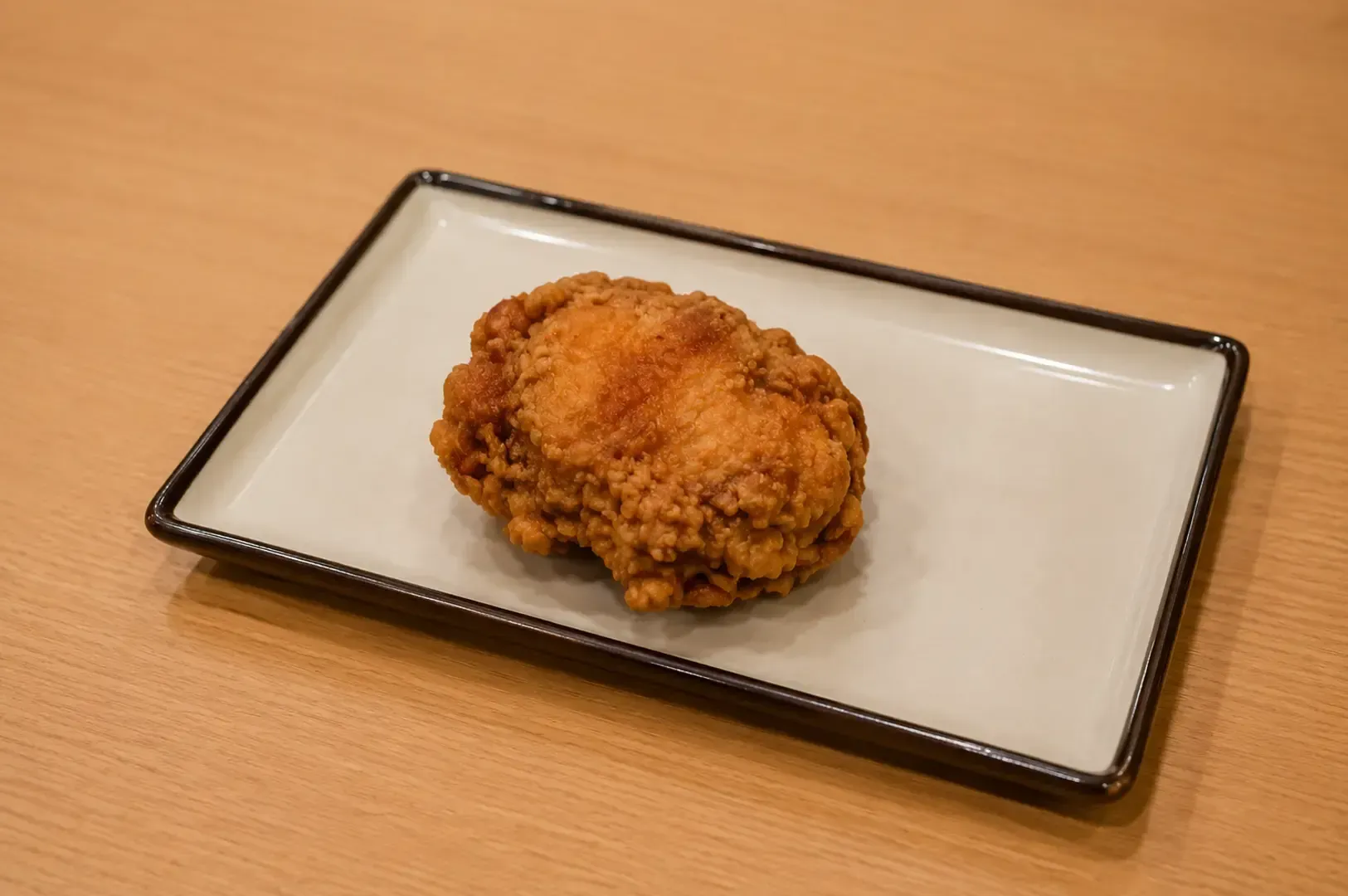
Fried chicken (SGD 4.90) is another add-on that shifts the meal.
It brings a different kind of comfort, crisp coating, tender chicken, and a more filling bite. Current source details note an approximate 10-minute waiting time for this item, so it may not be the move if you’re rushing between meetings. But if you’re settling in for a proper meal, it makes sense.
This is especially useful for diners who want more protein or who find a plain noodle bowl too light. Pairing fried chicken with a soup udon gives you that hot broth plus fried crunch combination Singapore diners tend to understand instinctively. If you like a clean noodle bowl, try Beef Udon with kakiage. If you like something fuller and more comforting, the Sanuki Beef Onsen Egg Udon with fried chicken will feel more substantial.
Exploring Other Udon and Ramen Highlights: Spicy Yakiniku Tonkotsu Udon and Black Garlic Tonkotsu Ramen
Tamoya’s menu also includes innovative dishes like the spicy yakiniku tonkotsu udon, a hearty combination that features tender spicy beef yakiniku served with thick noodles doused in creamy tonkotsu broth doused with umami flavor. This bowl brings a satisfying mouthfeel that blends the richness of tonkotsu udon with the spice and depth of yakiniku.
For ramen lovers, Tamoya offers black garlic tonkotsu ramen and truffle tonkotsu ramen. The black garlic tonkotsu ramen combines springy ramen noodles with a black garlic tonkotsu broth doused in truffle oil, topped with pork cha shu, crunchy bamboo shoots, and half an ajitama egg or smooth onsen egg. It’s a dish that balances aromatic black garlic with creamy tonkotsu soup doused in rich flavors.
The truffle tonkotsu ramen is another classic dish, featuring springy ramen noodles in a creamy tonkotsu soup doused with truffle oil, pork slices topped with ajitama egg, and garnished with green onions and spicy cod roe for an extra kick.
Cold and Dry Udon Options: Idaten Udon and Mentaiyaki Ebiko Dry Udon
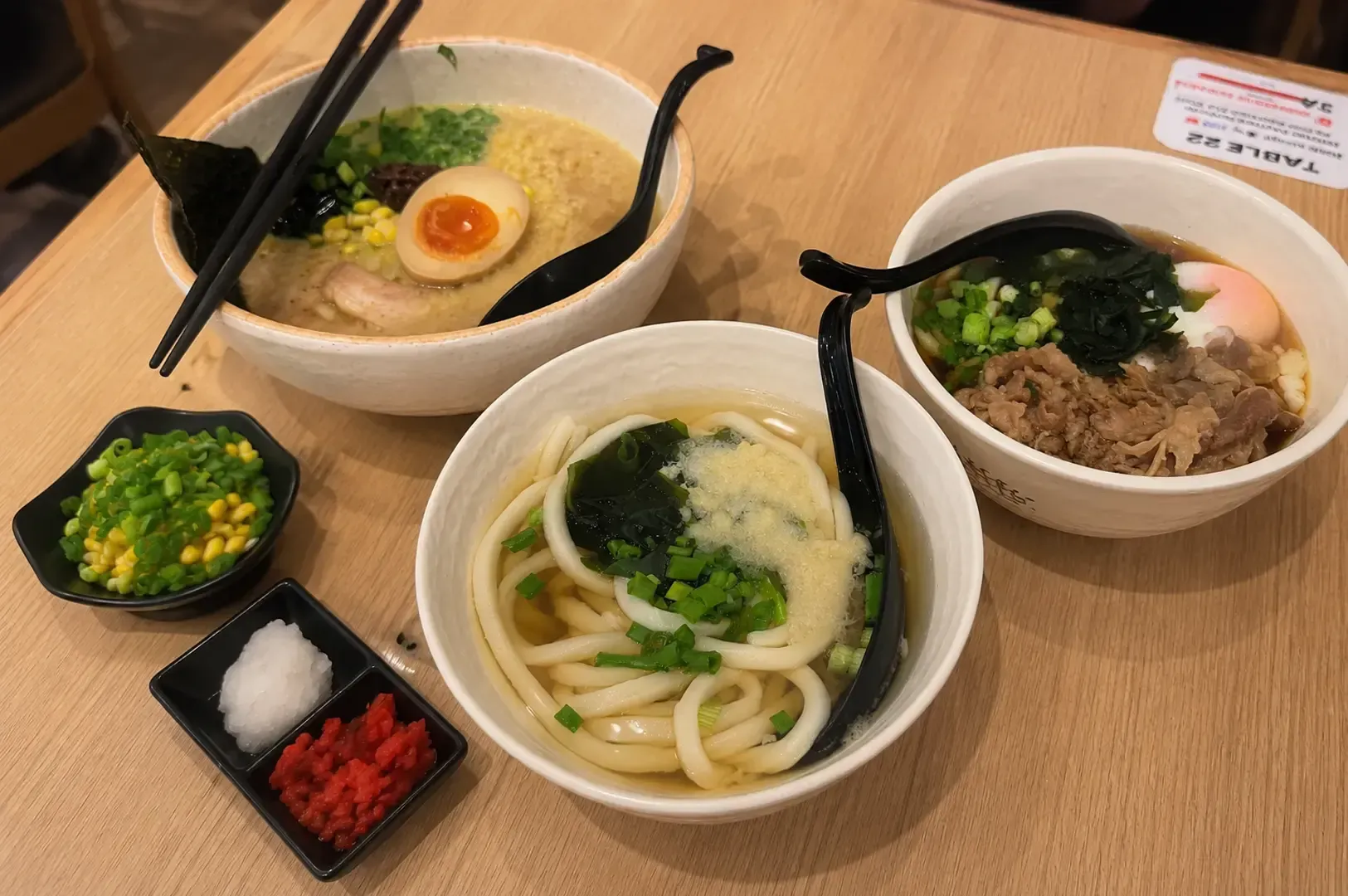
For those who prefer cold udon served chilled, Tamoya offers options like kake udon and dry udon variations. The mentaiyaki ebiko dry udon is a flavorful choice, combining dry udon noodles with spicy cod roe, spring onions, and tempura flakes, creating a satisfying mouthfeel and umami flavor in every bite.
Idaten udon is another popular style, featuring cold udon served with tempura sauce and accompanied by crispy vegetable tempura mushroom or sweet potato tempura Singapore style. These dry udon dishes are great for Japanese curry lovers who want a lighter alternative to Japanese style curry rice but still crave the springy bite udon texture.
What Singapore Diners Should Know Before Going to Tamoya Udon Singapore
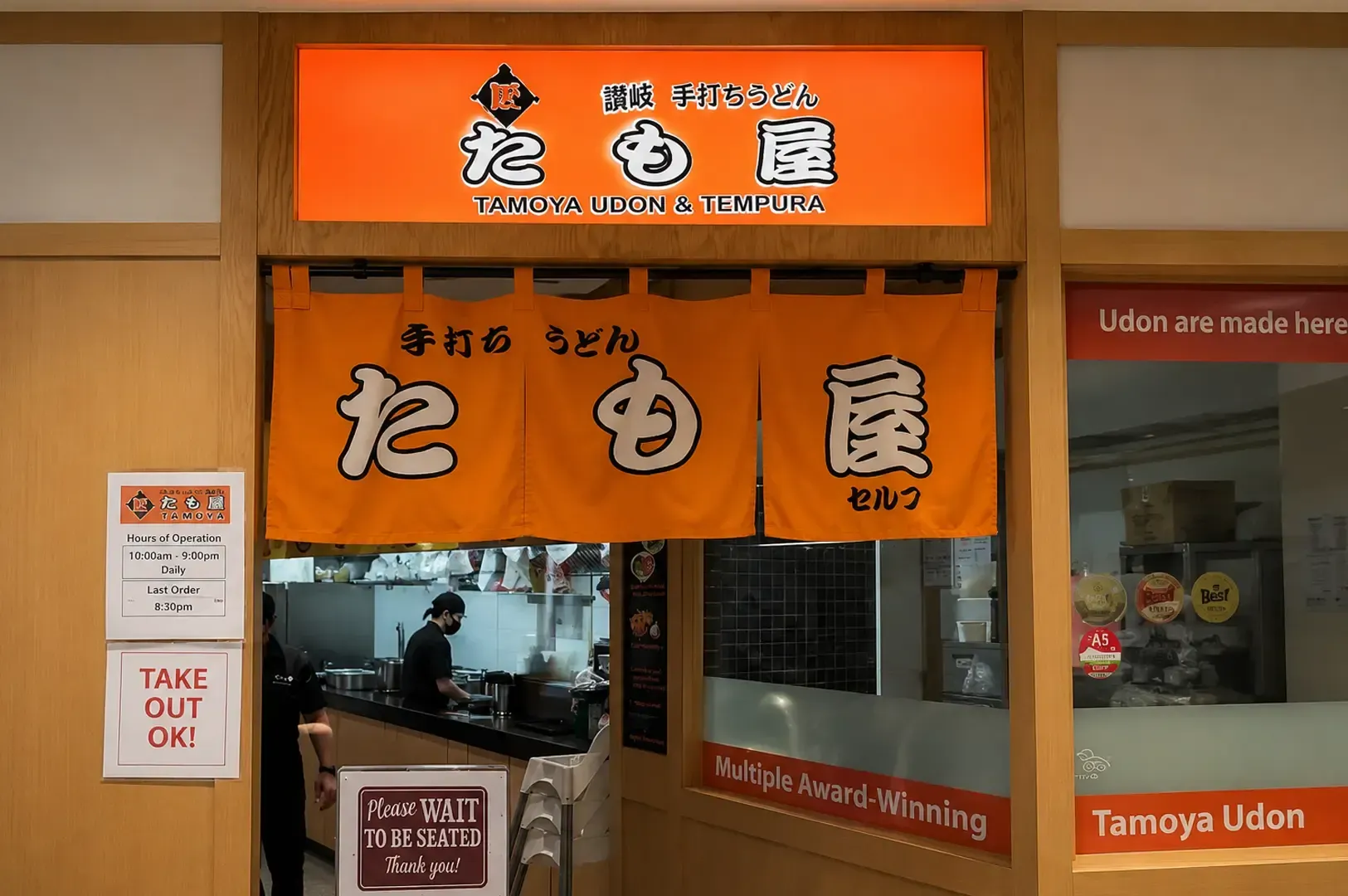
Tamoya works well for a wide range of eaters, but it helps to know what kind of mood it suits. This is a strong choice for people who love Japanese noodles Singapore has to offer but want something gentler than a heavy ramen bowl. It’s also good for diners who care about texture. If noodle chew is your thing, udon gives you a completely different pleasure from ramen.
Portion-wise, a standard udon bowl should satisfy most moderate appetites. Bigger eaters may want a tempura or katsu add-on. If you’re sharing, adding sides makes the meal feel more varied without losing focus.
Why Tamoya Goes Beyond Expectations in the Best Udon Category
In a city where food trends move quickly, and where “best udon in Singapore” conversations can become as intense as any ramen debate, there’s something refreshing about a bowl that simply asks you to pay attention. Notice the chew. Notice the broth. Notice how the onsen egg changes the texture, how the beef sweetens the soup, how kakiage or tempura flakes shift from crisp to tender.
It also reminds us that Japanese noodle culture is bigger than ramen alone. Ramen may be our first love, and we’ll always return to it with full hearts and hungry stomachs. But udon offers another kind of comfort, less intense, more tactile, deeply satisfying in its own calm way.
Discover more ramen varieties and combos to eat and slurp at Bestramen.com
Recent Posts