Sanpoutei Ramen: A Niigata Shoyu Ramen Experience Like No Other
For a long time, I thought I'd outgrown shoyu ramen.
Not out of dislike, exactly. More like the way you drift from an old friend. Tonkotsu had louder things to say, and I let it do most of the talking. Shoyu broth ramen felt like the polite bowl. The one you order when you can't decide.
Then one wet evening in Singapore, a bowl of
Niigata shoyu ramen quietly reminded me why I'd loved it in the first place. This is that story.
An Evening at Sanpoutei Ramen's Third Outlet Near Orchard Road
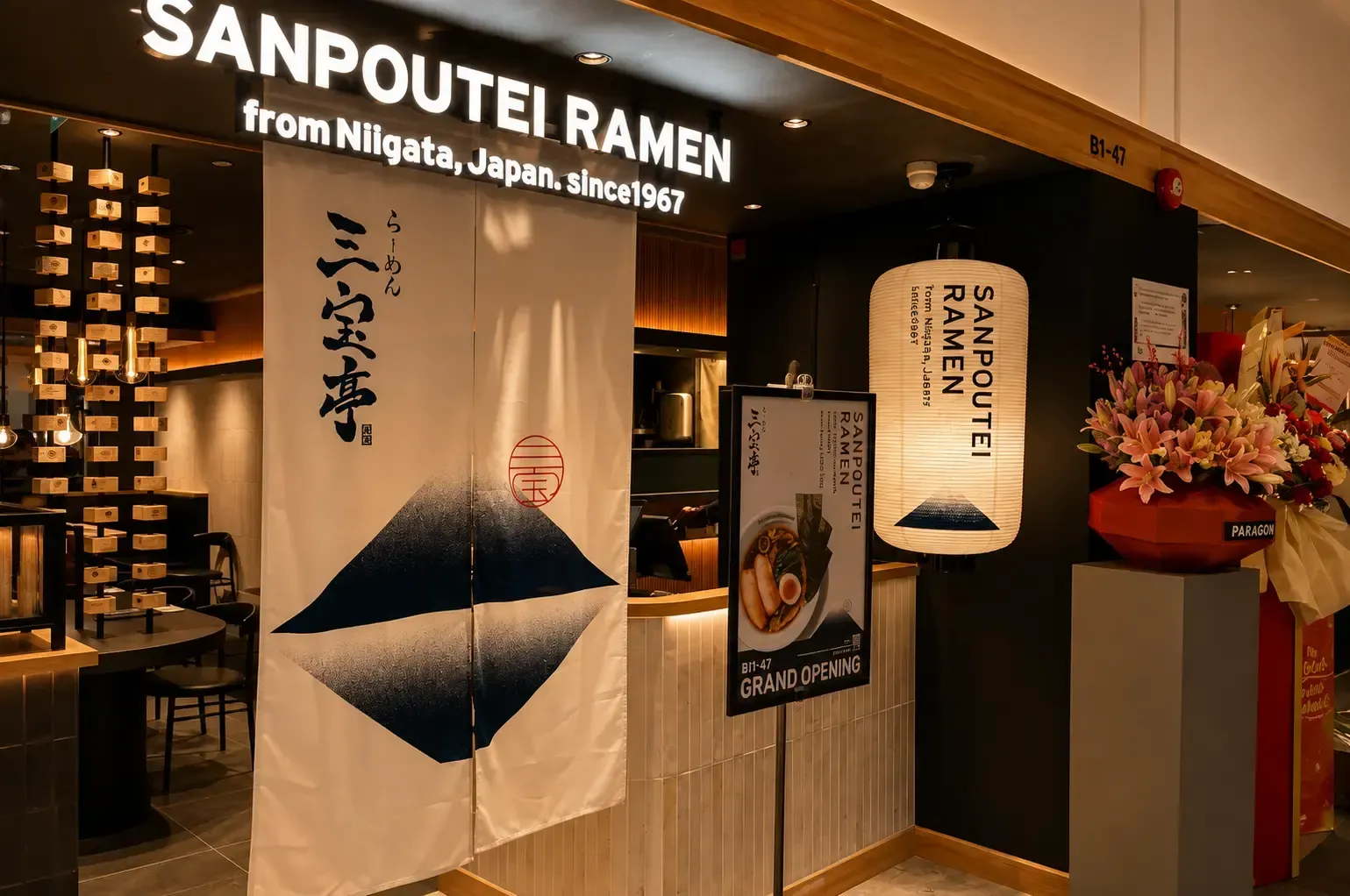
I visited Sanpoutei Ramen's third outlet at Paragon, located on Orchard Road, a little after 7pm. The sky had done that thing it does here, opening up without warning and soaking everyone who trusted the morning forecast.
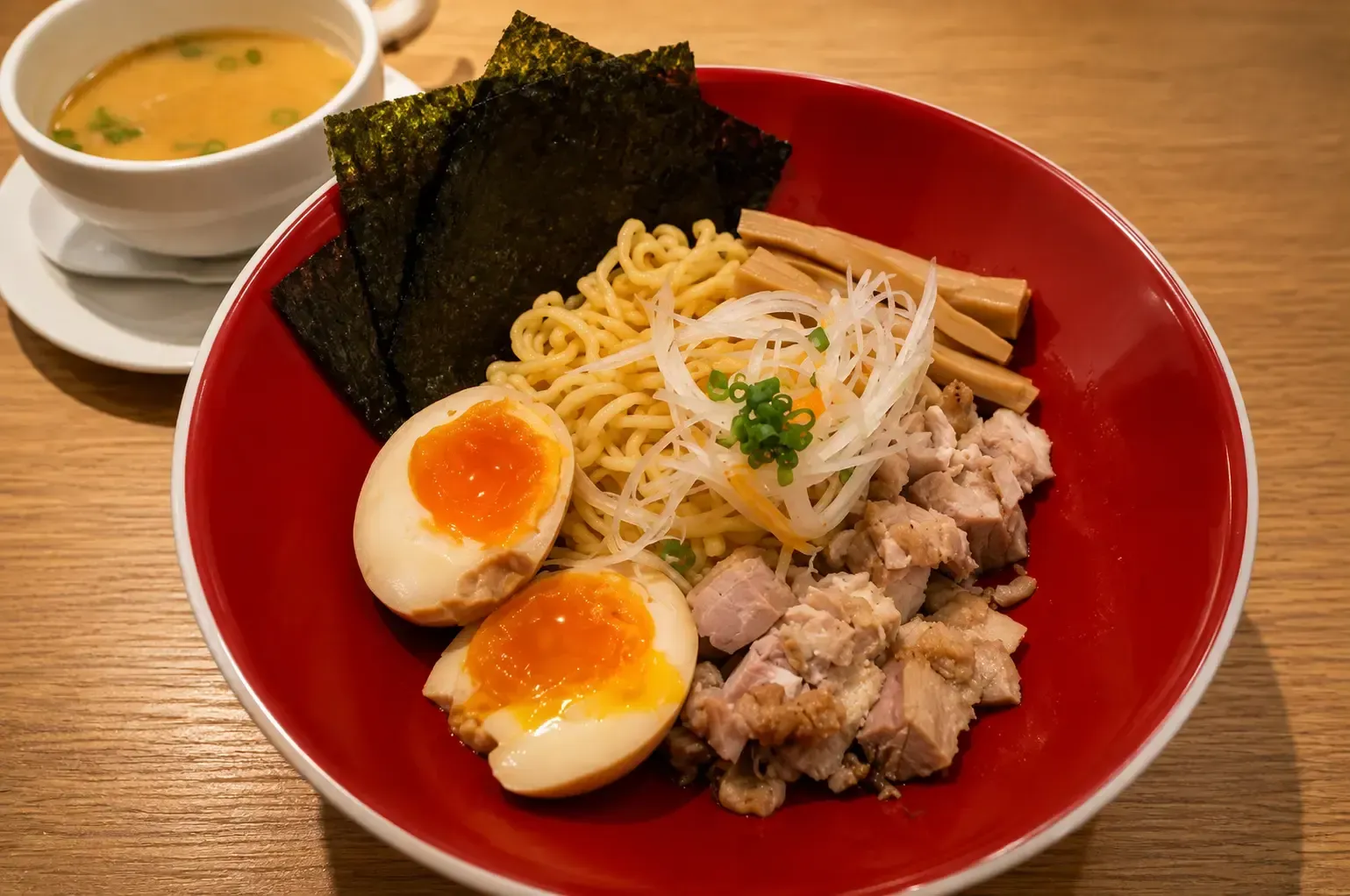
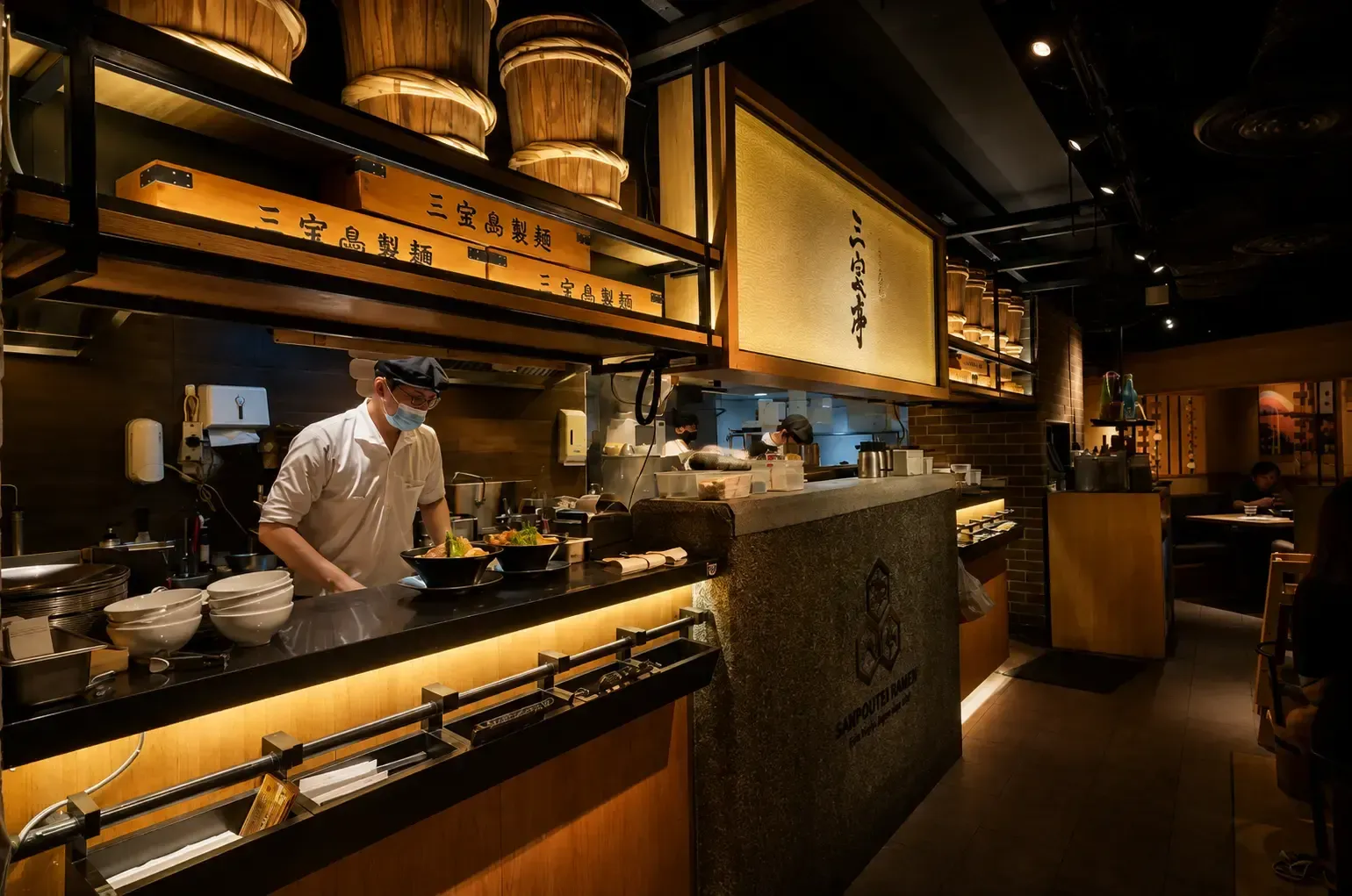
The room was maybe two-thirds full. A soft clatter of bowls, a low hum of talk, no music fighting for space. It felt like a place that trusted the food to carry the evening. The service was quietly efficient, with staff attentive but unobtrusive, a reflection of the restaurant’s confidence in its offerings. The atmosphere was intimate yet relaxed, perfect for savoring the signature dishes without distractions.
I started with the Niigata shoyu ramen, the star of Sanpoutei Ramen’s menu. The broth, made using ago (rich tori dried flying fish) and Rishiri kelp from Hokkaido, simmered for six hours to extract a deep umami flavor. The result was a clean, crisp broth that balanced a rich palate with subtle sweetness, avoiding the heaviness common in tonkotsu ramen. The broth’s delicate layers unfolded with each sip, leaving a lasting impression.
The noodles were thick, fresh, and slightly flat, holding their springy texture well against the broth’s depth. The chashu pork was tender and juicy, with a melt-in-the-mouth quality enhanced by a light caramelized glaze. Bamboo shoots added a pleasant crunch, complementing the meat and vegetables in the bowl.
I also tried the rich tori nikumori miso ramen, a heartier version featuring a miso-based broth enriched with chicken essence. This broth was thicker and more viscous, offering a comforting warmth that lingered on the palate. The addition of sake in the preparation subtly rounded the flavors, enhancing the umami without overpowering the dish.
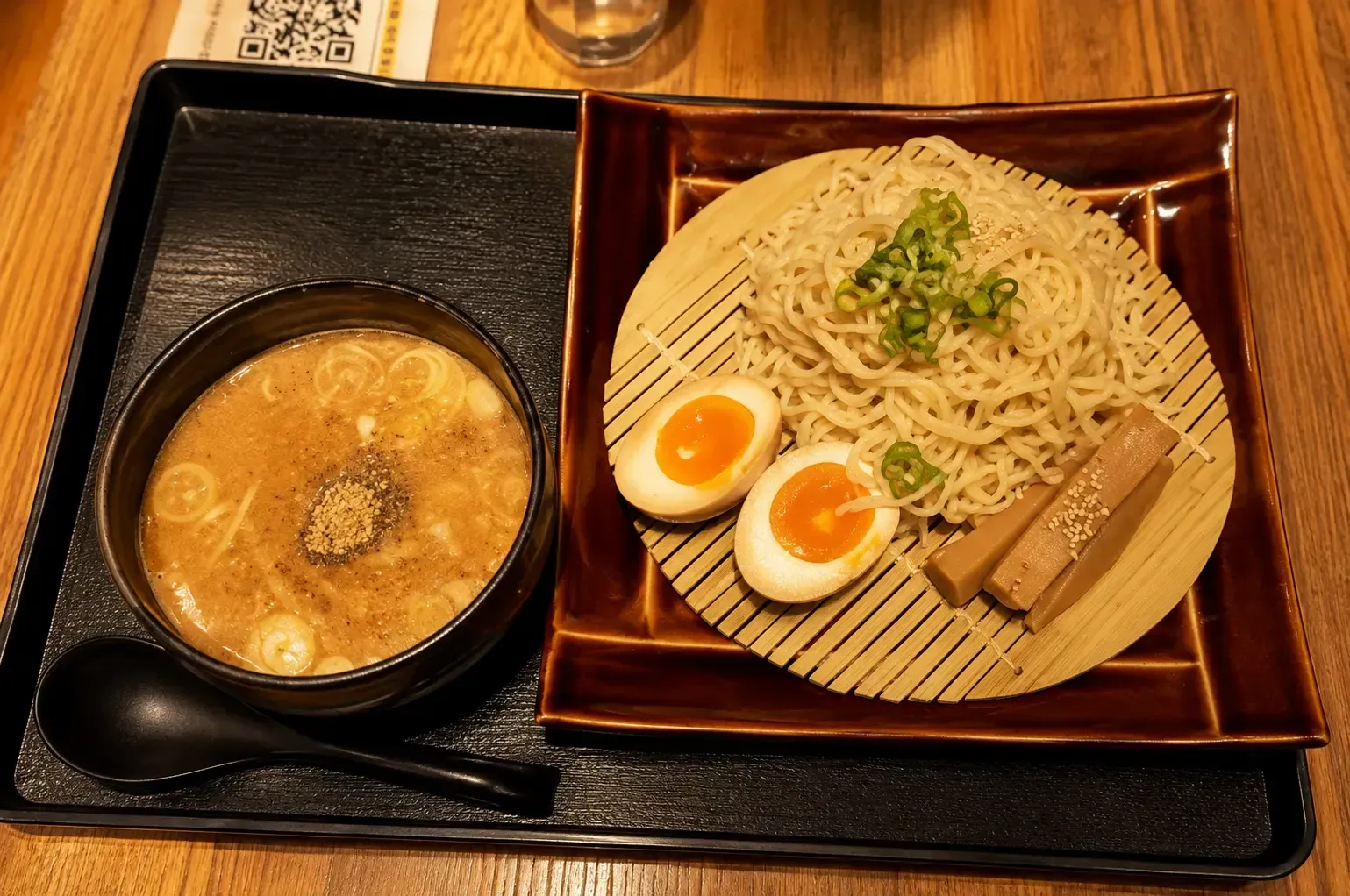
For tsukemen enthusiasts, the exclusive kombu-infused tsukemen available only at the Paragon outlet was a highlight. The noodles were steeped in a special kelp infusion, giving them a fresh brininess that paired beautifully with the velvety dipping sauce made from kombu and bonito broth. The rich dried sardine tsukemen, another favorite, boasted a broth simmered for hours with bonito and dried sardines, delivering a robust and satisfying flavor profile.
Sanpoutei Ramen’s attention to detail extends beyond the bowls. The inclusion of onigiri as a side option offers a traditional Japanese touch, perfect for those wanting a bit more to round out their meal.
Finding a Seat and Enjoying the Signature Shoyu Broth Ramen
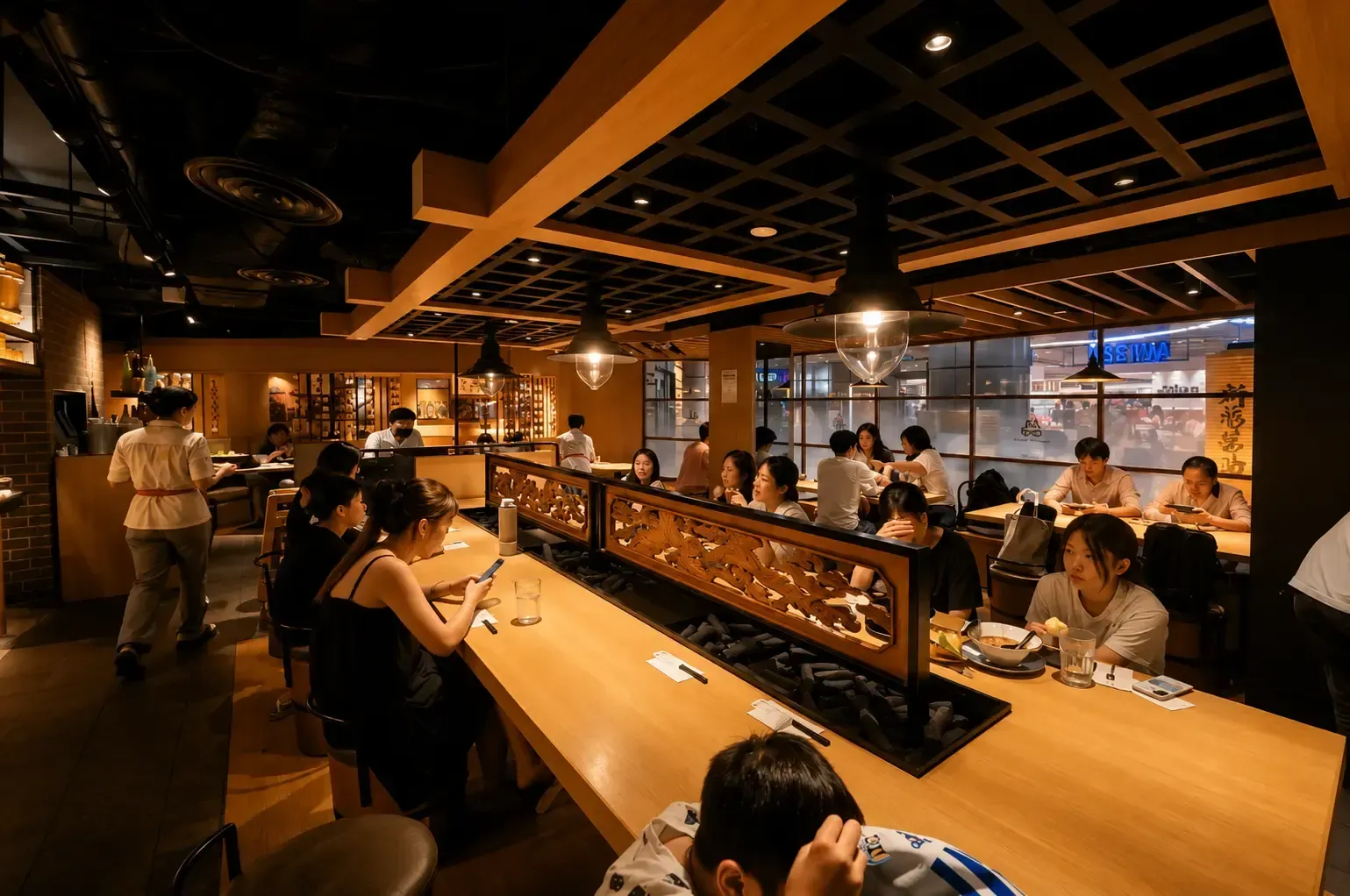
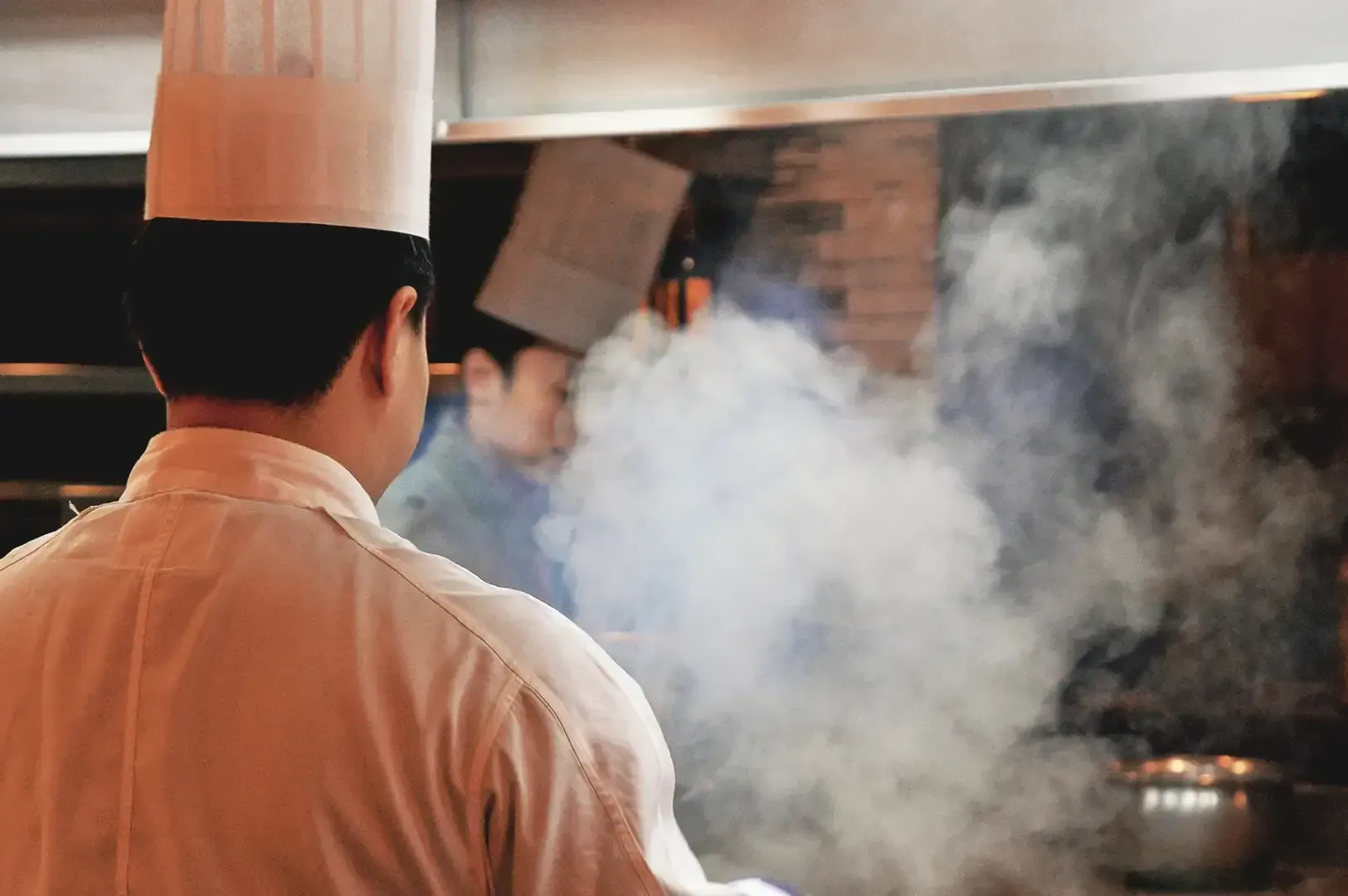
I took a counter seat, the kind facing the kitchen where you can watch the steam rise and the noodles go in. If you're eating alone, that's the perch I'd point you toward.
The service was quiet and unhurried. A staff member set down water, handed me the menu, and left me to think. No hovering, no recital of specials.
The air-conditioning ran cold. Colder than I expected, honestly, and I found myself grateful for the damp jacket I'd almost hung up. There's a strange comfort in that, cold air waiting for a hot bowl.
Why Niigata Style Shoyu Ramen Matters in Singapore's Ramen Scene
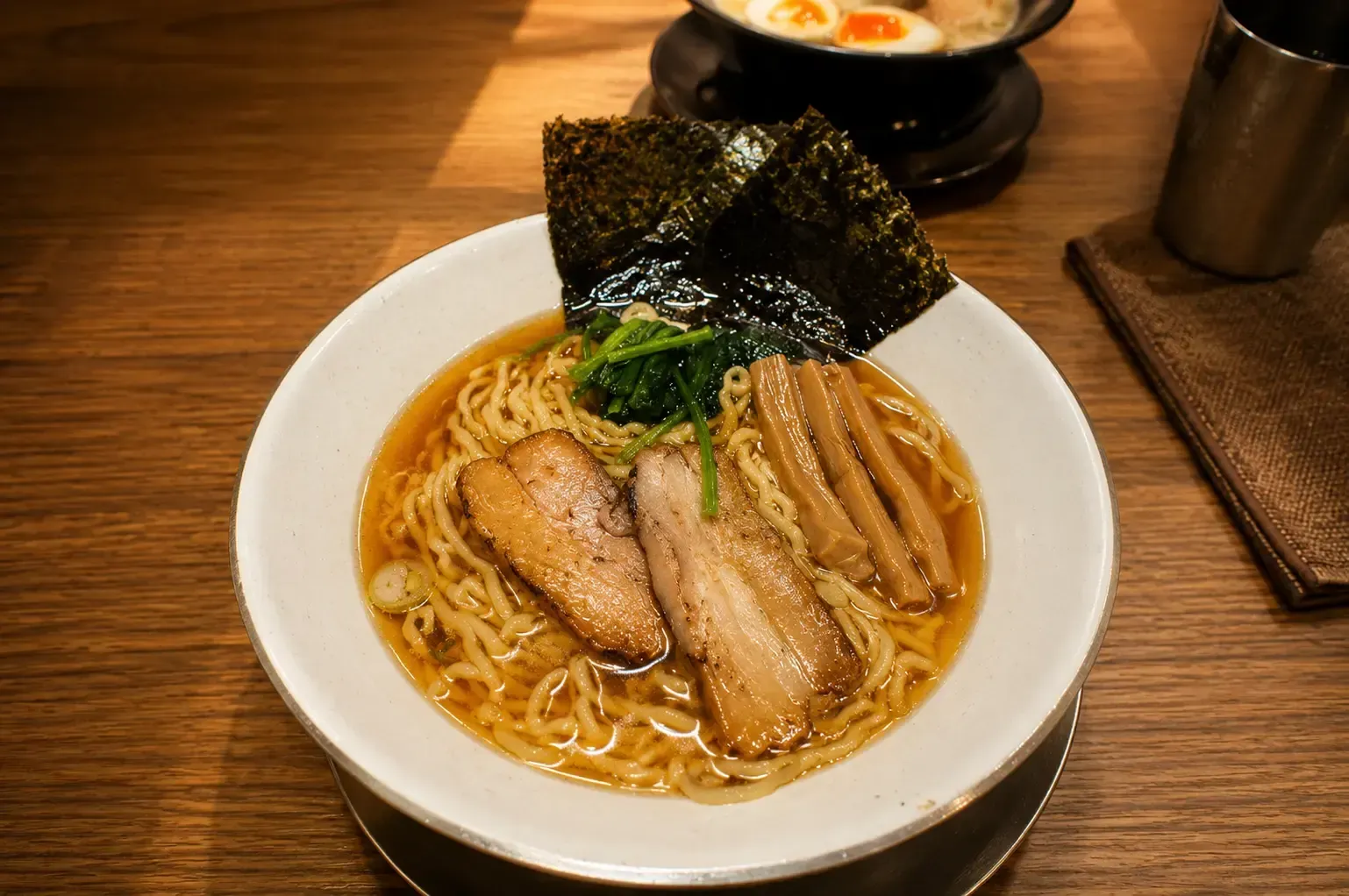
Most ramen you'll meet around town leans Hakata rich or Sapporo bold. Sanpoutei ramen comes from Niigata, Japan, a region that treats shoyu ramen with real reverence.
Niigata shoyu ramen tends toward a clear, soy-forward shoyu broth. Less about heaviness, more about depth and restraint. It's the difference between a shout and a sentence said carefully.
I'll admit I ordered it half out of duty. I wanted to see if the region's reputation held. It did, and then some.
Reviews from patrons often highlight the broth's clean, crisp flavor and the tender chashu that melts in the mouth. Many are glad to find a ramen that balances traditional Japanese flavors with a modern touch, appreciating the careful layering of umami without overwhelming saltiness.
One reviewer noted, "Sanpoutei's shoyu ramen is a revelation, each sip of the broth is like a well-crafted story, subtle yet deeply satisfying." Another shared, "The noodles have the perfect spring and chew, pairing beautifully with the broth. It’s a bowl I’m glad to come back to again and again."
These reviews underscore the restaurant's commitment to quality and tradition, making Sanpoutei ramen a standout in Singapore's competitive ramen scene.
The Niigata Shoyu Ramen Bowl That Set Me Straight
I ordered the Niigata Shoyu Ramen from the menu, the one the shop is known for.
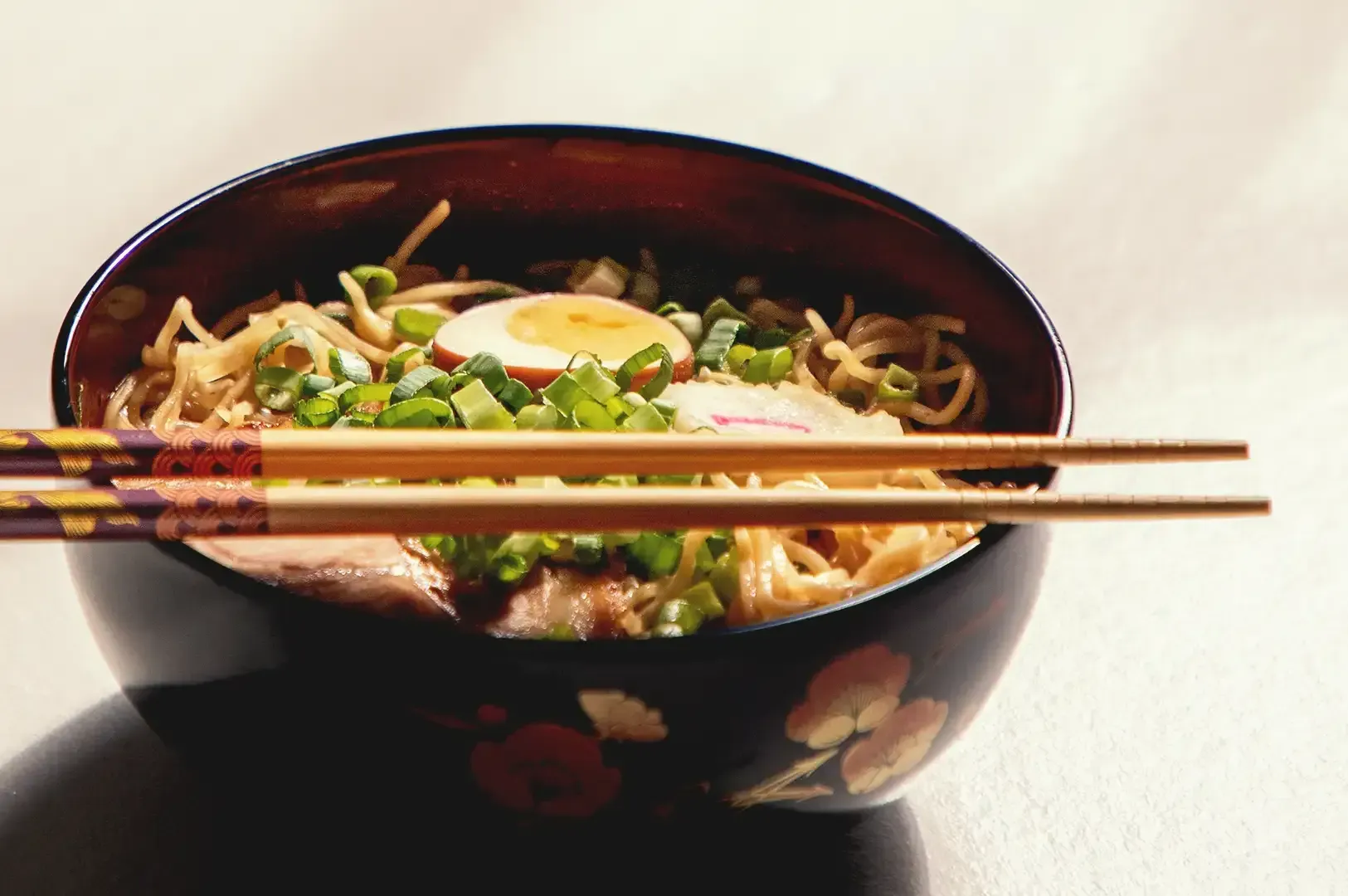
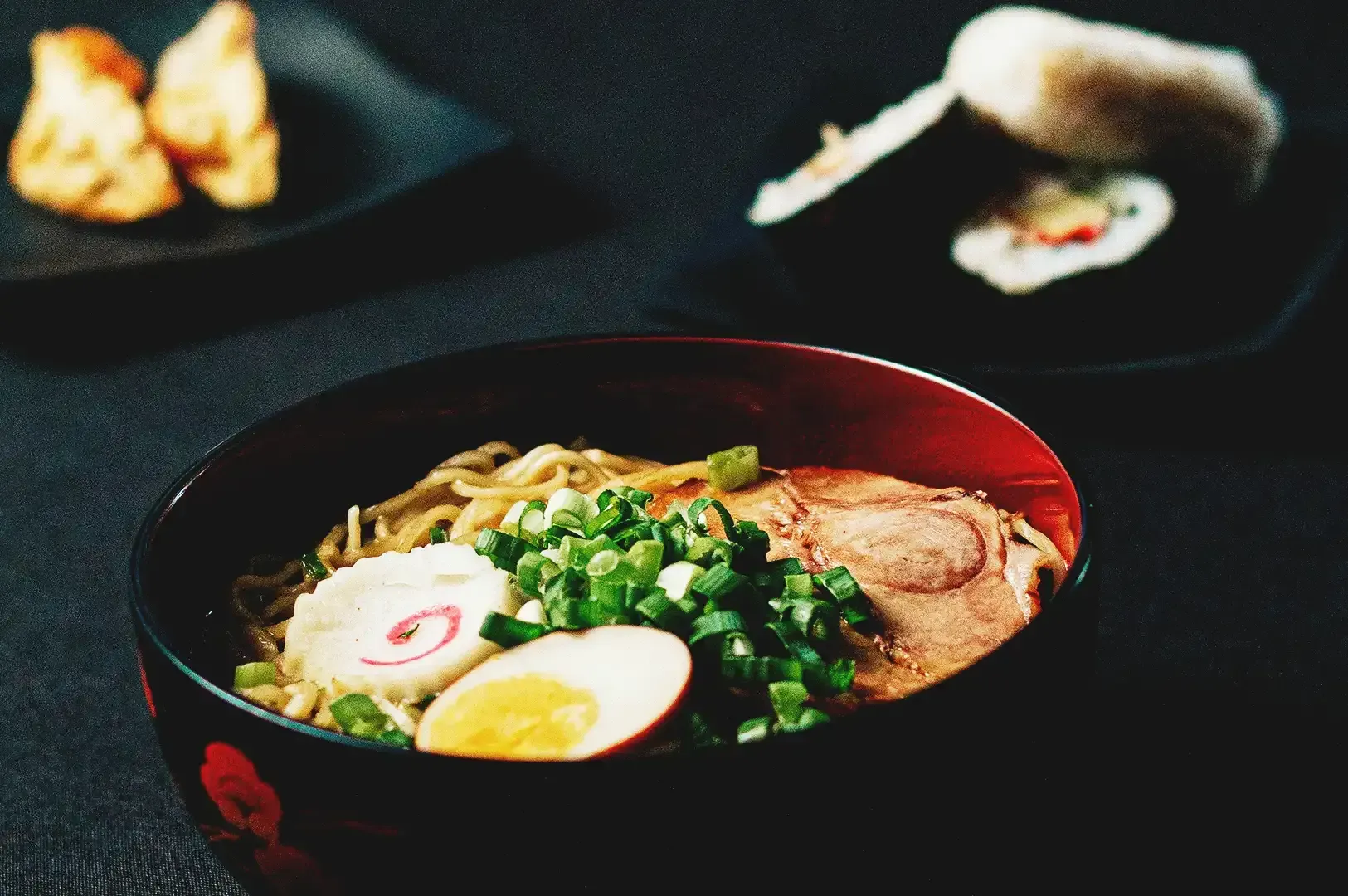
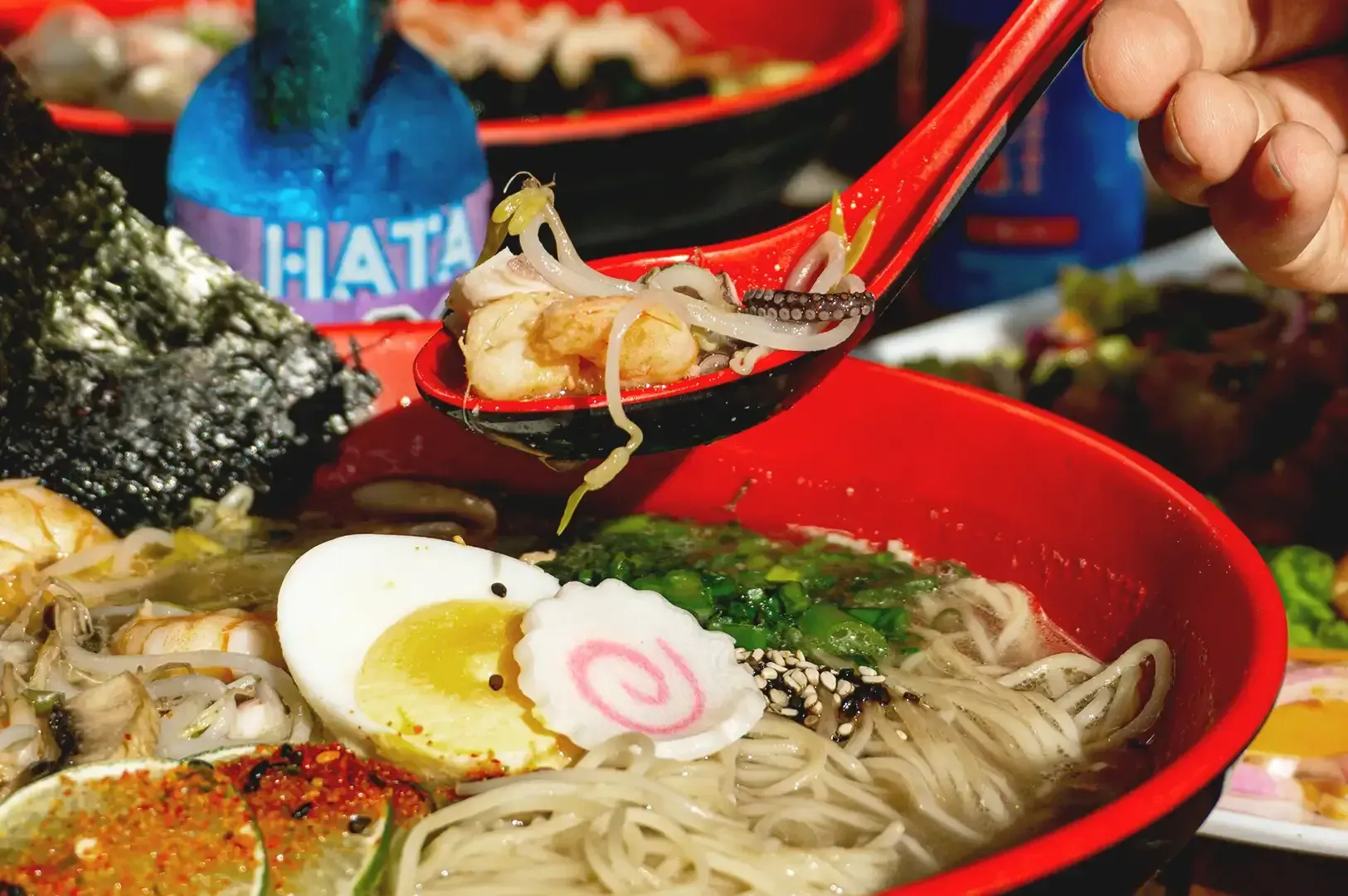
It arrived steaming, the broth a clear amber with a thin sheen of oil catching the counter light. A neat coil of thick, springy noodles with a firm texture, a few slices of tender pork belly chashu, scallions scattered without fuss, a sheet of nori leaning against the rim.
I sat with it a second before touching anything. Some bowls ask you to slow down, and this was one of them.
The First Sip of Shoyu Broth: A Delicate Balance of Flavour and Sweetness
The first sip of the shoyu broth did something I hadn't felt from shoyu ramen in a while.
It was clean, but not thin. The soy gave it a savoury backbone, and underneath ran a gentle sweetness that opened up the longer I drank. The broth featured a hint of rishiri kelp from Hokkaido and a subtle umami from dried sardines, creating a rich but balanced flavour.
Nothing overpowered anything else. It just held together, balanced and quiet and sure of itself.
I felt my shoulders drop. That's the mark of a broth that knows what it's doing. It settles you before you've reached the halfway point.
The Noodles: Thick, Chewy, and Springy
The noodles were thick and slightly flat, with a firm, confident chew that held up well against the shoyu broth's intense flavours. Niigata style ramen often runs this way, and these noodles had a satisfying texture that let them carry the broth without going soft too soon.
That texture matters more than people give it credit for. It lets the noodle carry the broth without going soft too soon, so the last mouthful feels nearly as good as the first.
Reviewers frequently praise the noodles for their perfect balance of firmness and springiness, noting how they complement the broth without overpowering it. One diner described the noodles as "the ideal partner to the rich yet restrained shoyu broth, providing a satisfying bite every time."
Another highlighted the texture, saying it "remains delightfully chewy throughout the meal, making each slurp a pleasure." These consistent accolades underscore the care Sanpoutei puts into crafting its noodles to elevate the overall ramen experience.
The Small Things That Make This Dish Special: Chashu, Soft Boiled Egg, and More
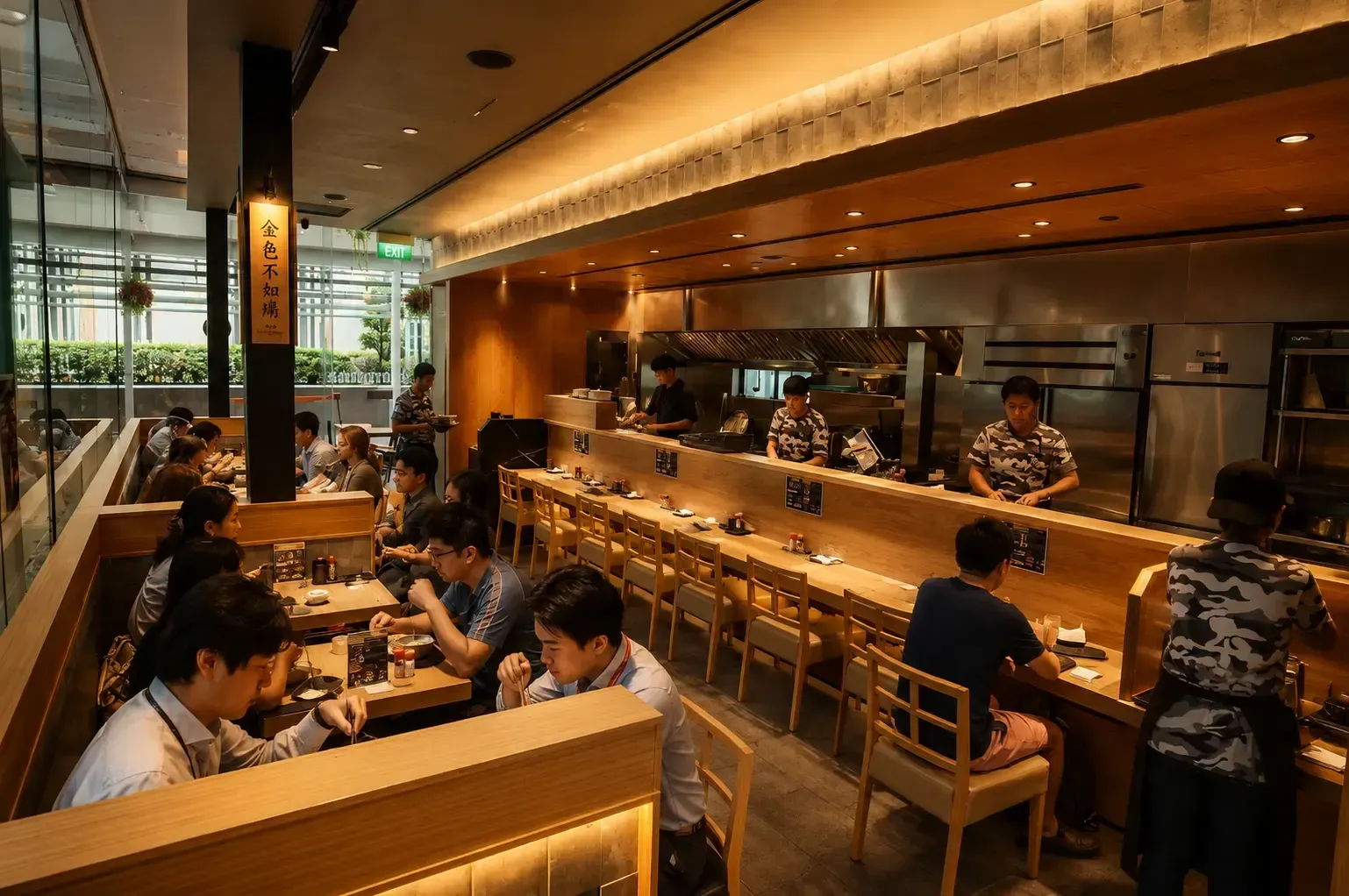
The pork belly chashu was tender, sliced medium-thick, with just enough fats to loosen in the heat and melt in the mouth. It didn't try to dominate. It let the broth stay the centre of things.
I added a flavoured soft boiled egg, a signature topping that elevated the dish. The yolk sat just shy of jammy, stained amber from its marinade, spilling slowly into the soup when I cut it open.
A small pleasure. The kind that tells you the kitchen pays attention when nobody's watching.
Exploring More from Sanpoutei Ramen: Maze Soba Aburi Chashu and Tsukemen Varieties
Besides the shoyu ramen, Sanpoutei's menu includes the maze soba aburi chashu, a brothless dish featuring chewy noodles mixed with a sweet-savory sauce and topped with flame-seared chashu cubes. The aburi chashu offers a smoky punch but can be a bit dry, requiring more effort to enjoy fully.
For fans of tsukemen, Sanpoutei offers both the rich dried sardine tsukemen and the exclusive kombu infused tsukemen available only at the Paragon outlet.
The rich dried sardine tsukemen boasts a broth made with bonito broth and dried sardines, delivering intense flavours and a satisfying gelatinous mouthfeel thanks to pork fats and slow-simmered ingredients.
The kombu infused tsukemen features noodles steeped in a special kelp infusion, lending a delicate brine and a velvety texture to the dipping sauce. The broth combines bonito and kombu for a complex, salty, and umami-rich experience that clings beautifully to the springy noodles.
Honest Reflections: Broth, Service, and Atmosphere
No meal is flawless, and I'd rather tell you the truth than sell you a bowl.
By the last third, the shoyu broth had crept a touch salty for me. The soy that gives Niigata shoyu ramen its character is also its risk, and the final spoonfuls had me reaching for water more than the first ones did.
The seating, too, is tight. If you're planning a long, unhurried catch-up with a group, this isn't quite the room for it. The energy leans toward eat, slurp, make space for the next person.
Neither of these stopped me from finishing. They're just the things I'd want a friend to know before going.
Practical Tips for Visiting Sanpoutei Ramen at Shaw House or Paragon
If you're thinking of going, here are the small things I'd pass along.
- Come a little before 7pm or after 8:30pm if you'd rather skip the busier stretch at the popular Shaw House outlet or the third outlet at Paragon.
- Take a counter seat if you're alone. It's the calmer spot, and you get to watch the kitchen work.
- Order the Niigata shoyu ramen first if it's your debut. It's the clearest window into what this kitchen does well.
- Bring a light layer. The AC runs cold, and the broth cools faster under a vent than you'd like.
Nothing complicated. Just a little timing.
Who This Bowl and Dish Are For: Fans of Best Ramen with Balanced Flavour
If you've spent years chasing the thick, milky tonkotsu style, this shoyu ramen offers a different kind of satisfaction. Quieter. More considered.
It suits a solo diner on a slow evening. It suits two people who want to eat well without ceremony. It's the sort of shoyu broth ramen Singapore doesn't shout about enough, made by people who seem to mean it.
If you like your broth to reveal itself gradually rather than all at once, this is your bowl.
What Stayed With Me: A Satisfying Mix of Flavours, Texture, and Atmosphere
I came in damp, a little tired, not really hungry. I left full, and not only in the stomach.
Some of it was the broth. Some of it was the rain easing off outside. And some of it was just the feeling of a bowl made with care, in a room that didn't try too hard to impress me.
I'd been quietly unfair to shoyu ramen for years. This bowl set the record straight.
Final Thoughts on Sanpoutei Ramen: A Niigata Style Ramen Worth Seeking Out in Singapore
Ramen in this city isn't short on options. There are louder places, flashier ones, longer queues and bigger names.
What Sanpoutei offers is steadier. A bowl that tastes like it comes from somewhere, that reminds you subtlety can be its own kind of generosity.
So if you find yourself near Orchard Road, Shaw House, or the Paragon outlet, go find a seat. Order the Niigata shoyu ramen, add the flavoured soft boiled egg, and take your time with it.
To explore more Ramen in Japan, we have currated list for you to discover, click and read our article on Japanese Izakaya Singapore
Then tell me if it stays with you the way it stayed with me. I have a feeling it might.
Recent Posts