Beyond Meat: How Vegetarian Ramen Singapore Is Redefining Plant-Based Noodle Culture
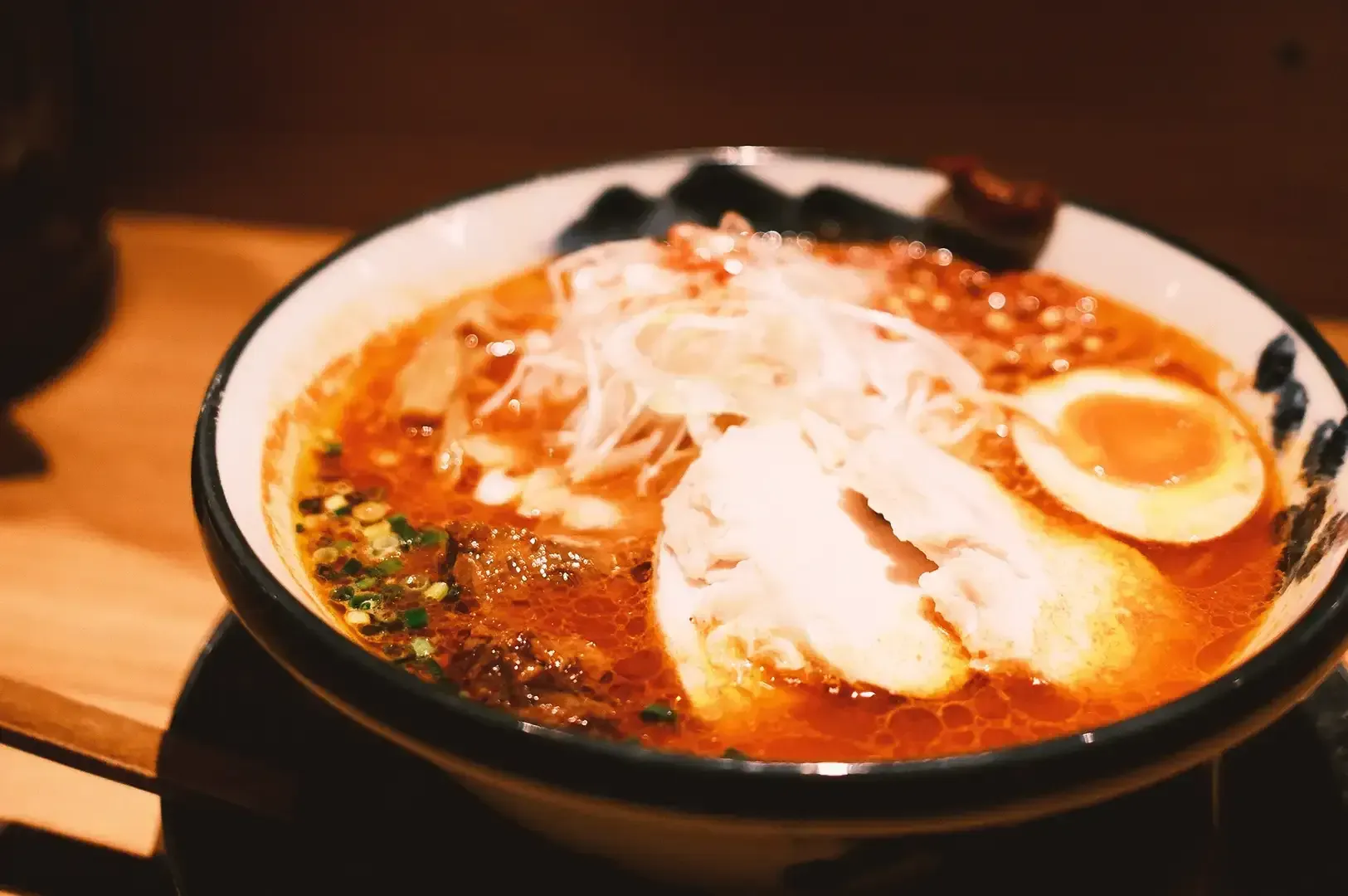
There was a time, not long ago, when ordering vegetarian ramen in Singapore felt like asking for a compromise. When I thought of ramen, I often received a bowl of noodles floating in a thin, apologetic vegetable soup, a pale imitation of the rich, soul-soothing broths its pork-based cousins were famous for. It was a dish that answered a dietary need but rarely sparked joy. But a quiet revolution has been simmering, and today, the landscape for vegetarian ramen Singapore is unrecognizably vibrant and complex.
A new generation of chefs and restaurateurs is tackling the challenge head-on, not by simply removing meat, but by building flavor from the ground up using innovative plant-based techniques. Since ramen has its roots in Japan, where authenticity and tradition shape every bowl, I find it fascinating how these influences are now being reimagined in Singapore's vegetarian ramen scene.
To truly appreciate the innovation happening here, I believe it’s essential to understand the regional diversity and origins of ramen styles, from Sapporo miso ramen to other Japanese classics, as these traditions inform the new vegetarian creations.
Introduction to Plant-Based Noodle Culture
Singapore's plant-based noodle scene has really hit its stride, and I can confidently say that vegetarian ramen isn’t playing second fiddle anymore. I remember those days when "vegetarian" meant sad, watery broth and limp noodles. But now, the bowls turning up across this city are bold, inventive, and downright addictive. From slick CBD spots to those tucked-away gems in Tanjong Pagar, every neighborhood is serving up meat-free ramen that makes me question why I ever needed pork in the first place.
Take Herbivore at Fortune Centre, for example. They’re not messing around. Their classic miso hits different, earthy, complex, with that perfect noodle bite that keeps me coming back for more. But then I try their soy milk-based broths, and suddenly I’m in completely new territory.
I love the way they layer mushrooms against kelp, how the tofu actually adds substance instead of just floating there. It feels like watching a chef rewrite the rules in real time. Marina Bay Sands and Mandarin Gallery are throwing their own curveballs too, each bowl offering something that surprises me, something that sticks with me long after I’ve drained the last drop.
The Challenge of the Plant-Based Broth in Vegetarian Ramen Singapore
Creating an authentic ramen experience without meat is a profound technical challenge. Traditional ramen broth is a masterclass in extraction, drawing out collagen, fat, and umami from pork bones, chicken carcasses, and dried fish over hours of slow simmering. Replicating this depth using only plant-based ingredients requires a complete shift in thinking. The goal is not imitation but innovation.
I’ve seen chefs turn to a powerful arsenal of natural, plant-derived ingredients to build layers of flavor.
- The Umami Foundation: Kombu (dried kelp) and dried shiitake mushrooms are the undisputed champions here. When steeped, they release glutamic acid, the very compound responsible for the savory “fifth taste” we call umami. This creates a foundational dashi that is deeply savory and oceanic without any fish.
- The Creamy Component: To achieve the milky, luscious texture reminiscent of a Kyushu tonkotsu broth, many establishments have embraced soy milk. When boiled down with other aromatics, it emulsifies and creates a surprisingly rich, creamy soup that coats the noodles beautifully.
- Aromatic Depth: Roasting vegetables like onions, carrots, and garlic before adding them to the stockpot caramelizes their natural sugars, adding a layer of sweetness and a roasty complexity that mimics the depth of a long-simmered meat broth. To further enhance the flavor, a dash of seasoning or oil is often added at the end, boosting the broth’s aroma and taste without overpowering the main ingredients.
- Miso’s Mighty Power: Fermented soybean paste, or
miso, is a natural powerhouse of flavor. It provides saltiness, nuttiness, and a huge wave of umami, making it a perfect base for a robust and satisfying bowl of
miso ramen that is both vegetarian and vegan-friendly.
Balancing Tradition with Plant-Based Innovation in Vegetarian Ramen

The best vegetarian ramen spots in Singapore aren’t just making food for vegans; they’re making incredible ramen that happens to be plant-based. They respect the traditions of the craft while fearlessly embracing new ingredients. This philosophy attracts not only dedicated vegetarians but also curious flexitarians and ramen lovers seeking a lighter, yet equally satisfying, option. Many restaurants now offer their own original takes on vegetarian ramen, blending authentic Japanese techniques with innovative plant-based recipes.
Take Menbaka Fire Ramen at Cineleisure Orchard, near the heart of the CBD, for example. While famous for its theatrical blaze, where flaming negi (scallion) oil is poured over the bowl, the restaurant also applies its signature technique to a fantastic vegetarian option. Menbaka Fire Ramen is famous for its theatrical fire-blasted ramen with a rich vegetarian soy-based broth.
A different, more subtle approach can be found at Ippudo, with outlets at prominent locations like Mandarin Gallery, Marina Bay Sands, and Tanjong Pagar. A global giant known for its Hakata-style tonkotsu, Ippudo has invested serious culinary research into its plant-based offerings. The original plant-based ramen served at all Ippudo Singapore outlets is the Akamaru 1.0, featuring a creamy and milky-white broth made from mushroom broth and soy milk.
Creative Toppings: The Final Flourish in Vegetarian Ramen Singapore
A great bowl of ramen is about more than just broth and noodles; the toppings add crucial layers of texture and flavor. In the realm of vegetarian ramen, chefs are getting incredibly creative. Gone are the days of a few sad pieces of boiled broccoli.
Today, I find toppings like:
- Marinated King Oyster Mushrooms: When braised and sliced, these mushrooms have a surprisingly meaty texture and absorb flavor beautifully.
- Seasoned Tofu: From crispy agedashi tofu to sweet, simmered inari pouches, tofu provides a fantastic protein-packed addition.
- Plant-Based “Chashu”: Some restaurants craft their own mock chashu from seitan or soy protein, braised in a savory-sweet marinade to mimic the classic pork belly topping.
- Innovative Vegetable Preparations: Think finely shredded black fungus for crunch, lotus root for a starchy bite, and sweet corn for a pop of sweetness that complements a miso-based broth.
A couple of restaurants in Singapore offer unique or rare vegetarian ramen styles, with creative toppings and broths that set them apart from the usual offerings.
These thoughtful additions ensure that every spoonful is interesting and that the final bowl is a complete, satisfying meal. This evolution from simple meat removal to dedicated culinary creation is not just a trend; it reflects a deeper cultural shift. For a closer look at the philosophy behind this movement, “Plant-Based Bowls, Real Ramen Soul: How Vegan Ramen Is Redefining Singapore’s Noodle Culture”offers a recently updated post that provides valuable connection to the broader vegan ethos shaping this culinary art form.
Saute-san is another standout, known for a wide variety of plant-based ramen, including both soup and dry options.
Flavours by Saute also offers creative ramen dishes, making 'saute' a go-to name for vegetarian ramen lovers.
Exploring the Plant-Based Landscape and Vegetarian Ramen at Raffles City
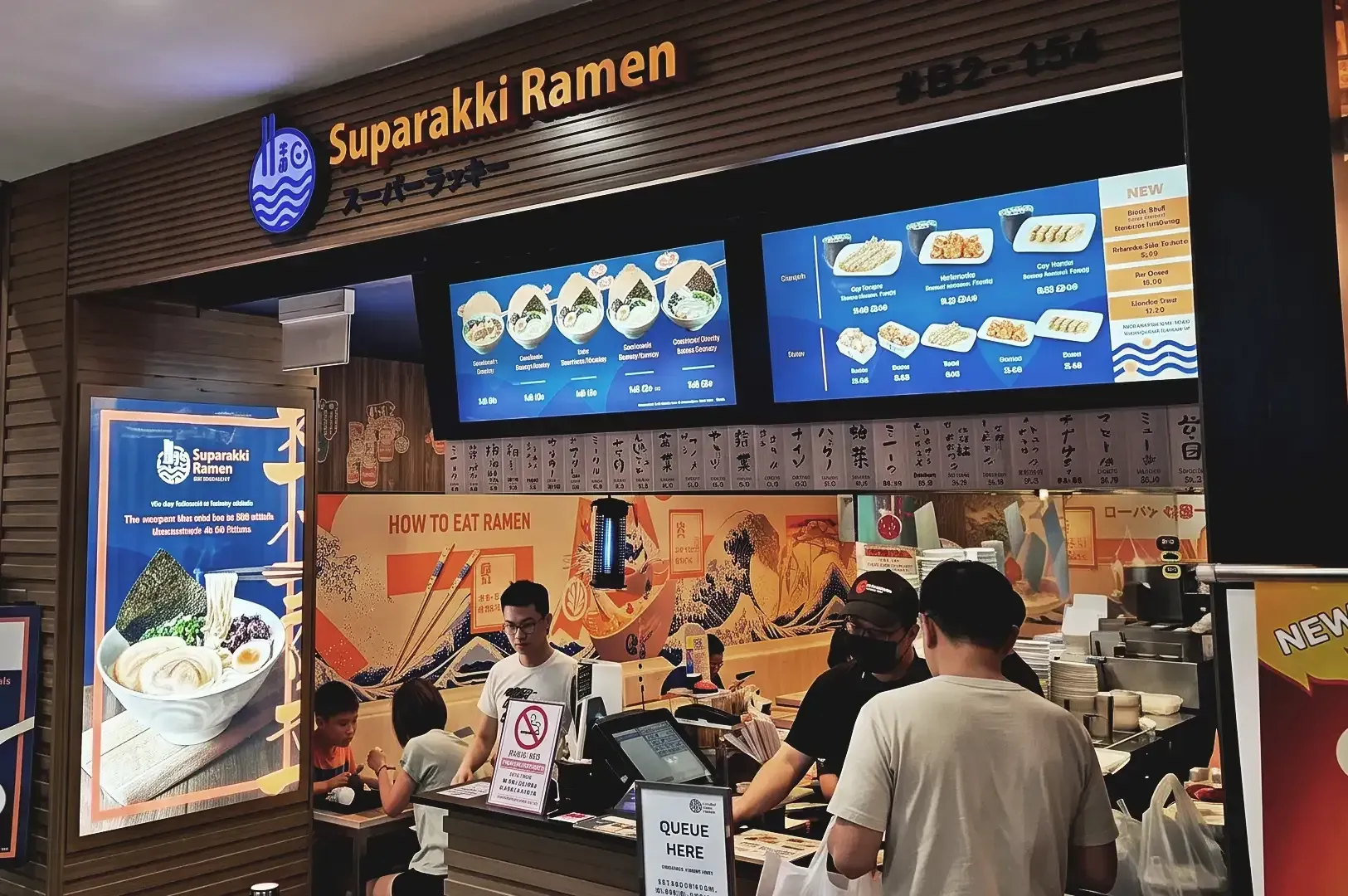
Today, I can find a place serving vegetarian ramen in almost every major district, making it easier than ever for ramen lovers to enjoy meat-free options. Several restaurants in Singapore have expanded their menus to include vegetarian ramen options, catering to the growing demand for plant-based dining.
Restaurants offering top-tier
vegetarian ramen in Singapore are now found across the island, including popular spots at
Raffles City, Marina Bay Sands, and CBD areas such as Tanjong Pagar and the surrounding districts. Prices generally range from $15 to $25, on par with their meat-based counterparts. This pricing parity is significant; it signals that these dishes are not considered lesser options but are valued for the skill and quality ingredients that go into them.
Conclusion: A New Golden Age for Vegetarian Ramen Singapore

Whether I’m a committed vegan, a curious foodie, or just someone craving a comforting bowl of noodles, the options have never been more exciting. So, I invite you to step beyond the familiar and explore the new world of plant-based ramen. You’ll discover a culture of flavor, craft, and innovation that is redefining what a bowl of ramen can be. Your next great noodle adventure awaits. Read more reviews and visit these restaurants to enjoy the perfect combination of thick noodles, tasty broth, and creative sides that make vegetarian ramen in Singapore truly special.
Recent Posts