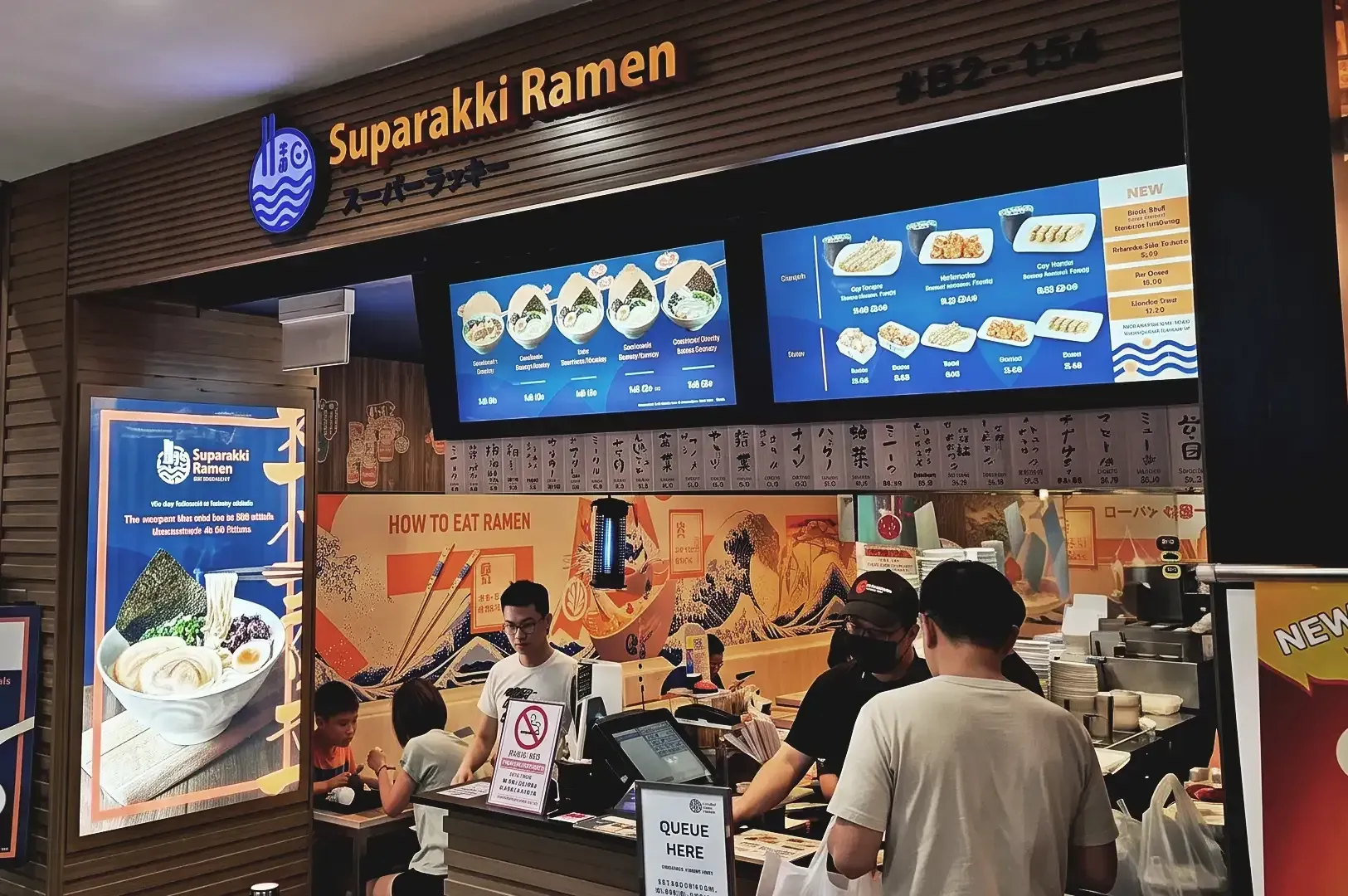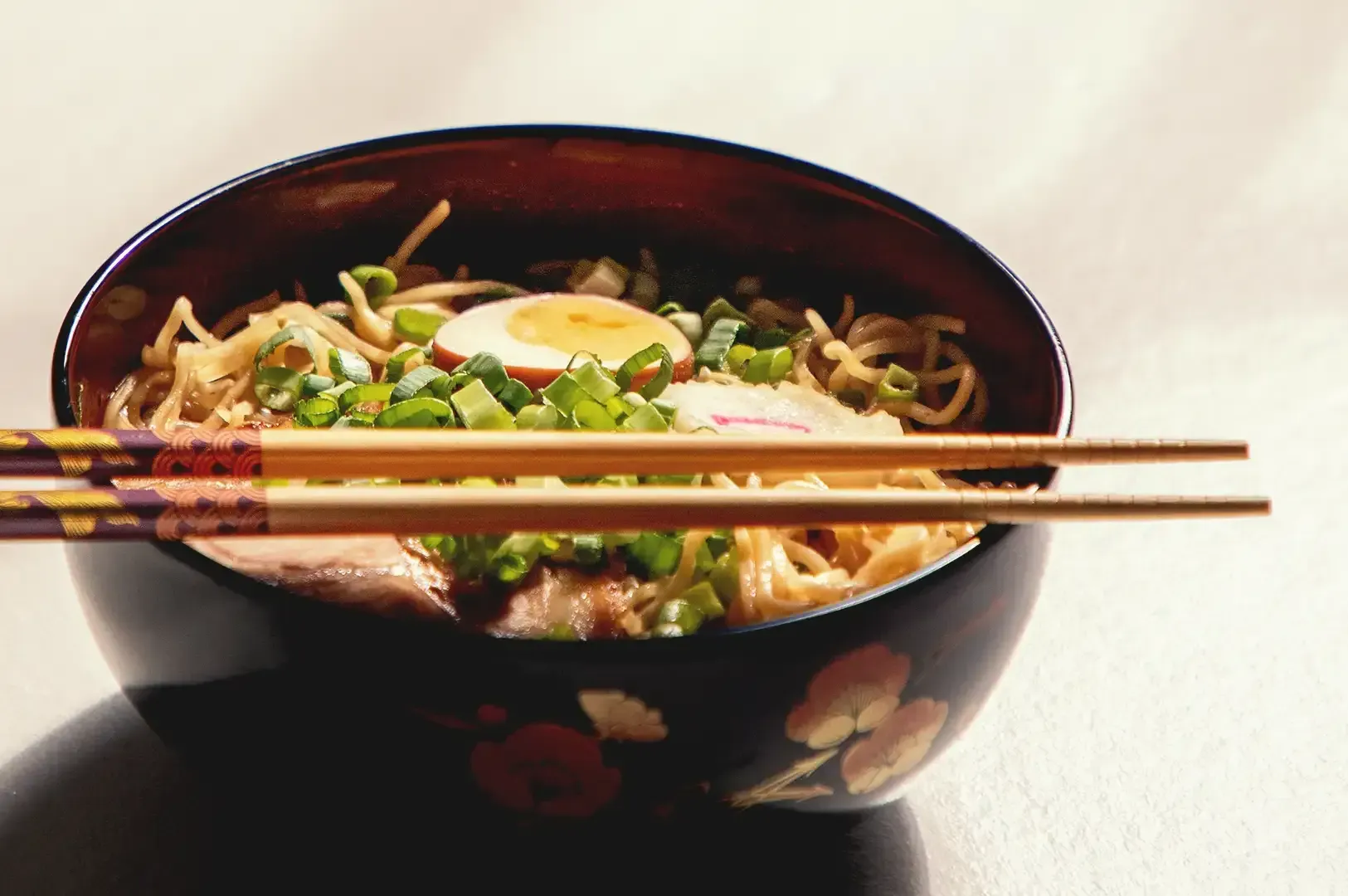
Japanese Ramen: The Ramen Ya Culture, Counter Seating and Solo Dining
The very design of many ramen shops, or
ramen ya, with their long counters, invites this personal journey. This article is an exploration of that journey—a look into the culture of counter seating, the meditative nature of a steaming bowl, and the profound joy of finding solitude in one of our most beloved comfort foods.
Ramen stands as a quintessential Japanese food and is recognized as one of the most popular dishes both in Japan and around the world.
The Culture of Counter Seating in Ramen Restaurants
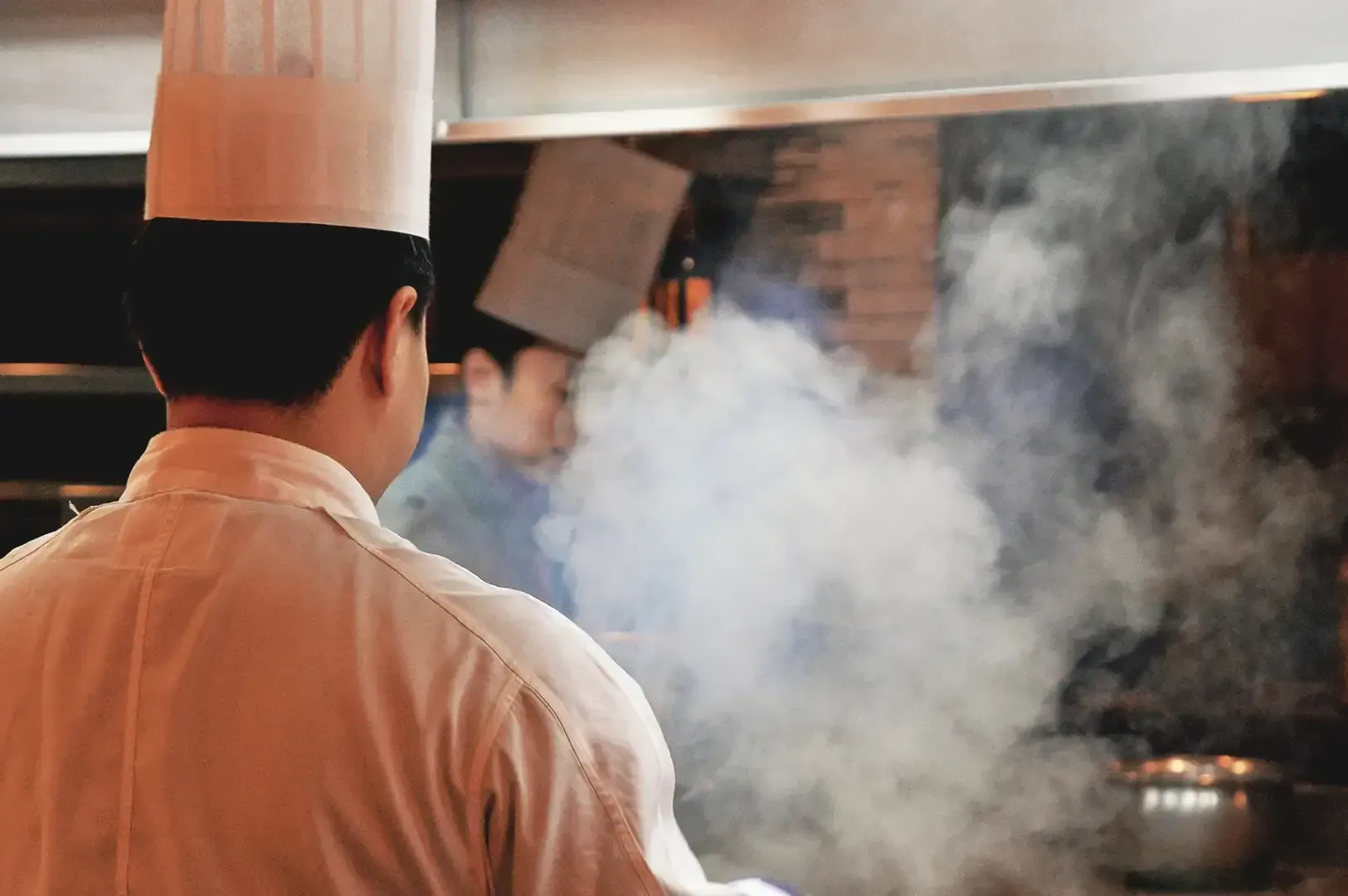
Sitting at a ramen counter seating arrangement creates a sense of focus. Your world is narrowed to the bowl of ramen noodles in front of you and the ballet of the kitchen behind the counter. You watch the Japanese chefs with their fluid, practiced movements—draining noodles, pouring broth, arranging various toppings like bamboo shoots and ajitsuke tamago with precision. This direct view of the craft fosters a deeper appreciation for the meal. You are not just a customer; you are a quiet observer of a culinary art form.
The Meditative Nature of Eating Ramen: From Tonkotsu Ramen to Shoyu Ramen
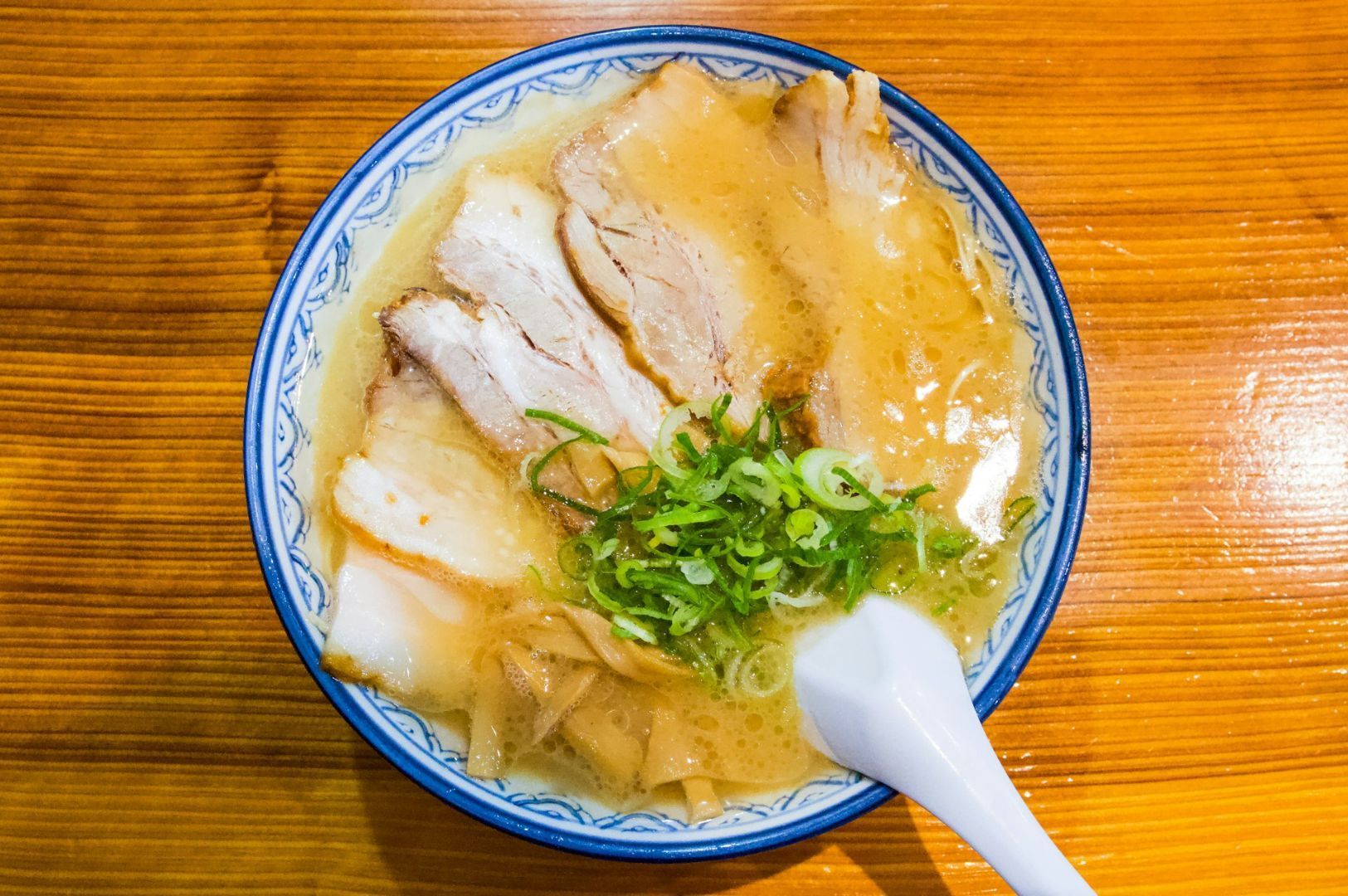
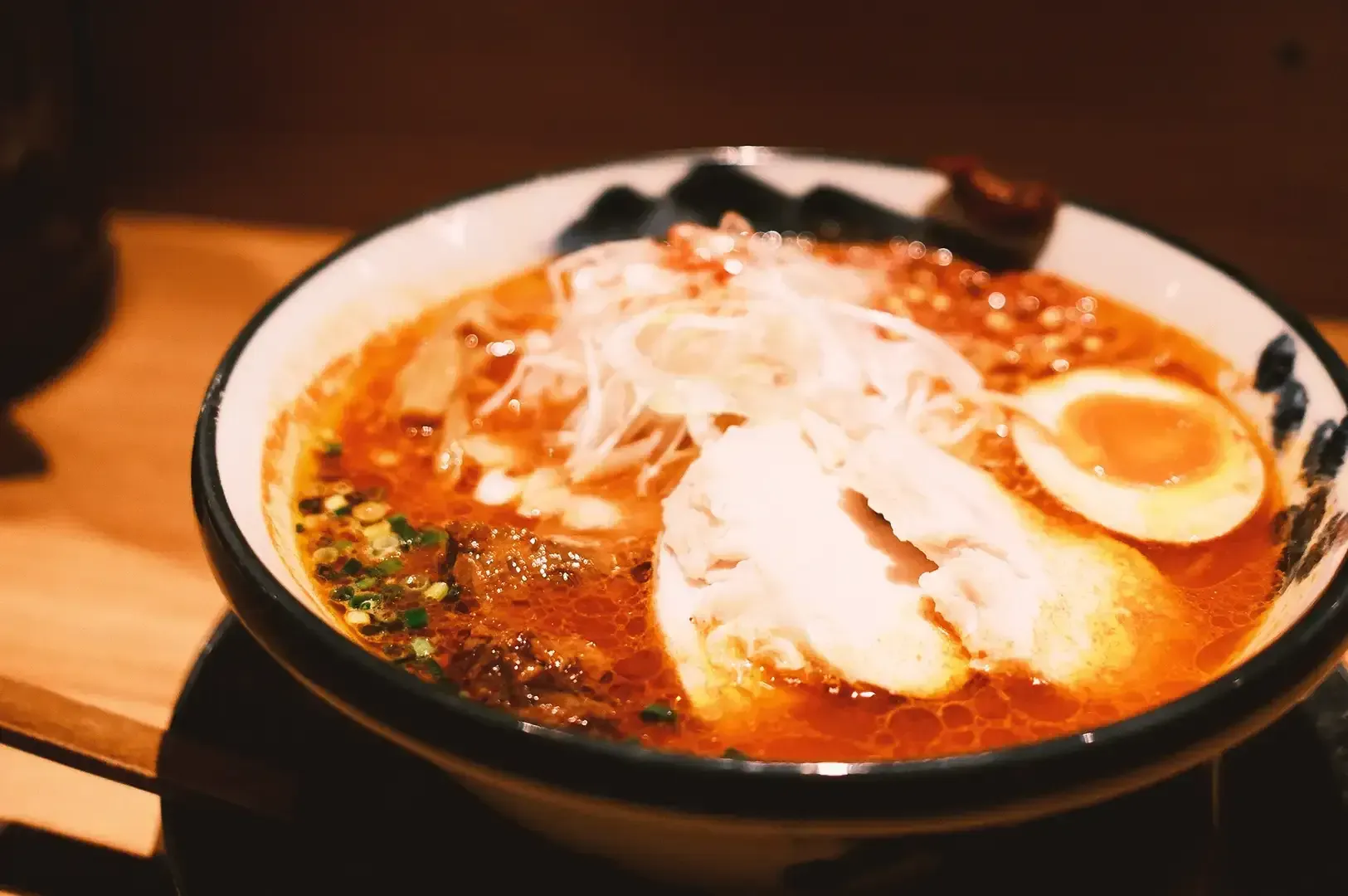
As you lift the spoon for that first sip, you feel the heat radiating from the liquid. The flavor washes over your palate, a complex harmony of soy sauce, miso, chicken broth, pork bone broth, chili oil, and umami that demands your full attention. Ramen is typically composed of five essential components: tare (seasoning), aroma oil, broth, noodles, and toppings. Aromatic oil, such as ma-yu (black garlic oil), adds extra richness and aroma to the broth, and can include rendered chicken or pork fat, sesame oil, or chili oil.
This practice of mindful eating ramen can be a powerful form of self-care, a way to quiet the noise of the outside world and find a moment of peace.
Why Ramen Ya Counters Are Perfect for Solo Dining
Ramen counters are, by design and culture, one of the most ideal settings for a solo diner. Several factors contribute to this perfect synergy.
- Efficiency and Speed: The service at a ramen counter is typically fast and efficient. You can be in and out in under thirty minutes, making it perfect for a quick lunch or a satisfying meal on a busy day.
- No Social Pressure: There is no "table for one" stigma at a ramen counter. In fact, solo diners often get seated faster. You never feel like you are taking up a table that could be used by a larger group.
- Focus on the Food: The entire experience is geared toward appreciating the ramen. From the moment you place your order to the final sip of broth, the food is the star of the show.
The Joy of Steaming Bowls: From Tonkotsu Kazan to Beef Sukiyaki Kazan
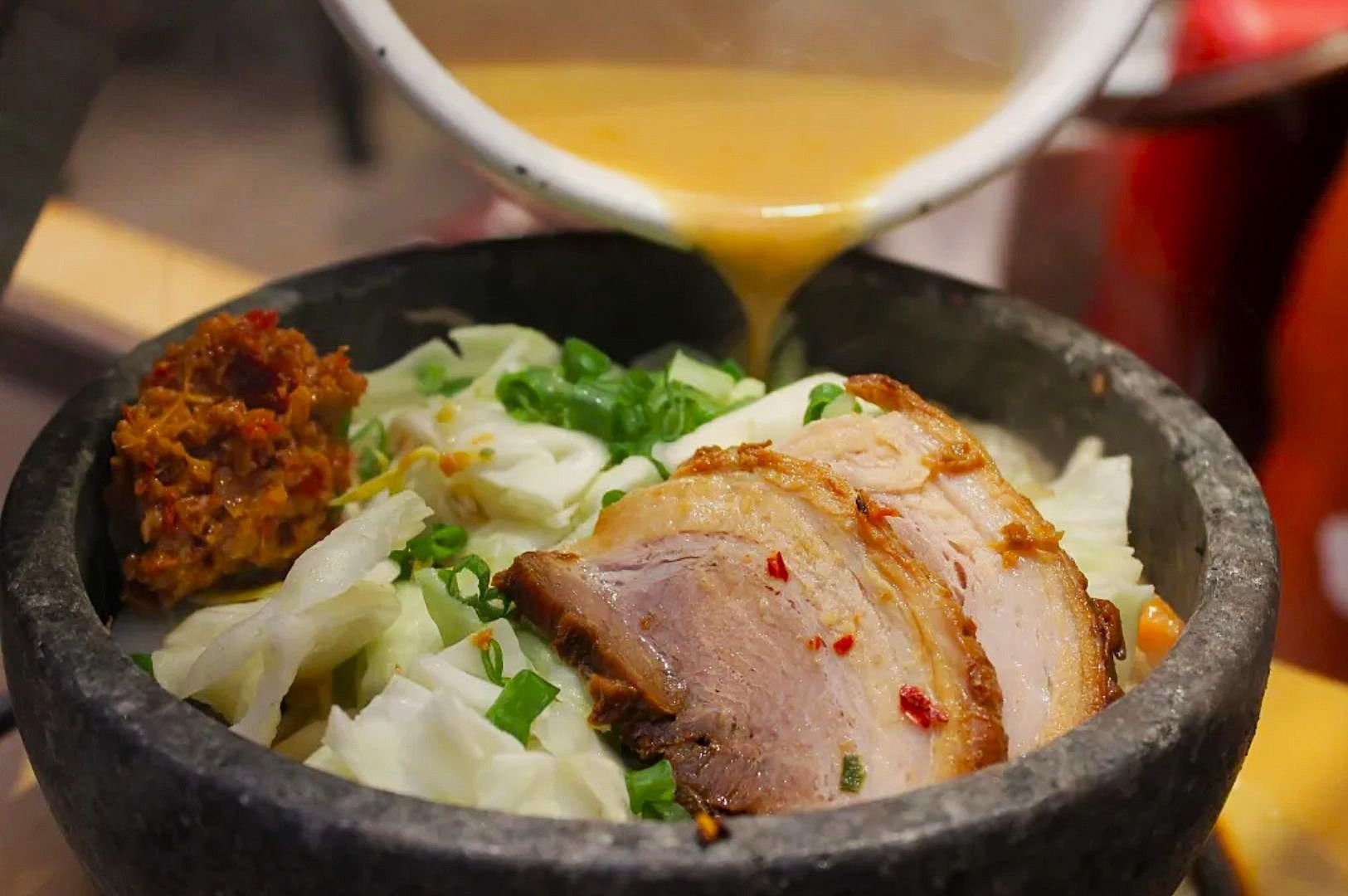
The bowl of ramen itself is a central character in this story of solitude. There is a deep, almost primal comfort in a steaming bowl of food. It speaks of warmth, nourishment, and care. For the solo diner, this bowl can feel like a companion.
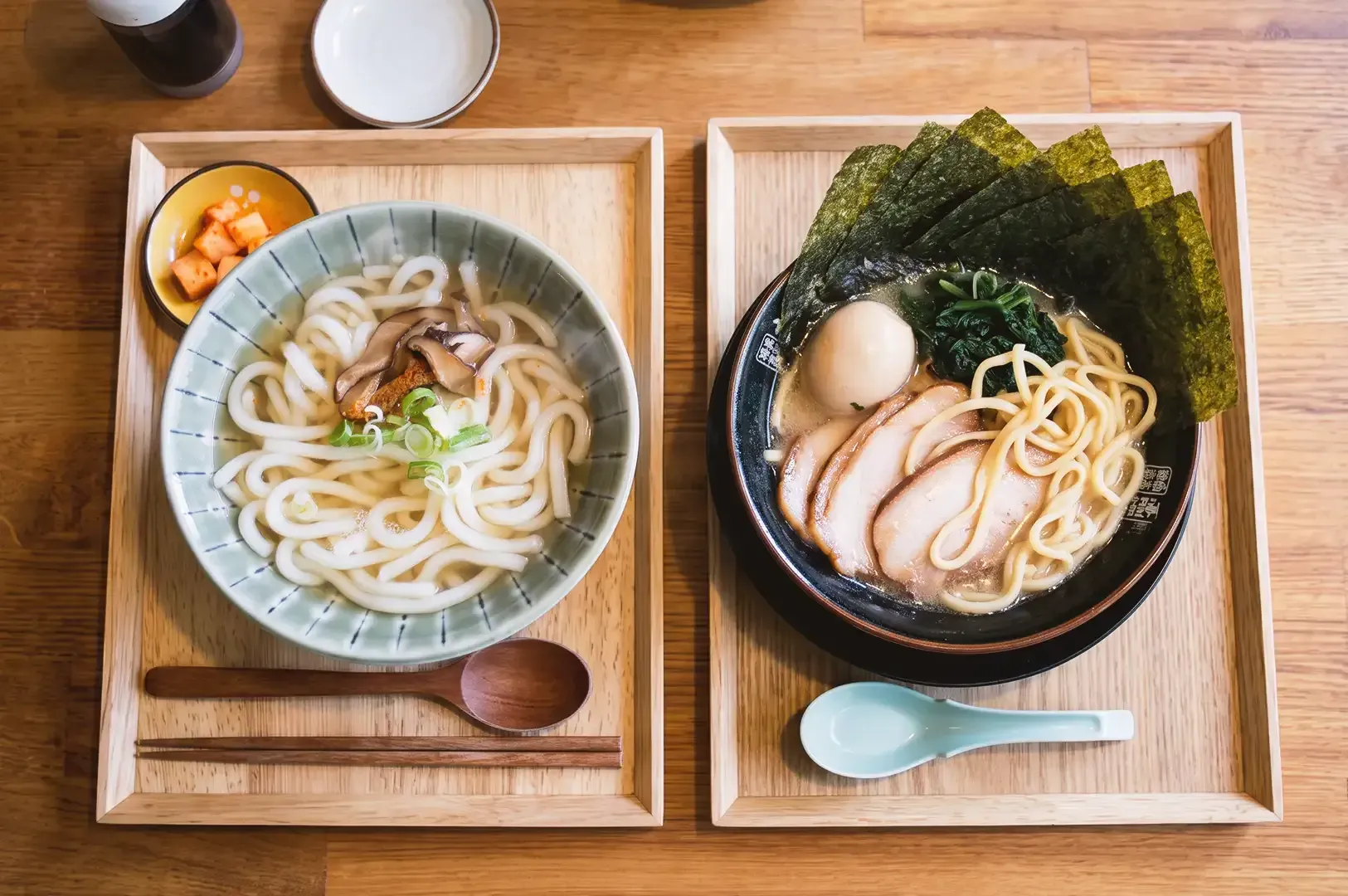
The visual appeal is the first part of the pleasure. A well-prepared bowl of ramen is a work of art. The rich, opaque broth, the perfectly arranged noodles, the vibrant colors of the toppings—it is a feast for the eyes before it ever touches your lips. Ramen broths are often made by simmering chicken bones, pork bones, or even seafood for hours to create a rich, flavorful base. Ramen is one of many noodle dishes in Japanese cuisine, and it can be customized with various toppings, including eggs, vegetables, and meats. Typical toppings for ramen include sliced pork, nori, bamboo shoots, and scallions.
The steam that rises from the bowl is not just water vapor; it is a carrier of aroma, a promise of the deliciousness to come.
Then comes the first sip of broth. It is the moment of truth, the culmination of hours, sometimes days, of preparation. That initial taste is a moment of pure sensory pleasure. It warms you from the inside out, a liquid embrace that seems to melt away the stresses of the day. This experience is intensified when you are alone. With no distractions, you can fully surrender to the comforting power of the soup. The warmth and richness of the ramen create a feeling of contentment and well-being, enhancing the joy of your solitary moment.
The History and Evolution of Japanese Ramen: From Chinese Noodle Soups to Instant Noodles
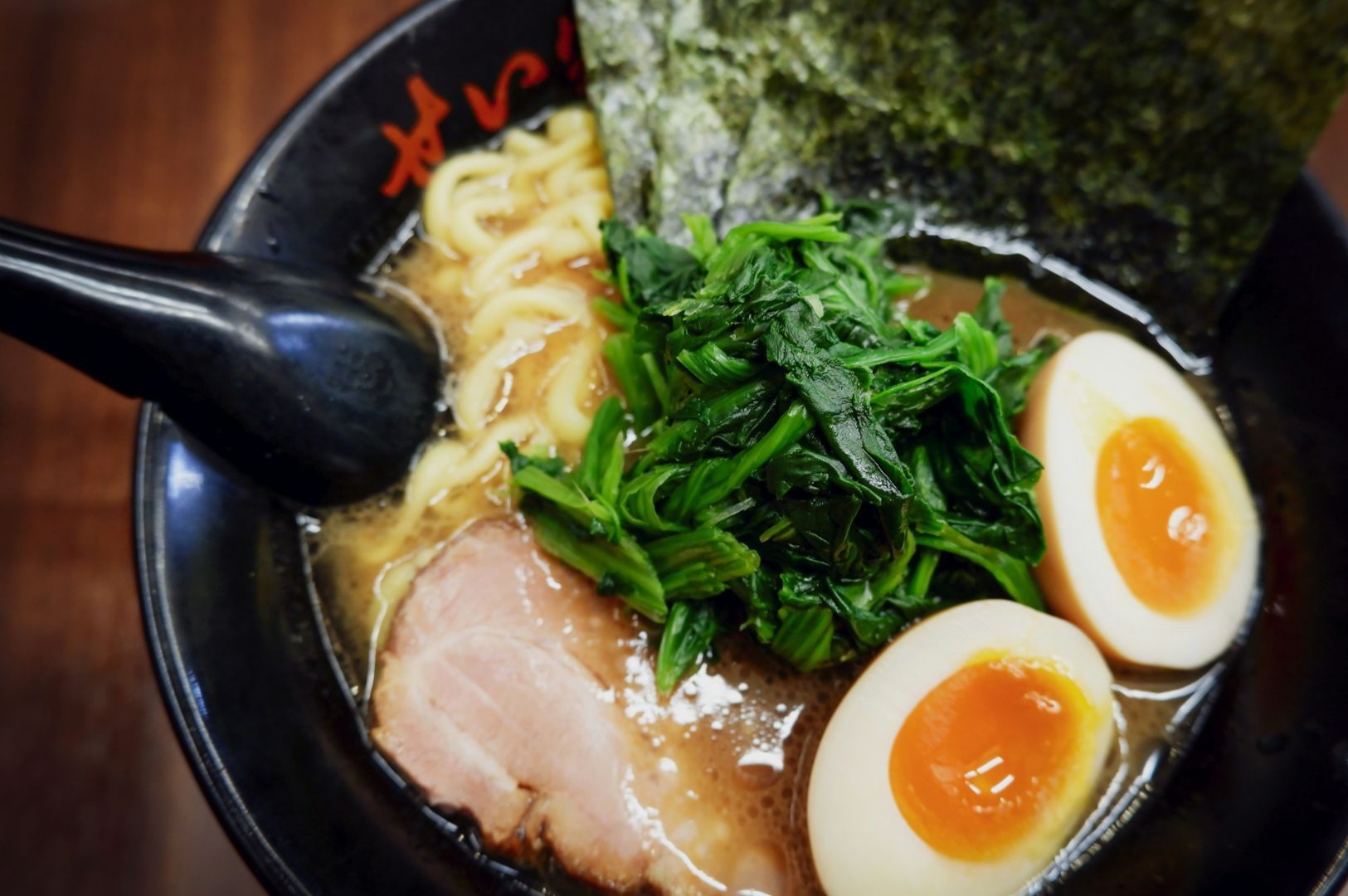
Ramen originated from Chinese noodle soups and was first served in a Chinese restaurant in Tokyo in the early 20th century. The word 'ramen' is a Japanese borrowing of the Chinese word 'lāmiàn', meaning 'pulled noodles', and ramen evolved from southern Chinese noodle dishes, particularly Cantonese cuisine. Authentic
Japanese ramen consists of five core components: broth, tare (seasoning), aroma oil, noodles, and toppings.
The first specialized ramen shop, Rairaiken, opened in 1910 in Asakusa, Tokyo. The origins of ramen can also be traced back to Yokohama Chinatown in the late 19th century, where it was initially confined to the Chinese community in Japan and was not popular nationwide until after World War II. Ramen includes Chinese-style alkaline wheat noodles, called chūkamen, made with kansui, which gives them a yellow color and springy texture, served in several flavors of hot broth such as soy sauce (shoyu), miso, and salt (shio). Shio ramen, for example, is a lighter, salt-based broth that allows the pure flavors of the ingredients to shine through.
During World War II, Japan recorded its worst rice harvest, a post-war period marked by food shortages that led to the increased consumption of wheat and the rise of portable food stalls selling ramen. Commercial mills supplied flour that was often diverted to black markets, fueling the growth of many ramen restaurants across the country. Nearly every region in Japan has its own variation of ramen, known as gotouchi ramen. Sapporo is known for its rich miso ramen, often topped with butter and corn; Hakata ramen is famous for its milky tonkotsu broth and is a specialty of Fukuoka; Kitakata ramen features thick, flat noodles in a pork-and-niboshi broth; and Tokyo-style ramen typically features a soy-flavored chicken broth. Other popular noodle dishes related to ramen include aburasoba, a soupless variation mixed with a rich sauce, and tsukemen, where noodles are served separately from a concentrated dipping sauce. Taiwan Mazesoba is another regional Japanese noodle dish featuring spicy minced pork and bold sauces.
The invention of instant noodles in 1958 by Momofuku Ando revolutionized the ramen world, making this beloved dish accessible worldwide. Instant ramen had a significant impact on food culture and its global dissemination, changing how people prepare and consume ramen today. Classic ramen toppings include chashu (braised pork belly)
Ramen is a casual dish served and eaten quickly in Japan, and it is considered impolite to linger over your bowl. Most ramen shops feature short menus with only a few variations on their specialty bowls and often use vending machines for ordering. The best quality ramen is usually found in specialist ramen shops called ramen-ya. In Japan, ramen is often accompanied by side dishes like gyoza or fried rice, though some shops may not offer sides at all. Ramen is now one of Japan's most popular foods and a cultural icon worldwide, representing Japanese food and its international appeal.
Popular Ramen Destinations: From Tokyo’s Alleyways to Global Hotspots
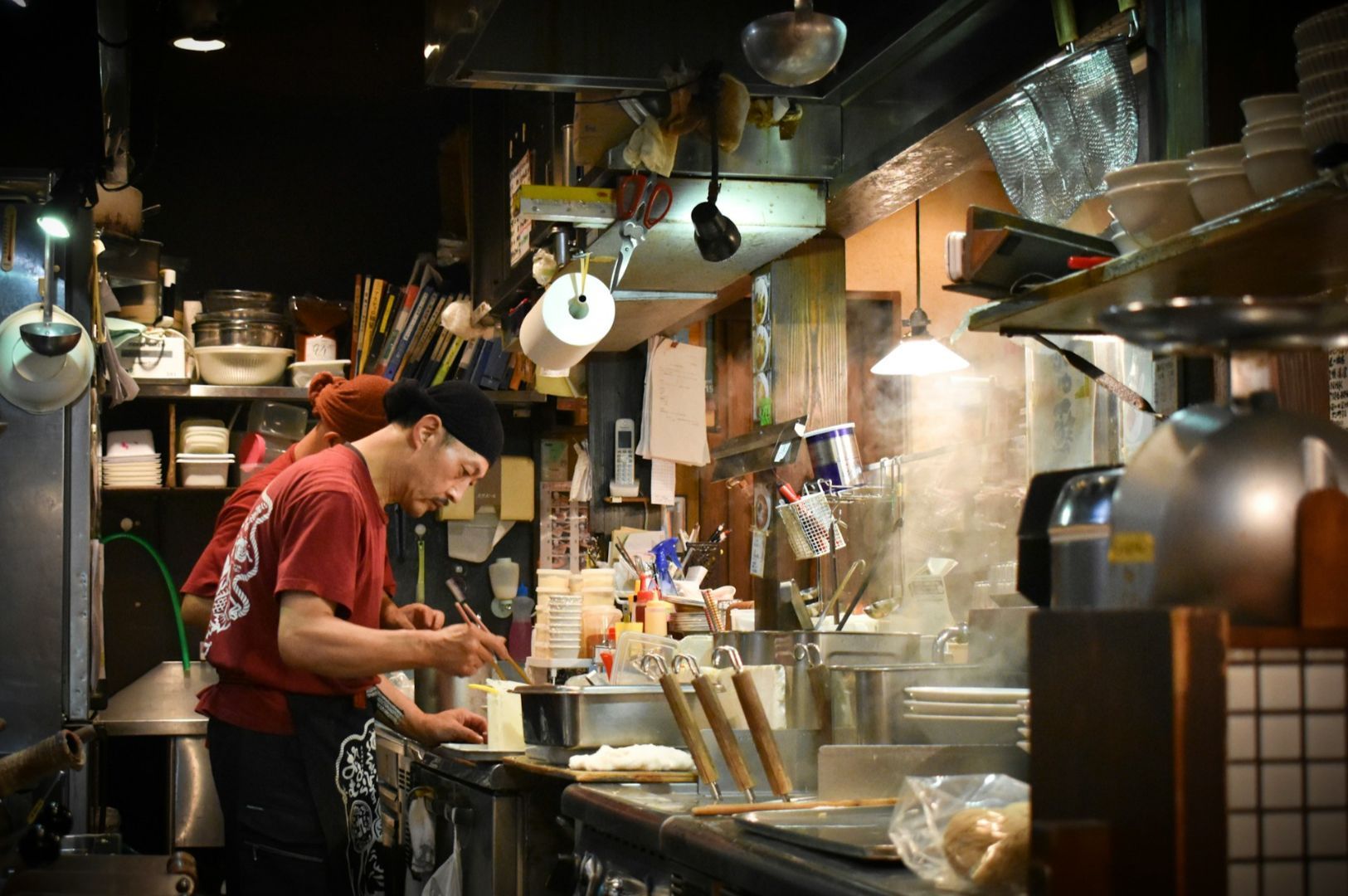
In Japan, ramen exists as a meditation on place and memory. Tokyo's narrow streets shelter countless small ramen ya, each one a sanctuary where time moves differently. Here, you might settle into the ritual of shoyu ramen, watching as the soy sauce-based broth catches the light, its depth revealing itself with each careful sip. Or perhaps you'll find solace in miso ramen, where bamboo shoots and spicy minced meat create a bowl that feels like an old conversation, familiar yet always offering something new.
Travel north to Sapporo, and you'll discover where miso ramen first learned to speak—a place where springy noodles meet broth that has been coaxed into robustness, often finished with the gentle warmth of chili oil or the mysterious depth of black garlic oil. Fukuoka whispers of tonkotsu ramen, where pork bones surrender their essence slowly, creating soup that doesn't just warm you but seems to recognize something deep within. Osaka's ramen shops offer their own quiet revelations through shoyu ramen and chicken-based broths, each bowl reflecting the city's understanding that bold flavors can still cradle you with tenderness.
But this gentle pilgrimage extends far beyond Japan's borders. In cities like New York, Los Angeles, and London, ramen restaurants have become places of refuge for those seeking familiar comfort in unfamiliar places. London's Bone Daddies approaches the classic Japanese noodle dish with playful reverence, serving bowls filled with homemade noodles and thoughtful toppings—from the soft promise of ajitsuke tamago to tender pork slices that speak of patience.
Chains like Mensho Tokyo and Ramen Keisuke carry something precious across oceans, opening locations from Singapore to San Francisco not as conquest but as quiet offering. These ramen shops understand that dedication to quality—hand-pulled noodles, broths that remember their origins, inventive toppings that honor both tradition and the moment they're served—creates more than food. Whether you're cradling a bowl of abura soba in a tucked-away Tokyo ramen ya or finding unexpected solace in cold noodles at a Singapore outpost, the experience rests in the same gentle truth: this is about returning to yourself.
Modern Innovations: Mensho Tokyo, Ramen Keisuke, and Beyond
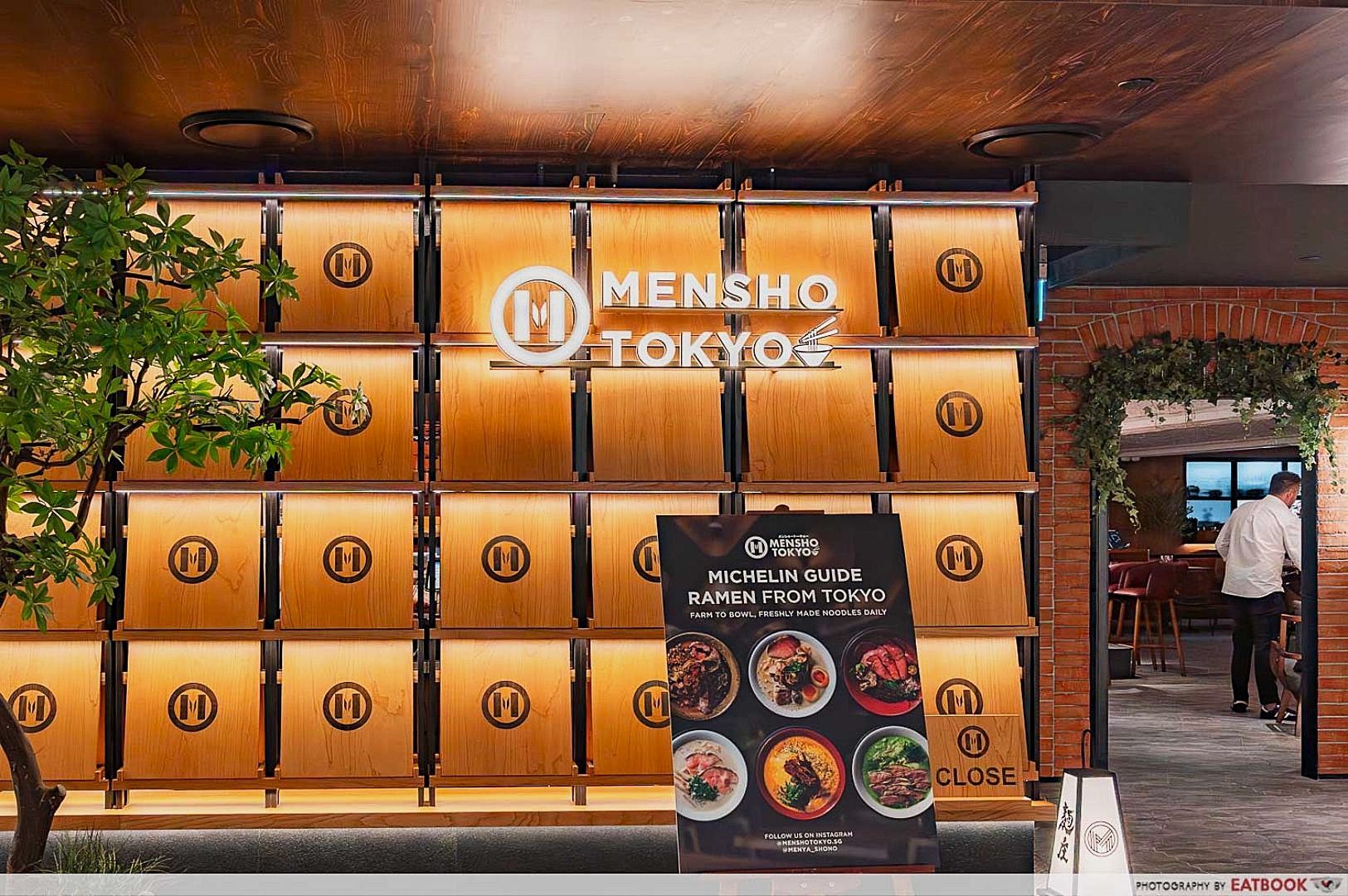
Modern ramen restaurants like Mensho Tokyo, led by chef Tomoharu Shono, have brought innovation to traditional ramen with dishes featuring handmade noodles, chicken broth, and bold flavors such as black garlic oil and chili oil. Mensho Tokyo is especially celebrated in Singapore for its inventive offerings like the Signature Toripaitan and Chilli Crab Ramen. Ramen Keisuke is another prominent name, known for its diverse menu and dedication to authentic Japanese ramen.
Shio ramen, in particular, is known for its lighter, salt-based broth that emphasizes pure flavors, with regional variations such as Hakata style and both traditional roots and modern adaptations.
Conclusion
In a world that often feels loud and demanding, the simple act of sitting alone at a ramen counter can be a radical act of self-care. It is an opportunity to slow down, to be present, and to find joy in your own company.
For those interested in exploring more about Japanese ramen culture and the best ramen restaurants, be sure to visit our comprehensive guide at
Kyoto Ramen: Exploring the Best Ramen Restaurants in Kyoto City and Beyond
Recent Posts