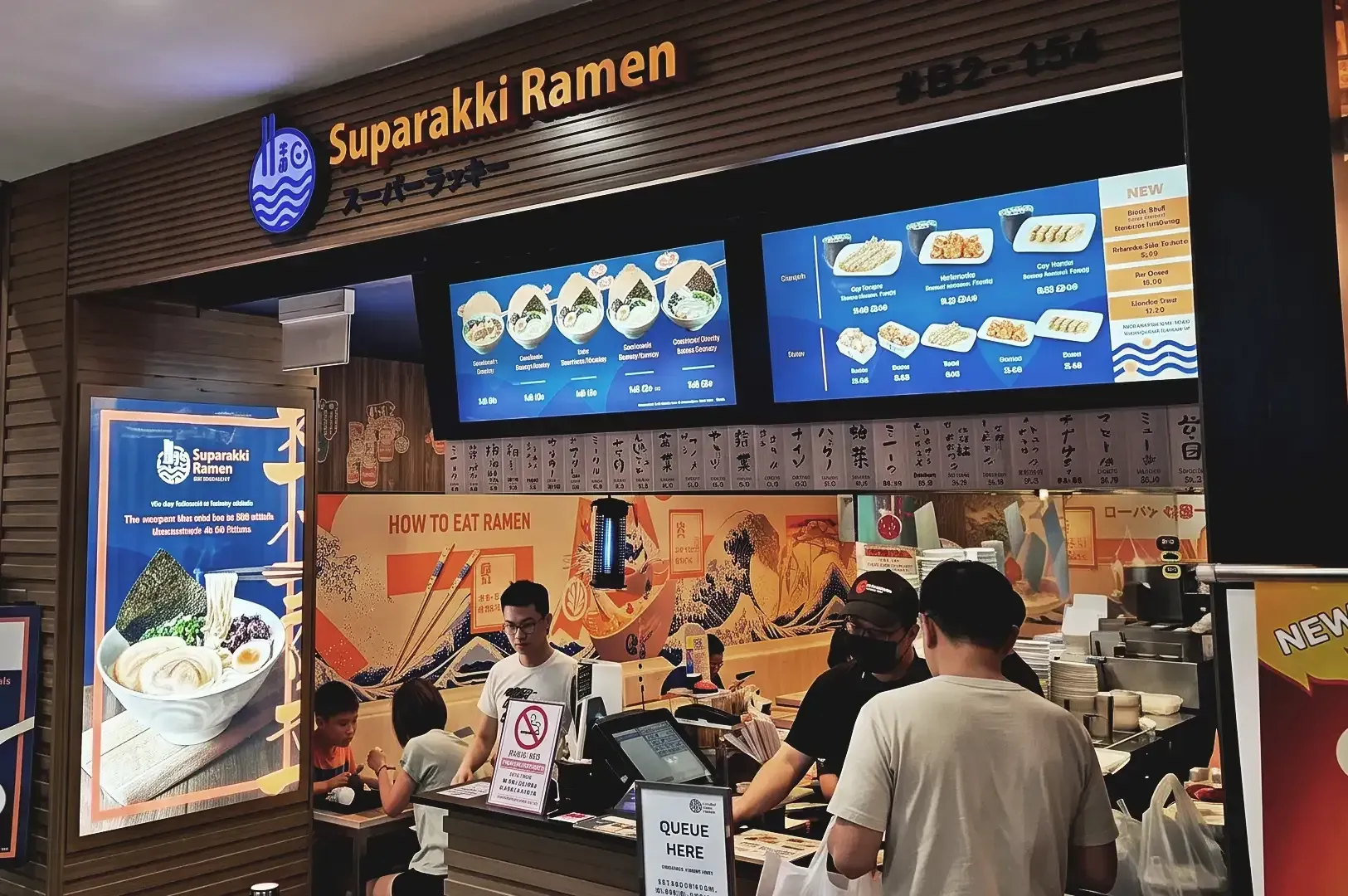
Ippudo Ramen Singapore: Authentic Tonkotsu Ramen Experience
Let me tell you about ramen night, the kind of night that kicks off a lively group chat with a simple "ramen?" and quickly turns into a passionate debate over your favorite spot. For me, the answer’s always been quick, confident, and maybe a little obsessed: Ippudo Ramen Singapore. It’s not just about grabbing a good bowl of noodles; it’s about experiencing a special kind of magic. A magic born in Fukuoka, perfected over decades, and now right here in the heart of Singapore’s vibrant food scene.
When the Ippudo restaurant first opened in Singapore, it wasn’t just another Japanese eatery. To me, it was a bold challenge. Could a fiercely traditional Hakata-style tonkotsu ramen, creamy, rich, and unapologetically porky, win over a city famous for chili crab and laksa?
If you’re curious about the
Ippudo Singapore menu, you’ll find it’s crafted with care, keeping the core ramen experience authentic while offering just the right twists to complement local tastes. Whether you’re a ramen newbie or a seasoned slurper, Ippudo’s bowls deliver that warm, comforting feeling every time. So next time you’re craving ramen, you know where to order.
Introduction to Ippudo Ramen
Whenever ramen comes up, Ippudo is the name that makes me pause mid-conversation and start planning my next visit. Born in Fukuoka back in 1985, this isn’t just another restaurant story to me; it’s the tale of Shigemi Kawahara turning one perfect ramen shop into a 200-location journey worth chasing.
While other chains expand and sometimes lose their soul, Ippudo somehow keeps that original fire burning—each location promising the same rush I remember from that first Fukuoka counter.
Traditional Japanese Food: The Heart of Japanese Cuisine
Ippudo’s commitment to traditional Japanese food is something I deeply appreciate, especially here in Singapore’s vibrant food scene. The typical Japanese meal structure, known as ichijū-sansai, which consists of one soup and three side dishes, reflects a harmonious balance and variety in every meal—a principle Ippudo honors in every bowl they serve.
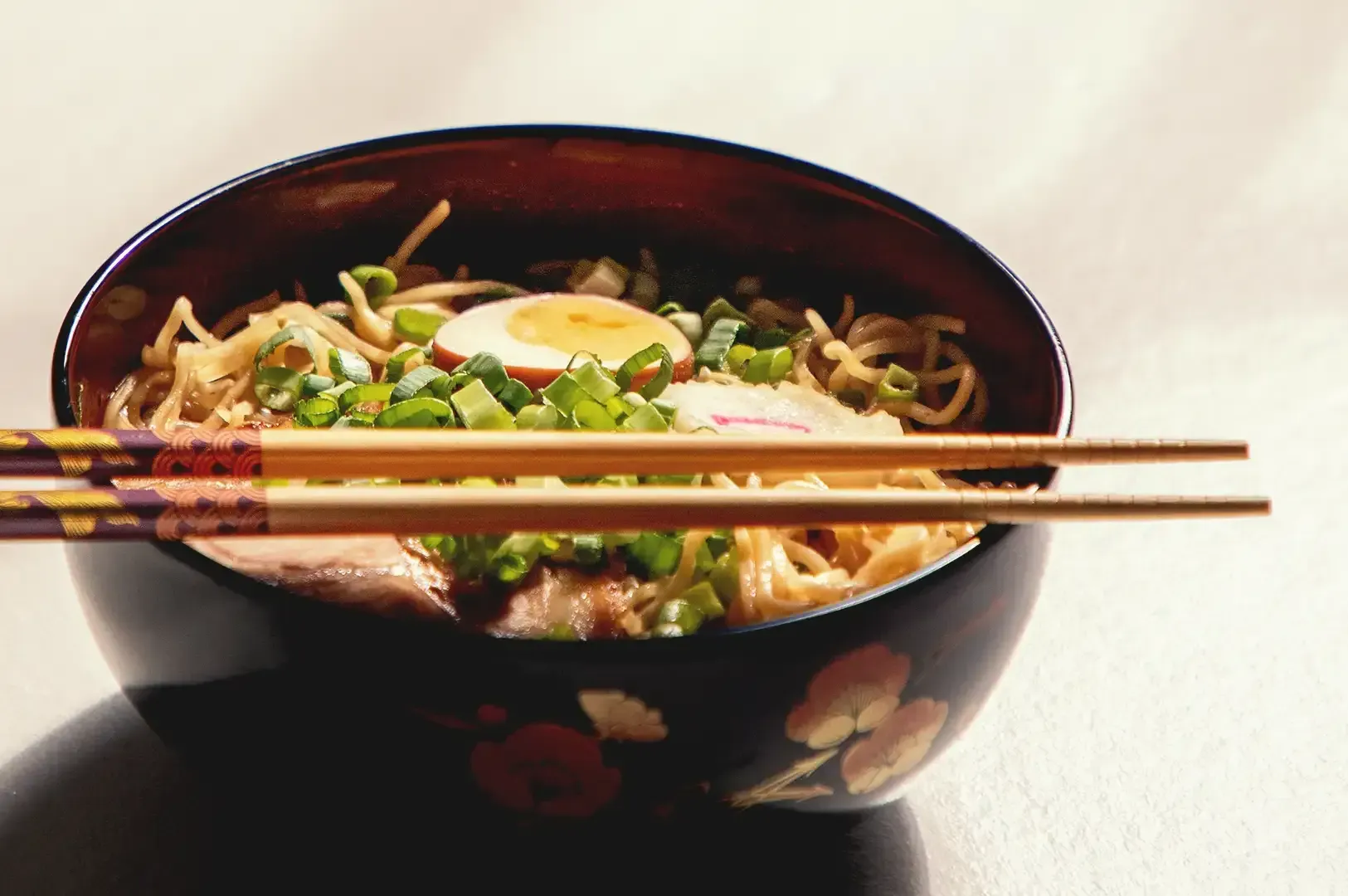
Dining at Ippudo Ramen Singapore is a sensory journey that begins with the aroma: the rich, savory scent of simmering broth that instantly whets the appetite. The textures and flavors unfold beautifully with each bite. The miso soup is delicate yet flavorful, perfectly complementing the nuanced taste of the ramen. The sushi rice, paired with fresh fish, offers a subtle sweetness and slight chewiness that balances the meal. The side dishes, including pickled vegetables and naruto fish cake, add bursts of tang and texture, enhancing the authentic Japanese food culture experience.
What truly sets Ippudo apart in the Singapore ramen scene is their attention to seasonal ingredients and regional specialties. Their tamago, a soft-boiled egg without the usual brown tinge on the outside, reveals a luscious, runny yolk that enriches the broth with creamy depth.
The bamboo shoots and shiranegi onions provide a crisp freshness, while the addition of gobo chips introduces a subtle sweetness and crunch that elevate the bowl’s complexity. Every element is thoughtfully prepared to create a balanced flavor profile that stays true to traditional Japanese cuisine while appealing to local palates.
The Un-Compromise: Broth, Noodles, Bliss in Japanese Cooking
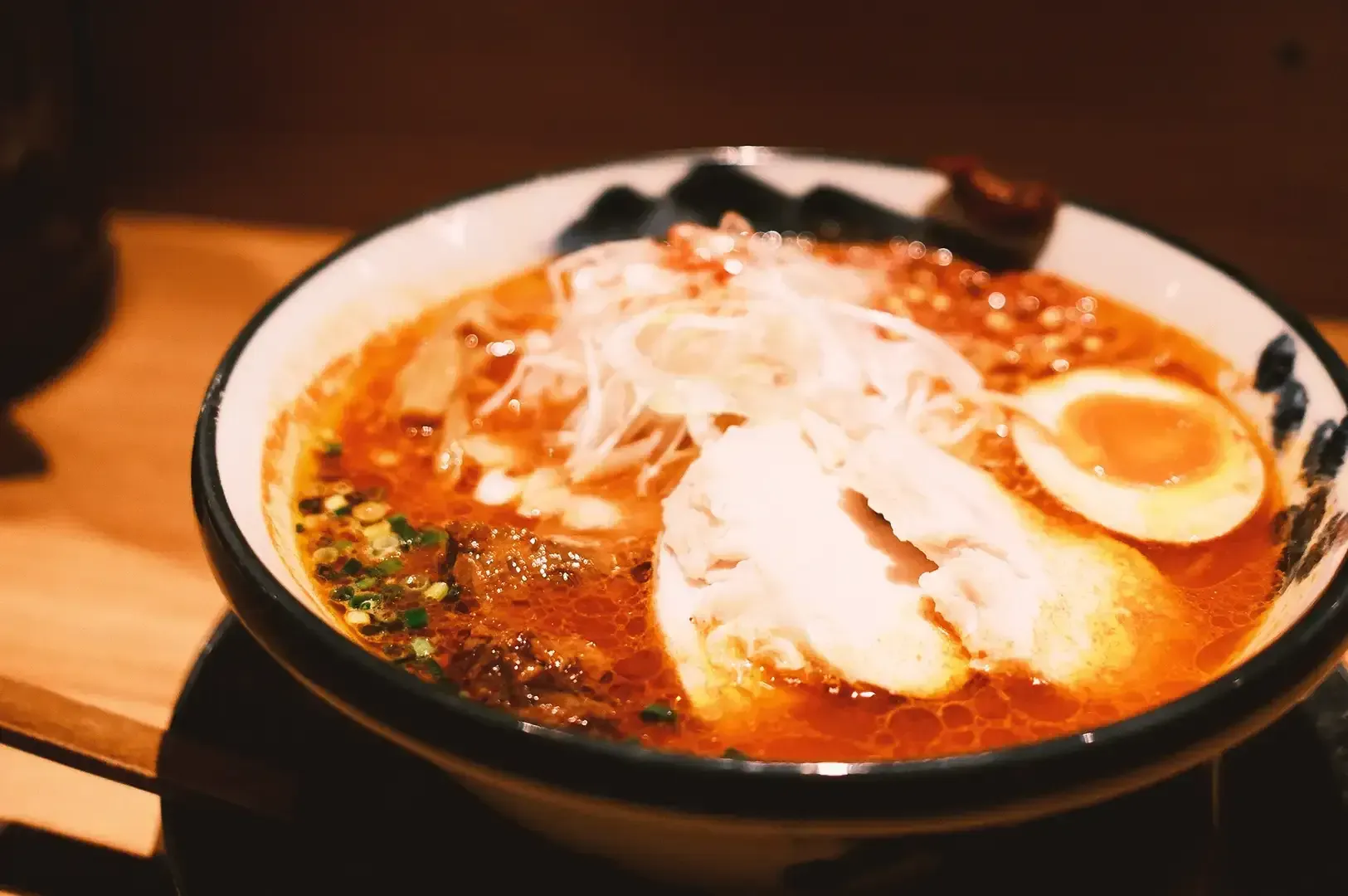
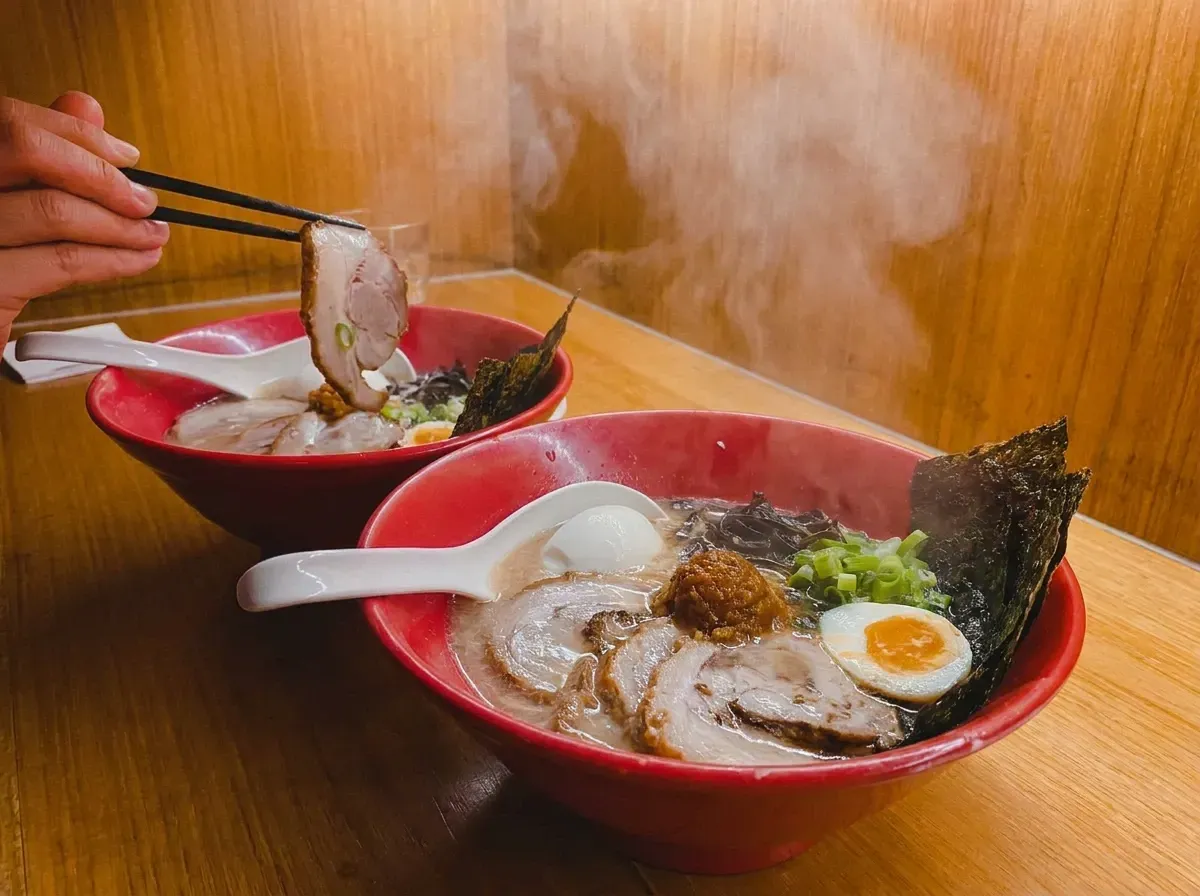
To truly understand Ippudo, you have to understand the tonkotsu broth. This isn’t your average soup. It’s an 18-hour, high-stakes commitment. Pork bones are boiled at a furious, rolling boil until the marrow and collagen surrender, creating a broth so milky and opaque it looks like liquid silk. That first spoonful always gets me, a deep, resonant umami that coats my mouth without feeling heavy. It’s rich, but clean. A total paradox, and totally addictive.
The broth carries a subtle woodsy mushroom aroma, layered with savory, sweet, and nutty flavors that unfold with every sip. The warmth spreads gently, inviting you to savor the complexity beneath its creamy surface. This signature tonkotsu broth is what has made Ippudo ramen Singapore a beloved staple for ramen lovers seeking authentic Hakata-style ramen in the SG food scene.
The meltingly soft chashu pork belly practically dissolves on the tongue, delivering a perfect balance of tenderness and savory depth. The jammy-yolked ajitama egg, marinated in soy sauce, adds a luscious creaminess that enriches the broth further. Thin strips of bamboo shoots provide a crisp textural contrast, while fresh shiranegi onions add a sharp, refreshing bite. The toppings often include seaweed and occasionally a sprinkle of sesame seeds, each element playing a precise role in the symphony of flavors.
Japanese Food Culture: Winning Over the Toughest Critics
Let’s be honest: Singaporeans know good food. We grow up with some of the most complex, flavor-packed dishes on the planet. We’re not easily impressed. So, how did a bowl of Japanese ramen become a go-to comfort food in this tropical heat?
Ramen is one of the most popular dishes in Japan and is commonly sold everywhere from street stalls to Michelin-starred restaurants. Over time, ramen has become a global phenomenon, with many variations and adaptations found outside Japan. Different regions in Japan have their own unique styles of ramen, reflecting local tastes and ingredients.
Instead of changing their recipe,
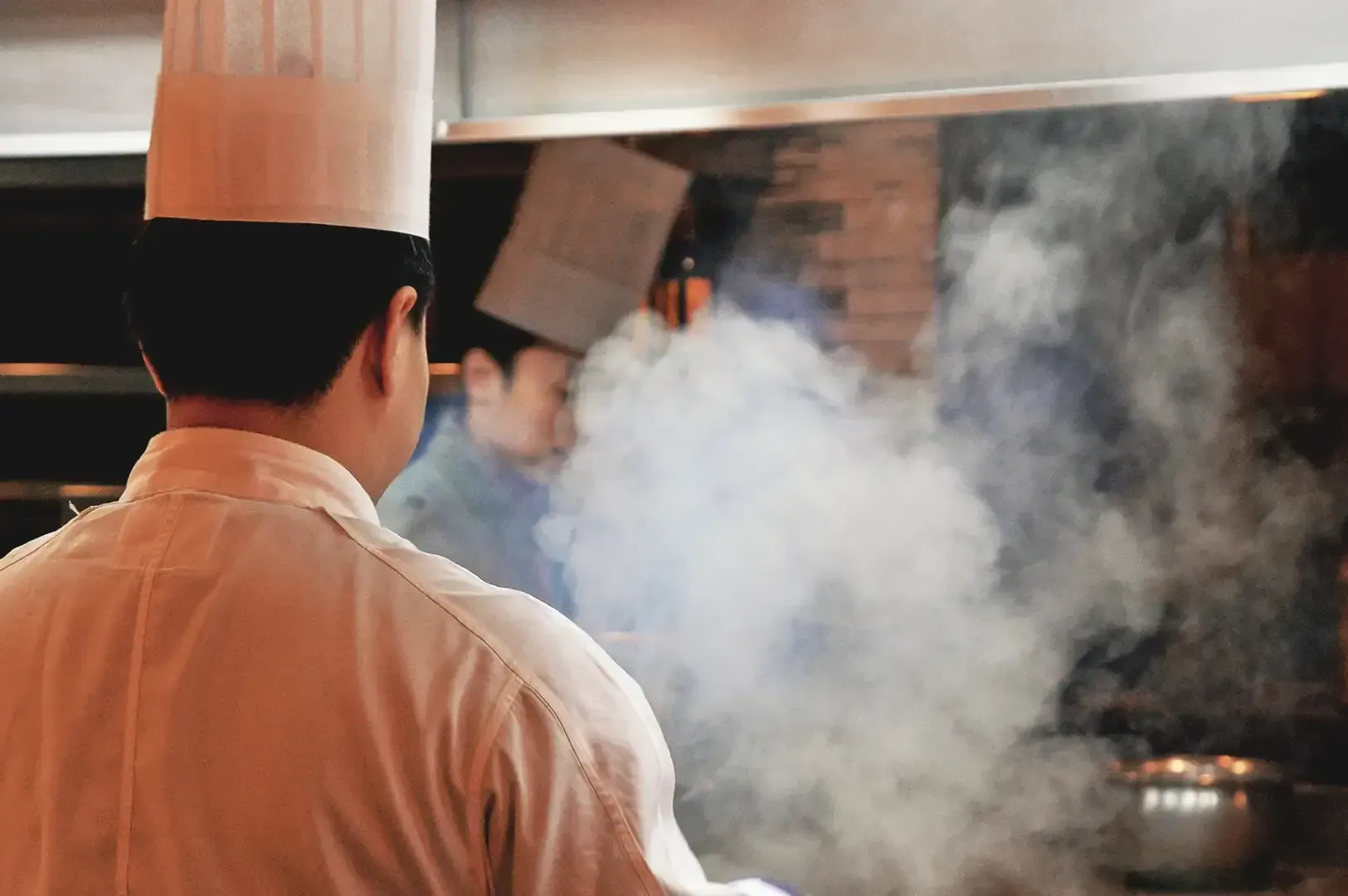
Ippudo changed the conversation with me. They put their kitchens on display, letting me watch the theater of it all. They taught me how to customize my bowl “extra firm noodles, please!” turning a simple meal into a personal ritual.
Udon Noodles and Japanese Curry: Seasonal Ingredients and Regional Specialties
While the core menu is sacred, Ippudo isn’t afraid to have a little fun. This is where their genius for adaptation shines. They don’t mess with the classics, but they introduce seasonal specials that feel like a conversation between Japan and Singapore. Many of these specials are inspired by traditional recipes, adapted with local ingredients to create new and exciting dishes. Some of these dishes are traditionally eaten for dinner or on special occasions, reflecting the deep-rooted customs of Japanese cuisine.
Japanese cuisine encompasses the regional and traditional foods of Japan, which have developed through centuries of political, economic, and social changes. It offers a large variety of dishes and regional specialties, including a vast array of kyōdo-ryōri, regional specialties often prepared using traditional recipes and local ingredients.
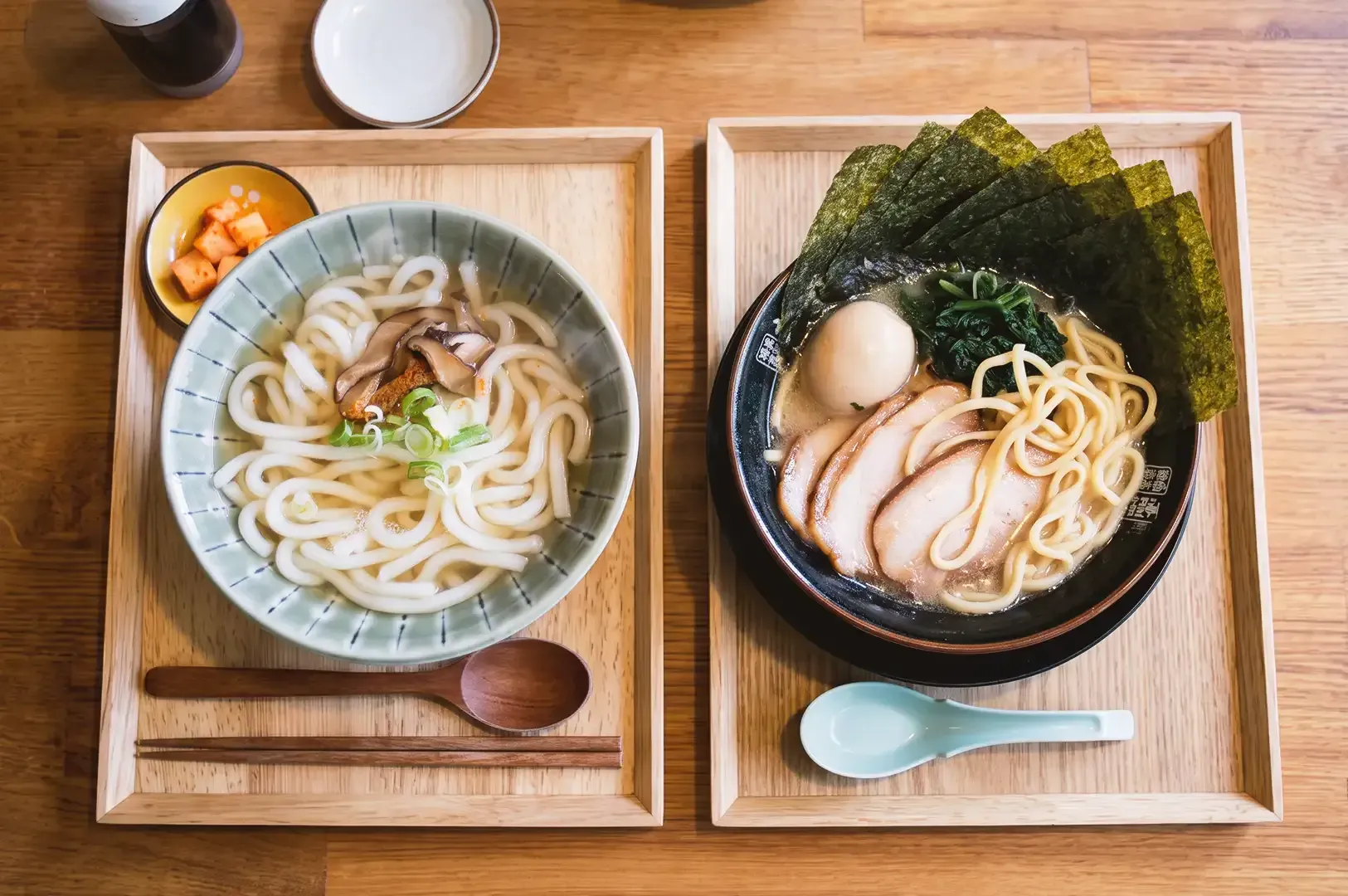
Japanese curry, another beloved dish of Japanese cuisine, is thick, mildly spiced, and traditionally served alongside rice. It reflects Japan’s history of adopting and adapting foreign influences, much like udon noodles, which have Chinese origin but are now commonly eaten across Japan in various forms such as kake udon (served in a simple broth). These dishes highlight how traditional Japanese cooking embraces both preservation and innovation.
Experiencing these seasonal specials at Ippudo Ramen Singapore is a sensory delight. The aroma of the curry is warm and inviting, with subtle hints of sweetness and spice that awaken the palate. The udon noodles are perfectly chewy, their smooth texture absorbing the rich broth’s flavors with every bite.
Meat Consumption and Special Occasions: The Role of Wagyu Beef and Traditional Japanese Dishes
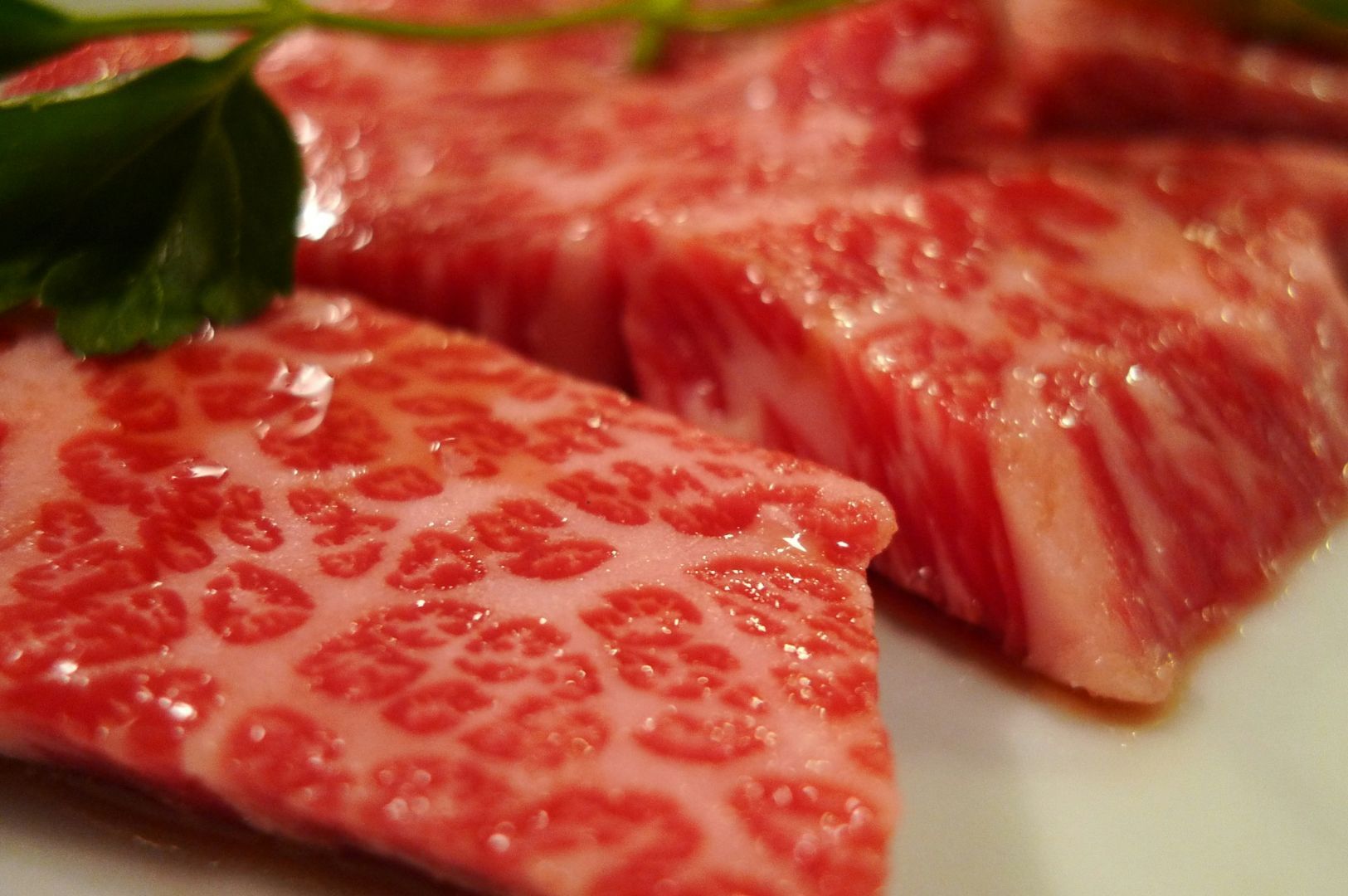
Meat consumption in Japan has evolved from the traditional vegetarian cuisine followed by Buddhist monks, who emphasized dishes like shojin ryori, to the celebrated inclusion of wagyu beef and deep fried pork cutlet. These meats are often enjoyed during special occasions and are part of the rich tapestry of traditional Japanese dishes.
In addition to these, Japanese cuisine features a wide variety of snack foods, such as okonomiyaki, which are an integral part of Japanese eating habits and culinary culture. Whether it’s thin slices of wagyu beef in a hot pot or a crispy tonkatsu served with dipping sauce, these dishes showcase the Japanese mastery of balancing taste, texture, and presentation.
Restaurant Experience: Savoring Ippudo Beyond the Bowl
When I walk into Ippudo, I’m not just hunting down another bowl I'm diving headfirst into a buzzing world where every slurp matters and every visit teaches me something new. The sleek setup hits different than your typical noodle joint; it’s got this energy that makes grabbing a solo dinner feel just as electric as celebrating with friends, especially when I’m craving that perfect bowl after a brutal day.
The second I step inside, that broth aroma grabs me by the collar rich, deep, promising while the grill's sizzle practically shouts "get ready!" The menu sprawls like a playground: those crisp Gyoza that pop between my teeth versus silky Edamame that barely require effort, then there’s Chicken Karaage delivering that satisfying crunch against the comfort-hug warmth of Japanese curry.
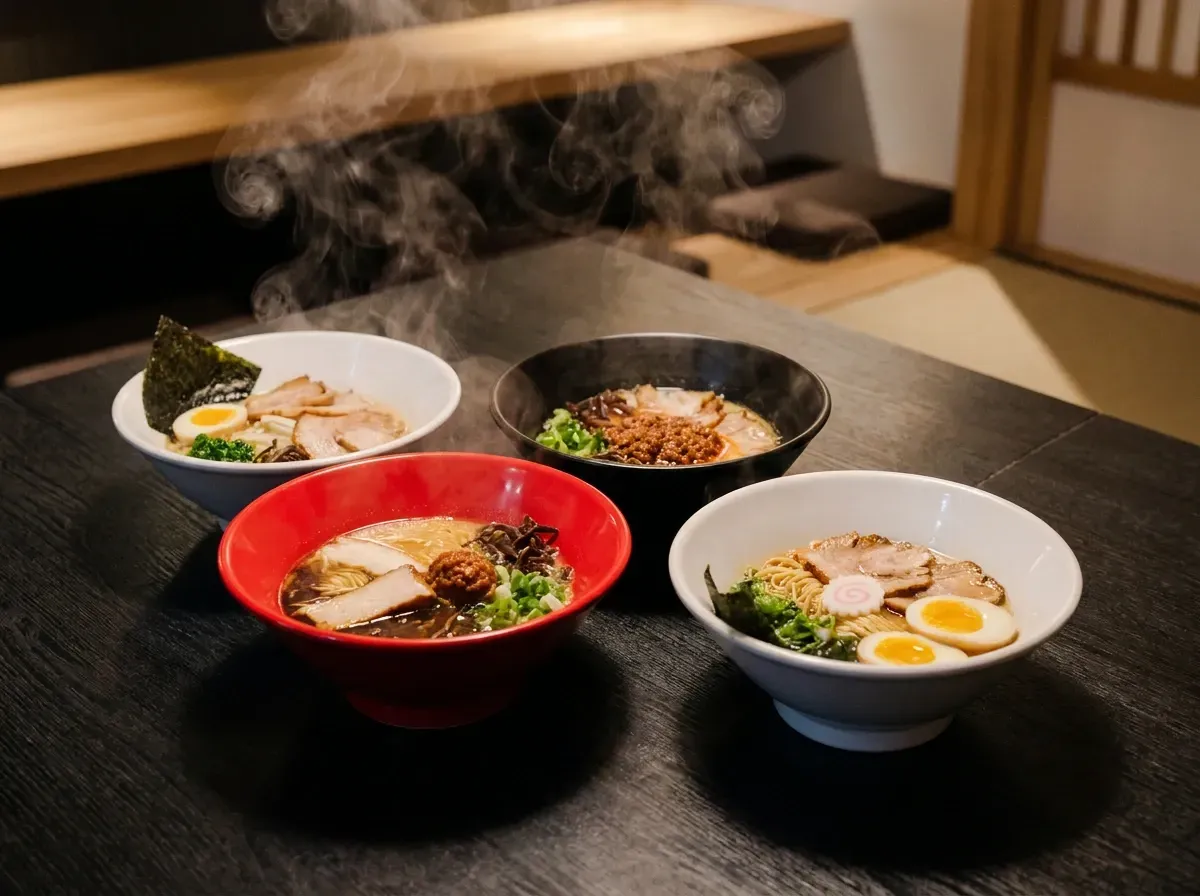
But let’s talk star power—the ramen lineup here doesn’t mess around. Classic
Tonkotsu brings that creamy richness that soothes and satisfies, while
Spicy Miso Ramen wakes up my entire mouth, and the
Akamaru Modern? That one makes me question everything I thought I knew about noodle soup. Then there’s the sweet finish game:
Mochi Ice Cream with that chewy-meets-cold contrast, or
Green Tea Ice Cream that cleanses and refreshes like the perfect punctuation mark.
More Than Just a Meal: Raising the Ramen Bar in Japanese Food
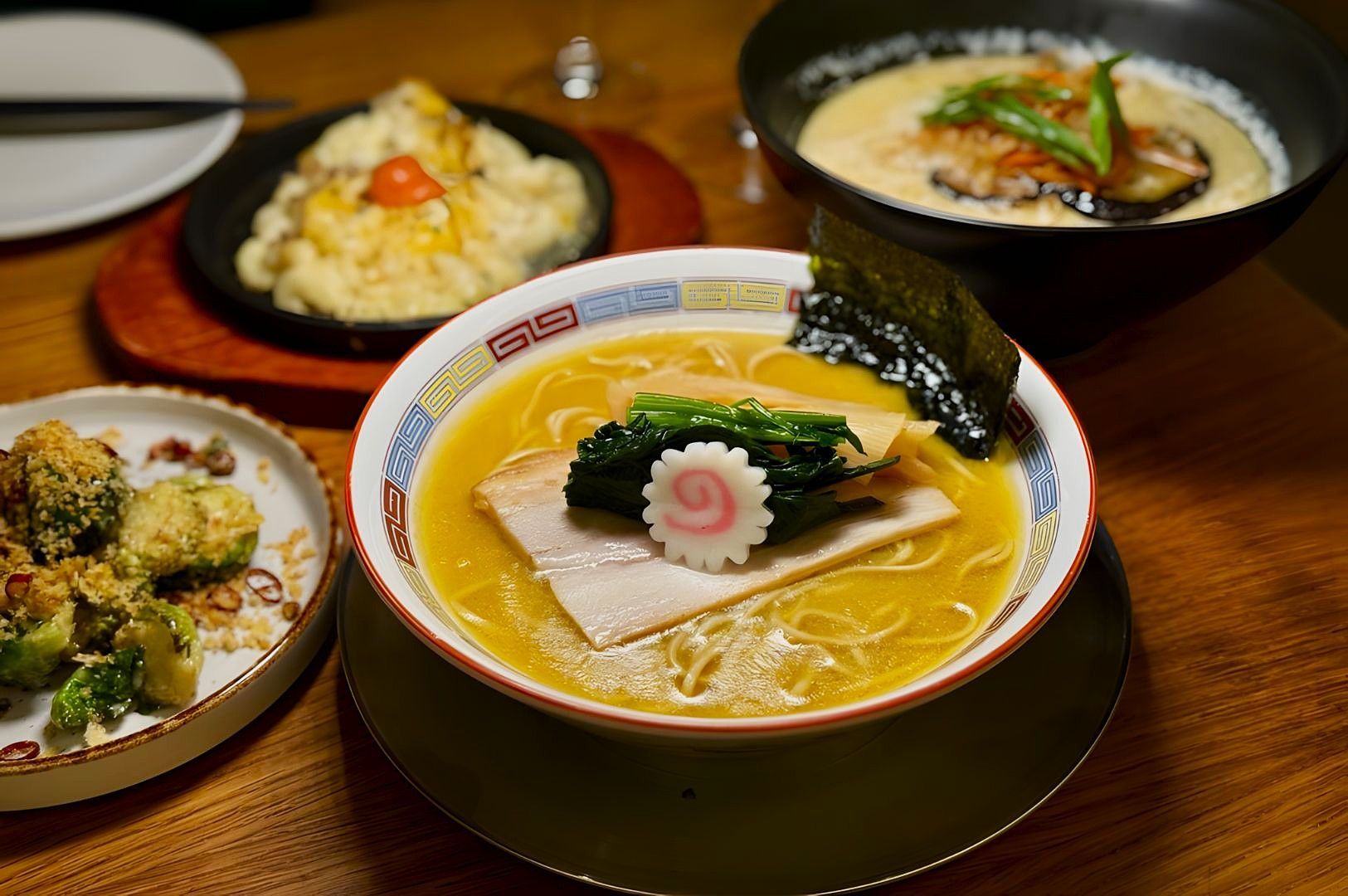
Ippudo’s impact goes way beyond my Friday night cravings. They helped create a city-wide ramen obsession. By sticking to their guns on what makes authentic Hakata ramen special, they educated a whole generation of diners like me. They raised the bar for every other ramen restaurant that followed.
They proved that Singaporeans are willing to queue and pay a premium for something truly exceptional. In a city obsessed with food trends,
Ippudo’s consistency has become its greatest strength.
The Lesson? Stay Deliciously You in Japanese Cooking and Cuisine
Ippudo's journey in Singapore has been the ultimate guide for me and many others trying to make it here. The takeaways are simple:
- Know your core: Figure out what makes you special and guard it with your life. For Ippudo, it’s that 18-hour tonkotsu broth that defines authentic tonkotsu ramen Singapore lovers crave.
- Trust your audience: Don’t dumb it down. Instead, invite people in and share your passion for the best ramen in Singapore. They’ll get it.
- Play, but don’t pander: Adapt in smart, creative ways that enhance your brand, not dilute it. This approach keeps Ippudo’s Hakata-style ramen Singapore experience true to its roots while appealing to local tastes.
- Consistency is king: In a world of fleeting trends, being reliably excellent is the most powerful move you can make, especially in the competitive Japanese ramen restaurant Singapore scene.
Ultimately,
Ippudo’s success is a story about the power of authenticity. It’s about protecting your essence while being open to the world. For Ippudo, that essence is in a perfectly balanced bowl of tonkotsu ramen that demands I slow down and savor it. In a culture of constant rush and compromise, that’s not just good food. It’s a philosophy. And it’s one I’m happy to get obsessed with, every time I visit an Ippudo ramen restaurant Singapore calls home.
Recent Posts