Why Tonkotsu Still Dominates — And Whether It Should

June 24, 2026
Dot Icon

The first time tonkotsu really got me, I was hunched over a bowl at midnight, jacket still on, the smell of pork broth clinging to my sleeves for the whole ride home. I didn't mind. That creamy, almost milky soup felt like the most comforting thing I'd ever tasted.


For years, I treated that bowl as the gold standard. And I get why so many of us do.


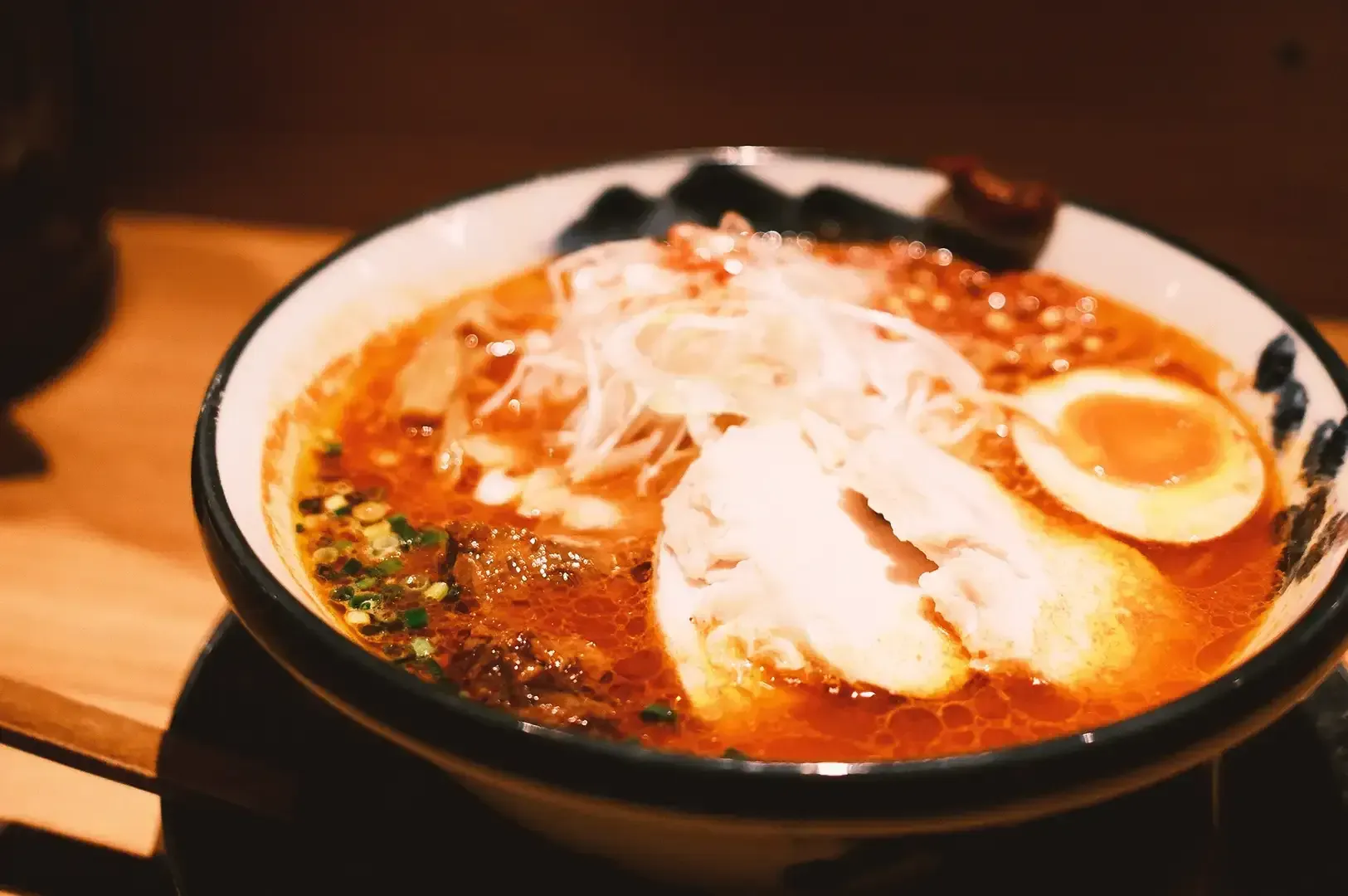
Tonkotsu is intense in the best way. Hours of boiling pork bones break down collagen into that glossy, emulsified richness. The fat coats your mouth, the warmth settles in your chest, and the aroma practically announces itself before the bowl even lands.

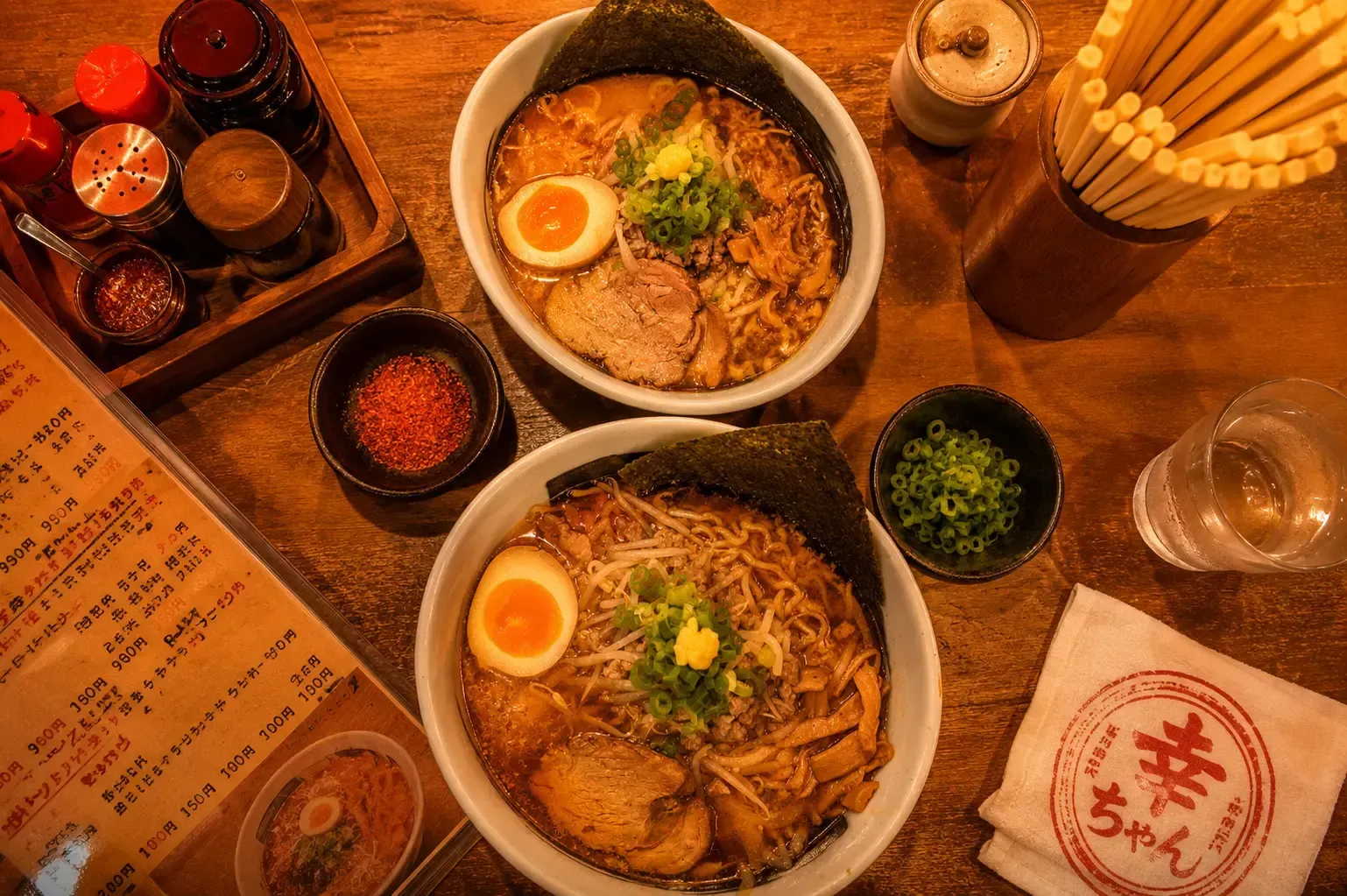
An overhead view of two bowls of ramen with chashu pork, soft-boiled egg, and nori on a wooden table, surrounded by a menu, spices, green onions, and chopsticks.

It's also reliable. A good tonkotsu hits the same satisfying notes every time, which makes it easy to love and easy to photograph. That thick, swirling broth looks gorgeous on a screen, and that visual appeal helped push it to the front of nearly every ramen menu.


But here's where I started to wonder. When one style becomes the benchmark, everything else gets quieter.

Shoyu, with its clean soy depth. Shio, delicate and almost translucent. Niboshi, with that bold sardine bitterness. Tori paitan and lighter regional broths that ask you to slow down and notice subtlety instead of being overwhelmed by it. These styles can get crowded out, both on menus and in our expectations.


Shops feel the pressure too. If customers walk in expecting rich and heavy, lighter bowls start to feel like a risk rather than a craft.


My own turning point came over a simple bowl of shio. It was so restrained that I almost dismissed it, then I caught the clarity of the broth, the way each ingredient had room to speak. I realized I'd been equating richness with quality, when really they're just different pleasures.

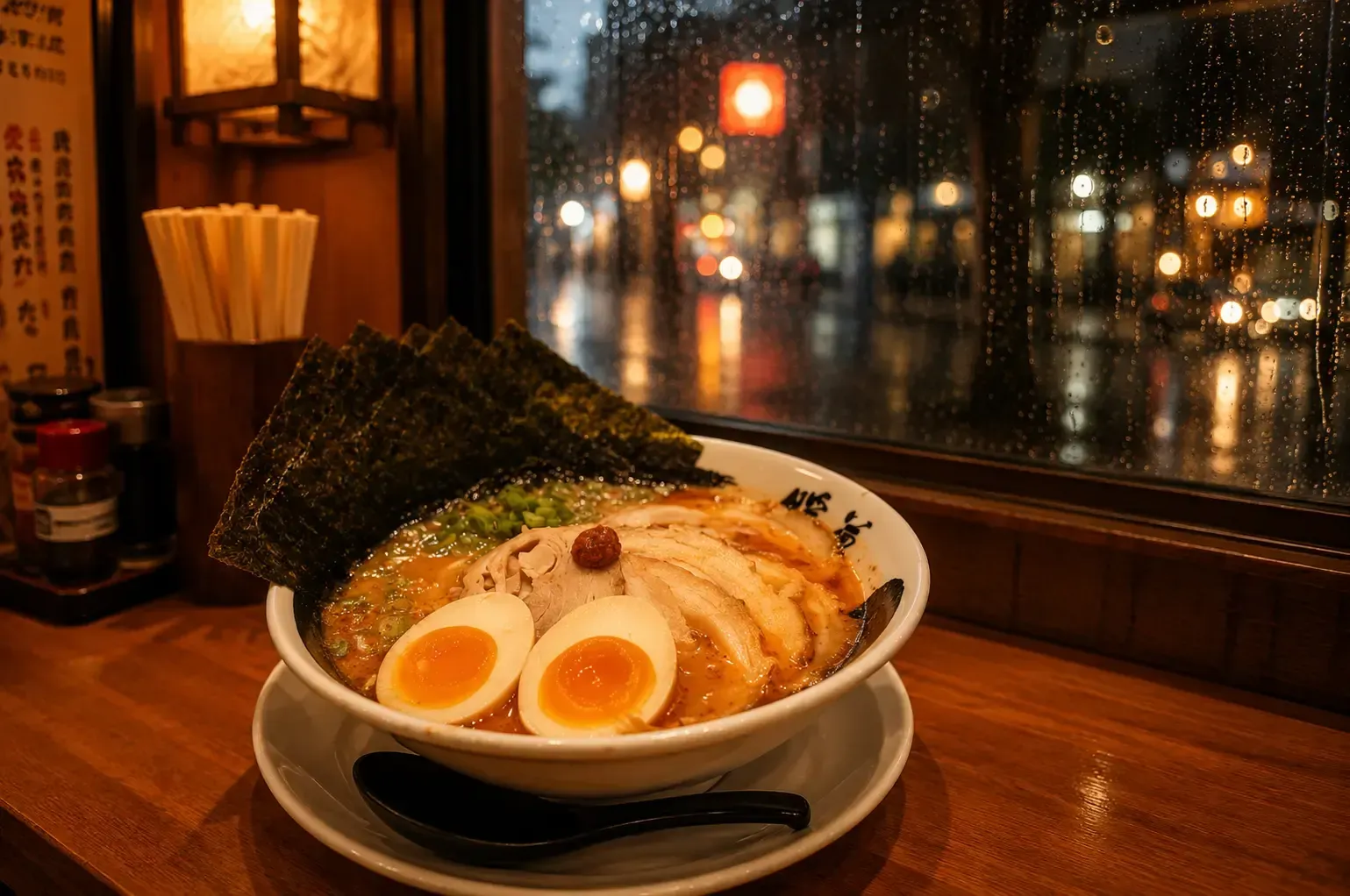
A steaming bowl of ramen with soft-boiled eggs, chashu pork, and a fan of nori sheets sits on a wooden counter next to a rainy window overlooking blurred city lights at night.

Tonkotsu earned its place, no question. I still crave it on cold, tired nights. I just don't think it should be the only thing we reach for.


So next time you order, maybe let your curiosity lead. Try the shoyu you usually skip, or ask what regional style the shop is proud of. You can love tonkotsu and still leave room for everything else it tends to overshadow.

Recent Posts

The interior of a traditional Japanese bar or ramen shop, featuring a wrap-around wooden counter.
By Jillian Garzia June 26, 2026
A first-person editorial on the smells, sounds, and small signals that make a ramen shop feel right before your first bite.
A chef in a black cap holds out a steaming, artfully arranged bowl of ramen featuring chashu pork.
By Jillian Garzia June 25, 2026
Experience the rich flavors of wagyu ramen at Mashi No Mashi Singapore. Dive into a culinary journey that promises both comfort and satisfaction. Read more!
Close-up of the bright orange Tamoya Udon and Tempura signboard with white lettering and Japanese.
By Chloe C.L June 22, 2026
Discover Tamoya Udon at SingPost Centre, Singapore. Enjoy freshly hand-pulled udon noodles, crispy tempura, and unique dishes like Black Garlic Tonkotsu Udon. Perfect for quick, authentic Japanese comfort food near Paya Lebar MRT.
Vibrant bowl of Japanese soup curry filled with roasted pumpkin, zucchini, baby corn, eggplant.
By Chloe C.L June 19, 2026
A first-person take on soup curry as a quiet after-work reset, from rich broth to tender veg, rice, and that calm post-meal exhale.
Storefront of Tamoya Udon and Tempura restaurant in a shopping mall with customers dining inside
By Best Ramen Team June 18, 2026
Explore Singapore's top Tamoya Udon spots for noodle lovers. Savor authentic flavors and find your perfect bowl. Dive into the delicious details now!
Bowl of vegetable soup curry on a table in front of a rain-streaked window with a blurred rainy view
By Best Ramen Team June 17, 2026
A calm reflection on why soup curry feels like warmth, shelter, and quiet comfort when the rain starts falling.