Korean Ramen and Dry Ramen Singapore: The Complete Guide to Flavour, Culture, and Must-Try Picks
Introduction
If you're a ramen lover living in Singapore, you've probably come across the bold flavours of Korean ramen Singapore brands and noticed the growing buzz around dry ramen in supermarkets, specialty eateries, and convenience stores. Whether it's the spicy Korean ramyeon that warms me up on rainy nights or those wok-tossed dry noodles packed with savoury umami, Singapore's food scene always has something to satisfy every noodle craving.
In this guide, I'll share my take on Korean instant noodle culture, the rise of premium dry noodles, the best spots to buy and enjoy them, including hidden gems near Farrer Park, and some creative ways Singaporeans (including myself) whip up these dishes at home. Whether you’re into fiery Samyang, classic Nongshim, or artisanal dry noodle bowls inspired by Japanese and local flavours, this article will help you discover your next favourite satisfying bowl with various toppings and hints of minced meat, carrots, and more.
The Rise of Korean Ramen in Singapore and Why It’s So Popular
Korean instant noodles have become a staple in my life here in Singapore. What started as simple ramyeon back in the 90s has grown into a full-blown obsession, thanks in part to K-dramas, mukbangs, and the many Korean supermarkets popping up all over the island.
Nowadays, when I think of Korean ramen Singapore, I picture everything from classic, mild broths to those ultra-spicy bowls that really test your heat tolerance. You can find them everywhere—from your local minimart to premium grocery stores and even ramen bars that serve up elevated Korean-style noodle bowls.
Why Singaporeans Love Korean Instant Noodles
Singaporeans enjoy Korean instant noodles for their:
- Strong, bold flavours—spicy, cheesy, seafood, kimchi
- Quick preparation—perfect for busy lifestyles
- Affordable comfort food—packs typically cost SGD $1.30 to $2.90
- Cultural familiarity—thanks to K-drama scenes featuring ramyeon
- Unique textures—chewy noodles with satisfying springiness
Leading brands include Nongshim, Paldo, Samyang, and Ottogi, each bringing distinct styles of ramyeon to Singapore’s shelves.
Understanding Korean Ramen Varieties in Singapore
To appreciate the full range of korean ramen singapore, it helps to know the key categories, each offering a different flavour experience.
Classic Soup-Based Korean Ramyeon
Soup-based ramyeon remains the most popular style in Singapore.
Common favourites include:
- Nongshim Shin Ramyun – spicy beef broth with chewy noodles
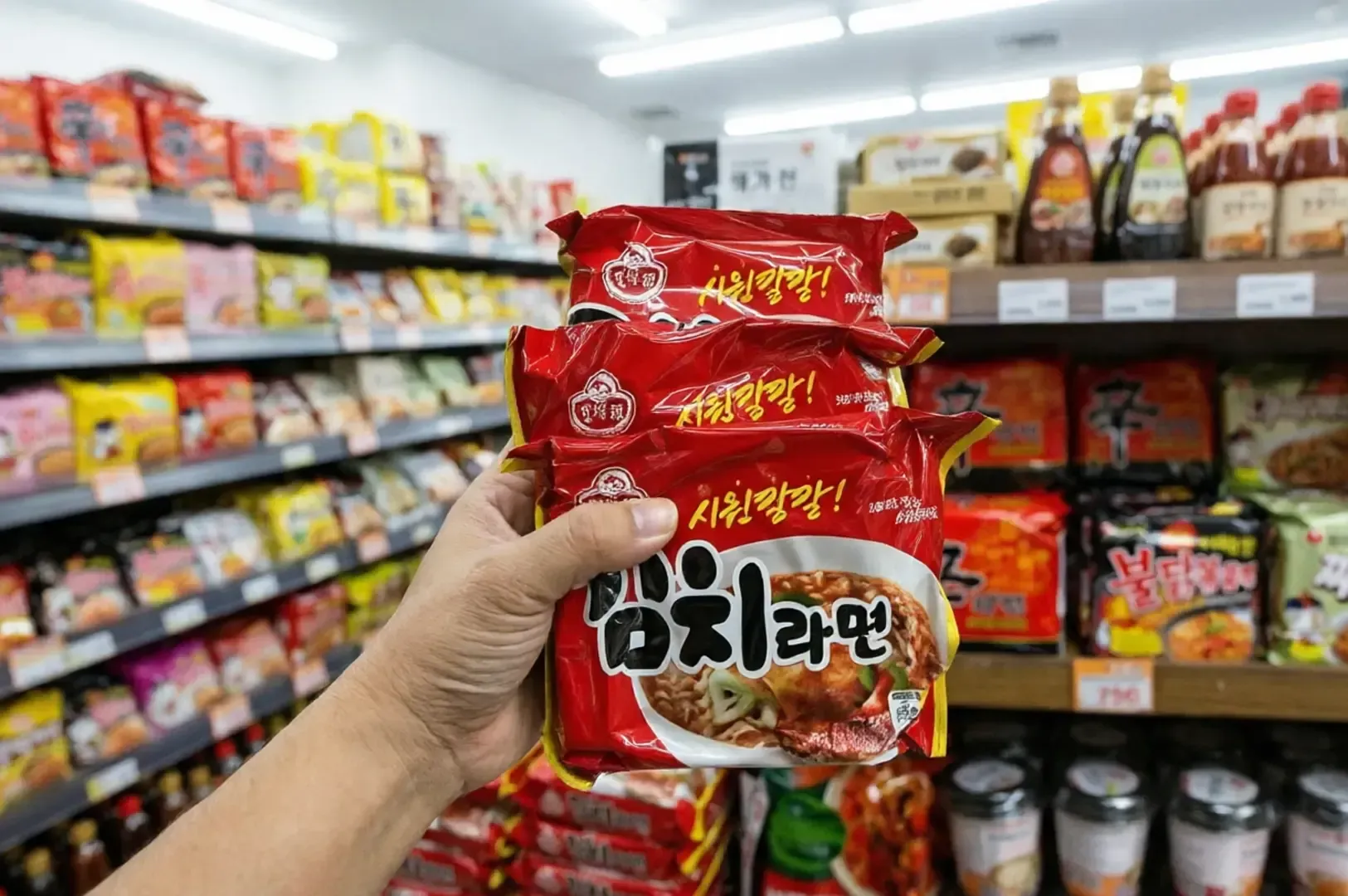
- Samyang Kimchi Ramen – tangy, fermented flavours
- Ottogi Jin Ramen (Mild/Spicy) – well-balanced flavourful broth
- Nongshim Neoguri – thicker, udon-style thick noodles with seafood stock
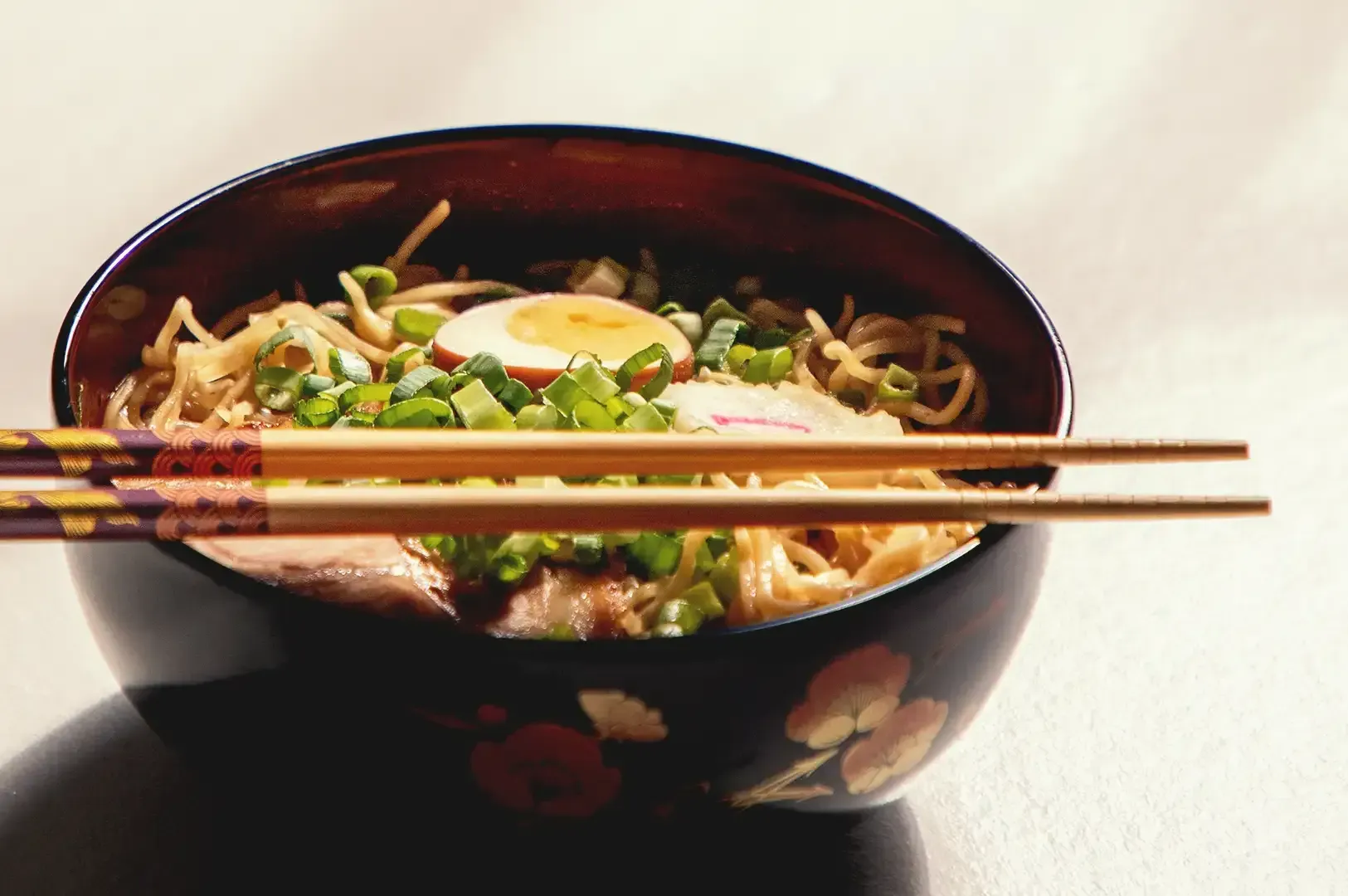
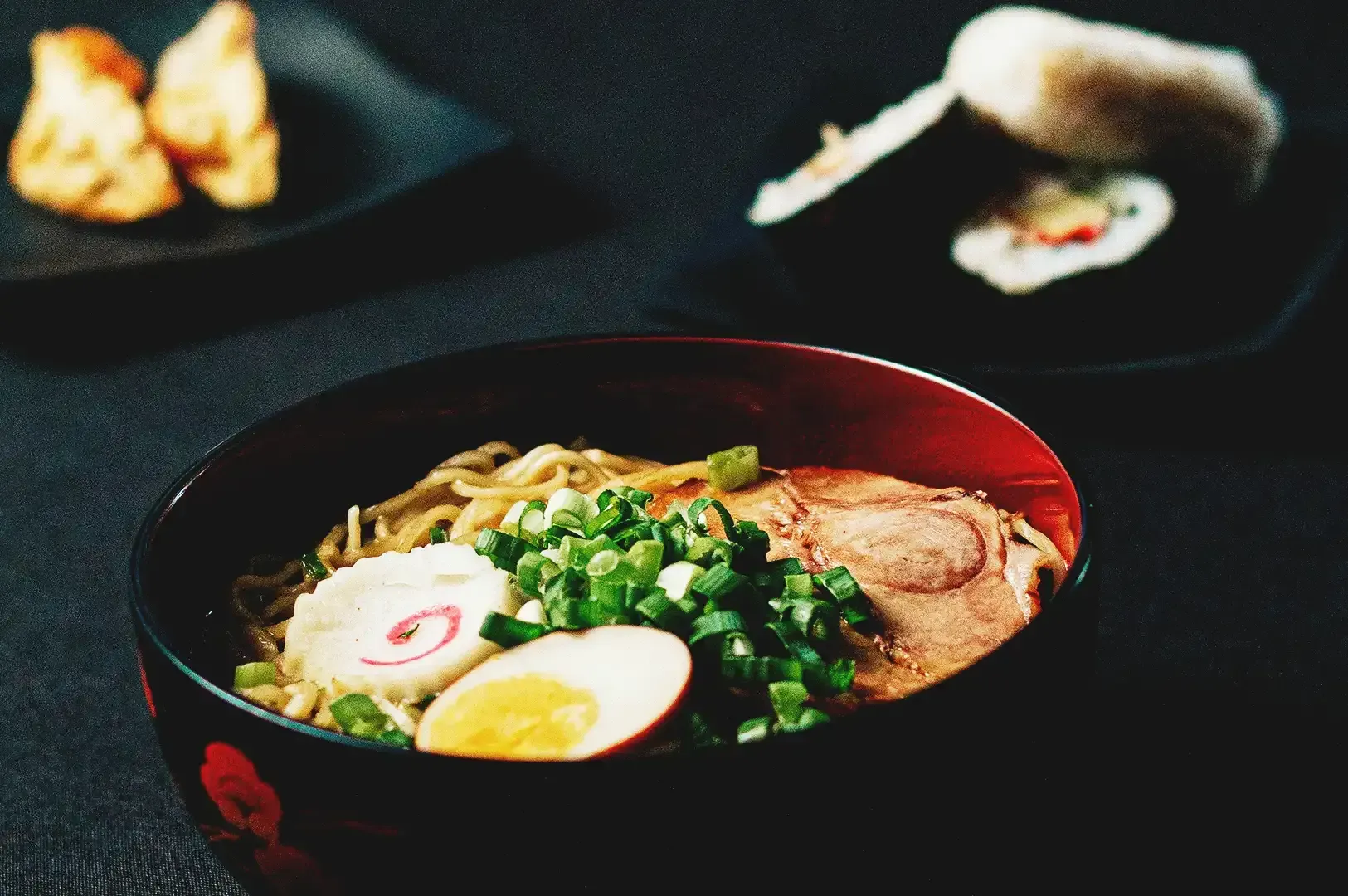
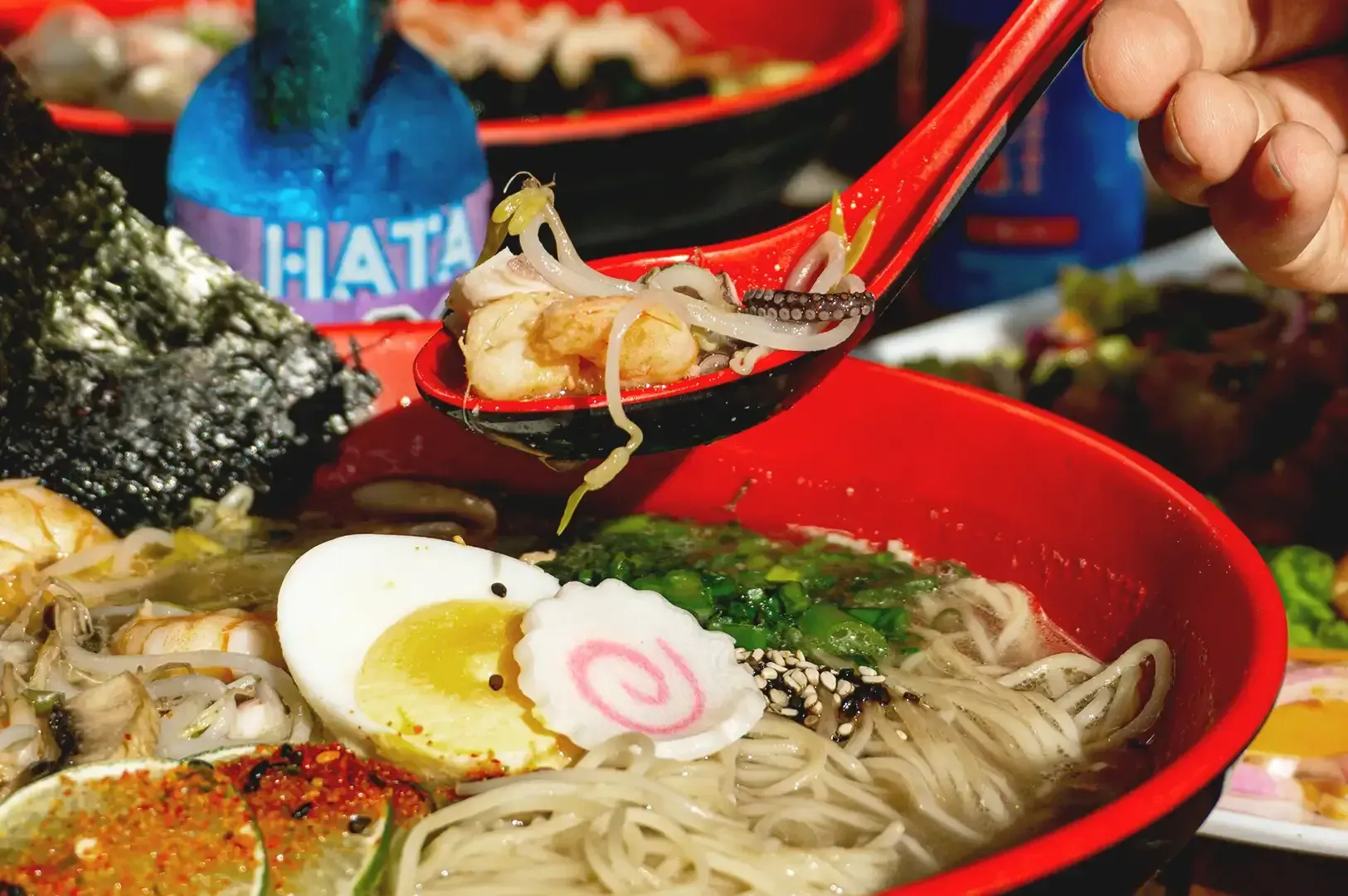
Classic bowls often feature toppings such as bamboo shoots, tender slices of pork belly, soft boiled egg, spring onions, seaweed, and onions, adding layers of texture and flavour.
These broths are rich and flavourful, sometimes salty, appealing to those who enjoy bold tastes. Perfect for rainy evenings or when craving comfort food.
Ultra-Spicy Korean Ramen with Spicy Minced Pork
Many Singaporeans test their spice tolerance with:
- Samyang Hot Chicken Ramen (Buldak) – iconic, fiery, addictive
- Samyang 2X Spicy Buldak – a viral heat challenge
- Nongshim Volcano Chicken Noodles – intense heat with robust flavour
Some dry ramen or mazesoba dishes include spicy minced pork as a key ingredient, adding heat and depth to the dish.
These spicy products have really caught on with younger crowds and competitive eaters here in Singapore. The spice can be a bit much for some, but for those who love a good kick, it’s a total thrill and part of the fun of enjoying korean ramen singapore.
Cheese, Creamy, and Fusion Ramyeon
Fusion flavours are trending in Singapore:
- Samyang Carbonara Buldak – creamy with a spicy kick
- Nongshim Cheese Neoguri – umami-rich, slightly sweet, kid-friendly
- Paldo Cheese Ramen – mild and cheesy
These fusion ramyeon dishes create a good mix of creamy, spicy, and umami elements, appealing to those wanting richness without overwhelming heat.
Seafood and Stir-Fry Korean Noodles
Distinct from dry ramen, these sauce-based, semi-wet noodles include:
- Paldo Jjajangmyeon – thick black bean sauce with chewy noodles
- Nongshim Chapagetti – a modern Korean-Chinese noodle
- Samyang Jjolmyeon – sweet-spicy cold noodles for hot days
Some stir-fry Korean noodles feature thick or medium thick noodles with a satisfying al dente bite, enhancing texture.
Toppings like stir fried pork, fish dumplings, cabbage, and vegetables add flavour and crunch.
Sauces or broths may be enriched with bonito and kelp for umami depth.
These dishes are popular in Singapore due to the local love for seafood and strong flavours.
Where to Buy Korean Ramen in Singapore – Top Stores and Hidden Gems
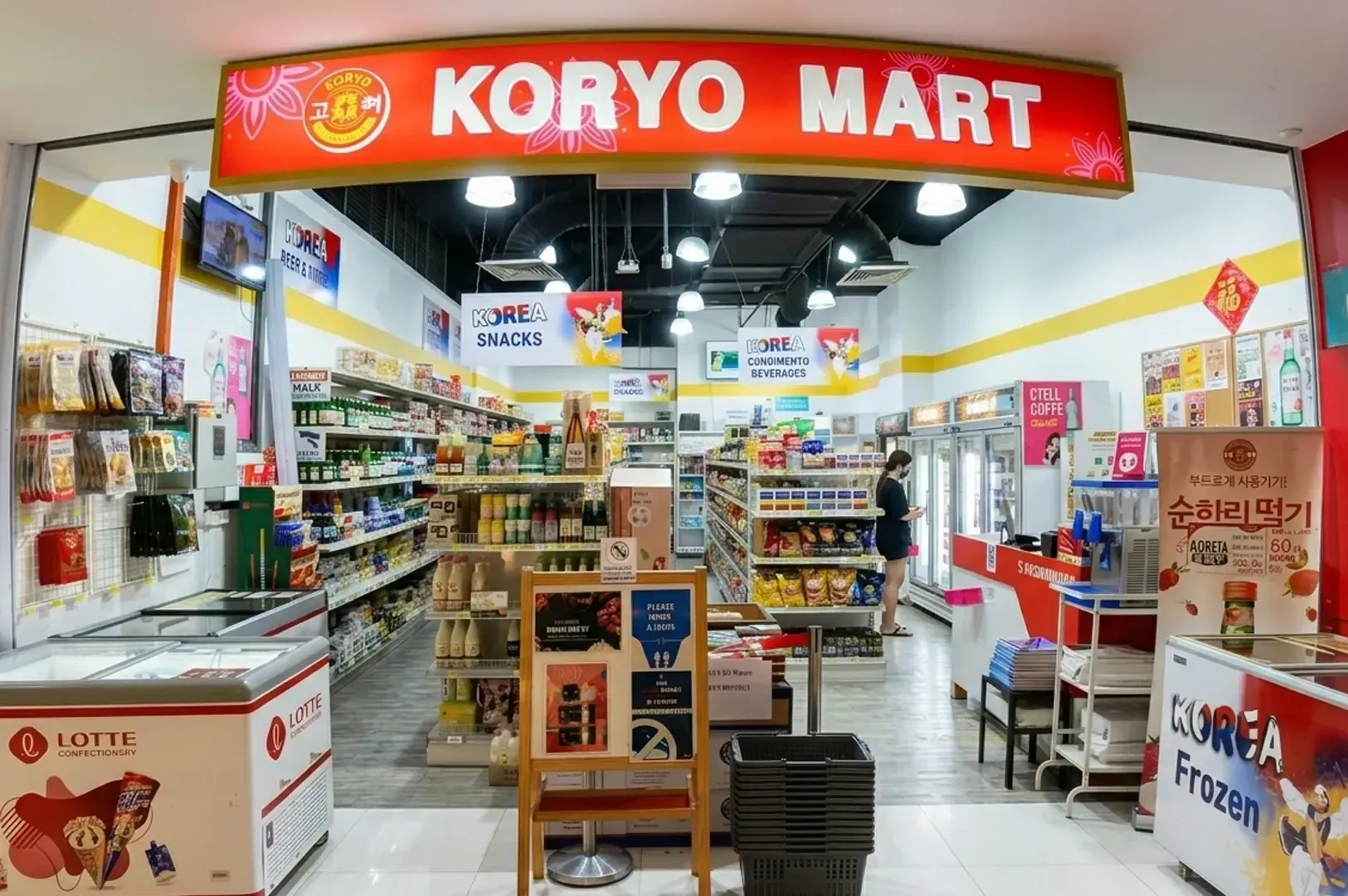
Finding Korean ramen in Singapore is a breeze, but if you want to explore a wider menu with some limited editions and better deals, head over to specialty shops at Millenia Walk and Tessensohn Road. Just a heads-up: check their opening hours before you go. Many of these spots also have drinks that pair perfectly with your ramen, making the whole experience even more enjoyable.
Korean Specialty Stores
These shops provide the broadest selection of korean ramen singapore varieties.
- Koryo Mart – multiple outlets, best for seasonal and rare flavours, packs SGD $1.50–$3.50
- Shine Korea Supermarket – located in major malls, bulk discounts and family packs
Japanese and Asian Concept Grocers
Asian supermarkets also stock premium Korean instant noodles.
- Don Don Donki – trending Korean instant noodles, gift sets, jumbo packs
- Sol Mart – broad range of classic and premium Korean instant noodles
Convenient Options
For quick access:
- FairPrice – stable stocks of big brands like Nongshim
- Cold Storage – premium and imported Korean instant noodles
- 7-Eleven & Cheers – late-night cravings
- RedMart / Shopee / Qoo10 – bundle deals and free delivery
Dry Ramen in Singapore – Why This Trend Is Exploding
While soup-based Korean varieties remain beloved, I’ve noticed that dry ramen singapore is really taking off lately, especially with mala dry noodles, wok-tossed ramen, and Japanese-style mazemen making their way into the scene.
What I love about dry ramen is how much it focuses on the sauce or seasoning depth, the texture of the noodles, and those amazing stir-fry aromas. Plus, there’s so much room to customize it exactly how you like it.
For me, dry ramen offers a super satisfying meal where the balance of texture and flavour really shines through. It’s no wonder it’s becoming a favourite among home cooks and chefs alike here in Singapore.
What Counts as Dry Ramen?
Includes:
- Instant noodles without soup
- Stir-fried Korean ramyeon dishes
- Japanese mazemen-style noodles
- Singapore fusion wok ramen
- Mala dry noodles
These dishes often use soy sauce and vinegar to enhance flavour and umami.
Singaporeans prefer stronger seasoning and richer umami in these dishes.
Best Dry Ramen Options in Singapore You Can Buy
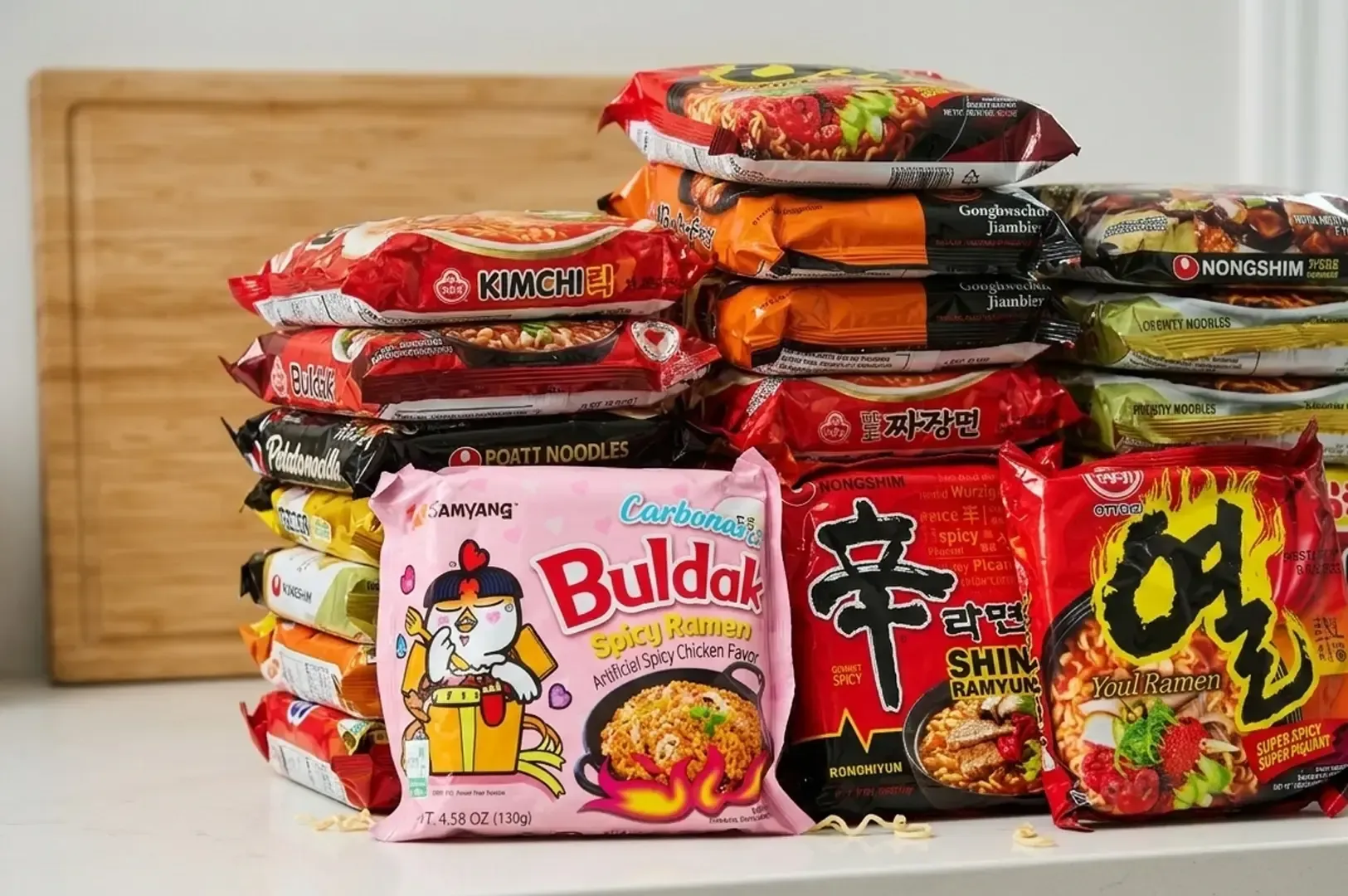
Stir-Fried Instant Noodles (Korean)
Popular dry ramen singapore picks include:
- Samyang Buldak (Original, Cheese, Carbonara)
- Nongshim Chapagetti (Black Bean)
- Paldo Jjajangmen
- Samyang Jjajang Buldak
Some dry ramen dishes feature duck or stir fried pork, enriching the meal with bold flavours.
Sauce-based preparations suit those who prefer intensity over broth.
Japanese-Style Dry Noodles
Though not Korean, these dominate the dry noodles singapore market:
- Marutai Tonkotsu Maze Soba – thick noodles cooked al dente with rich sauce
- Nissin UFO Yakisoba
- Menraku Tsukemen Dry Ramen
You can find these at Don Don Donki and FairPrice Finest.
Local Dry Ramen Brands and Fusion Options
Singapore manufacturers have created dry ramen-style dishes with toppings like onsen egg or soft boiled egg, allowing for three toppings customization.
Popular brands:
- Koka Signature Stir-Fry Series
- Prima Taste Dry Laksa La Mian – spicy and aromatic
- Noodle Time Dry Mala Ramen
These reflect Singapore’s love for fusion and spice, diversifying the dry ramen scene.
Where to Eat Korean Ramen and Dry Ramen in Singapore
Singapore offers more than just instant noodle purchases; many restaurants serve premium bowls inspired by Korean and Japanese influences.
Some cafes, like Slurp Mee on Tessensohn Road, encourage diners to enjoy the slurping culture with interactive self-service noodle options.
Restaurants Serving Korean-Style Ramen
- Ajumma’s – multiple outlets, famous for kimchi ramyeon and seafood ramyeon
- Omoomodon – Korean-Japanese fusion noodle bowls
- Seoul Jjajang (Tanjong Pagar) – known for authentic jjajangmyeon
Places Known for Dry Ramen Dishes
- Kanada-Ya (PLQ, Marina Square) – popular Truffle Mazesoba
- Menzo Butao (Chinatown Point) – rich, saucy dry ramen bowls
- Ramen Matsuri (North Bridge Road) – spicy dry ramen with customizable toppings
- GoroGoro Steamboat & Korean Buffet – Korean-style dry noodles at buffet stations
How Singaporeans Prepare Korean Ramen at Home
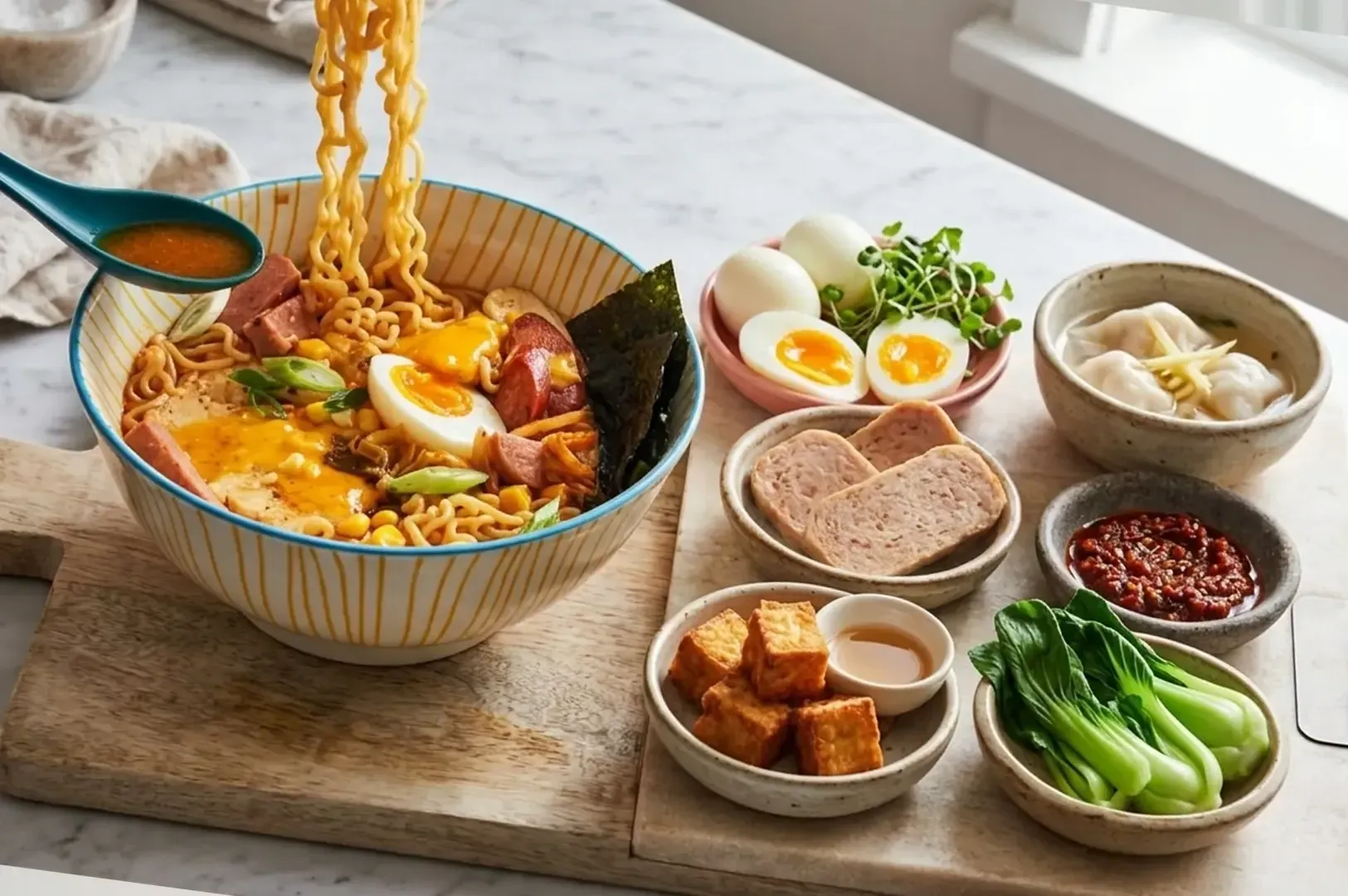
Both korean ramen singapore and dry ramen singapore are popular because they’re easy to customize. Rice is often served alongside ramen to soak up flavourful sauces, adding satisfying texture.
Popular add-ons include fried shallots, garlic, soft boiled egg, onsen egg, nori, spring onions, and chili oil—each enhancing flavour and texture.
Ginger is also used as a flavour enhancer, adding brightness that complements the rich, savoury notes.
Popular Add-Ons
- Soft boiled eggs
- Fish dumplings
- Chicken luncheon meat
- Frozen dumplings
- Kimchi
- Cheese
- Scallions
- SPAM
Creative Local Toppings
- Sambal
- Crispy shallots
- Fried ikan bilis
- Hae bee hiam (spicy dried shrimp)
- Mala powder
Healthier Swaps
- Air-fried tofu
- Fresh greens like nai bai or bok choy
- Less seasoning packet
- Adding soup stock instead of MSG-heavy powder
The Future of Korean Ramen Singapore and Dry Ramen Trends
Singapore's noodle scene continues evolving, inspired by Japanese innovations and traditions. As a longtime noodle enthusiast living in this vibrant town, I've personally witnessed how the love for korean ramen singapore and dry ramen singapore has blossomed into a full-fledged culture here.
Whether it's splurging on premium ramyeon brands at specialty stores or enjoying a casual bowl with friends on a lazy sunday, the experience always feels special. Alternatively, you might find yourself carrying home a packet of your favourite spicy ramyeon brands to recreate that comforting dip of broth and noodles after a long day.
The rest of the week, I often experiment with adding local flavours or half a soft boiled egg to elevate my instant noodle meals. It’s fascinating how this humble dish continues to inspire creativity and bring people together under the sun of Singapore’s bustling food scene.
1. Premium Instant Noodles
More consumers choose artisanal or gourmet instant ramen.
2. Mala Dry Ramen
Mala remains a national obsession, with brands releasing mala-inspired dry ramen lines.
3. Plant-Based Options
Growing vegetarian and vegan Korean ramyeon varieties.
4. Limited Edition Releases
Seasonal ramyeon flavours such as rose tteokbokki noodles, spicy seafood jjampong, and creamy tomato ramyeon keep the scene dynamic.
Conclusion
Whether craving bold Korean ramyeon spice or rich, savoury wok-tossed dry noodles, Singapore offers endless choices. From premium supermarkets and Korean grocers to restaurant-quality dry ramen bowls, the korean ramen singapore and dry ramen singapore scenes thrive.
For more instant noodle recommendations across flavours and cuisines, check out the complementary guide:
Best Instant Noodles in Singapore: The Ultimate Guide to Cheap Ramen Noodles for Home—perfect for expanding your noodle adventures.
Recent Posts