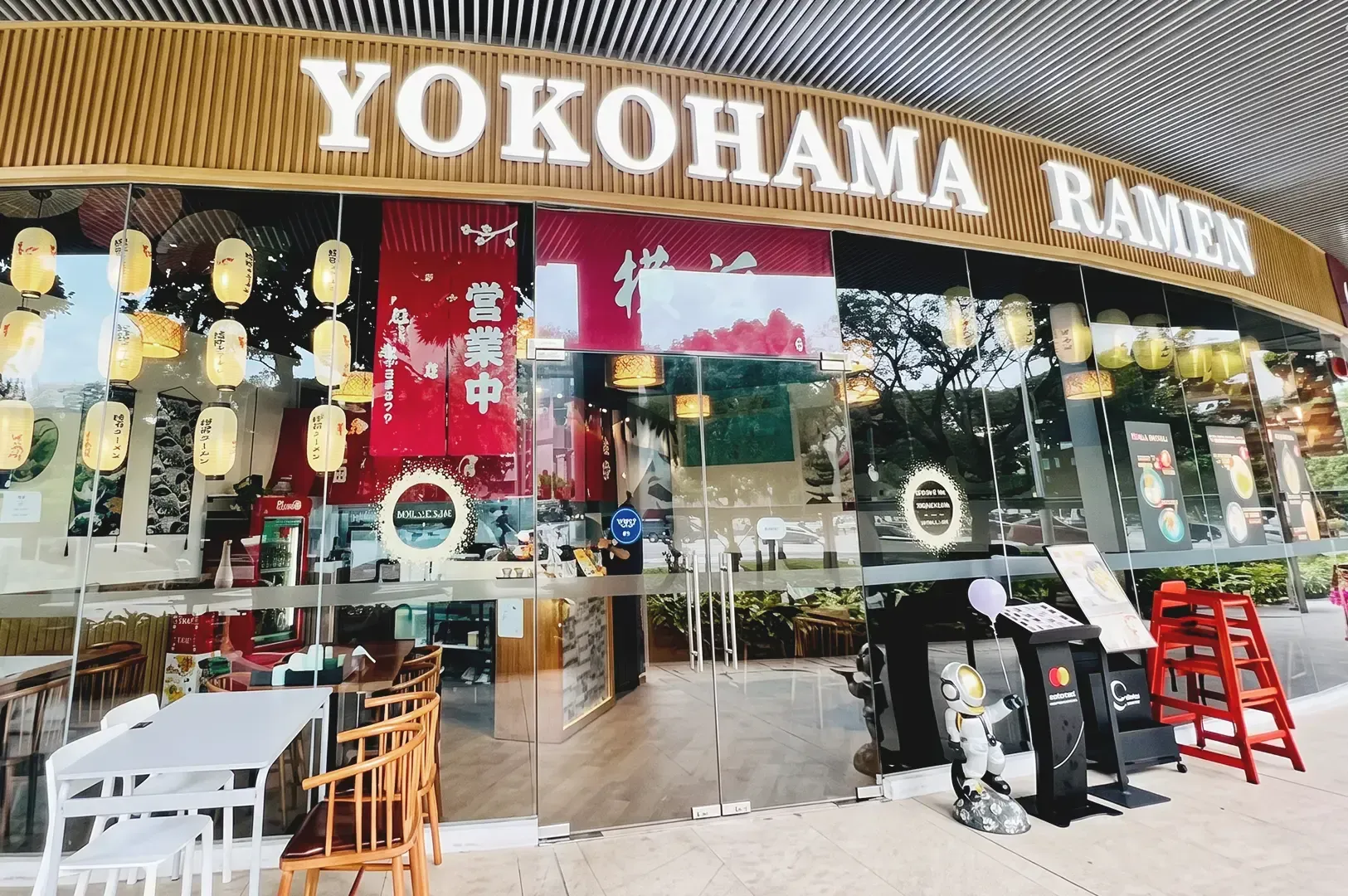
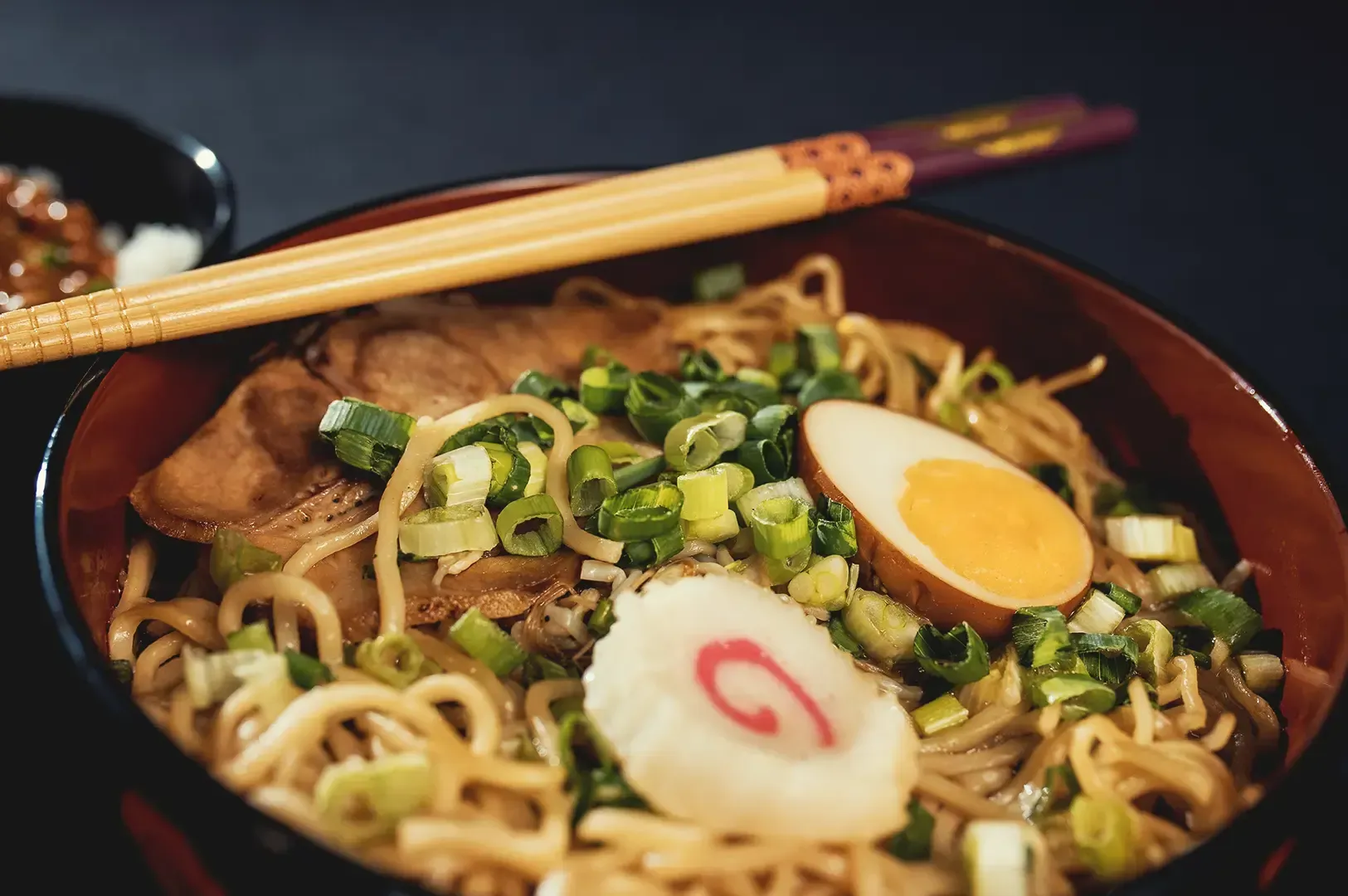
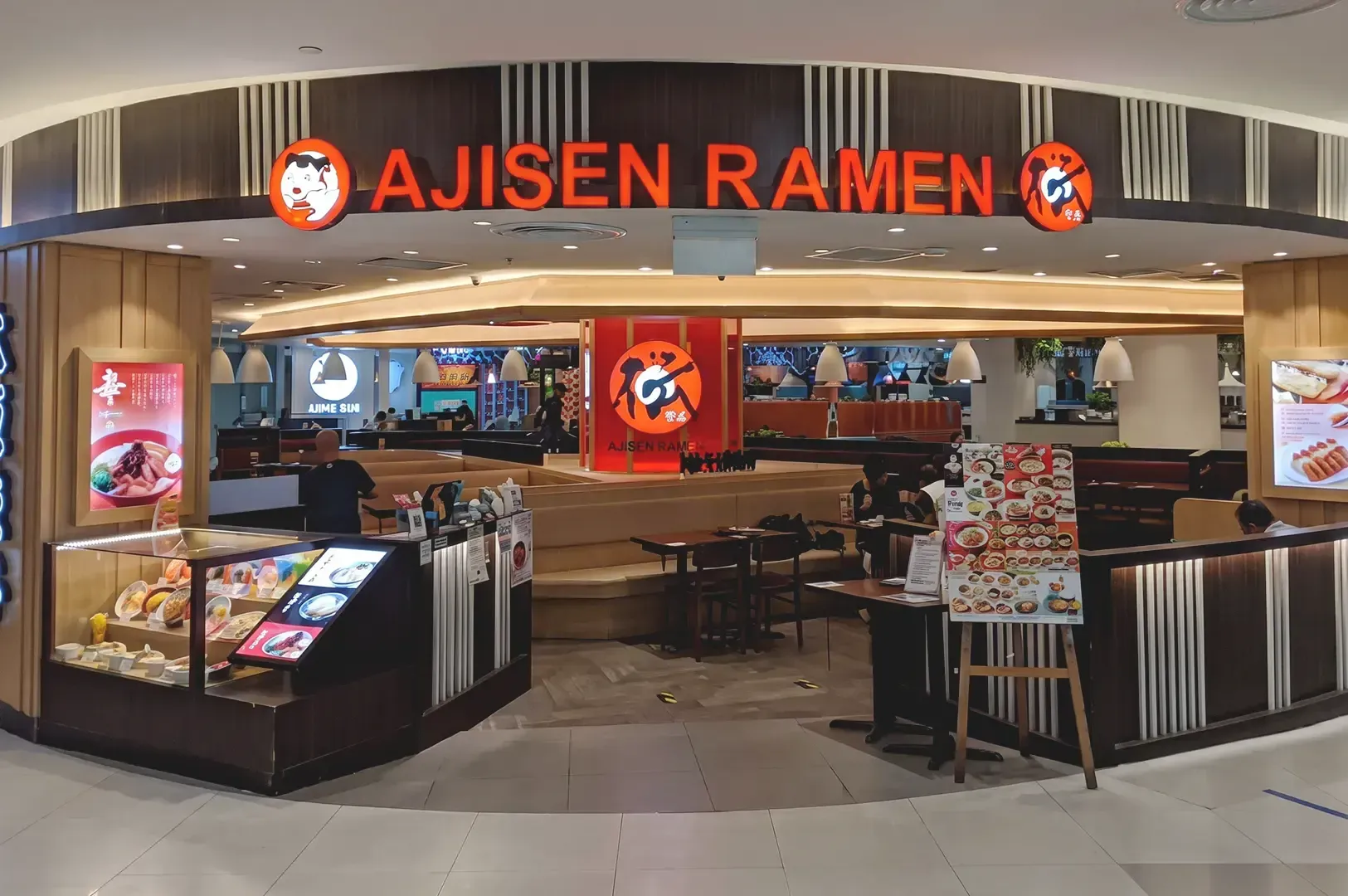
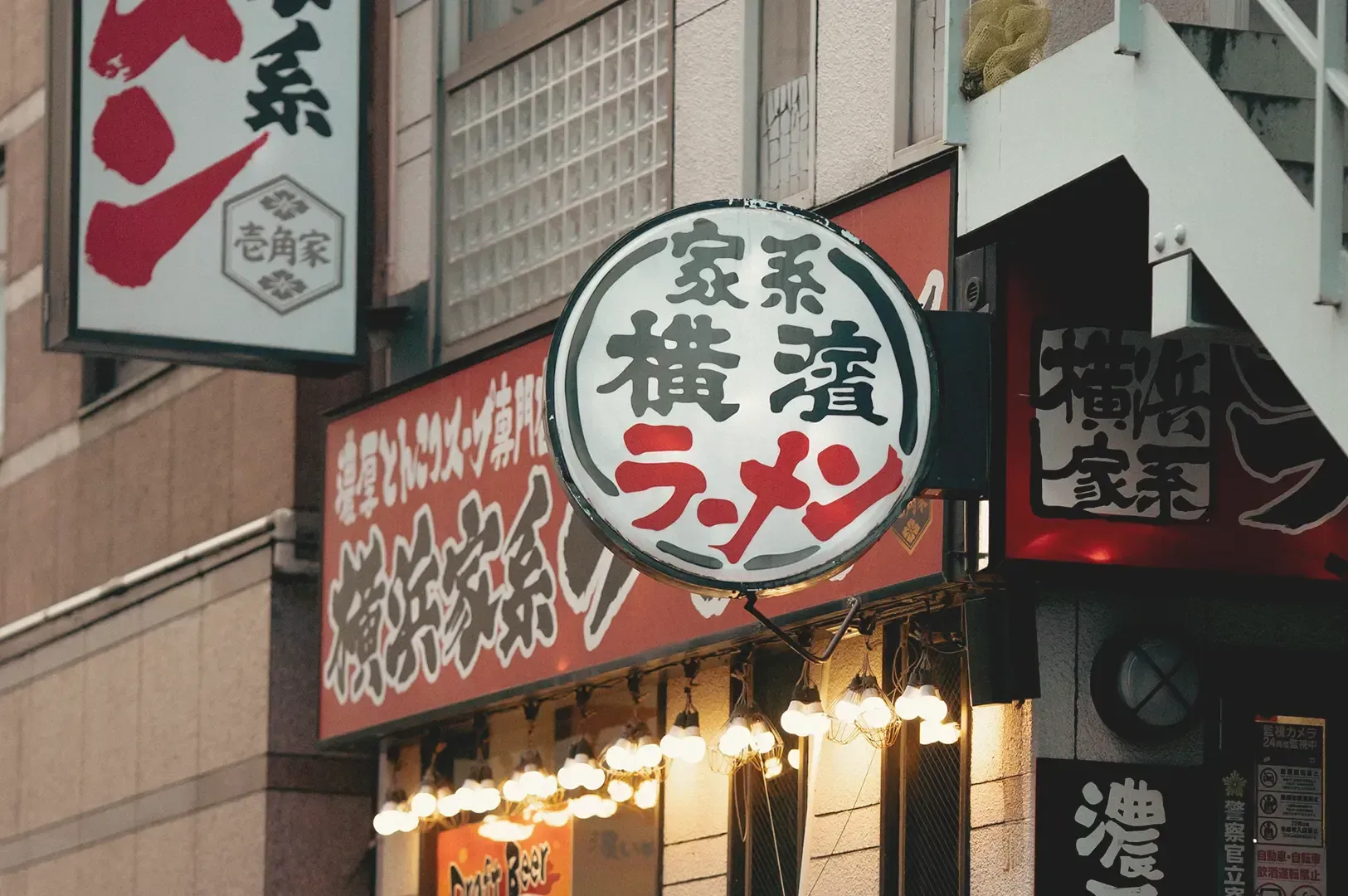
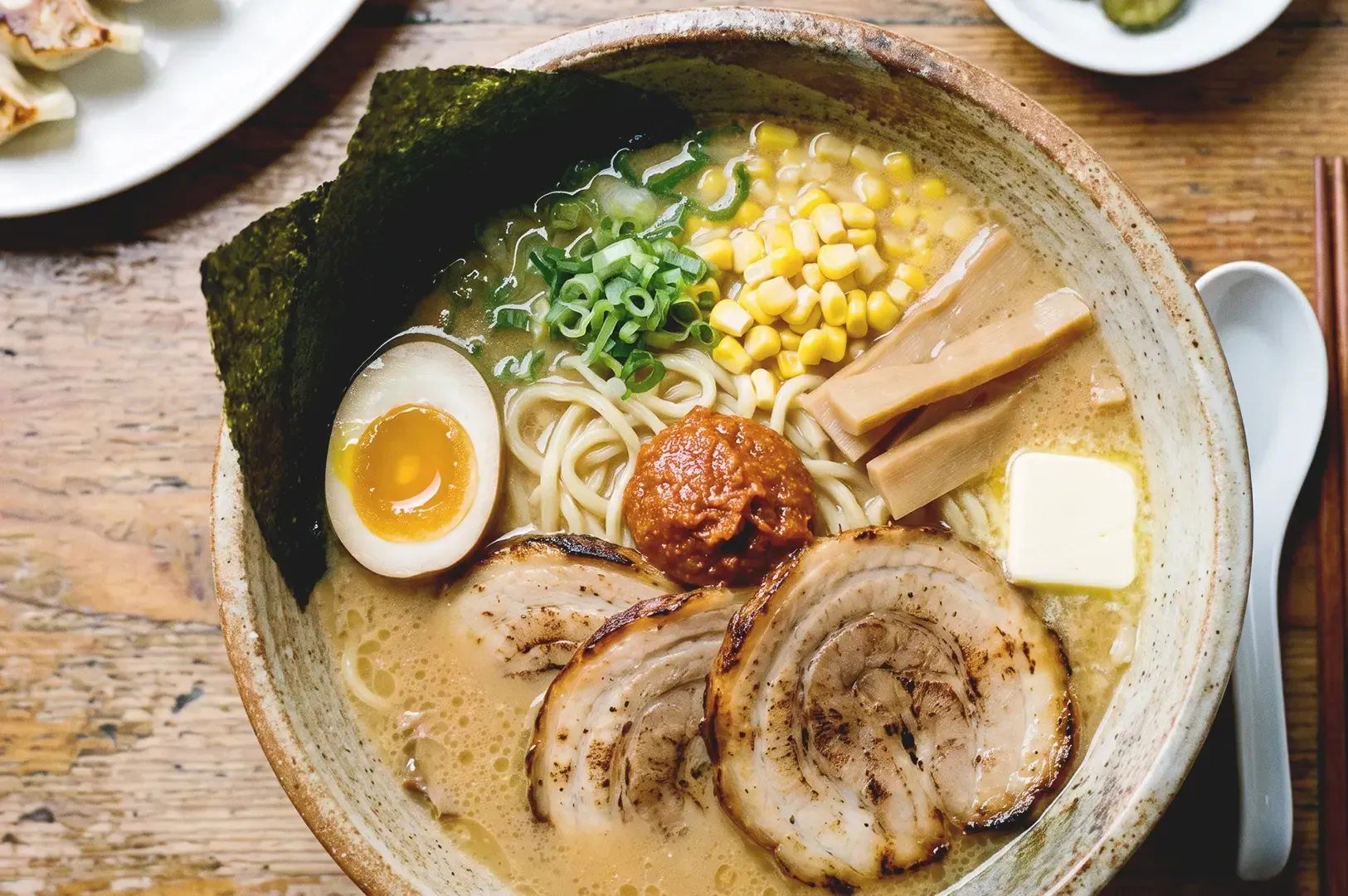
It was pouring rain in Singapore last Tuesday, and I was soaking wet, exhausted, and craving a hot bowl of noodles. I deliberately bypassed the famous, highly-rated tonkotsu spot downtown. Instead, I ducked into a small, brightly lit neighborhood joint and ordered a bowl of fiery, cheese-topped spicy miso ramen that would probably make a traditionalist faint. And you know what? It was exactly what I needed.
For years, I chased the ghost of absolute authenticity. I would wait in line for hours just to taste a clear broth simmered for three days using a secret recipe imported straight from Tokyo. While those bowls are undeniably magnificent, my relentless pursuit taught me a valuable lesson. The word "authentic" can sometimes act like a trap. It creates a rigid set of rules about what we are supposed to enjoy.
When we obsess over strict traditions, we risk losing the pure, unpretentious joy of eating. Ramen started as a humble, adaptable street food, and it continues to evolve beautifully across different cultures and palates.
Comfort food is inherently tied to our emotions, our memories, and our current state of mind. What tastes "best" depends entirely on the context of your day. Sometimes perfection is found in playful local twists or spicy, rich variations that bend the rules.
We should absolutely respect the incredible history and meticulous techniques behind a classic, traditional bowl of
ramen. But we should also give ourselves full permission to love the weird, the localized, and the entirely inauthentic variations.
A bowl of soup does not need a cultural pedigree to be wonderful. It just needs to heal your soul in that exact moment. Let go of the culinary gatekeeping, and you will find that the noodle world is vastly more delicious than you ever imagined.